DbcultAccessing Vault...
5.1/10
Senior Film Conservator
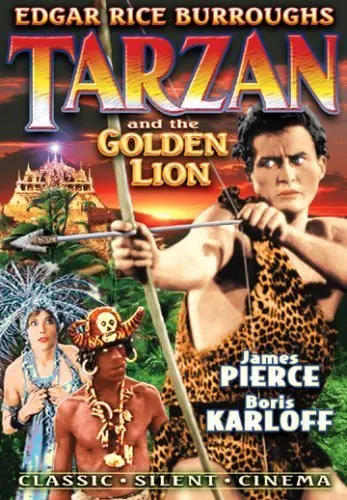
A definitive 5.1/10 rating for a film that redefined the boundaries of cult cinema. Tarzan and the Golden Lion remains a cornerstone of transgressive art.
Is Tarzan and the Golden Lion a forgotten gem or a dusty relic of a bygone era? Short answer: yes, but strictly for those who value historical context and pulp aesthetics over narrative complexity. This film is for the pulp-obsessed, the cinema historians, and the Karloff-curious; it is not for anyone expecting the high-octane pacing of a modern blockbuster or even a mid-century talkie.
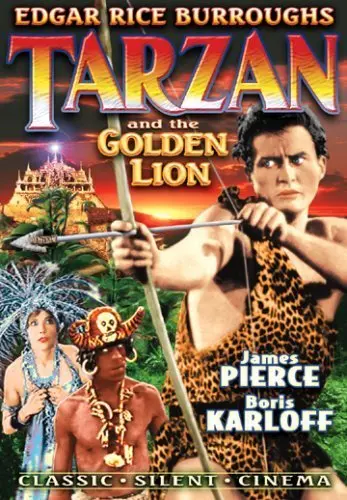
1) This film works because the physical presence of James Pierce and the use of a live, trained lion (Jad-bal-ja) creates a sense of tactile danger that modern digital effects cannot replicate. 2) This film fails because the narrative momentum grinds to a halt during the extended sequences at the Greystoke estate, favoring mundane melodrama over the titular adventure. 3) You should watch it if you are a fan of Edgar Rice Burroughs' original vision or if you want to see a pre-Frankenstein Boris Karloff in a fascinatingly devious supporting role.
James Pierce occupies a unique space in the Tarzan pantheon, largely because he was handpicked by Edgar Rice Burroughs himself. Unlike the more athletic or swim-heavy interpretations of later decades, Pierce brings a certain stoic, almost statuesque quality to the role. He looks like he walked right off a 1920s book cover, which provides an immediate visual authenticity. However, his performance is often as stiff as a frozen vine, lacking the animalistic fluidity we expect from the character.
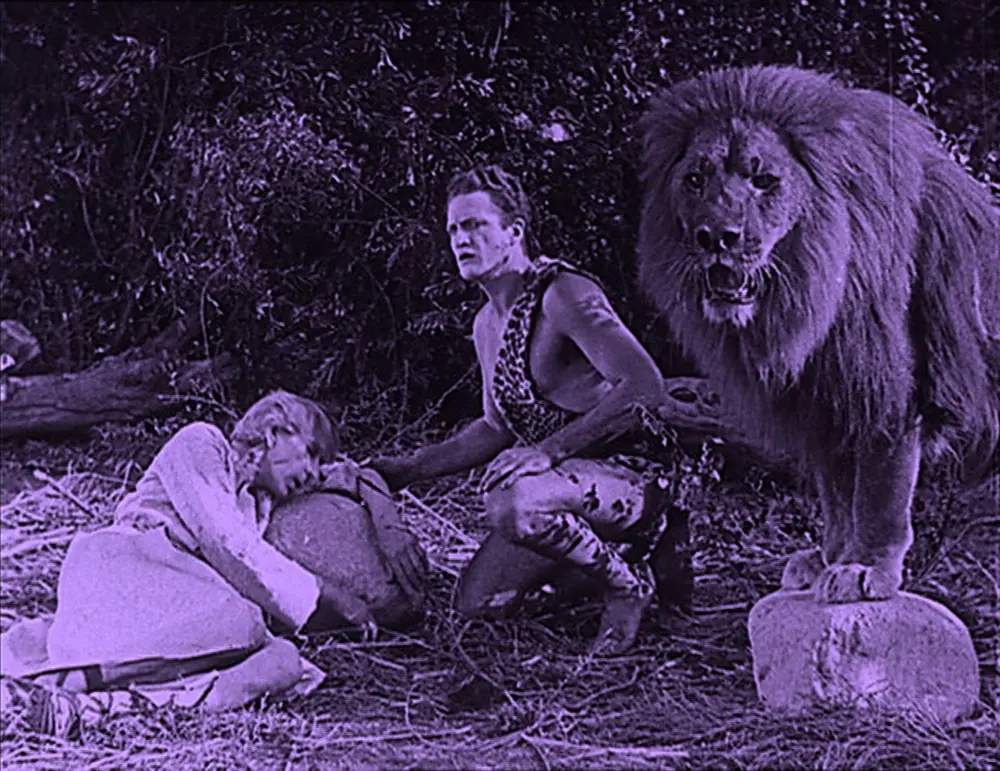
In the scene where he first interacts with Jad-bal-ja, there is a genuine tension. You can see the caution in Pierce's eyes, a reminder that he was working with a real predator. This isn't the choreographed dance of a modern stuntman; it is a man trying to maintain his dignity while standing next to several hundred pounds of apex predator. It works. But it’s flawed.
Compared to the Herculean feats seen in Maciste imperatore, Pierce’s Tarzan feels grounded, perhaps too grounded. There is less of the 'superhero' and more of the 'landowner who happens to be a jungle warrior.' This creates a strange tonal rift between the domestic scenes and the eventual jungle trek.
Long before he was the Monster or the Mummy, Boris Karloff was Owaza, a treacherous guide with a penchant for betrayal. Karloff steals every scene he is in, mostly because he seems to be the only person who understands the stakes of a silent adventure film. His facial expressions are calibrated for the back row of the theater, yet they possess a calculated malice that hints at the legend he would become.
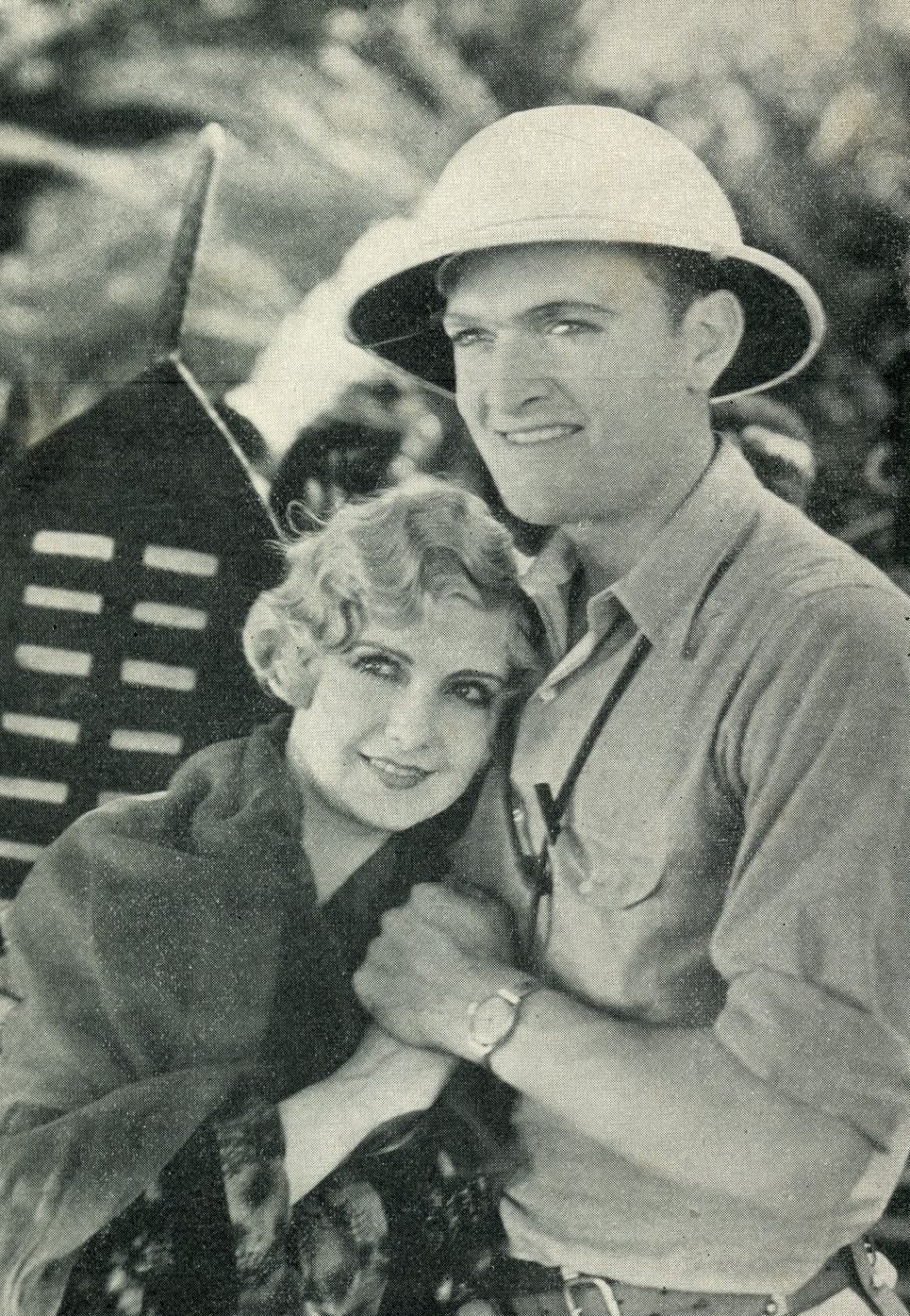
The way Karloff's Owaza manipulates the search for the City of Diamonds provides the film with its most consistent source of conflict. While the romantic subplot between Flora and the overseer feels like a leftover from a film like The Scarlet Road, Karloff keeps the focus on the greed and the looming threat of the jungle. He is the glue holding the disparate plot threads together.
One specific moment—a close-up of Owaza as he realizes the proximity of the diamond city—showcases Karloff's ability to convey internal greed without a single line of dialogue. It is a masterclass in silent villainy that elevates the material above its pulp origins. It is fascinating to see him here, practicing the physical language of the 'other' that would define his career.
Director J.P. McGowan was a veteran of the serial format, and it shows in the film's construction. The pacing is episodic, often feeling like several chapters of a weekly serial stitched together. This results in a middle act that feels bloated. We spend far too much time navigating the social dynamics of the Greystoke estate before finally reaching the mythic city.
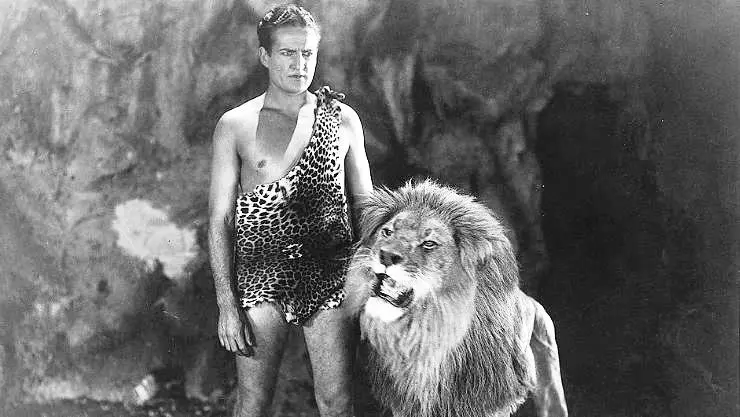
The cinematography, however, is surprisingly robust. The high-contrast monochrome photography captures the grit of the studio-built jungle and the harsh African sun. There is a specific shot of Tarzan and the lion silhouetted against the horizon that remains one of the most iconic images of the silent era. It rivals the epic scale seen in Les Misérables, Part 1: Jean Valjean in terms of sheer visual ambition.
The 'City of Diamonds' itself is a triumph of set design for 1927. While it may look like painted cardboard to modern eyes, the scale and the use of depth give it a haunting, otherworldly quality. The sacrifice scene, with its masked cultists and looming lion-god statue, creates an atmosphere of genuine dread that was quite advanced for its time.
If you are looking for a casual Friday night movie, the answer is likely no. The pacing is deliberate, and the silent film conventions—long title cards and exaggerated pantomime—can be a barrier for the uninitiated. However, if you are interested in the evolution of the adventure genre, it is an essential watch. It represents the bridge between the Victorian adventure novel and the modern action film.
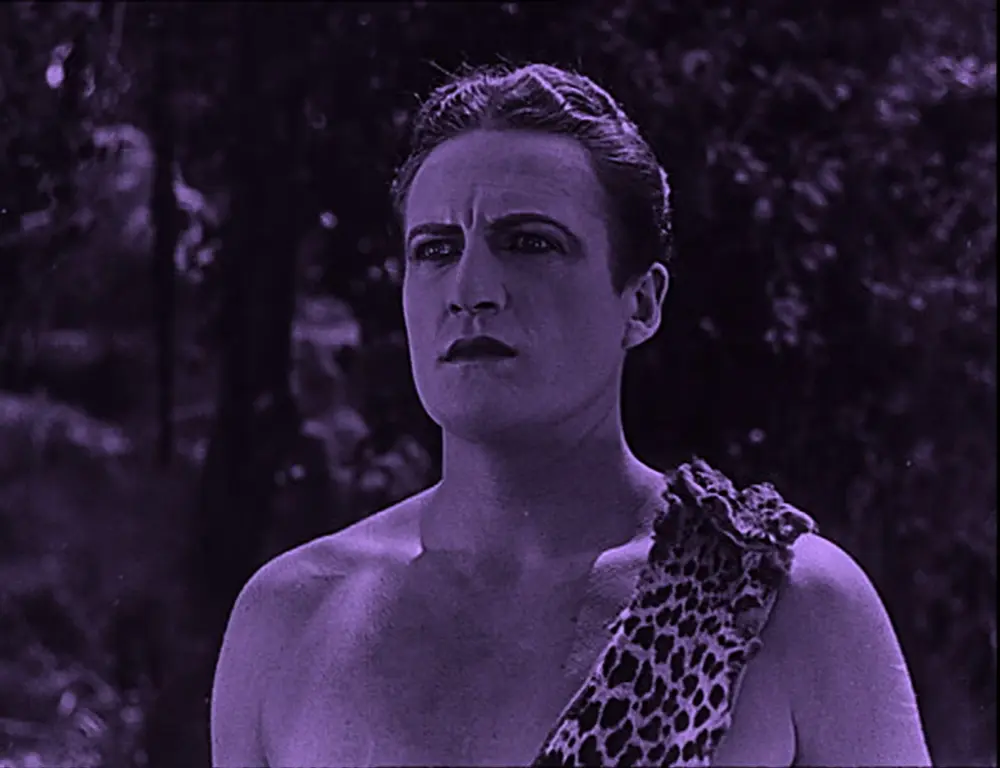
The film's treatment of its animal star is also a point of interest. Jad-bal-ja is not a prop; he is a character. The interaction between man and beast here is far more sincere than the slapstick comedy found in In Society. It treats the lion with a level of respect and awe that foreshadows the nature-documentary style of later decades.
Ultimately, the film's value lies in its status as a cultural artifact. It captures a moment when the world was still large enough to contain 'lost cities' and when Tarzan was the ultimate symbol of Western masculinity conquering the unknown. It is a problematic, slow, yet occasionally breathtaking piece of history.
The production design of Tarzan and the Golden Lion is a fascinating study in 1920s exoticism. The filmmakers relied heavily on location shooting in California to double for Africa, but the integration of studio sets is surprisingly seamless. The Greystoke estate, for instance, feels lived-in and appropriately colonial, providing a stark contrast to the wildness of the jungle.
The costumes, particularly for the denizens of the City of Diamonds, are a wild mix of historical inaccuracy and theatrical flair. They evoke a sense of 'the other' that was common in films like The Exiles. While these depictions are dated and culturally insensitive by modern standards, they provide insight into the 1920s imagination and its fascination with hidden civilizations.
One unconventional observation: the lion is arguably more charismatic than the lead human. Jad-bal-ja possesses a natural screen presence that Pierce struggles to match. Every time the lion is on screen, the energy of the film shifts from a stiff drama to a genuine adventure. The lion doesn't have to act; he simply exists, and in doing so, he exposes the artifice of the human performances around him.
Pros:
Cons:
Tarzan and the Golden Lion is a clunky, beautiful, and historically significant piece of silent cinema. It doesn't have the polish of later Tarzan films, but it possesses a raw, unvarnished energy that is hard to find in the more sanitized versions of the character. While James Pierce may not be the definitive Tarzan, the presence of Boris Karloff and a very real lion makes this a journey worth taking for those with a bit of patience. It’s a relic, yes. But some relics still have a bit of shine left on them.
IMDb 6.1
1929
Community
Log in to comment.