DbcultAccessing Vault...
6.4/10
Senior Film Conservator
A definitive 6.4/10 rating for a film that redefined the boundaries of cult cinema. Ein Lichtspiel schwarz weiss grau remains a cornerstone of transgressive art.
You should definitely watch this if you find yourself staring at lava lamps or those weird screen savers on old TVs. It is only six minutes long, so even if you hate it, you haven't lost much of your afternoon. 🌀
If you need a story or people talking, stay away. This is just a machine doing its thing in the dark.
I think design students will probably freak out over it. Regular people might just think it looks like a very expensive kitchen appliance gone wrong.
Honestly, I wasn't expecting to be into it. It’s 1930, so everything is grainy and the black-and-white is really heavy on the 'black' part. 🎥
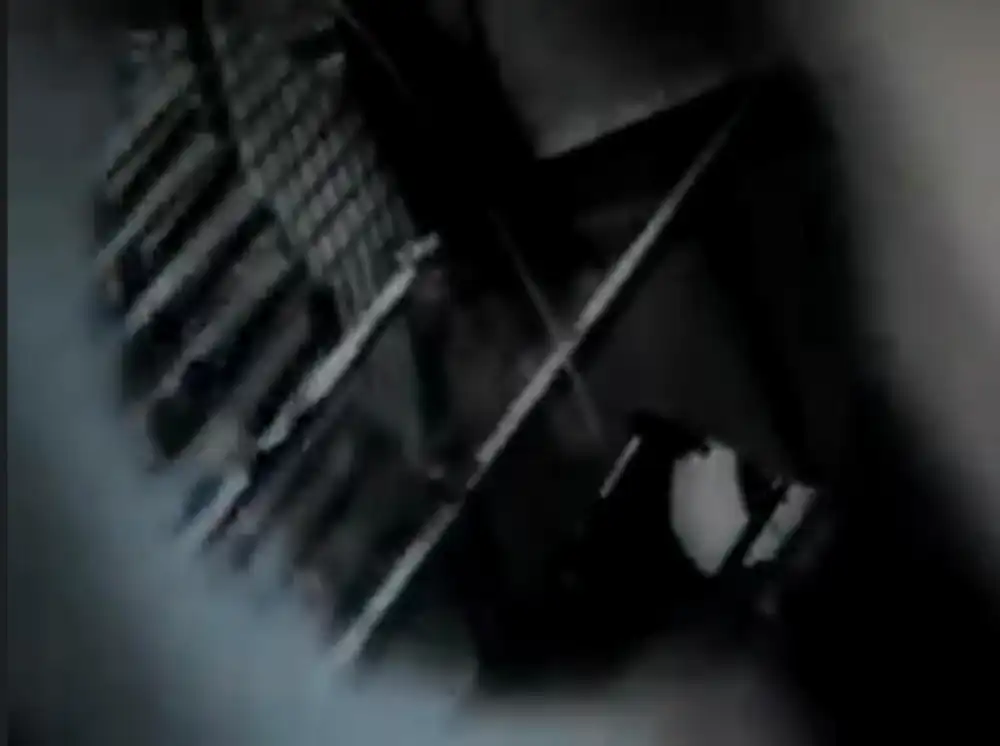
The whole thing is about this sculpture called the Light-Space Modulator. It looks like a giant, metallic whisk mixed with a disco ball from a nightmare.
At first, it’s just clunky. You see these metal plates with holes in them sliding past each other.
Then the shadows start hitting the walls. That is when it gets actually good.
The way the light pokes through the little circles in the metal makes these moving dots that look like static. It feels almost like looking at a digital glitch, but it was made with physical stuff nearly a hundred years ago.
There is one shot where the camera gets really close to a glass ball. You can see the reflection of the room, and for a second, it feels like the movie is looking back at you. 👁️

It’s kind of awkward how the film just cuts sometimes. There aren't any smooth fades here; it just jumps from one angle to another like someone was flicking a light switch.
I like that it doesn't try to be pretty. It’s industrial and cold.
The shadows remind me a little bit of the abstract stuff in Film 18, but way more mechanical. It feels like you are inside a clock that is trying to tell you a secret.
One part of the machine has these shiny slats that look like venetian blinds. When they spin, the light bounces off them in a way that actually made my eyes hurt for a second. 💡
I found myself wondering who had to polish all that metal. It must have been a total pain to keep the fingerprints off those chrome surfaces.
There is a weird rhythm to the spinning. It’s not quite a circle; it feels like it’s wobbling just a tiny bit.
That wobble makes it feel human, even though it's just a bunch of gears. It’s like the machine is nervous to be on camera.
The film doesn't have music—or at least the version I saw was silent. I ended up humming some low techno beat in my head which actually fit pretty well.
Some of the shots are out of focus. I don't know if that was on purpose or if Moholy-Nagy just couldn't see what he was doing in the dark. 🌑
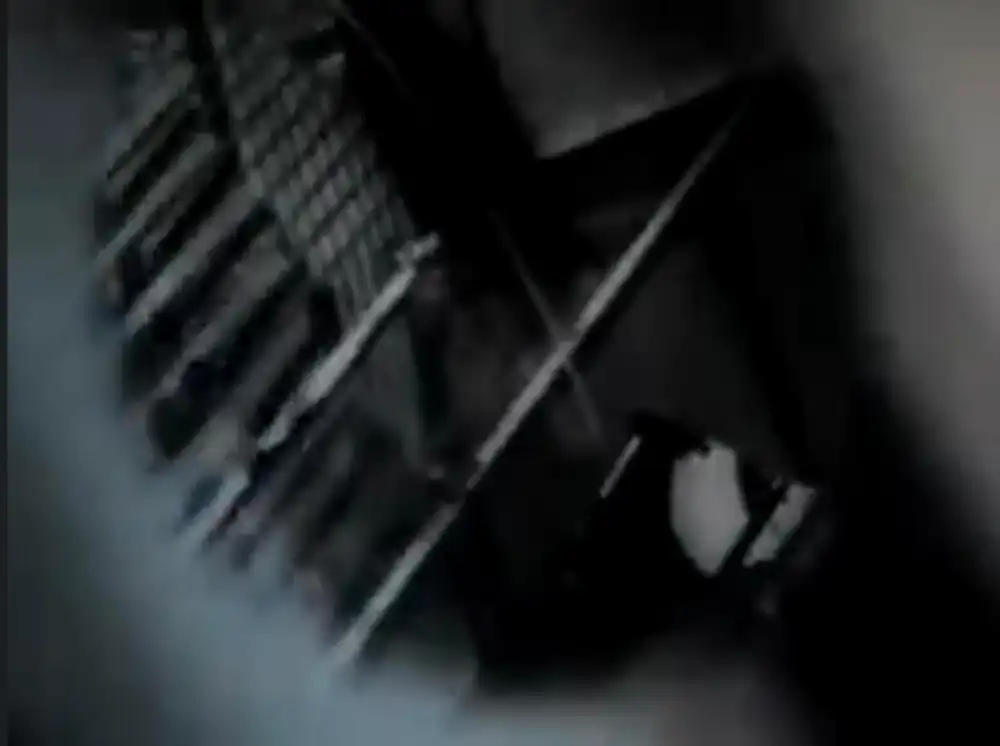
It doesn't really matter, though. The blurriness makes the shadows look like ghosts dancing on the wall.
By the four-minute mark, I kind of forgot I was watching a 'film' and just felt like I was staring into a campfire. It has that same hypnotic quality where you stop thinking about your chores.
I did wish we got to see the whole room once. Just to see the guy standing there with the camera, probably sweating under some hot studio lights.
The ending is a bit abrupt. The machine just stops, or the film runs out, and you're left sitting there in the quiet. ⏹️
It’s much better than some of the other stuff from that era that tries to be 'art' by being confusing. This is just light and metal.
I think we need more movies that are just six minutes of a cool object. No dialogue, no crying, just physics being pretty.
If you've got a big monitor, turn off the lights in your room before you start it. It makes the white flashes feel much more intense.
It's not a masterpiece that will change your life. But it's a very cool way to see how people in the 30s thought the future would look.
Spoiler alert: the future looks like a very shiny, very busy shadow puppet show. And honestly? I'm okay with that.

IMDb —
1921
Community
Log in to comment.