DbcultAccessing Vault...
5.5/10
Senior Film Conservator
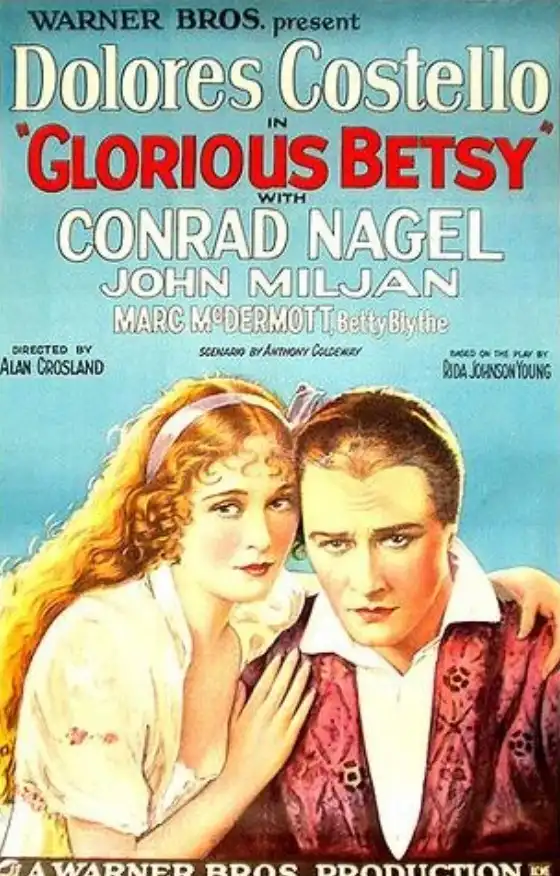
A definitive 5.5/10 rating for a film that redefined the boundaries of cult cinema. Glorious Betsy remains a cornerstone of transgressive art.
If you are looking for a definitive historical account of Elizabeth Patterson Bonaparte, Glorious Betsy is not it. If you are looking for a seamless cinematic experience, you won't find that here either. However, for those fascinated by the awkward, adolescent years of 'talkies,' this 1928 hybrid is a fascinating specimen. It is a film caught between two worlds—the expressive, visual language of the silent era and the stiff, microphone-bound constraints of early sound.
Is it worth watching today? Only if you have a specific interest in the Vitaphone era or the ethereal screen presence of Dolores Costello. For anyone else, the pacing is likely too erratic and the melodrama too thin to sustain interest for its full runtime. It’s a film that works best in individual shots rather than as a cohesive narrative.
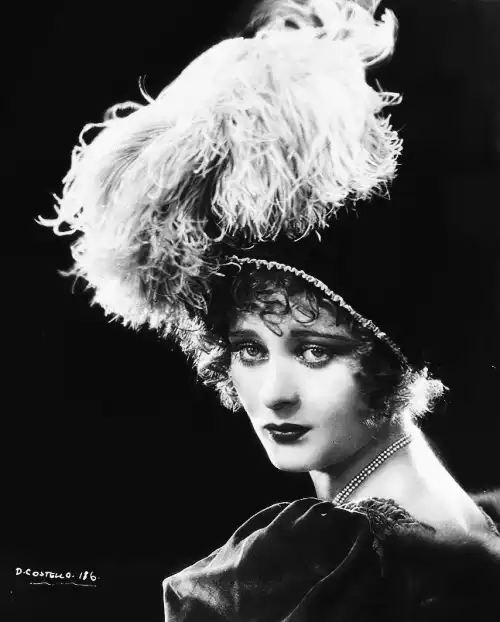
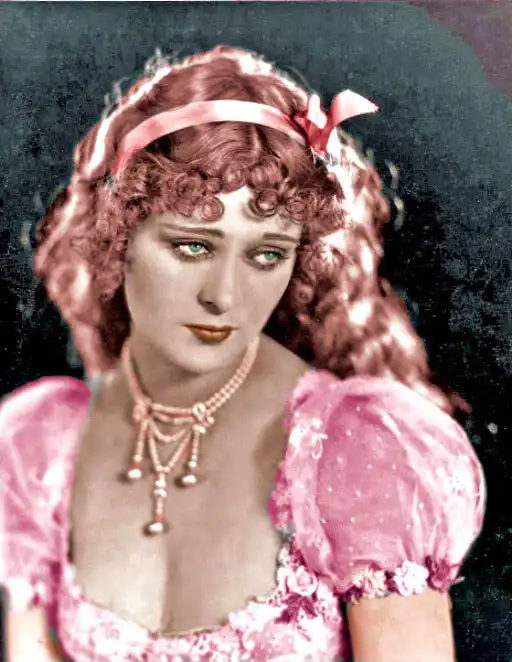
Dolores Costello was often called 'The Goddess of the Silent Screen,' and watching Glorious Betsy, it’s easy to see why. The camera treats her with a level of reverence that almost feels religious. In the silent sequences, her ability to convey Betsy’s transitions from a flirtatious Baltimore belle to a heartbroken exile is genuinely impressive. She has a way of catching the light that makes the rest of the cast—and the somewhat flat sets—disappear.
However, the film’s 'part-talkie' nature does her no favors. When the Vitaphone sequences kick in, the transition is jarring. Suddenly, the fluid movement of the silent acting is replaced by a physical stiffness. You can almost see the actors mentally marking their spots to stay within range of the hidden microphones. Costello’s voice is pleasant enough, but the dialogue she’s given is so formal and declamatory that it robs her character of the spark she displays in the silent sections.
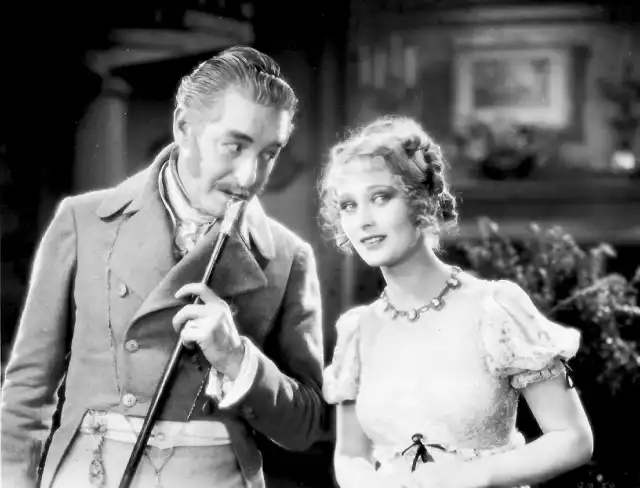
Conrad Nagel plays Jérôme Bonaparte with a permanent look of mild concern. While he’s a capable leading man, there is very little chemistry between him and Costello. Their courtship in Baltimore feels hurried, despite the film’s attempt to paint it as a grand, star-crossed affair. Nagel is at his best when he’s playing the 'Captain' persona, but once the plot shifts to the Napoleonic conflict, he becomes a passive figure, pushed around by the script and the looming shadow of his brother.
Compare this to Nagel’s work in The Snob, where the social dynamics felt a bit more grounded. Here, everything is heightened to a degree that makes the emotional stakes feel theoretical rather than lived-in. When Jérôme is forced to choose between his brother and his wife, the conflict doesn't feel like a gut-wrenching choice; it feels like a plot point being checked off a list.
Director Alan Crosland, who also helmed The Jazz Singer, clearly struggles with the technical limitations of 1928. The silent portions of the film feature some lovely, soft-focus cinematography and decent crowd movement during the Baltimore ballroom scenes. There is a specific shot of Betsy standing on a balcony that looks like a Sargent painting come to life.
But the moment the film switches to sound, the visual ambition dies. The camera stops moving. The editing rhythms, which are usually quite brisk in late-period silent films like The Hunted Woman, become sluggish. There is a singing sequence that feels interminable, not because the music is bad, but because the camera is terrified to move away from the performer. You’ll notice long, awkward pauses between lines of dialogue where the actors seem to be waiting for the sound equipment to catch up with them.
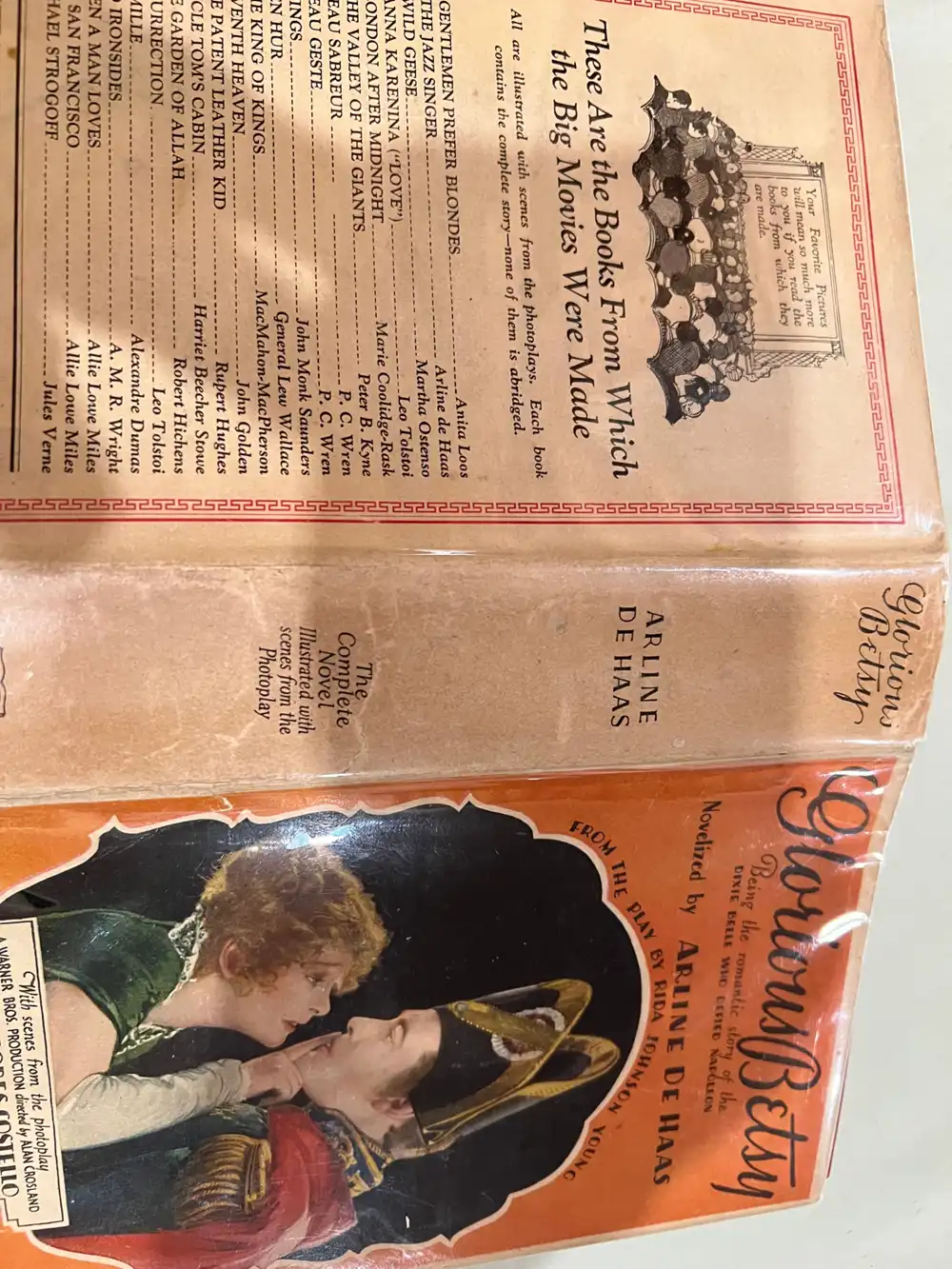
The biggest issue with Glorious Betsy is its tonal inconsistency. It starts as a light romantic comedy, almost a 'fish out of water' story as the disguised Jérôme tries to navigate American social customs. Then, it pivots into a heavy-handed tragedy. The transition isn't handled with much grace. The introduction of Napoleon (played by Pasquale Amato) is particularly clunky. He is presented as a broad villain, lacking the complexity that would make the political pressure on Jérôme feel real.
There is also a recurring problem with the supporting cast. Many of the minor characters seem to be acting in a different movie entirely, using exaggerated gestures that might have worked in 1915 but felt dated by 1928. It creates a strange effect where Costello and Nagel are trying for modern naturalism while the background players are doing 'Theatrical Agony' in the style of Fool's Gold.
One detail that only someone sitting through the film would notice is the peculiar use of sound effects during the non-speaking 'synchronized' portions. There’s a scene involving the clatter of horses and carriages where the sound is mixed so loudly it nearly drowns out the visual action, yet when the characters are supposed to be in a crowded room, the atmosphere is often deathly silent. This inconsistency is a hallmark of early sound experiments, but it makes the world of the film feel fragmented and 'uncanny' in a way the creators certainly didn't intend.
Glorious Betsy is a museum piece. It’s worth a look if you want to see Dolores Costello at the height of her beauty, or if you want to experience the specific technical 'crunchiness' of the Vitaphone transition. It lacks the polish of a fully realized silent film and the technical competence of a later 1930s talkie. If you’re looking for a more engaging look at social climbing and romance from this era, you might find more to chew on in Be Yourself or even the slapstick energy of Hard Luck. Betsy is glorious to look at, but she’s a bit of a bore to listen to.
IMDb 6.7
1936
Community
Log in to comment.