DbcultAccessing Vault...
7.1/10
Senior Film Conservator
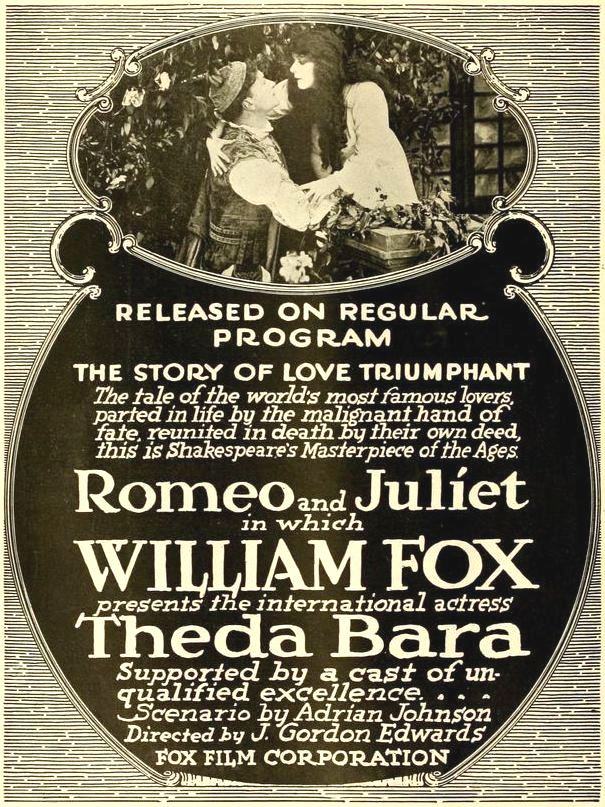
A definitive 7.1/10 rating for a film that redefined the boundaries of cult cinema. Romeo and Juliet remains a cornerstone of transgressive art.
To embark upon a critical journey through the cinematic landscape of 1916 is to step into a nascent art form, where the very grammar of visual storytelling was still being codified. In this fertile ground, the ambitious task of adapting William Shakespeare's immortal tragedy, Romeo and Juliet, into a silent film presented a formidable challenge. How does one translate the Bard's unparalleled poetic verse, his intricate psychological insights, and the profound emotional cadences of his dialogue into a medium reliant solely on gesture, expression, and intertitles? The 1916 rendition, a significant artifact of early American cinema, attempts precisely this feat, offering a fascinating glimpse into how a story so deeply embedded in language was re-imagined for the silver screen's burgeoning lexicon.
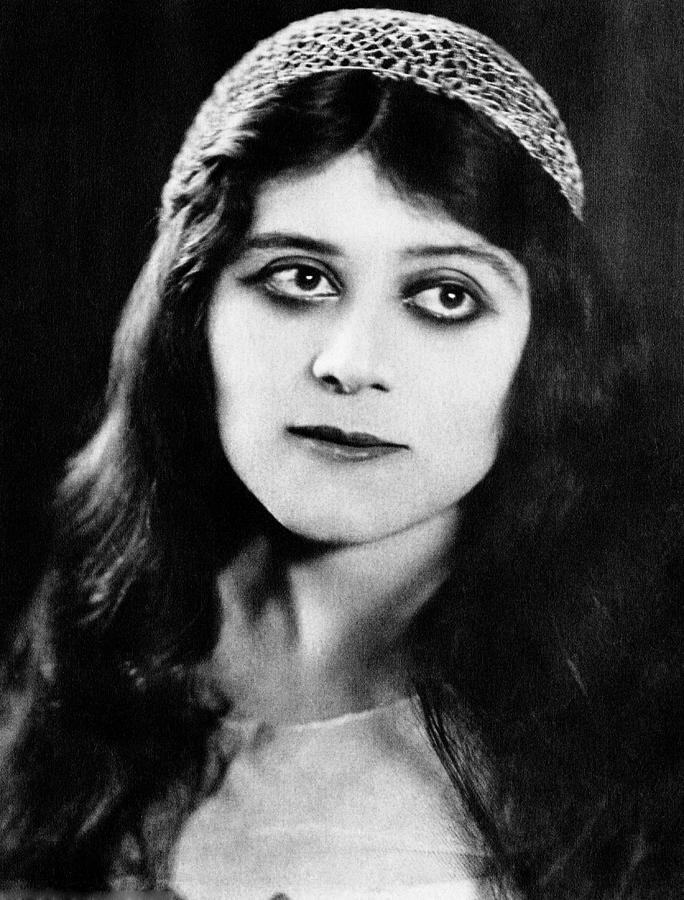
At the heart of this particular adaptation pulsates the magnetic presence of Theda Bara as Juliet. Bara, already a sensation known for her 'vamp' persona, brought an intriguing, almost dangerous allure to a character traditionally portrayed with an innocent naiveté. Her Juliet is not merely a guileless maiden; there's a smoldering intensity, a preternatural wisdom in her gaze that hints at the depths of passion and the impending doom. This interpretation, while perhaps diverging from certain purist readings of Shakespeare, lent the film a distinct contemporary edge, capitalizing on Bara's established screen persona to draw audiences. Her gestures are expansive, her facial expressions meticulously calibrated to convey the tumultuous inner world of a young woman caught between familial duty and an overwhelming, forbidden love. The challenge of portraying such a complex character without the aid of spoken word required a profound understanding of silent acting, a craft Bara had mastered. One might compare her dramatic intensity to the commanding presence seen in films like Zudora, where leading ladies often embodied archetypal power and mystery, albeit in different narrative contexts. Bara's performance here is less about overt seduction and more about a consuming, almost desperate, romantic fervor that feels both timeless and uniquely of its era.
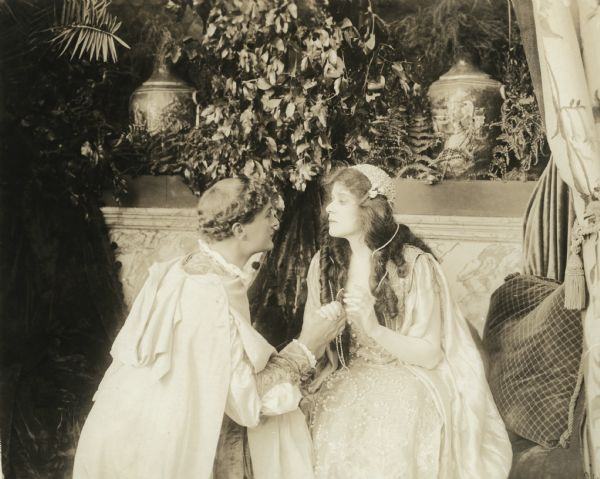
Opposite Bara's incandescent Juliet, Edward Holt's Romeo offers a more conventional, albeit earnest, portrayal of the lovesick Montague. Holt embodies the youthful impetuosity and poetic melancholy of Romeo with a certain grace. His performance, while lacking the revolutionary magnetism of Bara's, provides a solid foundation for the tragic romance. The chemistry between them, though silent, relies heavily on the visual language of yearning glances, desperate embraces, and shared moments of defiant tenderness. The constraints of the silent era meant that the actors had to communicate volumes through their physicality, a skill that Holt demonstrates effectively, particularly in scenes of despair and passionate declaration. Their balcony scene, stripped of Shakespeare's soaring verse, becomes a ballet of desperate longing, where every outstretched hand and every tearful gaze carries the weight of their impossible love. The contrast between Bara's almost world-weary intensity and Holt's youthful ardor creates a dynamic tension that propels the narrative forward.
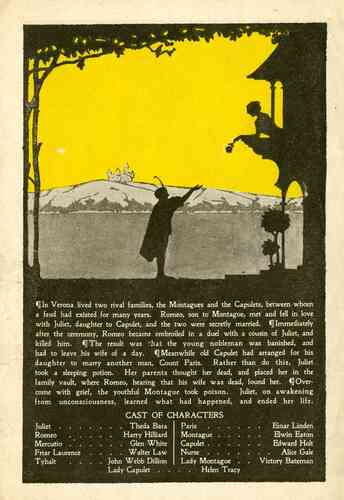
The supporting cast, including Harry Hilliard, John Webb Dillion, and Alice Gale, contribute to the film's overall fabric, each embodying their respective roles with the broad strokes characteristic of silent film acting. Glen White as Mercutio injects a necessary vivacity and wit, making his eventual demise all the more impactful. The visual storytelling, guided by Adrian Johnson's adaptation and direction, often prioritizes clear, dramatic action over nuanced character study, a pragmatic choice given the limitations of the medium. The street brawls between the Montagues and Capulets, for instance, are staged with a certain theatricality, designed to convey the deep-seated animosity without the need for extensive exposition. This approach is reminiscent of the clear-cut good-versus-evil narratives or dramatic conflicts found in adventure serials of the time, though here applied to a more profound dramatic context. The production design, while not lavish by later standards, effectively establishes the Verona setting, using painted backdrops and practical sets to evoke a sense of place. The costumes, too, are period-appropriate, helping to immerse the audience in the world of the play.
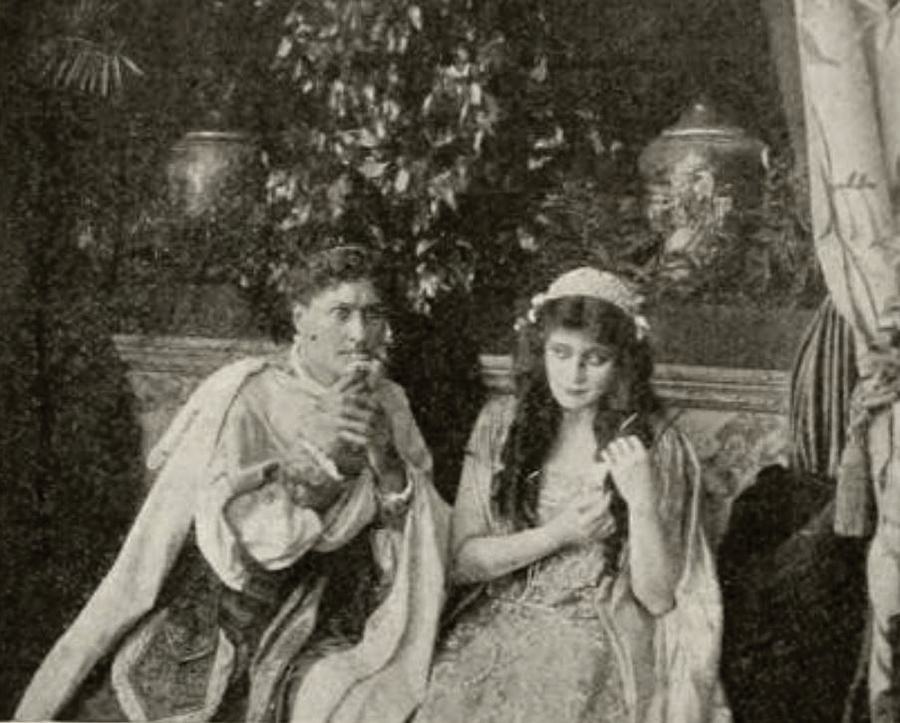
The monumental challenge for any silent film adaptation of Shakespeare lies in conveying the poetic essence of the text. Adrian Johnson, as one of the writers alongside William Shakespeare himself (credited, of course, for the original source material), faced the unenviable task of distilling verbose eloquence into succinct intertitles and compelling visual sequences. The film largely succeeds in translating the core plot points and emotional beats, even if the sublime beauty of Shakespeare's language is, by necessity, absent. The film relies heavily on close-ups to capture emotional intensity and on carefully choreographed group scenes to illustrate the societal conflict. The pacing, though occasionally deliberate by modern standards, allows for the grandeur of the tragedy to unfold, giving weight to each pivotal moment—the fateful meeting, the secret marriage, the duel, the exile, and ultimately, the tomb scene. This deliberate rhythm can be seen in other complex narratives of the era, such as The Moonstone, where intricate plots were unraveled through a series of carefully constructed visual tableaux.
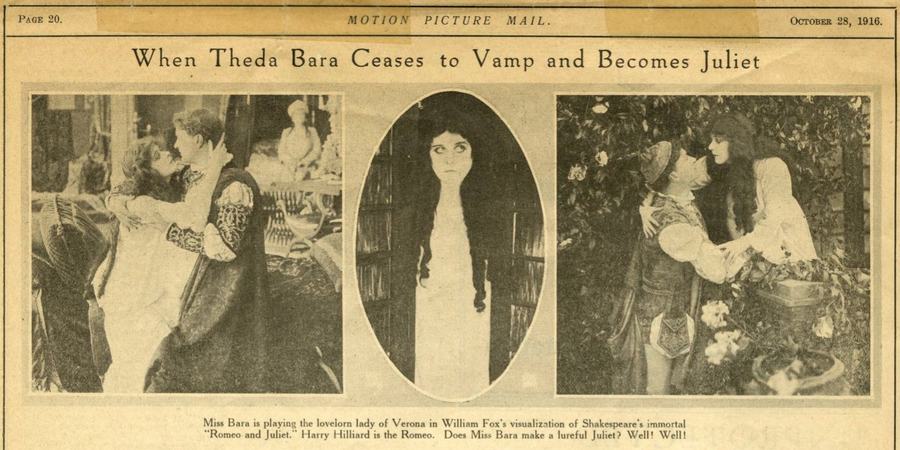
The cinematography of 1916, while rudimentary compared to later developments, still possessed an expressive power. The use of natural light and often static camera positions gives the film a theatrical, almost tableau-like quality. However, there are moments of surprising dynamism, particularly in the action sequences and the dramatic close-ups that emphasize the actors' emotional performances. The film's visual palette, restricted to black and white, relies on contrast and shadow to create mood, a technique perfected in other contemporary works. The limitations of the era meant that complex camera movements or elaborate special effects were largely out of reach, forcing the filmmakers to innovate within their means. This often led to a focus on mise-en-scène and the power of the human face, making the actors' expressions paramount. In this sense, it shares a common DNA with many films of its period, where the raw power of performance held sway. One can draw parallels to the dramatic staging in The Woman Pays, where emotional stakes were conveyed through intense visual acting and carefully composed frames.
Despite the inherent challenges of translating Shakespeare to silent film, the 1916 Romeo and Juliet manages to convey the universal themes of love, hatred, fate, and reconciliation. The tragic climax, where the lovers’ deaths finally bring peace to their warring families, remains profoundly moving, even without the Bard's soaring rhetoric. The visual depiction of their intertwined fates in the tomb, a scene of quiet devastation, speaks volumes. It underscores the ultimate futility of the feud and the devastating cost of entrenched animosity. This narrative arc, where personal sacrifice leads to communal resolution, is a powerful one that resonates across cultures and time, much like the themes explored in films like The Redemption of White Hawk, albeit through different cultural lenses and narrative structures. The film, in its own way, proves that the core emotional truth of Shakespeare's story transcends the medium, finding a new voice in the nascent language of cinema.
Viewed today, the 1916 Romeo and Juliet is more than just a film; it is a vital historical document, illustrating the early ambitions and artistic expressions of Hollywood. It stands as a testament to the pioneering spirit of filmmakers who dared to tackle complex literary works with limited technological means. Theda Bara's portrayal of Juliet, in particular, remains a fascinating study in early screen acting, showcasing her ability to imbue a classical role with her unique, modern sensibility. Her performance alone makes the film worth revisiting for scholars and enthusiasts of silent cinema. It offers a counterpoint to more traditional interpretations, demonstrating the flexibility of Shakespeare's characters in the hands of a charismatic performer. The film's place in the pantheon of early Shakespearean adaptations is secure, influencing subsequent attempts to bring the playwright's work to the screen. Its significance lies not just in its individual merits, but in its contribution to the evolving cinematic language, pushing boundaries and establishing precedents for future storytelling. While it might not possess the fantastical elements of Snow White (also released in 1916) or the thrilling mystery of Fantomas: The Mysterious Finger Print, its dramatic weight and historical importance are undeniable.
The cultural impact of Romeo and Juliet, even in its silent incarnation, cannot be overstated. It served as an introduction to Shakespeare for many who might not have engaged with the written play, translating the timeless narrative of star-crossed lovers into a universally accessible visual medium. The themes of generational conflict, the destructive nature of prejudice, and the redemptive power of sacrifice resonate as strongly today as they did in Elizabethan England or in 1916 America. The film's ability to communicate these profound ideas without dialogue speaks volumes about the power of cinematic art in its infancy. It reminds us that fundamental human experiences—love, loss, anger, forgiveness—are conveyed not just through words, but through the universal language of emotion and action. This adaptation, therefore, contributes to the enduring legacy of Shakespeare, demonstrating his work's remarkable capacity for reinterpretation across different artistic forms and historical periods. It is a cinematic bridge, connecting the literary past with the evolving future of storytelling, a silent symphony of passion and despair that still echoes in the annals of film history. The film, much like a carefully preserved artifact, offers a window into the artistic sensibilities and societal values of its time, while simultaneously engaging with themes that remain perpetually relevant.
IMDb 6.6
1932
Community
Log in to comment.