DbcultAccessing Vault...
6.3/10
Senior Film Conservator
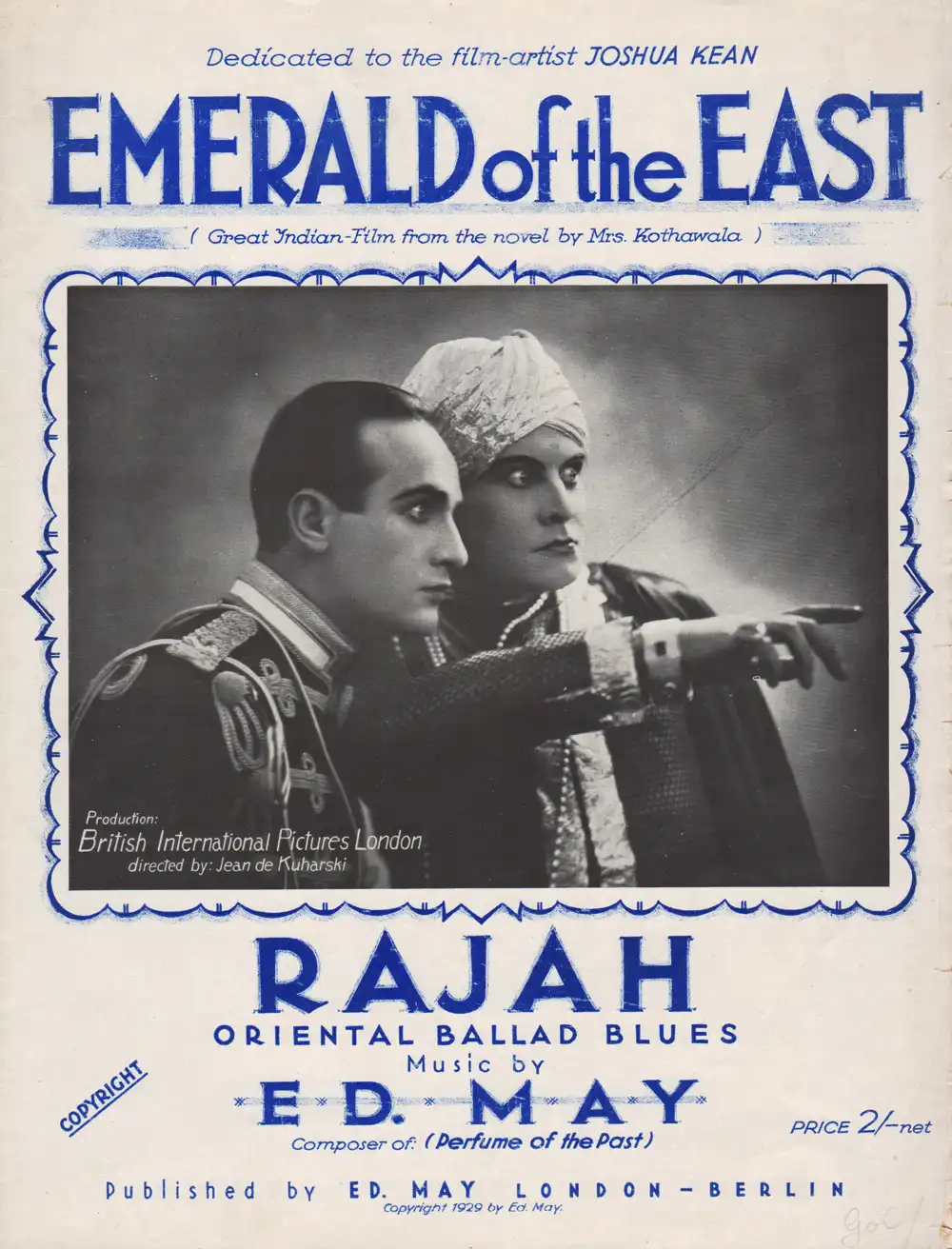
A definitive 6.3/10 rating for a film that redefined the boundaries of cult cinema. Emerald of the East remains a cornerstone of transgressive art.
So, Emerald of the East isn’t exactly a lost classic you need to drop everything for. If you’re really, really into old adventure films, the kind with slightly stiff upper lips and sets that feel a bit dusty, it might hit a sweet spot. For everyone else? Probably a skip. It’s… a film, for sure.
The premise is simple enough: some British soldiers need to rescue a maharajah’s kid from rebels. Seems like a pretty standard setup, right? And it mostly plays out that way.
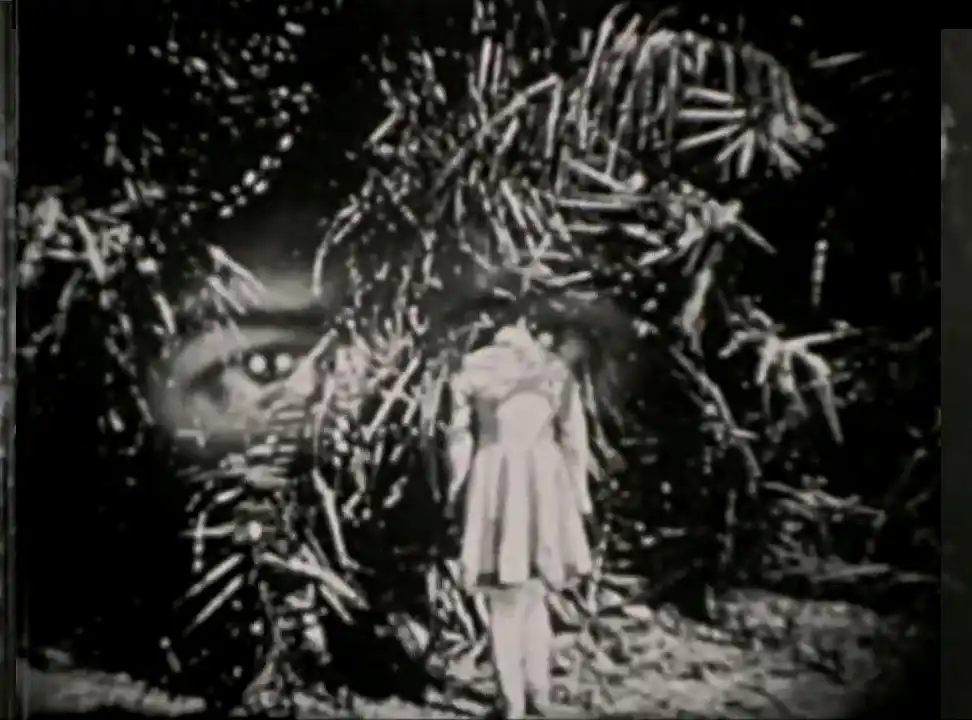
One thing that kinda sticks with you is the march. The British unit, all proper in their uniforms, just keeps marching through what’s supposed to be treacherous terrain. They look remarkably clean for most of it. It’s almost comical, like they’re on a very long, very serious parade. No dust. No sweat. Just… marching.
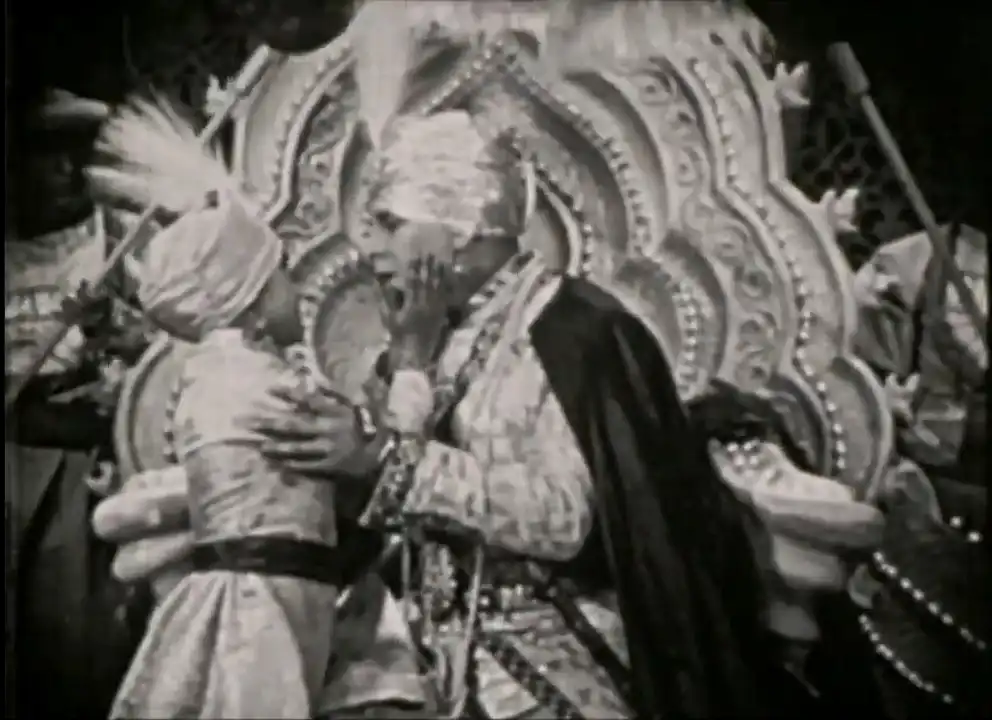
Promoth Bose, as the kidnapped maharajah’s son, mostly just looks worried. Which, honestly, fair enough. He spends a lot of time being led around or tied up. You really feel for the guy; his main job is to be distressed. 😬
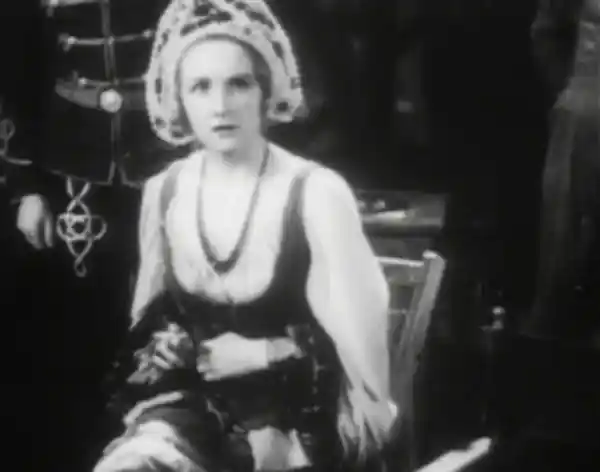
Then there’s Mary Odette. Her character pops up here and there, usually looking concerned or delivering a line with a certain earnestness. She doesn’t get a ton to do, but her presence definitely feels like it’s supposed to add some emotional weight. Sometimes it lands, sometimes it just feels like she’s waiting for her next cue.
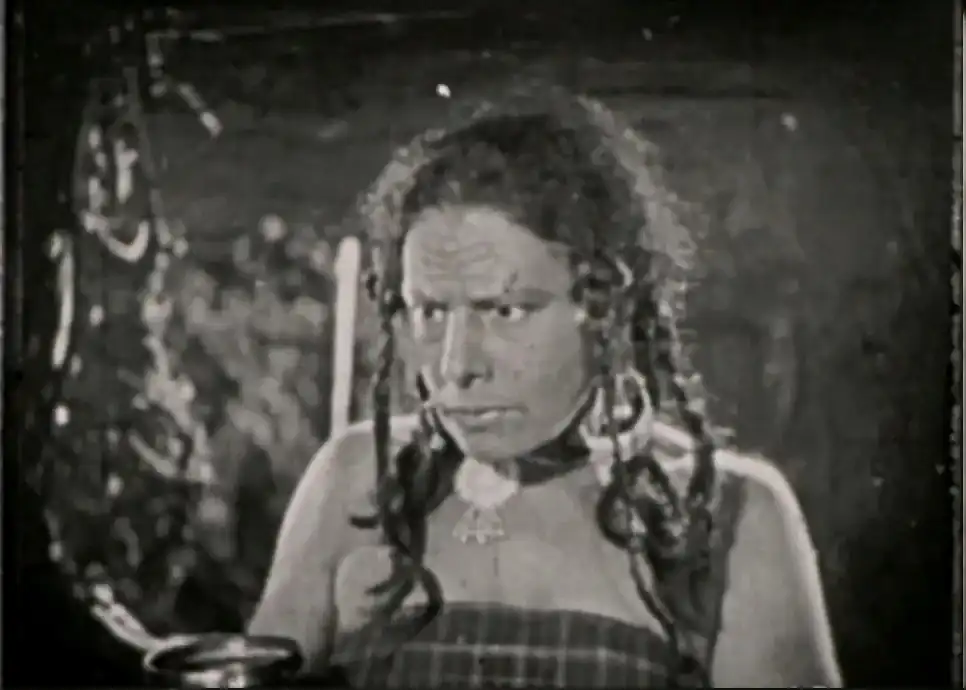
The rebel group, who are supposed to be these dangerous, unpredictable antagonists, often look a bit too orderly. Like they had a meeting about where to stand for each shot. Their leader, played by Jean de Kuharski, has a certain theatrical flair, all grand gestures and stern looks. He’s definitely trying to be menacing, bless him.
The pacing is a bit of a mixed bag. Some scenes really drag, especially when the soldiers are just… walking. And then the actual rescue, when it finally happens, feels a little rushed. Like they suddenly remembered they had to wrap things up. It’s an interesting contrast.
There’s a moment where a character tries to sneak past a guard, and the tension is supposed to be palpable. But the way the guard turns his head, so slowly, so deliberately, it almost feels like he’s in on the joke. You can almost feel the movie trying to convince you this moment matters. 🤔
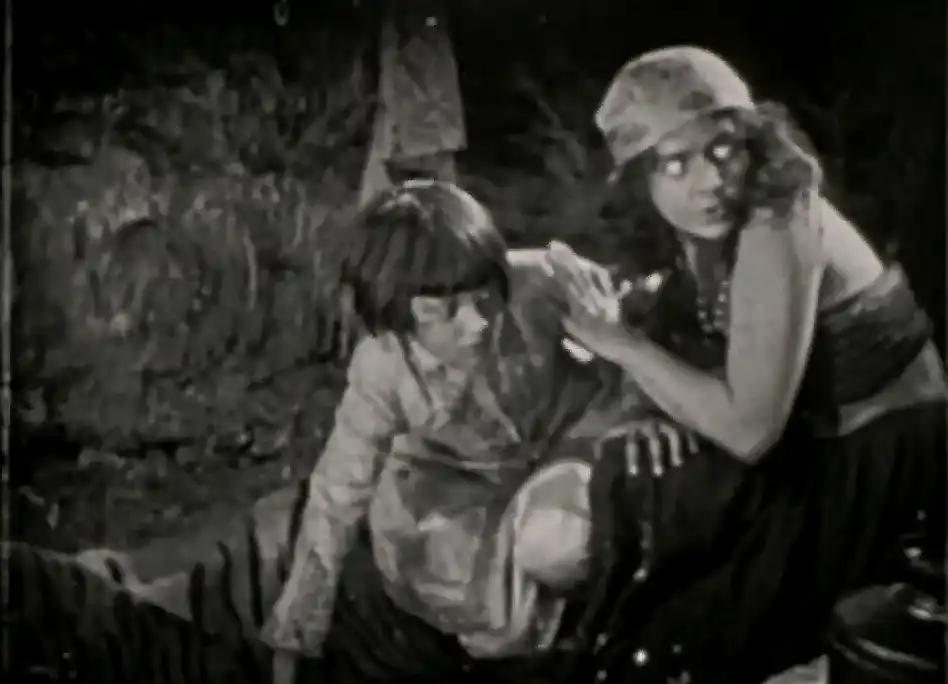
Kenneth Rive, one of the British officers, has this very particular way of delivering lines. It's not bad, just very... precise. Every word enunciated, like he’s making sure everyone, even those in the back row, gets the message. It's a style you don't see much anymore.
One small detail that stood out: the 'emerald' itself, which is mentioned in the title. It’s not really a big focus, just kinda there in the background. You might even forget about it until someone casually brings it up again. It feels less like a treasure and more like a macguffin that got a little lost in the shuffle.
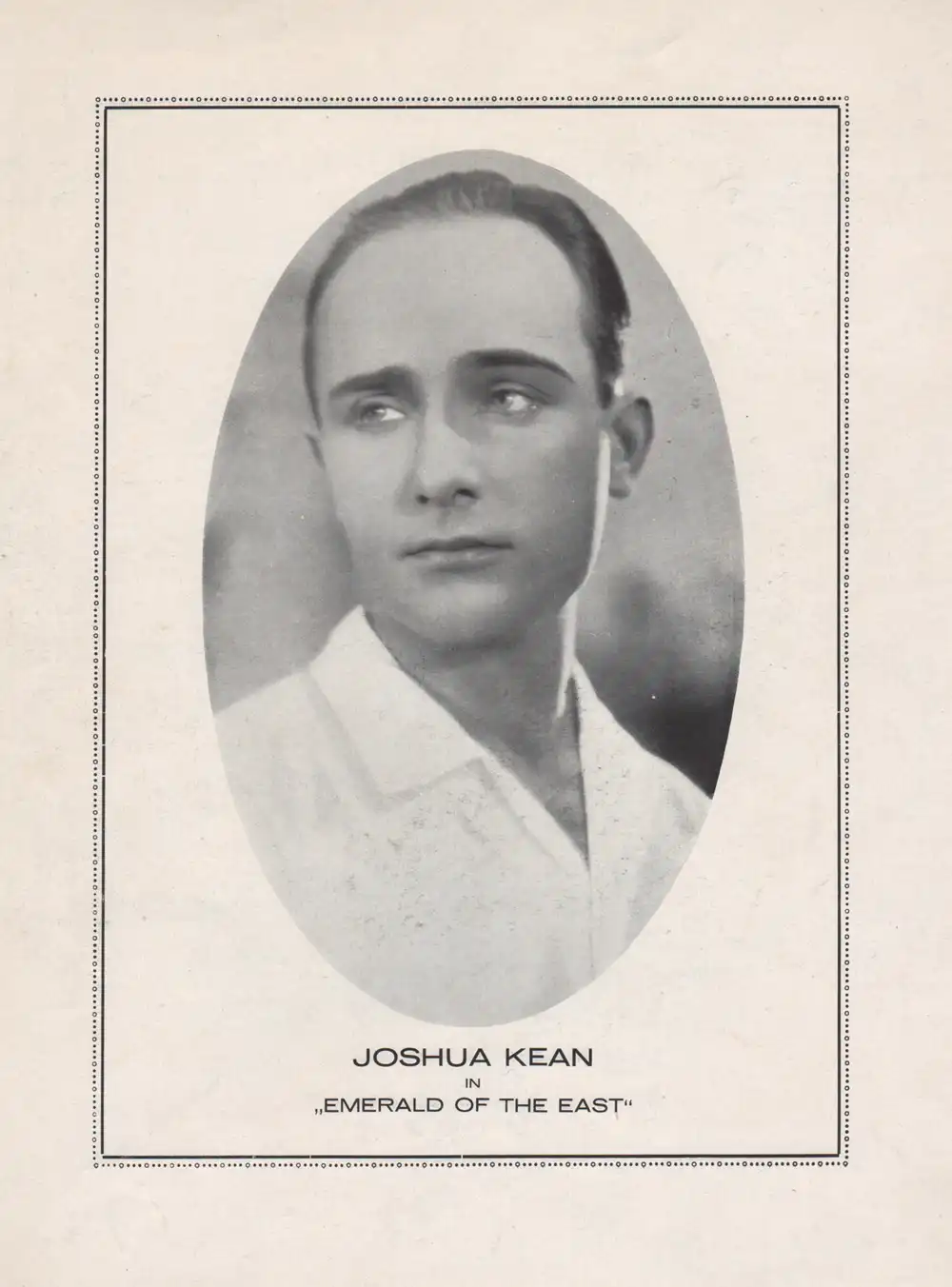
Honestly, the most memorable bits are often the slightly awkward ones. The way a horse handler looks directly into the camera for a split second. Or how a fight scene suddenly cuts away just as things are getting 'exciting'. It adds a certain unintended charm, almost.
So, no, this isn’t going to change your life. But if you’re curious about how adventure films were made a long time ago, with all their quirks and earnest efforts, then Emerald of the East offers a glimpse. Just don’t expect a rollercoaster. It’s more of a gentle, slightly bumpy cart ride. 🤷♀️
IMDb 5.5
1934
Community
Log in to comment.