DbcultAccessing Vault...
Cult Review
Senior Film Conservator
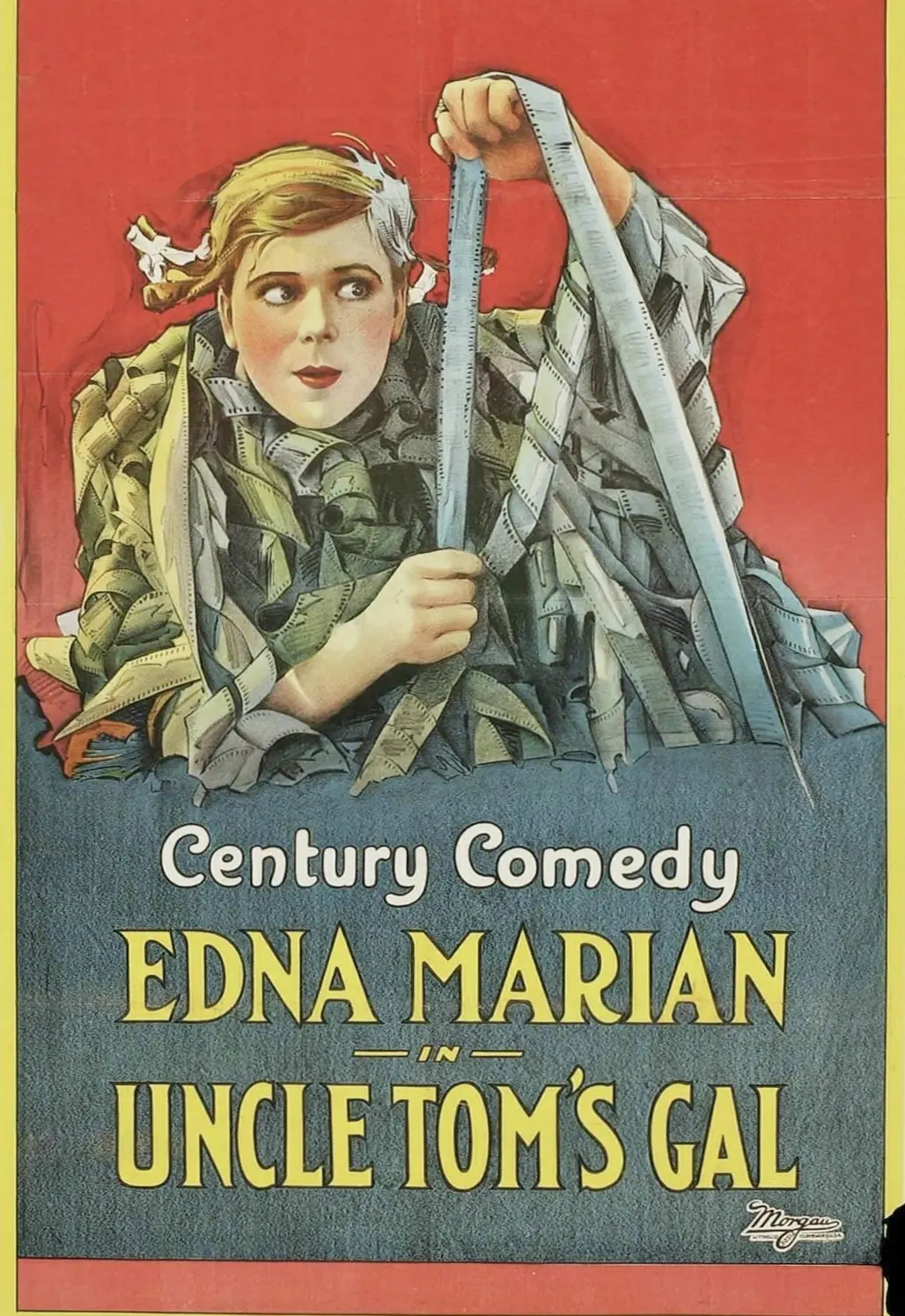
Is 'Uncle Tom's Gal' worth watching today? Short answer: yes, but with significant caveats that demand a specific kind of cinephile. This film is a curious artifact, a silent comedy that serves less as a cohesive narrative and more as a historical document of early cinematic ambition and comedic sensibilities.
It's for historians, silent film enthusiasts, and those fascinated by the meta-narrative of filmmaking itself. It is emphatically not for audiences seeking modern comedic pacing, sophisticated storytelling, or a faithful adaptation of its source material.
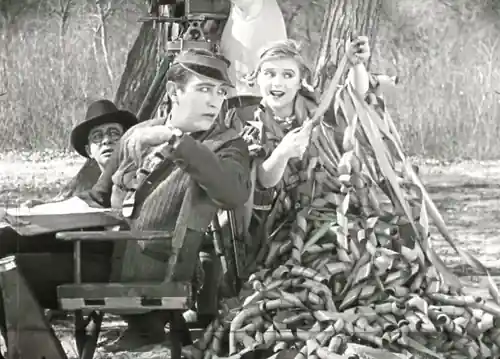
This film works because it offers a unique, meta-commentary on early film production and the nascent dream of stardom. Its sheer audacity in reinterpreting a classic is compelling, providing a rare glimpse into the irreverent spirit of silent-era comedy that often blurred the lines between satire and slapstick. The underlying premise, an amateur stumbling into the chaotic world of movie-making, resonates even a century later, tapping into a timeless fantasy.
This film fails because its humor is deeply dated, often relying on broad physical comedy that struggles to translate across a century. The narrative, while clever in concept, is thin in execution, feeling more like a series of sketches loosely strung together than a coherent story. The technical limitations of its era, while understandable, also contribute to a viewing experience that can feel sluggish and visually uninspired to modern eyes.
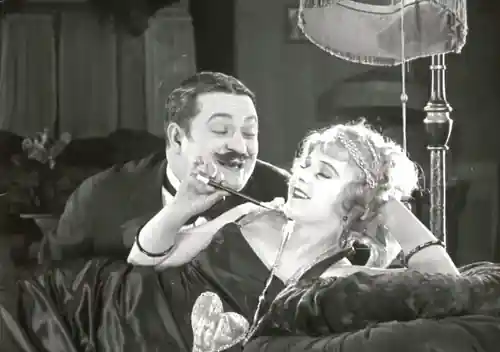
You should watch it if you possess an academic interest in silent cinema, a tolerance for period-specific humor, and a desire to witness a truly unconventional take on a literary classic. It’s a valuable piece of cinematic archaeology, revealing much about the industry's formative years and the experimental spirit that defined them. However, approach it with the understanding that its primary appeal is historical rather than purely entertaining.
The premise of 'Uncle Tom's Gal' is, frankly, audacious. Taking Harriet Beecher Stowe's monumental abolitionist novel, 'Uncle Tom's Cabin', and reframing its production through a comedic lens is a bold move for any era. Here, the 'adaptation' is less about fidelity to the source and more about the chaotic process of filmmaking itself, a meta-narrative that feels surprisingly modern.
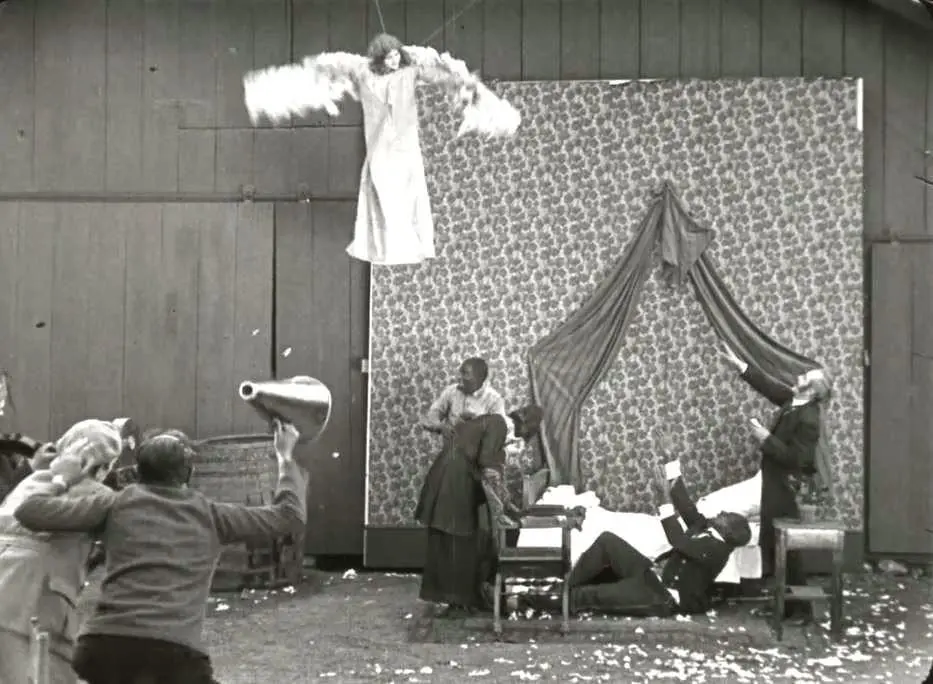
Dolly, our farmer maiden, embodies the universal longing for something more than her rural existence. Her dreams of screen stardom are the driving force, a simple yet potent desire that anchors the film’s otherwise sprawling, episodic structure. When a film company arrives to shoot their version of the classic on her farm, it’s less an opportunity for a grand cinematic statement and more an immediate, localized disruption.
The film cleverly sidesteps the potentially problematic racial politics of 'Uncle Tom's Cabin' by focusing on the farce of its production. The decision to cast Dolly, a white actress, in multiple lead roles—Little Eva, Topsy, and Eliza—is a product of its time, but also serves the comedic conceit of amateurism run wild. It's a logistical nightmare played for laughs, a single performer attempting to embody disparate, iconic characters with varying degrees of success.
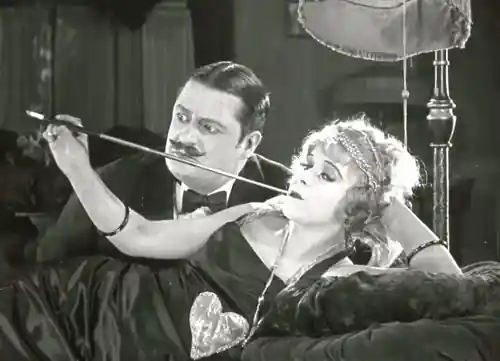
The 'laughable sequences' described in the plot are the film's comedic engine. We see glimpses of a profoundly unconventional 'Tom' show emerging, one where the dramatic gravitas of the original is completely subsumed by the slapstick of its creation. One can imagine the frantic attempts to switch costumes, the exaggerated gestures demanded by silent film acting, and the inevitable mishaps that would accompany such a multi-role performance.
This reinterpretation isn't just about humor; it’s about the very nature of early film as a medium of playful experimentation. It wasn't yet burdened by the rigid conventions of later Hollywood. There was a freedom, a willingness to try anything, even if it meant turning a revered literary work into a vehicle for broad comedy and a star vehicle for a nascent talent. The film’s narrative arc, culminating in Dolly's accidental destruction of the 'masterpiece,' is a darkly comedic punchline, a commentary on the fleeting, fragile nature of early cinema itself.
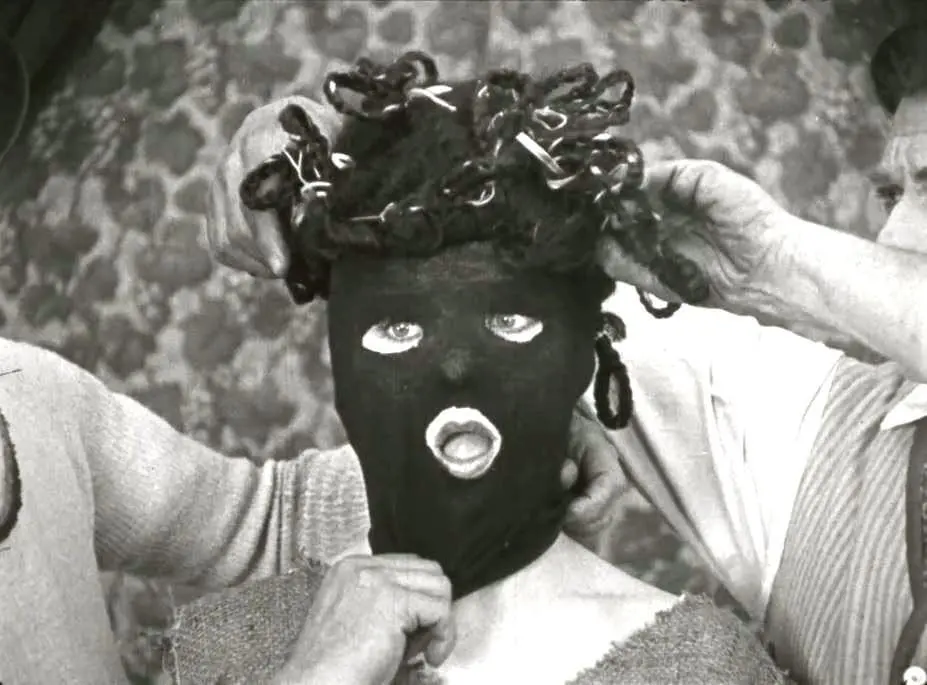
Edna Marion, as Dolly, carries the comedic weight of 'Uncle Tom's Gal'. Her performance isn't just a single role; it's a multi-faceted exercise in physical comedy and character differentiation. Taking on Little Eva, Topsy, and Eliza simultaneously demands a certain elasticity, a rapid-fire shift in persona that must have been a logistical challenge even for a seasoned silent film actor.
Marion's portrayal of Dolly's initial yearning for stardom is genuinely endearing. She captures that wide-eyed innocence, the dream projected onto the silver screen. It's a universal aspiration, and Marion sells it with a charming earnestness that makes her subsequent comedic blunders all the more effective. Her face, a canvas for the exaggerated expressions of the silent era, conveys both ambition and bewildered amusement.
The challenge for Marion, and indeed for the film itself, is to make these rapid character changes distinct enough for the audience to follow. While the plot summary indicates 'laughable sequences,' it's Marion's ability to embody the childlike innocence of Eva, the mischievousness of Topsy, and the desperate flight of Eliza, often within short bursts, that would define the film's success. This is where the film either soars as a clever showcase or fal
IMDb 6.9
1923
Community
Log in to comment.