DbcultAccessing Vault...
7.2/10
Senior Film Conservator
A definitive 7.2/10 rating for a film that redefined the boundaries of cult cinema. Enis Aldjelis, die Blume des Ostens remains a cornerstone of transgressive art.
The cinematic tapestry woven by Ernst Marischka in Enis Aldjelis, die Blume des Ostens is nothing short of an opulent spectacle, a grand romantic drama that, even decades after its initial release, continues to enchant with its lavish production design, compelling performances, and a narrative that delves deep into the complexities of love, power, and cultural identity. It is a film that, while undeniably a product of its time in its exoticized portrayal of the East, manages to transcend mere orientalist fantasy through the sheer force of its emotional core and the meticulous craftsmanship evident in every frame. Marischka, celebrated for his ability to conjure worlds of historical grandeur and heartfelt emotion, truly outdid himself here, crafting a narrative that feels both intimately personal and sweepingly epic.
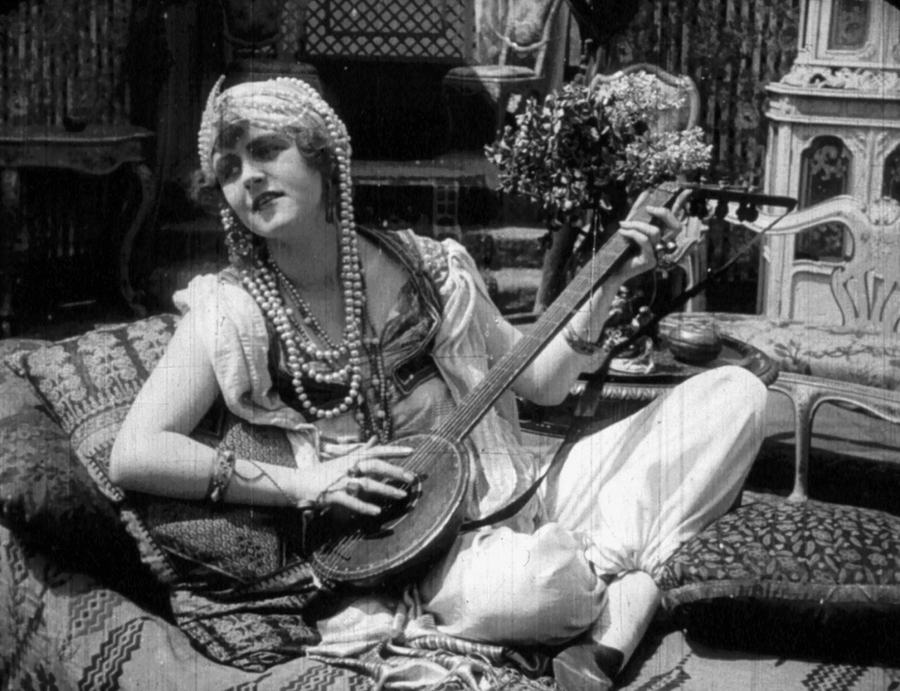
From the very first lingering shot, the audience is transported to a vibrant, almost mythical North African sultanate, a land bathed in the golden hues of tradition and simmering with the nascent fires of change. This setting is not merely a backdrop; it is a character in itself, breathing life into the conflicts and aspirations of its inhabitants. The central figure, Enis Aldjelis, brought to life with breathtaking grace and profound depth by Lilly Marischka, is introduced as a dancer whose artistry transcends mere entertainment. Her movements are poetry, her presence a magnet, drawing the gazes and desires of all who behold her. She embodies a spirit of untamed beauty and an intuitive understanding of the human heart, making her both revered and dangerously vulnerable.
The political landscape of the sultanate is meticulously rendered, portraying a society at a crossroads. Sultan Murad, played with a captivating blend of youthful idealism and regal authority by Theodor Weiß, represents the progressive faction. He envisions a modernized nation, one that can embrace the future without entirely abandoning its rich heritage. His fascination with Enis is not merely carnal; it is an admiration for her unburdened spirit, a quality he perhaps yearns for in his own constrained existence. Their burgeoning affection, however, sets them on a collision course with the formidable Grand Vizier Hassan, a character masterfully inhabited by Georg Reiner-Halm. Hassan is the immovable pillar of tradition, a man whose every utterance and gesture exudes an unwavering commitment to the old ways, viewing any deviation, especially one personified by a dancer, as a direct affront to the very fabric of their society. The tension between Murad's progressive leanings and Hassan's rigid conservatism forms the narrative's bedrock, a conflict that resonates with timeless relevance.
The arrival of Baron von Kessel, portrayed by Robert Stark with an intriguing blend of diplomatic charm and calculating self-interest, adds another layer of complexity to this already intricate web. As a European envoy, he symbolizes the encroaching influence of the West, and his immediate infatuation with Enis is not just a personal desire but a strategic maneuver. He sees her as a potential leverage point, a means to further his own nation's interests within the sultanate. This geopolitical dimension elevates the personal drama to a broader commentary on colonialism, cultural exchange, and the often-unintended consequences of external intervention. The film, through these interwoven relationships, becomes a poignant exploration of how individual lives become inextricably linked to the grander currents of history.
The ensemble cast delivers performances that are uniformly excellent, each actor contributing to the rich tapestry of the narrative. Lilly Marischka, as Enis, is particularly luminous. Her portrayal transcends the typical damsel in distress archetype, imbuing Enis with an inner strength and a profound sense of self that makes her choices, however tragic, feel authentic and earned. Her dance sequences are not merely decorative; they are integral to her character, expressing emotions and narratives that words alone cannot convey. Theodor Weiß brings a commendable gravitas to Sultan Murad, showcasing the burden of leadership and the vulnerability of a man torn between duty and desire. Georg Reiner-Halm's Hassan is a magnificent antagonist, not purely evil but deeply principled in his own distorted way, making his opposition to Enis and Murad all the more compelling. The nuanced performances prevent the characters from devolving into caricatures, ensuring that their struggles resonate with genuine human pathos.
Paul Olmühl and Robert Stark, in their respective roles, further enrich the narrative landscape. Olmühl, perhaps as a loyal confidante or a rival suitor, brings an additional layer of courtly intrigue, his character's motivations adding a subtle complexity to the existing power dynamics. Stark's Baron von Kessel is a fascinating study in colonial ambition cloaked in aristocratic politesse, his suave exterior barely concealing a calculating mind. The interplay between these characters creates a dynamic and believable world, where every glance, every whispered word, carries significant weight.
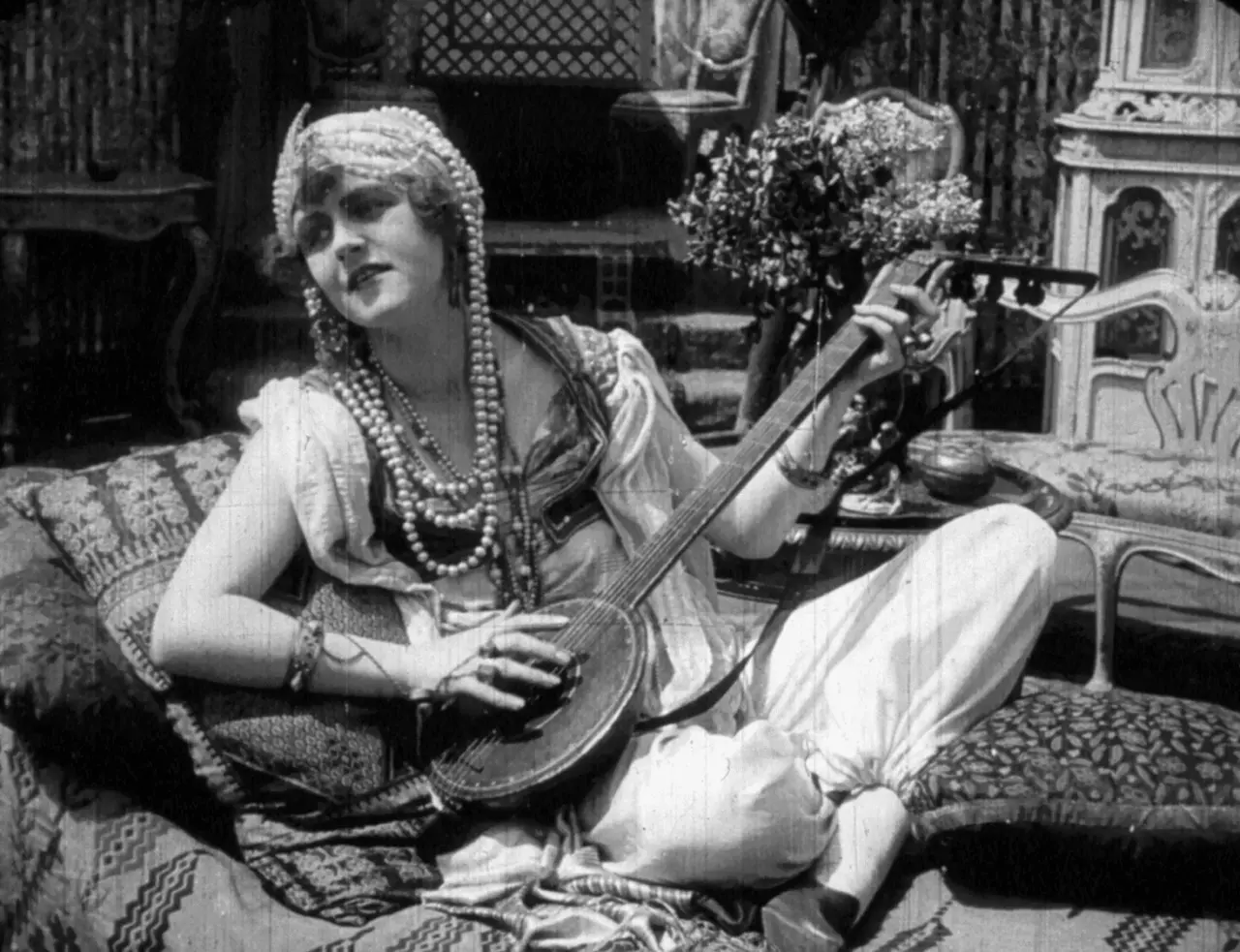
Marischka’s directorial prowess is evident in every frame. The cinematography is breathtaking, capturing the architectural grandeur of the sultanate, the vibrant colors of the marketplace, and the intimate emotional nuances of the characters with equal skill. The use of light and shadow, particularly in the interior scenes and during Enis's performances, creates a palpable atmosphere, enhancing the dramatic tension. The costumes are exquisitely designed, reflecting both the historical period and the individual personalities of the characters, adding another layer of visual richness to the film. One cannot help but draw comparisons to the sweeping historical epics of the era, such as Napoleon, in terms of its ambition and meticulous attention to period detail, though Marischka's film focuses on a more intimate, romantic struggle within its grand setting.
Beyond its visual splendor, Enis Aldjelis is a film rich in thematic resonance. It explores the perennial conflict between tradition and modernity, a struggle that often demands personal sacrifice. Enis herself becomes a symbol of this conflict, her very existence challenging the established norms while simultaneously being exploited by those who seek to maintain or reshape them. The film also delves into the nature of love in a world dictated by political expediency. Is true affection possible when one is a pawn in a larger game? The narrative doesn't offer easy answers, instead opting for a bittersweet realism that acknowledges the harsh realities of power. The themes of personal freedom versus societal expectation are powerfully evoked, echoing the struggles seen in films like The Price She Paid or The Natural Law, though here set against a backdrop of exotic allure and imperial ambition.
The narrative’s progression is a masterclass in building tension and emotional stakes. Enis finds herself increasingly isolated, her choices dictated by forces far greater than her personal desires. The initial allure of court life slowly gives way to its suffocating realities. The film meticulously charts her journey from an admired artist to a tragic figure caught between conflicting loyalties – her love for Murad, her respect for her own artistic integrity, and the manipulative demands of Hassan and von Kessel. This slow burn of impending doom is expertly handled, allowing the audience to fully invest in Enis’s plight before the inevitable climax. The climax itself is a powerful culmination of all the preceding conflicts, forcing Enis into a decision that will irrevocably alter her destiny and the fate of the sultanate. It is a moment of profound emotional weight, executed with a dramatic flair that ensures its lasting impact. The film, in its portrayal of individual agency against overwhelming odds, subtly reminds one of the courageous spirit found in characters struggling against fate, much like those in Gengældelsens ret, though the societal pressures and romantic stakes here are unique.
Marischka's direction ensures that even amidst the grandeur, the human element remains at the forefront. He understands that the most compelling stories are those that resonate on a personal level, even when set against a backdrop of epic proportions. The film’s pacing is deliberate, allowing moments of quiet introspection to breathe alongside scenes of bustling court activity and dramatic confrontation. This balance is crucial in preventing the film from becoming merely a series of lavish set pieces. Instead, it maintains a consistent emotional rhythm that guides the viewer through the intricate plot with unwavering engagement. The emotional intensity and meticulous character development are reminiscent of the best character-driven dramas, allowing the audience to deeply empathize with the predicaments faced by the protagonists.
While the film’s portrayal of the 'Orient' might be viewed through a nostalgic, romanticized lens by contemporary audiences, it is important to contextualize it within the cinematic conventions of its era. Marischka’s intention was clearly to create a world of beauty and drama, rather than a documentary-like depiction. And in that, he undeniably succeeded. The film stands as a testament to the power of grand storytelling, where exotic locales serve to amplify universal human emotions and dilemmas. It is a work that, like Maciste atleta in its own spectacular way, uses its setting to create a world larger than life, captivating the imagination with its sheer scale and ambition.
The enduring appeal of Enis Aldjelis, die Blume des Ostens lies not just in its visual grandeur or its powerful performances, but in its ability to tell a story that, despite its specific historical and cultural setting, speaks to universal truths about love, sacrifice, and the relentless march of progress. It is a film that invites repeat viewings, each time revealing new layers of meaning, new subtleties in performance, and new appreciation for Marischka’s masterful direction. For those who appreciate classical cinema that combines sweeping romance with intricate political drama, this film remains an essential watch, a vibrant bloom in the garden of cinematic history. It offers a rich, immersive experience, a journey into a world where passion and peril intertwine with breathtaking elegance. The film’s final moments, steeped in a poignant melancholy, leave an indelible impression, urging contemplation on the nature of destiny and the echoes of choices made in the crucible of love and power.
Ultimately, Enis Aldjelis, die Blume des Ostens transcends its genre trappings to offer a resonant commentary on the human spirit's resilience amidst external pressures. It's a testament to the fact that even in an era of grand cinematic gestures, character and emotional depth could shine through. The film’s lasting legacy is its ability to transport, to provoke thought, and to stir the heart, making it a timeless entry in the annals of romantic historical drama. Its narrative complexity and the emotional weight carried by its central figure, Enis, elevate it beyond simple melodrama, positioning it as a thoughtful exploration of identity and self-determination in a world constantly seeking to define and confine. Marischka’s vision here is not merely escapist; it is an invitation to ponder the intricate dance between individual will and the currents of history, leaving the viewer with a profound sense of both beauty and tragedy.
IMDb —
1915
Community
Log in to comment.