DbcultAccessing Vault...
6.7/10
Senior Film Conservator
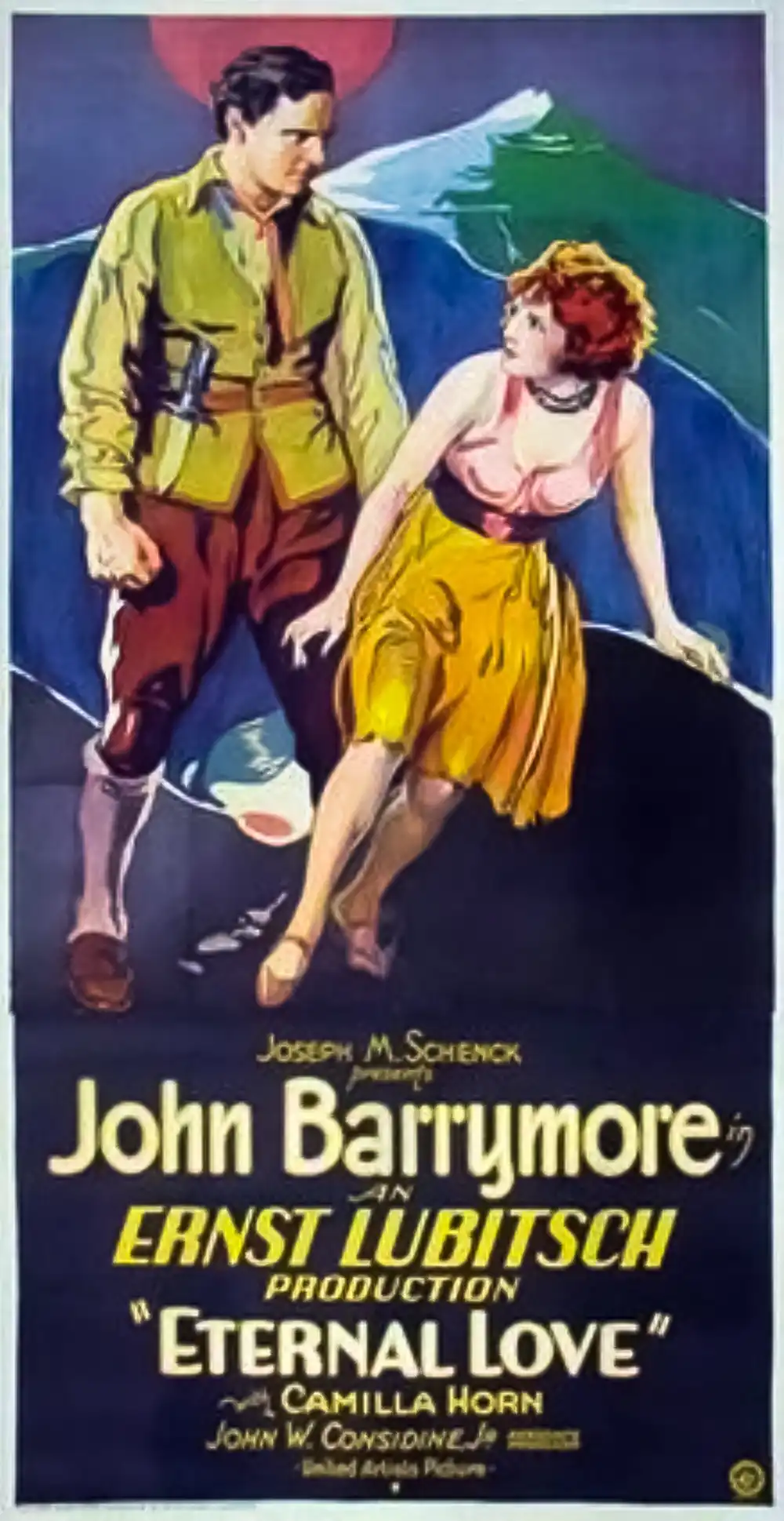
A definitive 6.7/10 rating for a film that redefined the boundaries of cult cinema. Eternal Love remains a cornerstone of transgressive art.
'Eternal Love,' from way back in 1929, is a silent film, clear enough. If just hearing 'silent film' makes your eyes glaze over, honestly, you can probably skip this one. But for those who enjoy a bit of old-school melodrama and appreciate the visual storytelling of that era, especially if you're curious about early John Barrymore, there's something here. It’s definitely not for folks who need snappy dialogue or modern pacing.
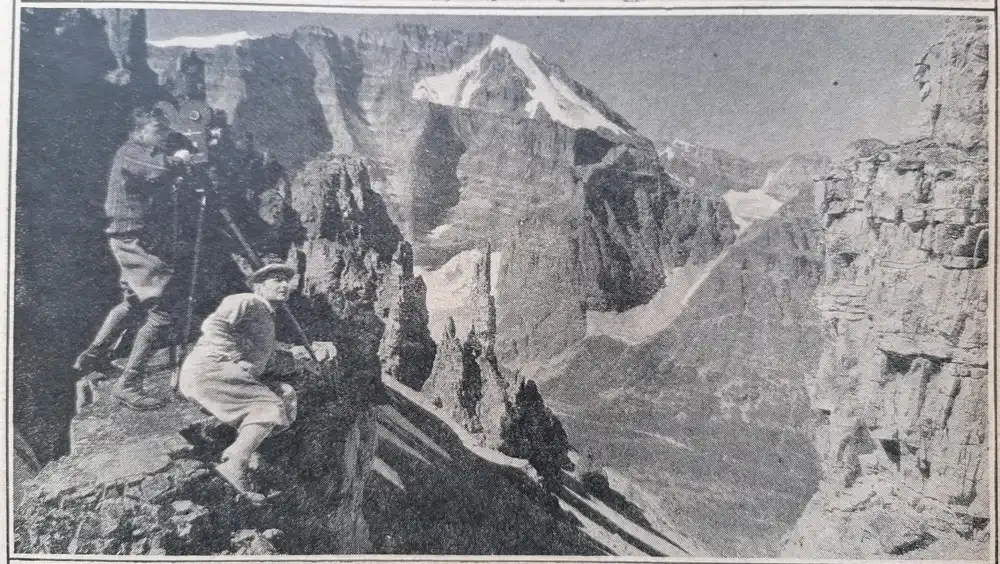
This whole thing plays out in the early 19th century Swiss Alps, which looks just gorgeous, even in black and white. You can almost feel the mountain air, even though it’s, you know, a black and white film. The setting itself feels like another character, all grand and imposing, kind of reflecting the huge, impossible love story happening.

John Barrymore is at the center of it as this hunter, Marcus. He has this way of looking at Camilla Horn's character, Ciglia, that just screams *intensity*. Their initial scenes, before everything goes wrong, have a real spark to them. You feel their connection even without a single word being spoken. That’s the magic of silent film, sometimes.
Then the local traditions, all rigid and strict, just crash into their lives. They are pretty much forced into these terrible marriages. Marcus ends up with a woman, Pia (played by Mona Rico), who seems perfectly nice, but he just can’t look at her without thinking of Ciglia. And Ciglia, well, she’s married off to this old, slightly creepy villager, Lorenz, played by Victor Varconi. It’s just heartbreaking to watch her try to make the best of it.
There's this moment when Marcus sees Ciglia after they’ve both been married, and the way he just *stops*. His whole body language shifts. It’s a very small thing, but it says so much about how utterly miserable he is. You really feel the weight of their choices, or rather, the choices made *for* them.
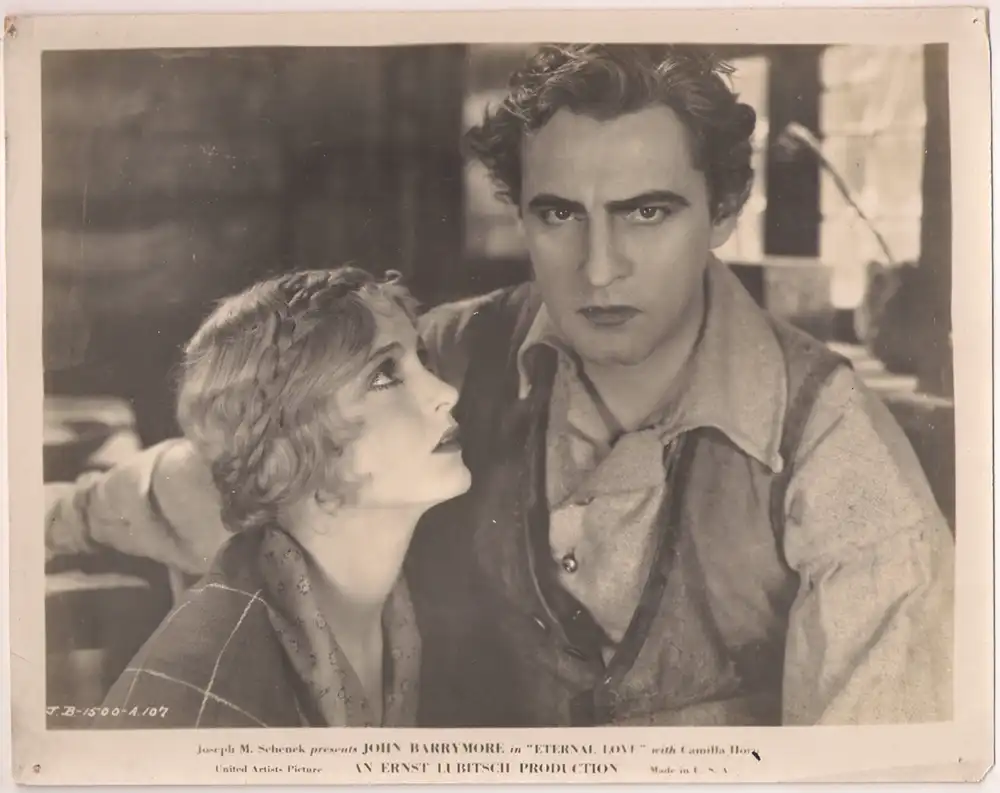
The film really leans into the tragic side of things. It's not a happy-go-lucky kind of story. The intertitles, the bits of text on screen, often hit you with some pretty heavy declarations about fate and suffering. One particular title card about 'a love stronger than any vow' felt a little on-the-nose, but it does sum up their dilemma.
I found myself really paying attention to the smaller gestures. A hand reaching out, a lingering look across a crowded room. These are the things that carry the story. Barrymore, especially, knows how to use his face. Sometimes it’s a bit much, a tad theatrical by modern standards, but it works for the era. Camilla Horn also has this wonderful ability to convey deep sadness without overacting.
There's a scene near the end involving a snowstorm, and it just feels *brutal*. The elements kind of mirror the characters' inner turmoil. It gets pretty dramatic, with some real peril. The tension builds pretty well there, actually, I thought.
It’s not a perfect movie. Some of the plotting feels a bit, well, inevitable and maybe a little rushed in parts. You can almost feel the story pushing them toward their unhappy endings. But for a film from 1929, it holds up pretty well if you're in the right mood. It’s certainly a snapshot of a particular style of filmmaking, and a reminder of how powerful non-verbal acting can be.
The ending. Hmm. It happens. It’s definitely a product of its time in how it resolves everything. It feels… fitting, I guess, for a story so steeped in the idea of unavoidable destiny. You won't walk away feeling uplifted, that's for sure. But you might feel a little bit more for these poor souls in the mountains.
IMDb —
1917
Community
Log in to comment.