DbcultAccessing Vault...
5.9/10
Senior Film Conservator
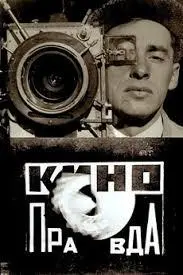
A definitive 5.9/10 rating for a film that redefined the boundaries of cult cinema. Kino-pravda no. 23 - Radio pravda remains a cornerstone of transgressive art.
Can a century-old Soviet newsreel still captivate a modern audience? Short answer: yes, but with significant caveats. Kino-pravda no. 23 - Radio pravda is not entertainment in the contemporary sense, but it is an invaluable historical document and a profound lesson in cinematic theory. It's a challenging watch, demanding patience and an appreciation for the origins of documentary filmmaking.
This film is absolutely for film historians, students of Soviet culture, and anyone fascinated by the foundational experiments of cinema. It is emphatically not for casual viewers seeking a conventional plot, high production values, or escapist entertainment. Its rewards are intellectual and historical, not visceral.
Dziga Vertov’s Kino-pravda no. 23 - Radio pravda stands as more than just a relic; it is a foundational text in the grammar of moving images. Created in the crucible of post-revolutionary Russia, this installment of the famed 'Kinoks' series, a collaborative effort with Elizaveta Svilova and Mikhail Kaufman, wasn't merely reporting the news. It was actively forging a new reality, a visual testament to the burgeoning Soviet state and its people.
To approach this film expecting a conventional narrative is to fundamentally misunderstand its purpose. This is cinema as a tool, a hammer shaping perceptions, a mirror reflecting a carefully curated vision of progress and struggle. It is raw. It is unapologetic. And it is, for better or worse, utterly essential for understanding the trajectory of 20th-century filmmaking.
The 'Kino-pravda' series, literally 'film-truth,' was Vertov's radical answer to the perceived artifice of narrative cinema. He believed in capturing 'life unawares,' stripping away theatricality to present an authentic, albeit ideologically filtered, reality. Kino-pravda no. 23 - Radio pravda exemplifies this philosophy, documenting Russian life in the early 1920s with an almost anthropological fervor.
We are shown a mosaic of scenes: bustling marketplaces, agricultural workers toiling in fields, the construction of new infrastructure, and, crucially, the nascent integration of radio technology into everyday life. One segment, for instance, might juxtapose the stark simplicity of rural existence with the modern marvel of a radio broadcast being received in a collective farm, a clear visual metaphor for progress under the new regime.
These aren't just random snippets; they are carefully selected and sequenced to build a specific ideological argument. The 'truth' presented is less about objective reality and more about a constructed, revolutionary truth. It's a fascinating paradox: the pursuit of unvarnished reality in service of a very specific, often propagandistic, agenda.
The film offers an invaluable window into a society in flux, capturing the faces of a people caught between tradition and a rapidly enforced modernity. The expressions, the attire, the environments – they are all authentic fragments of a bygone era, preserved not just as historical records but as components of a grand cinematic experiment.
Dziga Vertov, often credited as the film's director, was more accurately its chief ideologue and editor, orchestrating the vision that Mikhail Kaufman's camera captured and Elizaveta Svilova’s editing sculpted. The 'Kinoks' collective rejected scripted narratives, instead championing the 'Kino-Eye' – the camera's ability to see and organize the world in a way the human eye cannot.
The cinematography in Kino-pravda no. 23 - Radio pravda is raw and immediate. Kaufman's camera is often handheld, dynamic, and unafraid to capture mundane moments. There's a persistent sense of urgency, of capturing history as it unfolds. We see innovative angles, close-ups that reveal the texture of everyday objects, and wide shots that convey the scale of collective labor.
Consider the way Vertov and his team use montage. Instead of smooth transitions, they employ jarring cuts, rhythmic repetition, and stark contrasts to create meaning. A sequence showing the construction of a radio tower might rapidly intercut shots of workers, gears turning, and the tower slowly ascending, not just showing the process but evoking the energy and collective will behind it. This wasn't merely editing; it was the creation of a new cinematic language, one that prioritized impact and ideological clarity over narrative continuity.
This approach was revolutionary, a direct challenge to the narrative conventions established by earlier filmmakers. It paved the way for future documentary forms and even influenced avant-garde movements. While it doesn't feature traditional 'acting,' the subjects captured by Kaufman's lens are often aware of the camera, yet their naturalism shines through, presenting a fascinating 'performance' of their daily lives.
The pacing of Kino-pravda no. 23 - Radio pravda is dictated by the rhythm of life it portrays, yet it is also meticulously constructed through editing. Segments shift rapidly, from the bustling energy of urban centers to the serene, almost meditative, pace of rural life. This creates a dynamic, often unpredictable flow that keeps the viewer engaged, even without a central plot.
The tone is overwhelmingly one of optimistic realism, tinged with an undeniable propagandistic fervor. The struggles are acknowledged – the hardships of labor, the primitive conditions – but they are always framed within the larger narrative of progress and collective achievement. There's a palpable sense of a nation building itself, of a people united by a common, revolutionary purpose.
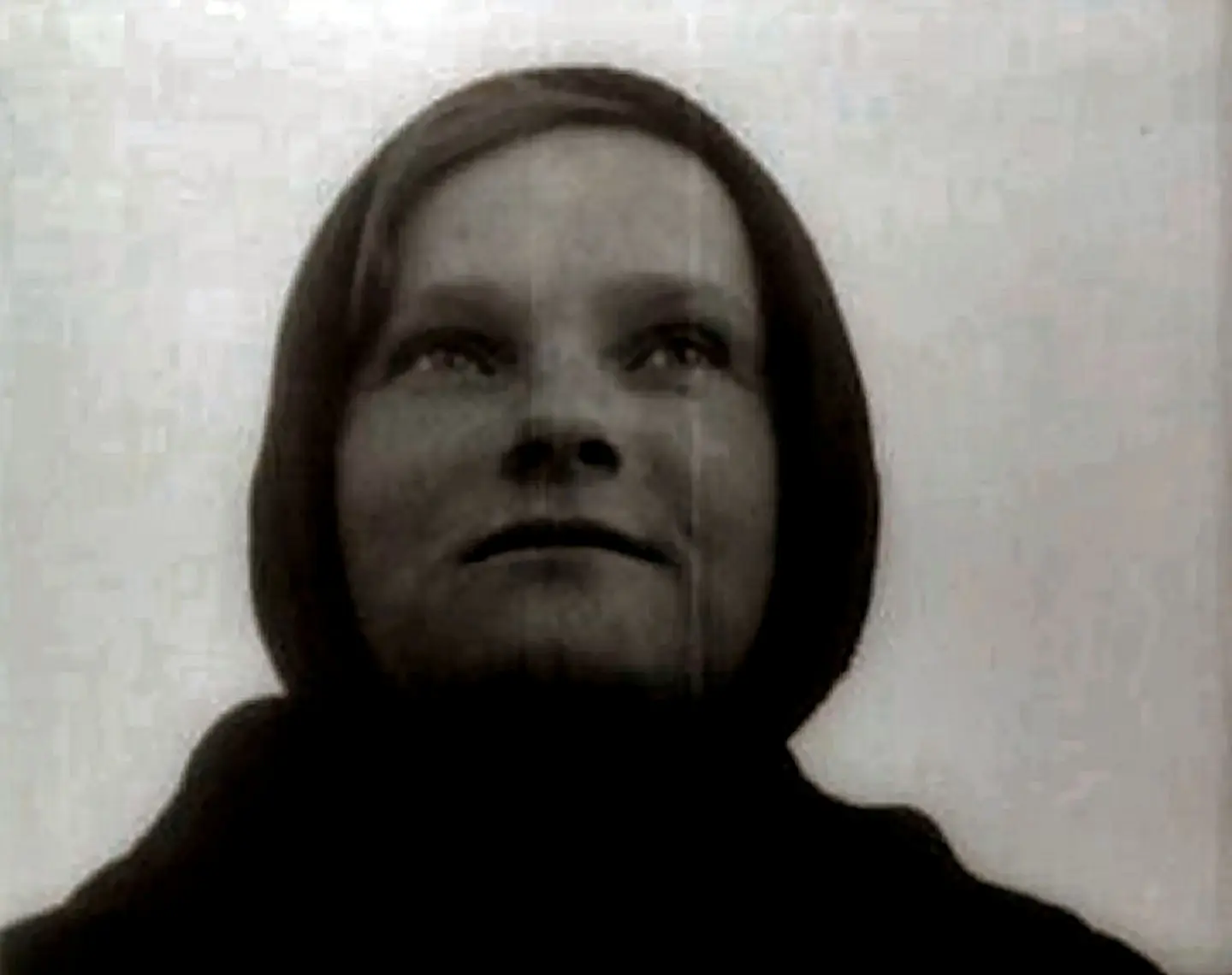
One striking example is how the film might intersperse shots of children learning in new schools with images of adults participating in literacy programs, all underscored by an implicit message of enlightenment and forward momentum. The subtle, yet pervasive, use of visual rhetoric is a masterclass in shaping perception through arrangement.
This isn't a film designed to entertain in the escapist sense. It's a film designed to inform, to inspire, and to consolidate. Its rhythm is the heartbeat of a new society, and its tone is the confident voice of the revolution. It’s effective. But it’s flawed.
While Dziga Vertov is listed in the 'cast,' it’s the countless anonymous faces of Soviet citizens who truly populate Kino-pravda no. 23 - Radio pravda. These are not actors performing roles, but individuals caught in the act of living, working, and participating in the grand social experiment of the early 20th century. Their authenticity is the film's greatest strength.
We see the weathered faces of peasants, the determined expressions of factory workers, the curious glances of children. Each individual, whether consciously or unconsciously, contributes to the overarching narrative of a collective society. Vertov’s camera doesn't shy away from the grime or the effort, presenting a stark realism that contrasts sharply with the polished narratives of contemporary fiction films like A Manhattan Knight or The Adventures of Ruth.
The portrayal is, however, not entirely neutral. These individuals are often framed as heroic figures of labor, symbols of the new Soviet man and woman. A sequence focusing on women working in a textile factory, for example, emphasizes their strength and dedication, implicitly challenging traditional gender roles and celebrating their contribution to the collective. This deliberate framing makes the 'human element' a powerful, albeit manipulated, component of the film's message.
Ultimately, the 'cast' of Kino-pravda no. 23 - Radio pravda is the Soviet people themselves, presented as both subjects and instruments of a revolutionary vision. Their unscripted presence lends the film an undeniable power, even as their individual stories are subsumed by the larger ideological narrative.
Can a film explicitly designed as propaganda still hold artistic or historical value? Absolutely. Kino-pravda no. 23 - Radio pravda is a prime example of this paradox. While its primary goal was to disseminate Soviet ideology, its revolutionary filmmaking techniques and its raw documentation of a specific era transcend its original intent.
One might argue that the very act of attempting to capture 'truth' – even a biased truth – forced Vertov and his team to innovate. Their experiments with montage, their dedication to 'life unawares,' and their rejection of cinematic artifice laid groundwork for future generations of filmmakers, from direct cinema practitioners to avant-garde artists. This is an unconventional observation, but the technical innovations born from propaganda are often overlooked.
The film offers a fascinating counterpoint to narrative cinema of the period, such as Hollywood's burgeoning studio system or European art films. It dared to be different, to redefine what cinema could be. Its influence is undeniable, even if its political message is now viewed through a critical historical lens.
Moreover, as a historical artifact, its value is immense. It provides an unvarnished (if curated) look at the material conditions and social aspirations of early Soviet Russia, a unique visual record that no amount of written history can fully replicate. It's a testament to the power of the moving image as a historical document, regardless of its underlying agenda.
Yes, Kino-pravda no. 23 - Radio pravda is absolutely worth watching, but only if you approach it with the right mindset. This isn't a casual viewing experience. It demands an active, critical engagement with its historical context, its filmmaking innovations, and its ideological underpinnings.
It serves as a crucial piece of film history, illustrating the birth of documentary and the powerful, sometimes unsettling, intersection of art and politics. For anyone studying early cinema, Soviet history, or the evolution of media, this film is mandatory viewing. For others, it's a challenging but ultimately rewarding journey into a pivotal moment in cinematic and global history.
Kino-pravda no. 23 - Radio pravda is not merely a film; it is a historical artifact, a theoretical manifesto, and a testament to the power of the moving image. Dziga Vertov, Elizaveta Svilova, and Mikhail Kaufman didn't just document Russia; they helped to sculpt its image for the world, and for itself. While undeniably a product of its time and its ideological imperatives, its groundbreaking techniques and raw historical value make it an indispensable watch for anyone serious about cinema or history.
It demands effort, but the rewards are profound. This isn't entertainment, it's education. And sometimes, that's far more valuable. It works. But it’s flawed. Yet, its imperfections are part of its enduring legacy, offering a rare glimpse into the birth of a new cinematic language and a new world order. A definitive recommendation for the intellectually curious.
IMDb 7.2
1933
Community
Log in to comment.