DbcultAccessing Vault...
Cult Review
Senior Film Conservator
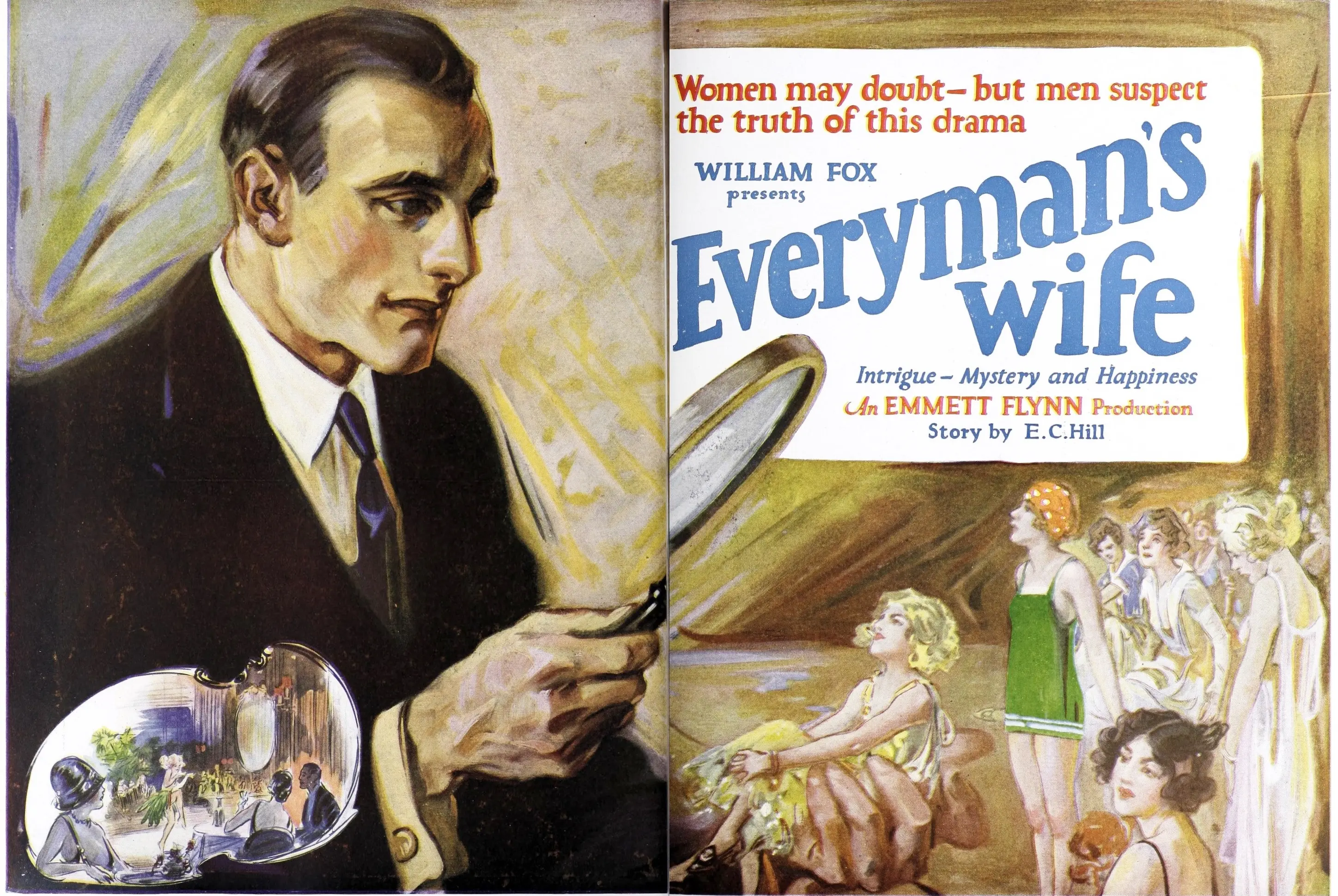
Short answer: yes, Every Man's Wife is worth watching today, but with significant caveats that demand a certain appreciation for early cinema. This isn't a film for the casual viewer accustomed to modern pacing and dialogue; rather, it's a fascinating artifact best suited for silent film enthusiasts, students of film history, and those intrigued by early psychological dramas exploring domestic life. If you're looking for a fast-paced narrative or contemporary storytelling conventions, you'll likely find its rhythms challenging. However, for those willing to engage with its unique language, it offers a surprisingly potent, if melodramatic, exploration of trust and suspicion within marriage.
It serves as a valuable historical document, showcasing how filmmakers navigated complex human emotions without the benefit of spoken words, relying instead on visual storytelling, exaggerated performance, and carefully constructed narrative arcs. While its themes resonate, its execution firmly places it within its era, requiring a degree of historical empathy from the audience.
Released in an era when cinema was still finding its voice, Every Man's Wife dives headfirst into the turbulent waters of marital jealousy. The premise is deceptively simple, yet it unfolds with a dramatic intensity that was a hallmark of silent-era storytelling. We are introduced to the Randolphs, a newlywed couple whose initial bliss is quickly overshadowed by Mrs. Randolph's deeply entrenched insecurities.
The film immediately establishes a tone of domestic anxiety, almost palpable through the silent medium. The catalyst for this marital strife is remarkably mundane: a stray cat. One morning, Mr. Randolph, leaving for his office, encounters a cat strikingly similar to one his wife recently lost. This seemingly innocuous event leads him to Mrs. Bradin, a comely neighbor, with whom he shares a brief, innocent conversation about the animal.
It's a testament to the fragility of trust that such a trivial interaction can unravel the fabric of a marriage. The filmmakers deftly use this seemingly inconsequential moment to ignite a powder keg of suspicion, illustrating how easily external circumstances can be misconstrued through the lens of a jealous mind. This initial encounter, framed with a deceptive casualness, sets the entire conflict in motion, highlighting the film's commitment to exploring the psychological underpinnings of its characters.
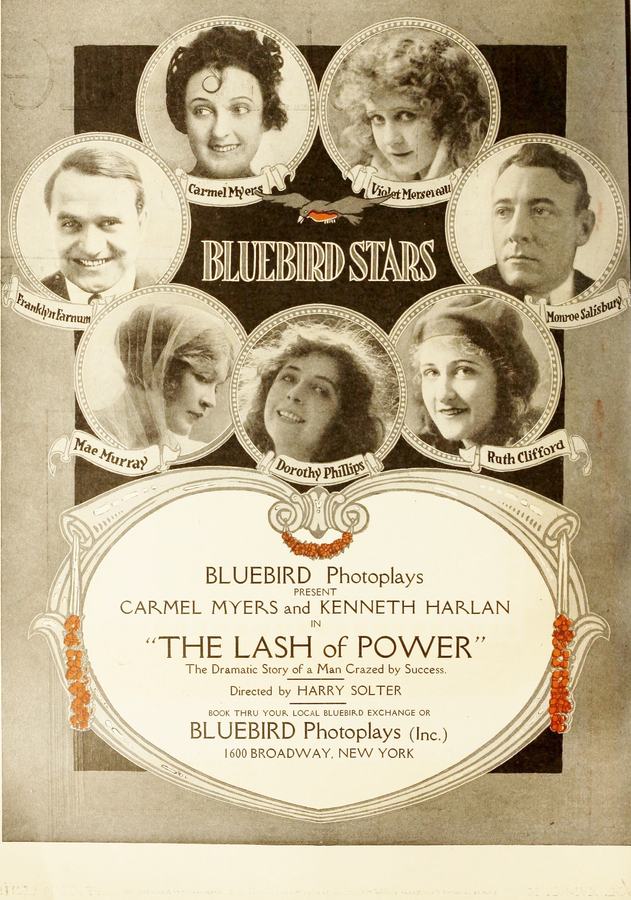
Dorothy Phillips delivers a compelling, if theatrically exaggerated, performance as Mrs. Randolph. Her portrayal is central to the film's emotional weight, as she embodies the destructive force of unchecked jealousy. Phillips, characteristic of silent film actors, relies heavily on facial expressions and body language to convey Mrs. Randolph's internal turmoil, and she does so with unwavering commitment.
From the moment she spots her husband with Mrs. Bradin, Phillips's transformation is stark. Her eyes narrow, her posture stiffens, and a palpable tension emanates from her. This isn't just a fleeting suspicion; it's an obsession that quickly consumes her, manifesting in a series of accusatory glares and increasingly strained interactions with her husband. Her accusations are relentless, born not from evidence, but from a deeply rooted insecurity that projects infidelity onto every innocent gesture.
One particularly effective moment is Phillips's constant peering through windows or around corners, visually representing her character's pervasive paranoia. These subtle yet impactful visual cues allow the audience to grasp the depth of her suspicion, even without dialogue. Her performance, while melodramatic by today's standards, was undoubtedly effective in its time, giving audiences a clear, visceral understanding of a woman consumed by her own demons. Her portrayal highlights the performative aspect of silent acting, where every gesture and expression carries immense narrative weight, crucial for conveying complex emotional states.
Opposite Phillips, Robert Cain portrays Mr. Randolph with a stoicism and bewildered patience that grounds the film's more melodramatic elements. Cain's performance serves as the audience's anchor, a man genuinely perplexed by the tempest brewing in his own home, a tempest he neither understands nor instigates. His character is a foil to Mrs. Randolph's emotional volatility, representing reason and fidelity in the face of irrational accusations.
Mr. Randolph's reaction to his wife's relentless jealousy is one of quiet resignation rather than explosive anger. His retreat to his club isn't an act of defiance but a desperate search for peace, a surrender to the overwhelming, unfounded accusations that have made his home a battleground. This subtle portrayal of a man under siege is remarkably effective; Cain conveys his character's weariness and genuine hurt through understated gestures and a palpable sense of exhaustion.
His patience is admirable, almost to a fault, making his character deeply sympathetic. When he eventually seeks solace outside the marital home, it feels less like an abandonment and more like a necessary act of self-preservation. Cain's ability to communicate this complex emotional state without dialogue, relying on subtle shifts in posture and weary glances, underscores the power of silent acting. He makes Mr. Randolph not just a victim, but a testament to enduring fidelity, even when unjustly accused.
While no single director is explicitly credited in the provided context, the collective vision of the filmmakers, including writers Ethel Hill, Enid Hibbard, and Lillie Hayward, is evident in the film's visual storytelling. The creative team deftly uses the tools of silent cinema to communicate the escalating tension and emotional states of the characters. The cinematography, though rudimentary by modern standards, is remarkably effective in conveying mood and narrative.
The use of medium shots to capture the awkwardness of the initial encounter between Mr. Randolph and Mrs. Bradin, for instance, immediately establishes a sense of innocent interaction. This is then contrasted with tighter close-ups on Mrs. Randolph's face, specifically her eyes, to emphasize her internal turmoil and the intensity of her suspicion. These visual juxtapositions are crucial in guiding the audience's emotional response and understanding of the characters' perspectives.
Lighting also plays a significant role. The bright, open domestic setting of the Randolph home initially contrasts with the later scenes where Mrs. Randolph's jealousy casts a metaphorical shadow. The half-light employed during the climactic party scene is particularly noteworthy. It's not merely a practical choice for a party atmosphere but a clever narrative device that enables the mistaken identity, directly contributing to the film's comedic resolution. This deliberate manipulation of light and shadow demonstrates an understanding of how visual elements can drive both plot and emotional resonance.
The staging of scenes, particularly Mrs. Randolph's observations of her husband, is also well-executed. Her presence, often just out of full view, peeking from behind curtains or through doorways, creates a sense of voyeurism and underscores her consuming paranoia. This visual motif reinforces her character's internal state and allows the audience to feel the oppressive weight of her suspicion alongside Mr. Randolph.
The film's pacing is undoubtedly slower than contemporary cinema, a rhythm that demands patient engagement but rewards with a deeper immersion into the characters' emotional states. Silent films often relied on a more deliberate build-up of tension and character development, given the absence of spoken dialogue to quickly convey information or emotional nuances. Every Man's Wife adheres to this tradition, allowing the audience to truly feel the oppressive weight of Mrs. Randolph's jealousy and Mr. Randolph's quiet suffering.
The repetition of certain visual motifs, such as Mrs. Randolph's suspicious gaze or Mr. Randolph's weary expressions, contributes to this deliberate pacing. These repeated beats aren't redundant; rather, they serve to emphasize the cyclical nature of their conflict and the emotional toll it takes. The extended sequences of accusation and withdrawal establish a cycle of marital strife that feels genuinely exhausting, drawing the viewer into the characters' plight.
The tone of the film shifts quite dramatically, beginning as a domestic melodrama steeped in psychological tension, then gradually incorporating elements of drawing-room comedy as it progresses towards its climax. This tonal evolution is perhaps one of the film's more surprising aspects. The initial scenes are heavy with the weight of Mrs. Randolph's unfounded wrath, creating a palpable sense of unease. However, the introduction of the party scene and the subsequent mistaken identity injects a much-needed lightness, pivoting the narrative towards farce.
This shift, while jarring for some modern viewers, was a common narrative device in early cinema, allowing filmmakers to explore serious themes before resolving them with a comedic flourish. It suggests a desire to entertain while also imparting a moral lesson, often through the absurdity of human folly. The film successfully navigates these tonal shifts, even if the transition feels abrupt to an audience accustomed to more consistent genre adherence.
The climax of Every Man's Wife is a meticulously orchestrated party scene that pivots sharply from domestic drama to outright farce, a tonal shift that might surprise modern viewers. Mrs. Randolph, still convinced of her husband's infidelity, invites both him and the Bradins to a gathering, hoping to catch Mr. Randolph in a compromising position with Mrs. Bradin. What unfolds, however, is a masterclass in silent comedy, built on mistaken identity and impeccable timing.
In the dim light of the party, Mr. Bradin, rather than Mr. Randolph, attempts to seduce his own wife, mistaking her for Mrs. Randolph. This moment is pure silent comedy gold, relying on visual gags and the audience's understanding of the characters' intentions. It's a cleverly executed sequence that achieves multiple narrative goals: it allows Mr. Randolph to prove his unwavering fidelity without a word, it highlights the absurdity of Mrs. Randolph's initial suspicions, and it provides a cathartic release of tension through laughter.
However, this resolution is also the source of one of the film's most debatable aspects. While undeniably amusing and effective in its immediate dramatic purpose, one could argue that this farcical climax feels a tad too convenient, perhaps even simplistic. It sidesteps a more profound exploration of the psychological damage wrought by jealousy, opting instead for a tidy, comedic solution that allows the Randolphs to reunite on a 'better foundation of trust and understanding.' The question remains: is such a profound shift in marital dynamics truly earned through a mere comedy of errors, or does it feel like a narrative shortcut?
This film works because of its unflinching, if theatrical, portrayal of marital jealousy and the committed performances that bring it to life, offering a unique window into early cinematic psychology.
This film fails because its resolution, while aiming for comedic irony, feels somewhat abrupt and perhaps a little too convenient, undercutting the emotional weight established earlier and simplifying a complex issue.
You should watch it if you appreciate the nuanced storytelling of early cinema and are curious about how foundational human emotions like jealousy and trust were depicted without spoken dialogue, offering a rich historical and psychological context.
As established, Every Man's Wife certainly holds its own as a historical document and a compelling example of early domestic drama. Its value today lies primarily in its ability to transport viewers to a different era of filmmaking, showcasing the techniques and narrative conventions that defined silent cinema. For those with an interest in film history, the evolution of storytelling, or the psychological depiction of marital dynamics in the early 20th century, it's an enriching experience.
The film's exploration of jealousy, while presented through the often-exaggerated lens of silent acting, remains a timeless theme. The destructive power of unfounded suspicion, the quiet suffering of the accused, and the eventual, if somewhat contrived, path to reconciliation offer insights that still resonate. It's a reminder that fundamental human emotions and relational struggles are universal, transcending the specific cinematic language used to depict them.
However, it's crucial to manage expectations. The pacing will feel slow to modern audiences accustomed to rapid-fire editing and constant dialogue. The acting style, characterized by broad gestures and overt expressions, might seem melodramatic or even comical if viewed without historical context. This film demands patience and an open mind, a willingness to engage with its unique rhythm and visual language.
It's particularly recommended for those who have enjoyed other silent-era domestic dramas, perhaps drawing parallels with films like The Better Wife or even more overt comedies like Pettigrew's Girl, to understand the diverse approaches to similar themes. Its historical significance and the surprisingly modern psychological undercurrents make it more than just a relic; it's a piece of living film history.
Ultimately, its worth is subjective. If you're a cinephile eager to delve into the foundational narratives of early cinema, or if you're fascinated by the ways human emotions were conveyed before sound, then yes, this film offers considerable value. If you're seeking a casual, easily digestible viewing experience, you might find it a challenging watch.
While not a flawless film, Every Man's Wife offers a fascinating window into early 20th-century marital anxieties and the cinematic techniques used to portray them. Its earnest attempt to dissect the fragile architecture of trust within a marriage, even if its ultimate solution leans on the lighter side of dramatic convention, provides significant value for the discerning viewer.
It's a film that asks its audience to meet it on its own terms, to appreciate the artistry of a bygone era, and to recognize the timelessness of its core themes. For those willing to embark on this journey, it's a rewarding experience that enriches one's understanding of film history and the enduring complexities of human relationships. Its enduring value lies in its earnest attempt to dissect the fragile architecture of trust within a marriage, even if its ultimate solution leans on the lighter side of dramatic convention.
IMDb —
1929
Community
Log in to comment.