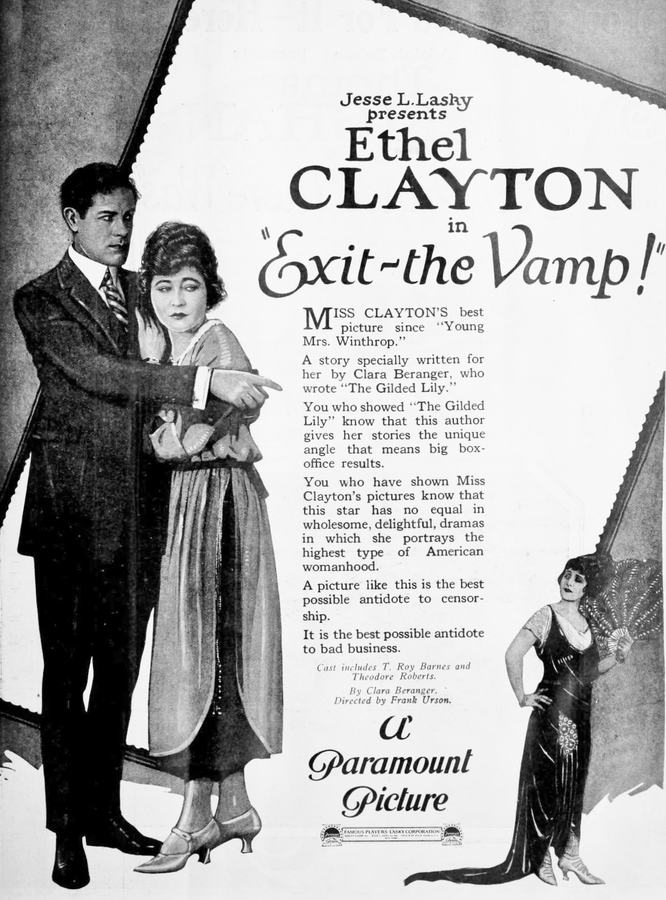
Exit the Vamp is more than a silent film—it’s a psychological labyrinth cloaked in the garb of early 20th-century melodrama. Directed with a deft hand by Clara Beranger, the film’s narrative structure leans into the visual language of its era, using shadows and costume transformations to convey emotional disintegration. The central conflict—Marion Shipley’s struggle against the "vampire" Mrs. Willy Strong—is not merely a tale of infidelity but a study in identity, where the line between self and other blurs under the weight of desire. This is a film that demands to be watched with a painter’s eye, noting how every glance, every shift of fabric, becomes a brushstroke in a portrait of marital despair.
A Masquerade of Emotions
The film’s most striking sequence is Marion’s transformation. In a scene worthy of comparison to *The Two Brides* (href="/movies/the-two-brides"), she strips away her identity, donning Mrs. Strong’s clothes and makeup. The dim lighting in this pivotal moment is not accidental—it mirrors the moral ambiguity of her actions. The cinematographer’s choice to frame her in tight close-ups as she applies the "vamp’s" lipstick is a masterstroke; the red hue becomes a symbol of both her desperation and her newfound agency. Beranger’s script, meanwhile, laces its dialogue with period-specific wit, a quality that resonates with the sharp exchanges in *His Picture in the Papers* (href="/movies/his-picture-in-the-papers").
The Cast’s Physicality
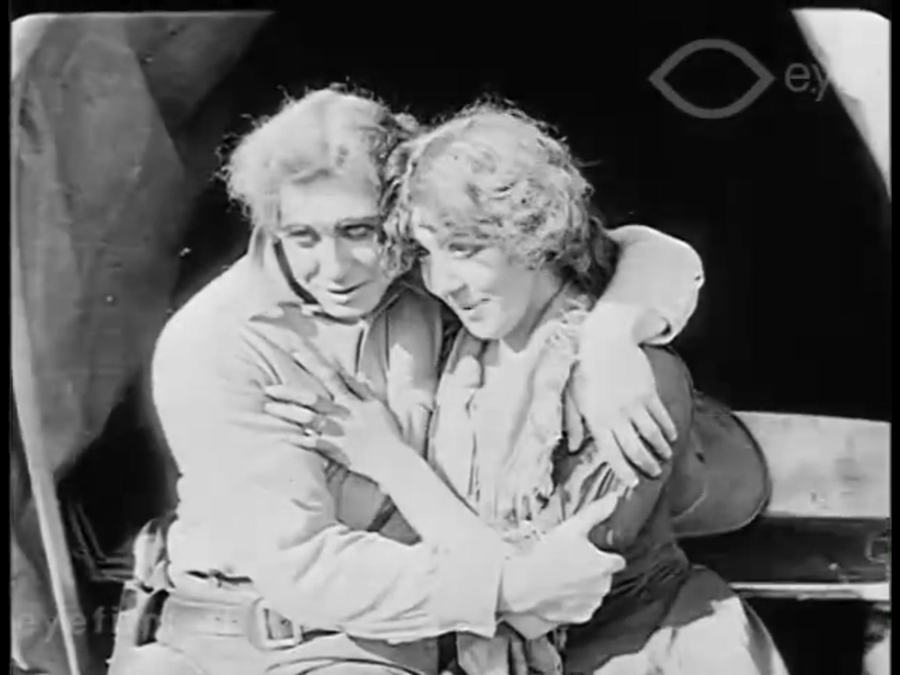
T. Roy Barnes as John Shipley anchors the film with a performance that oscillates between charm and fragility. His body language—slumped shoulders, hesitant glances—reveals a man torn between guilt and fascination. Ethel Clayton’s portrayal of Marion is a revelation; her subtle shifts from poised wife to vengeful imposter showcase the range of silent film acting. The climactic confrontation, where John embraces Marion, believing her to be Mrs. Strong, is a tour de force of physical comedy and pathos. It’s a scene that recalls the tense, mistaken-identity sequences in *A Camouflage Kiss* (href="/movies/a-camouflage-kiss"), but with a darker, more tragic undertone.
Visual Storytelling and Period Nuance
Beranger’s direction is a study in restraint. The use of negative space in shots of Marion’s home—walls that loom like sentinels, doors that frame moments of betrayal—creates an atmosphere of claustrophobic tension. The film’s set design, particularly in Mrs. Strong’s apartment, is a character in itself: velvet drapes, gilded mirrors, and a chandelier that casts fractured light. These elements evoke the decadence of a world on the brink of moral collapse, a theme echoed in *The Might of Gold* (href="/movies/the-might-of-gold"). The camera’s slow, deliberate movements during the jewelry shop scene are particularly effective, lingering on the salesman’s face as he delivers the news of John’s infidelity. It’s a moment of silent agony, rendered with the precision of a haiku.
Themes of Identity and Survival
At its core, *Exit the Vamp* is a film about survival. Marion’s transformation is not just a masquerade—it’s an act of self-preservation. By becoming her rival, she wields power in a world that denies women autonomy. This theme resonates with modern audiences, offering a lens through which to view the limitations placed on women in the 1920s. The film’s ending, where John denounces the "imposter," leaves a bitter aftertaste. Is it justice, or merely the cyclical nature of betrayal? The ambiguity is deliberate, a hallmark of Beranger’s storytelling. It’s a complexity that sets this film apart from the more straightforward narratives of *The Daredevil* (href="/movies/the-daredevil") or *Opportunity* (href="/movies/opportunity").
Legacy and Relevance
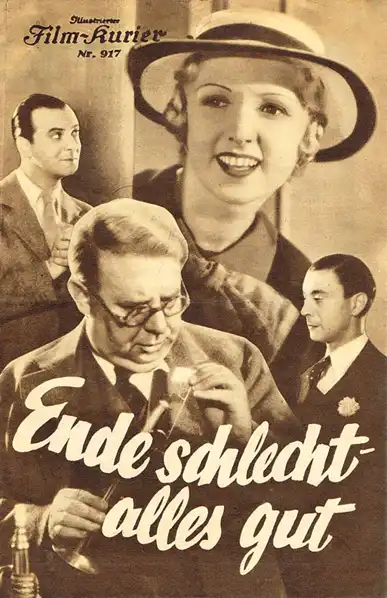
Though often overshadowed by its contemporaries, *Exit the Vamp* deserves a place in the pantheon of early cinema. Its exploration of identity and performance presages later works like *Die Augen der Schwester* (href="/movies/die-augen-der-schwester"). The film’s influence can be seen in the way it treats the body as a site of conflict—Marion’s wardrobe becomes a weapon, her makeup a mask. This interplay of costume and character is a technique that would later define the pre-code Hollywood era. For scholars and cinephiles, the film is a treasure trove of early narrative experimentation, particularly in its use of visual metaphors.
Technical Excellence
The film’s technical achievements are nothing short of remarkable. The score, though minimal, swells at critical moments to underscore emotional beats. The editing is crisp, with cross-cutting between Marion’s preparation and John’s arrival at Mrs. Strong’s apartment creating a sense of impending collision. Even the title card, with its Art Deco typography, is a visual treat, a style that would become iconic in the 1930s. These elements combine to elevate what could have been a simple melodrama into a nuanced exploration of human psychology.
Final Thoughts
In an age where silent films are often viewed as relics, *Exit the Vamp* proves that their power lies in their ability to speak volumes without words. Clara Beranger’s vision, brought to life by a stellar cast, offers a haunting meditation on love, loss, and the masks we wear. For those seeking a film that marries form and content with elegance, this is a must-watch. Whether you’re a scholar of early cinema or a casual viewer, the film’s emotional depth and visual finesse will linger long after the final fade to black.