DbcultAccessing Vault...
Cult Review
Senior Film Conservator
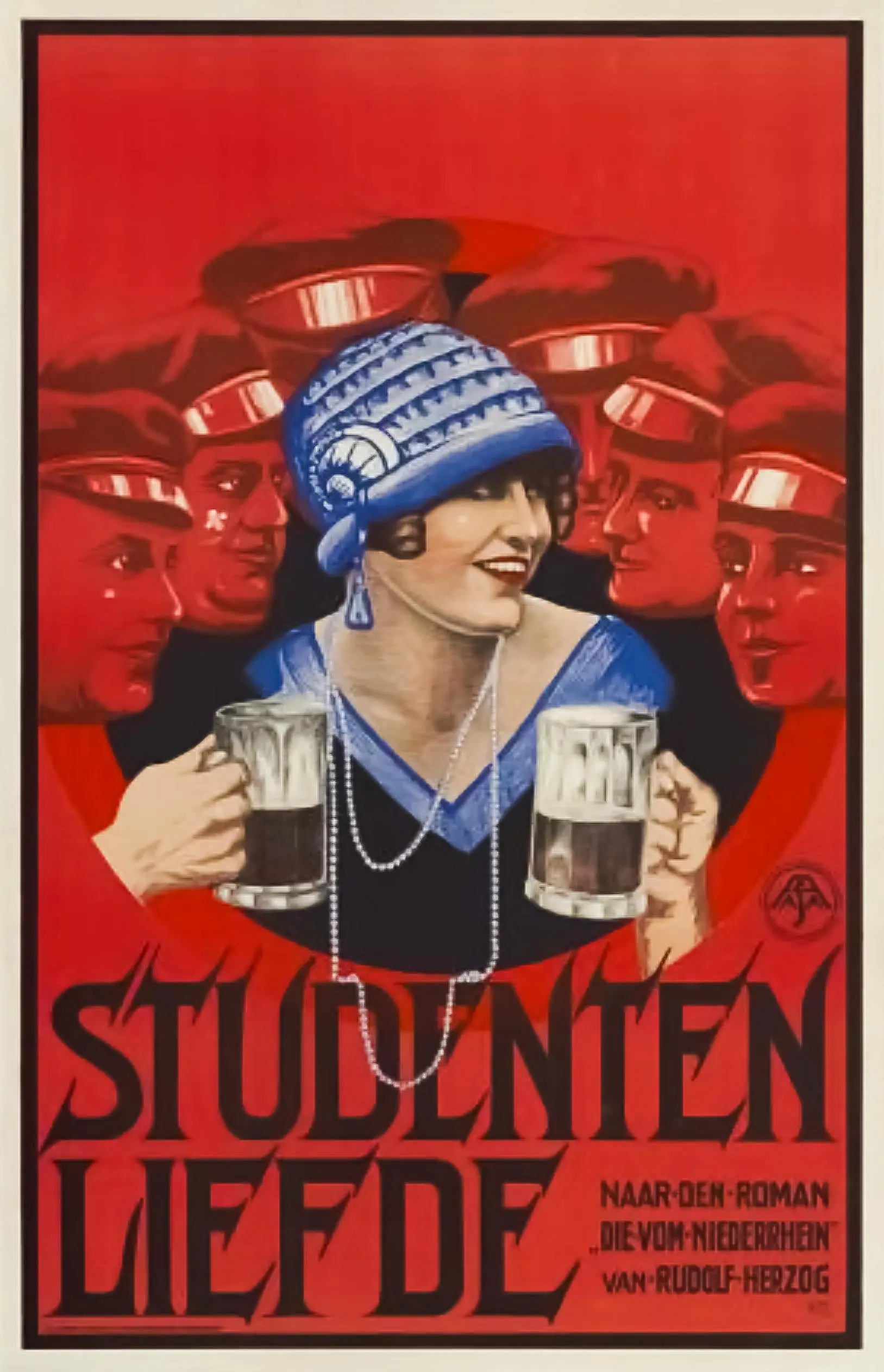
Is “Die vom Niederrhein, 1. Teil” worth watching today? Short answer: yes, but with significant caveats. This rarely seen German silent film, a relic from an era of profound cinematic experimentation, offers a fascinating, if sometimes frustrating, glimpse into early 20th-century storytelling and performance, making it a compelling watch for dedicated cinephiles and film historians.
However, it is decidedly not for those seeking modern pacing, clear-cut resolutions, or an easy entry point into silent cinema. Its narrative ambition, while commendable, often outstrips its immediate accessibility, demanding patience and an appreciation for the medium’s nascent language.
For those who cherish the history of film, “Die vom Niederrhein, 1. Teil” stands as an intriguing artifact. It works because it captures a distinct cultural moment and showcases the foundational talents of its cast and crew, particularly Mady Christians and William Dieterle, who would both go on to significant careers. The film's earnest attempt at depicting a generational clash within a rural setting resonates even a century later.
This film fails because its episodic structure, characteristic of a 'Part 1,' can feel incomplete, and its dramatic beats, while potent for the time, might strike contemporary viewers as overly theatrical or slow. The narrative, while ambitious, occasionally struggles to maintain consistent emotional momentum, leaving certain subplots feeling underdeveloped.
You should watch it if you are a student of German Expressionism's precursors, a fan of early cinema’s unique acting styles, or simply curious about the thematic concerns of post-WWI Germany. Skip it if you prefer fast-paced storytelling, high-definition visuals, or narratives that offer immediate gratification.
“Die vom Niederrhein, 1. Teil,” directed by Rudolf Herzog, emerges from a period where cinema was still defining its grammar, yet already striving for grand, sweeping narratives. This film, as its title suggests, is but the opening movement of a larger symphony, aiming to capture the socio-cultural dynamics of a specific German region. The ambition is palpable, even if the execution sometimes feels constrained by the technological and artistic limitations of its time.
The pacing is deliberate, almost meditative, allowing scenes to unfold with a slow burn that is antithetical to modern editing sensibilities. Herzog’s direction favors long takes and carefully composed tableaux, reflecting a theatrical heritage that was still deeply ingrained in filmmaking. This approach, while demanding, allows for a deeper immersion into the characters' inner lives, particularly in moments of quiet contemplation or simmering tension. Consider the extended sequence of Anna gazing out over the fields, a moment that, while lacking dialogue, speaks volumes about her yearning for a life beyond the farm.
The tone is one of earnest melodrama, punctuated by moments of genuine emotional weight. The narrative, penned by Gerd Briese, Ruth Goetz, and Herzog himself, attempts to weave together individual desires with broader societal shifts. It's a testament to the writers' vision that they sought to explore themes of tradition versus modernity, and individual freedom versus familial duty, in a nascent art form.
One could argue that the film’s greatest strength lies in its commitment to these themes, even at the risk of alienating audiences accustomed to more immediate dramatic payoffs. The way it sets up the central conflict between Anna’s aspirations and her father’s rigid world is a slow, methodical build, allowing the audience to truly understand the weight of their respective positions. It’s a bold choice for a 'Part 1,' prioritizing character and setting over explosive plot points.
The performances in “Die vom Niederrhein, 1. Teil” are a fascinating study in silent film acting, blending theatrical expressiveness with emerging cinematic subtlety. Mady Christians, as Anna, is undoubtedly the film's anchor. Her portrayal is marked by a compelling blend of youthful innocence and simmering defiance. Christians manages to convey Anna's internal struggle through nuanced facial expressions and gestures that transcend the need for dialogue. Her eyes, often downcast in obedience or alight with nascent rebellion, tell a powerful story.
William Dieterle, who would later become a celebrated director, brings a charismatic intensity to Johannes. His portrayal of the outsider, with his modern ideas and confident demeanor, is a masterclass in silent screen presence. He doesn't just enter a scene; he shifts its energy. The subtle way he leans into Anna's space during their clandestine meetings, contrasted with the stiff formality of her family, speaks volumes about their opposing worlds.
Wilhelm Diegelmann, as the patriarch Hermann, embodies the stern, unyielding force of tradition. His performance is less about overt villainy and more about the tragic weight of duty and expectation. Diegelmann’s physical presence, often rigid and imposing, perfectly communicates the immovable obstacle Anna faces. There's a particular scene where he silently observes Anna and Johannes from a distance; his face, etched with suspicion and sorrow, is far more impactful than any shouted condemnation.
The supporting cast, including Frida Richard and Ernst Hofmann, provides a rich tapestry of village characters, each contributing to the film’s authentic atmosphere. While some performances lean into broader caricature, a common trait of the era, they generally serve the narrative's purpose, highlighting the insular nature of the community. One could compare the ensemble's naturalistic approach to the more stylized performances seen in contemporary German films like Der verlorene Schuh, showcasing the range of acting styles prevalent at the time.
Rudolf Herzog’s direction, while perhaps not as revolutionary as that of a Murnau or Lang, is nonetheless competent and often artful. He uses the Lower Rhine landscape not merely as a backdrop, but as an active participant in the story, reflecting the characters' connection to the land and their sense of confinement. The wide shots of fields and rivers establish a strong sense of place, grounding the drama in a tangible reality.
The cinematography, though uncredited in the provided details, showcases a strong understanding of light and shadow, typical of German cinema of the period. While not delving into the deep expressionistic shadows of a film like The Death Dance, there are moments of striking visual poetry. For instance, the use of natural light filtering through windows in interior scenes creates an intimacy that contrasts sharply with the harsh realities faced by the characters. The camera often lingers on objects – a worn hand, a wilting flower – imbuing them with symbolic weight, a technique that requires careful direction and precise framing.
There's an unconventional observation to be made here: the film's visual style, while rooted in realism, occasionally flirts with a proto-documentary aesthetic, particularly in its depiction of rural labor and community gatherings. This gives the film a unique texture, distinguishing it from the more overtly fantastical or melodramatic offerings of its contemporaries. It feels less like a stage play captured on film and more like an attempt to record a slice of life, however dramatized.
The screenplay by Gerd Briese, Ruth Goetz, and Rudolf Herzog attempts a complex narrative tapestry, but its 'Part 1' nature means it prioritizes setup over resolution. The strength lies in its clear articulation of the central conflict: tradition versus progress, embodied by the Kroll family and the arrival of Johannes. The writers skillfully introduce multiple characters and their intertwined relationships, laying a solid foundation for future installments.
However, this foundational approach also leads to some narrative stumbles. Certain subplots, such as the peripheral village gossip or the minor struggles of other family members, feel somewhat underdeveloped, serving more as thematic window dressing than integral plot drivers. While this might be rectified in subsequent parts, in isolation, it can leave the viewer yearning for more focus.
The dialogue, conveyed through intertitles, is generally efficient and serves its purpose, though it occasionally veers into the overly didactic, reiterating themes that are already evident through visual storytelling. This is a common pitfall of silent cinema, where the urge to clarify can sometimes override the power of implication. Despite this, the core emotional beats are well-handled, particularly Anna's quiet moments of defiance and her growing bond with Johannes.
The film’s greatest narrative triumph is its ending – or rather, its lack thereof. Concluding on a poignant, unresolved crisis is a bold move, one that speaks to a confidence in the audience's investment in the characters and their plight. It’s a cliffhanger in the truest sense, leaving the audience genuinely curious about the fate of Anna and the Kroll family. This decision, while frustrating for those seeking immediate closure, is artistically sound, highlighting the ongoing nature of the struggles depicted.
Yes, for a specific audience. This film is a valuable historical document and a surprisingly engaging drama for those willing to engage with silent film conventions. It offers a window into early German cinema's narrative ambitions and thematic concerns.
It demands patience. It requires an appreciation for a slower pace. It rewards viewers who understand its context.
If you're interested in the evolution of film, the silent era, or German cultural history, it's a worthwhile experience. If you're looking for a quick, modern cinematic fix, it's probably not for you.
“Die vom Niederrhein, 1. Teil” is more than just a historical curiosity; it’s a robust piece of early German cinema that, despite its inherent limitations and the frustrating incompleteness of its 'Part 1' status, holds significant artistic merit. It works. But it’s flawed. The film’s greatest triumph lies in its ability to build a compelling world and a deeply empathetic central character through the unique language of silent film.
While it demands a certain level of commitment and an understanding of its historical context, the rewards for the patient viewer are considerable. It’s a compelling testament to the power of early filmmakers to craft resonant human drama, even with the most nascent tools. My unconventional take is that its very incompleteness, rather than being a flaw, underscores the sprawling, ambitious nature of early cinematic storytelling, where sagas were built brick by painstaking brick. It's a film that deserves to be seen, discussed, and perhaps, one day, fully restored alongside its missing parts, if they still exist. Until then, this first chapter stands as a poignant, powerful fragment.
IMDb —
1925
Community
Log in to comment.