DbcultAccessing Vault...
5.8/10
Senior Film Conservator
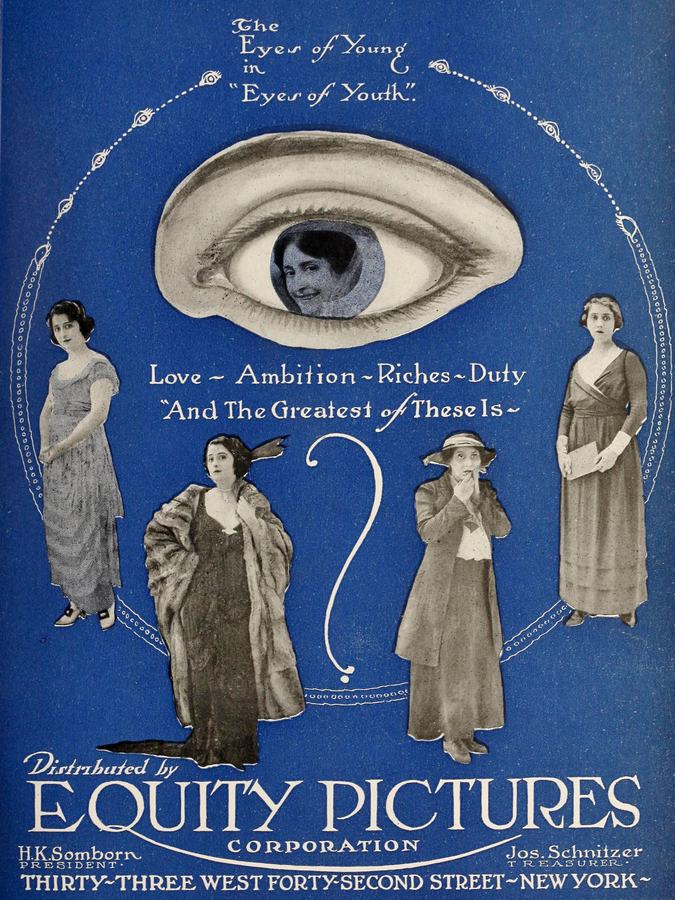
A definitive 5.8/10 rating for a film that redefined the boundaries of cult cinema. Eyes of Youth remains a cornerstone of transgressive art.
Stepping into the flickering glow of early 20th-century cinema, one encounters "Eyes of Youth," a 1919 silent film that, even a century later, retains a compelling power in its audacious narrative ambition. This isn't merely a period piece; it's a profound cinematic rumination on the very essence of human agency, draped in the dramatic flourishes of its era. Directed by Albert Parker, with a screenplay crafted by Max Marcin, Albert Parker, and Charles E. Whittaker, the film presents a uniquely structured exploration of choice and consequence, a narrative device that feels strikingly modern despite its vintage. At its heart lies a young woman, grappling with a monumental crossroads, whose predicament is elevated to an almost mythical status through a series of premonitory visions.
The central conceit of "Eyes of Youth" is its most captivating element. Our protagonist, Gina Ashling, portrayed with a captivating blend of innocence and burgeoning resolve by Pauline Starke, finds herself at a pivotal juncture. Faced with a series of life-altering decisions – a suitor offering financial security, another promising passionate love, and the siren call of a burgeoning artistic career – Gina is overwhelmed. It's a dilemma that resonates across generations, a timeless struggle between practicality and passion, expectation and aspiration. The film transcends mere melodrama when a mystical seer, portrayed by Clara Kimball Young, grants Gina an extraordinary gift: a glimpse into the divergent futures each choice would ultimately forge.
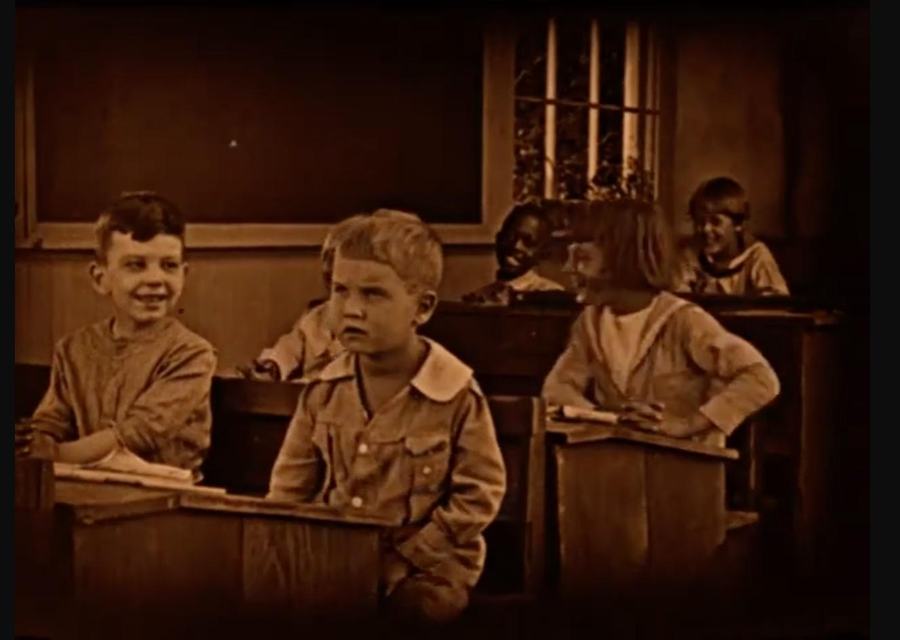
This isn't a simple "what if" scenario; it's a meticulously rendered series of alternate realities, each unfolding with its own triumphs and tragedies, its own moments of fleeting joy and profound sorrow. One path might lead to a life of material comfort, perhaps marrying a wealthy, albeit emotionally distant, suitor. This vision, initially gleaming with the promise of ease and social standing, slowly reveals its hidden tolls: a gilded cage of loneliness, a life devoid of genuine affection, and the slow erosion of her spirit. The opulent settings become increasingly suffocating, the lavish parties masking a profound emptiness. Conversely, another trajectory, born from a more impulsive or unconventional decision – perhaps following her heart with a man of lesser means, or pursuing an independent career – could plunge her into a world of hardship and societal opprobrium. Yet, paradoxically, this path might also unveil moments of profound connection, artistic fulfillment, and a hard-won sense of self. The film masterfully juxtaposes these futures, painting a vivid picture of the internal conflict raging within Gina. We witness her anguish, her fleeting hopes, and her deep-seated fears as each potential life unfurls before her, forcing her to confront the full spectrum of human experience compressed into these vivid, prophetic dreams. The brilliance of the screenplay lies in its refusal to present easy answers. Each vision is painted with a nuanced brush, demonstrating that even the most seemingly advantageous choice can harbor hidden thorns, and even the most arduous journey can yield unexpected rewards. This narrative framework elevates the film beyond a simple cautionary tale, transforming it into a contemplative piece about the subjective nature of happiness and the intricate dance between fate and the decisions we consciously make. The audience, much like Gina, is compelled to weigh the unseen costs and benefits of each potential future, making the viewing experience an active, introspective journey, one that asks us to reflect on the very fabric of our own choices.
For many modern viewers, "Eyes of Youth" holds a particular allure due to the early appearance of Rudolph Valentino. Before he became the iconic "Latin Lover" who would mesmerize millions, Valentino was a budding talent, often cast in supporting or even villainous roles. Here, he embodies the character of Ricardo, a seductive yet ultimately dangerous figure whose presence in one of Gina's potential futures serves as a potent symbol of temptation and peril. Valentino's raw charisma, even in these formative years, is undeniable. His movements are fluid, his gaze intense, hinting at the magnetic screen presence that would soon define his legendary career. While his role here is not central to the film's overarching philosophical inquiry, his portrayal of Ricardo adds a crucial layer of dramatic tension and romantic intrigue to one of Gina's possible destinies. It's a fascinating opportunity to witness the nascent stages of a cinematic phenomenon, to observe the elements of his enduring appeal already taking shape. His scenes, though perhaps brief in the grand scheme, are charged with a nascent power that hints at the superstardom to come, making this film an essential watch for any serious student of film history or Valentino's indelible legacy.
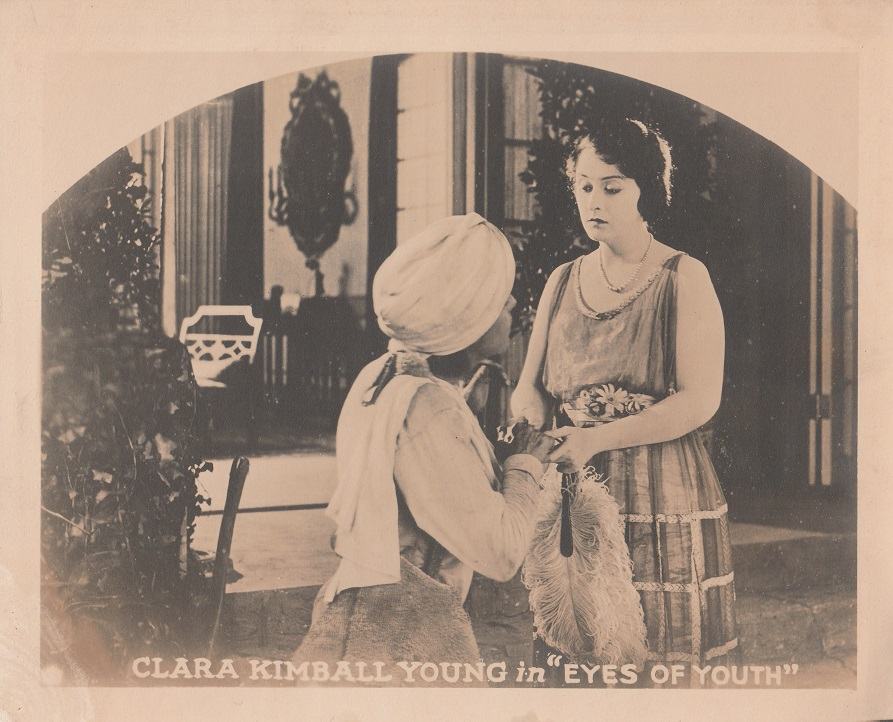
Beyond Valentino, the ensemble cast contributes significantly to the film's texture. Pauline Starke, as Gina, carries the weight of the narrative with remarkable poise. Her expressive eyes and subtle gestures convey the emotional turmoil of a young woman confronting her own mortality and the vastness of her potential futures. Gareth Hughes, as Kenneth Ashling, and William Courtleigh, as Doctor Richard Ashling, provide solid support, grounding Gina's fantastical journey in relatable familial dynamics. Clara Kimball Young's portrayal of the mystical medium is appropriately ethereal and enigmatic, lending credibility to the supernatural premise without veering into caricature. The film benefits from a well-rounded cast that understands the nuances of silent acting, relying on exaggerated yet believable expressions and body language to communicate complex emotions. Milton Sills and Edmund Lowe also make notable appearances, adding further depth to the various scenarios Gina envisions, each performance contributing to the rich tapestry of her potential lives.
The visual language of "Eyes of Youth" is remarkably sophisticated for its time. Director Albert Parker, working with his cinematographers, employs distinct visual motifs and lighting techniques to differentiate between Gina's present reality and her various future visions. The shifts in tone, from the hopeful glow of potential to the somber shadows of regret, are conveyed with impressive clarity, guiding the audience through the labyrinthine narrative without confusion. For instance, one future might be bathed in soft, romantic light, only to gradually darken as its inherent flaws become apparent, while another, initially stark and challenging, might slowly introduce moments of unexpected warmth and vibrancy. This visual distinction is crucial for the film's ambitious structure to succeed, preventing the audience from losing track of which future they are witnessing and enhancing the emotional impact of each revealed destiny. The production design, too, plays a vital role in establishing the mood and authenticity of each projected life path, from opulent drawing rooms to more austere, challenging environments, each meticulously crafted to reinforce the narrative's emotional beats. The use of intertitles, while a necessity of the silent era, is handled with an artistic touch, providing just enough textual guidance without interrupting the visual flow, often serving to underscore Gina's internal monologue or the seer's prophetic pronouncements.
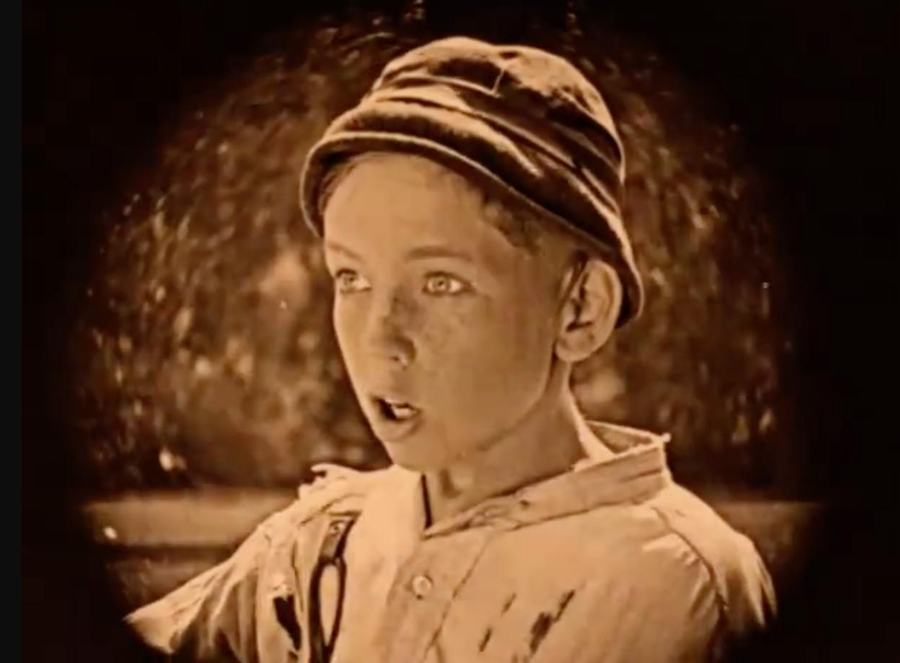
Thematically, the film delves into profound questions that transcend its era. It asks us to consider the nature of happiness: is it found in security, passion, or purpose? It explores the inescapable weight of choice, suggesting that every decision, no matter how minor, ripples outwards with unforeseen consequences. This resonates with films like The Test of Womanhood, which similarly grappled with moral quandaries faced by female protagonists, albeit perhaps with a more conventional narrative structure. "Eyes of Youth" pushes the boundaries by making the hypothetical explicit, forcing Gina – and us – to witness the full spectrum of outcomes. It's a powerful meditation on the human condition, an exploration of the paths not taken, and the profound impact of those we ultimately choose.
The writers, Max Marcin, Albert Parker, and Charles E. Whittaker, deserve immense credit for crafting such an intricate and thought-provoking narrative. Their ability to weave together multiple timelines into a cohesive and emotionally resonant whole is a testament to their storytelling prowess. They avoided the pitfalls of excessive exposition, relying instead on visual cues and the compelling performances of the cast to carry the narrative weight. The structure isn't just a gimmick; it's integral to the film's philosophical inquiry, prompting viewers to reflect on their own lives and the decisions that have shaped them. This structural innovation set it apart from many contemporaries, which often followed more straightforward, linear storytelling. This daring approach to narrative construction, allowing parallel storylines to unfold within a single film, was a bold move for its time, demonstrating a forward-thinking artistic sensibility that cemented its place as a significant work in early cinema.
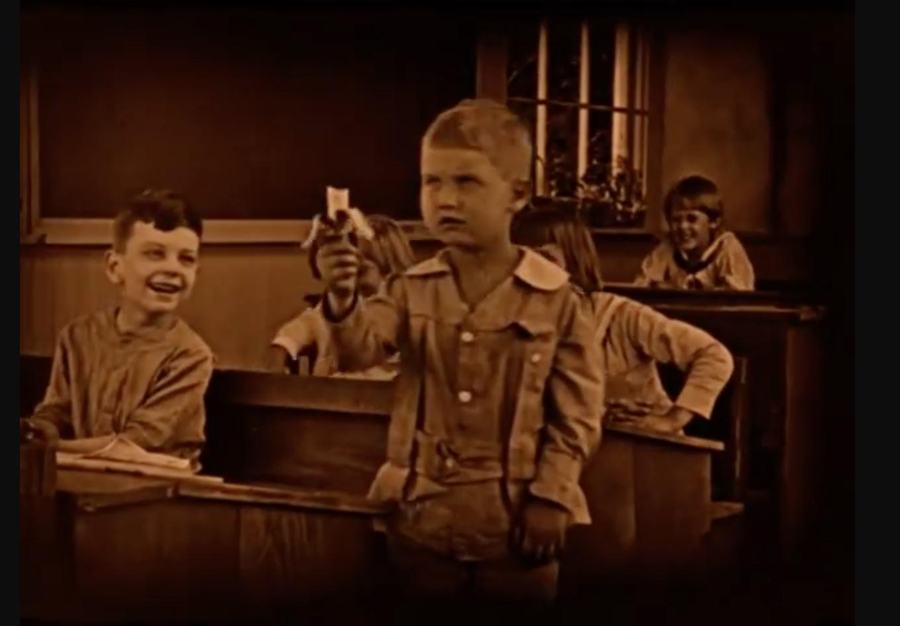
Released in 1919, "Eyes of Youth" emerged from a world grappling with the aftermath of a global war and the dawn of a new social order. The film subtly reflects the anxieties and aspirations of its time, particularly concerning women's roles and opportunities. Gina's choices—between marriage for security, passionate romance, or a professional career—mirror the evolving landscape for women in the post-WWI era. This was a period of immense social flux, where traditional gender roles, long entrenched, were beginning to be questioned and challenged. Women who had stepped into roles traditionally held by men during the war were now contemplating futures beyond the domestic sphere, wrestling with newfound freedoms and the societal expectations that still sought to constrain them. The film encapsulates this societal tension, presenting Gina not as a passive recipient of fate, but as an active agent wrestling with the profound implications of her autonomy. It's a period when the idea of a woman having agency over her own destiny, rather than simply being defined by her relationships, was gaining traction, and "Eyes of Youth" puts this very notion under the cinematic microscope. In this sense, the film can be seen as a quiet, yet powerful, commentary on the profound societal shifts occurring, making it a compelling cultural document as much as a dramatic narrative.
Comparatively, other films of the era, such as The Straight Road or Her Life for Liberty, often depicted women facing stark moral choices, but "Eyes of Youth" elevates this by showing the consequences of those choices in a dynamic, almost prophetic manner. It doesn't just present a dilemma; it fully visualizes its unfolding, giving a more complete picture of the human cost or reward. This ambitious approach distinguishes it from many of its contemporaries, offering a richness of narrative that few could match. The film’s exploration of themes like personal sacrifice for artistic pursuit or the disillusionment found in a seemingly perfect life remains strikingly pertinent, echoing the dilemmas faced by individuals navigating complex modern lives. The timelessness of these themes ensures that the film continues to resonate, inviting viewers to ponder their own paths and the unseen implications of their decisions.
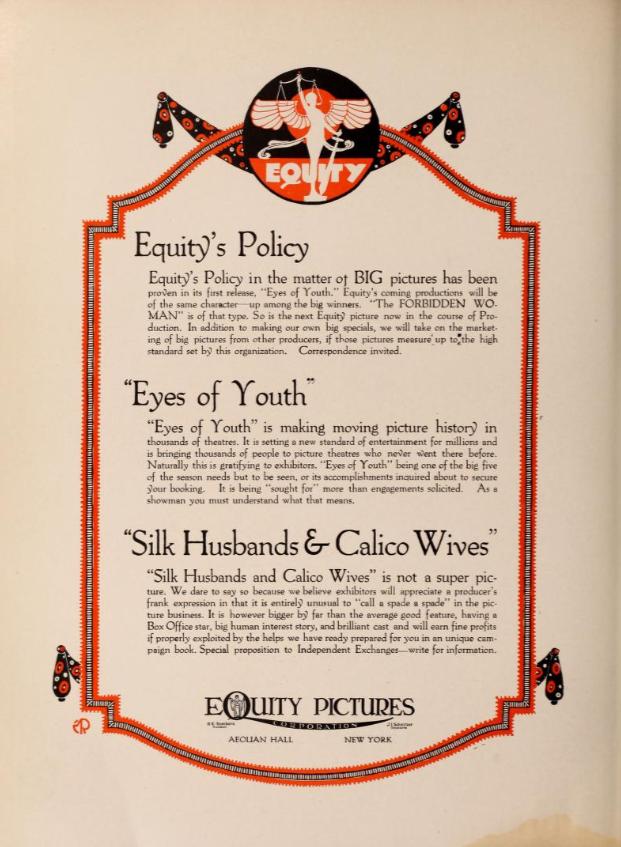
"Eyes of Youth" serves as an excellent example of the expressive power of silent cinema. Without dialogue, the filmmakers relied entirely on visual storytelling, musical accompaniment (often live), and intertitles to convey narrative and emotion. The performances are heightened, requiring actors to communicate through gesture, facial expression, and physical presence. Pauline Starke, in particular, masterfully navigates these demands, drawing the audience into Gina's internal world with remarkable clarity. The film's pacing, its use of close-ups to emphasize emotional states, and its carefully constructed mise-en-scène all contribute to a rich and immersive experience. It reminds us that silent films were not merely precursors to "talkies" but a distinct and sophisticated art form in their own right, capable of profound emotional resonance and narrative complexity. The artistic choices made in visual composition and the deliberate rhythm of scene transitions demonstrate a profound understanding of how to engage an audience without spoken words, making every frame count in the unfolding drama.
The film’s legacy also rests on its innovative use of a non-linear narrative, a technique that would become more common in later decades but was quite daring for 1919. This structural boldness contributes significantly to its lasting impact, proving that even in its nascent stages, cinema was capable of pushing artistic boundaries. It’s a testament to the creative vision of its writers and director that they dared to present such a complex web of possibilities, rather than a straightforward moral tale. This complexity invites multiple viewings and ongoing discussion, cementing its place as more than just a historical curiosity. The sophisticated storytelling employed in "Eyes of Youth" offers a compelling argument for the enduring artistic merit of silent cinema, showcasing its capacity for deep psychological exploration and intricate plot construction.
"Eyes of Youth" is far more than a historical artifact; it is a vibrant, thought-provoking piece of cinema that continues to resonate with contemporary audiences. Its exploration of choice, destiny, and the myriad paths life can take is a universal theme, rendered with both dramatic flair and philosophical depth. From the magnetic, early appearance of Rudolph Valentino to Pauline Starke's empathetic portrayal of Gina, the film offers a rich tapestry of performances and visual storytelling. It serves as a potent reminder of the ingenuity and artistic sophistication present in the silent era, demonstrating how filmmakers, even without spoken words, could craft narratives that were both entertaining and profoundly meaningful. The enduring power of its central premise ensures its relevance, prompting viewers to consider their own lives with renewed perspective.
Watching "Eyes of Youth" today is not just an exercise in historical appreciation; it is an invitation to introspection. It challenges us to consider our own choices, the roads we have taken, and those we have left behind. It’s a film that lingers long after the final frame, prompting a deeper understanding of the intricate dance between free will and the unfolding of fate. For those seeking to delve into the depths of silent cinema, or simply to engage with a story that probes the very fabric of human existence, "Eyes of Youth" remains an essential and richly rewarding experience. Its innovative structure and timeless themes ensure its place as a significant achievement in early American filmmaking, a testament to the enduring power of compelling narrative.
IMDb —
1918
Community
Log in to comment.