DbcultAccessing Vault...
Cult Review
Senior Film Conservator
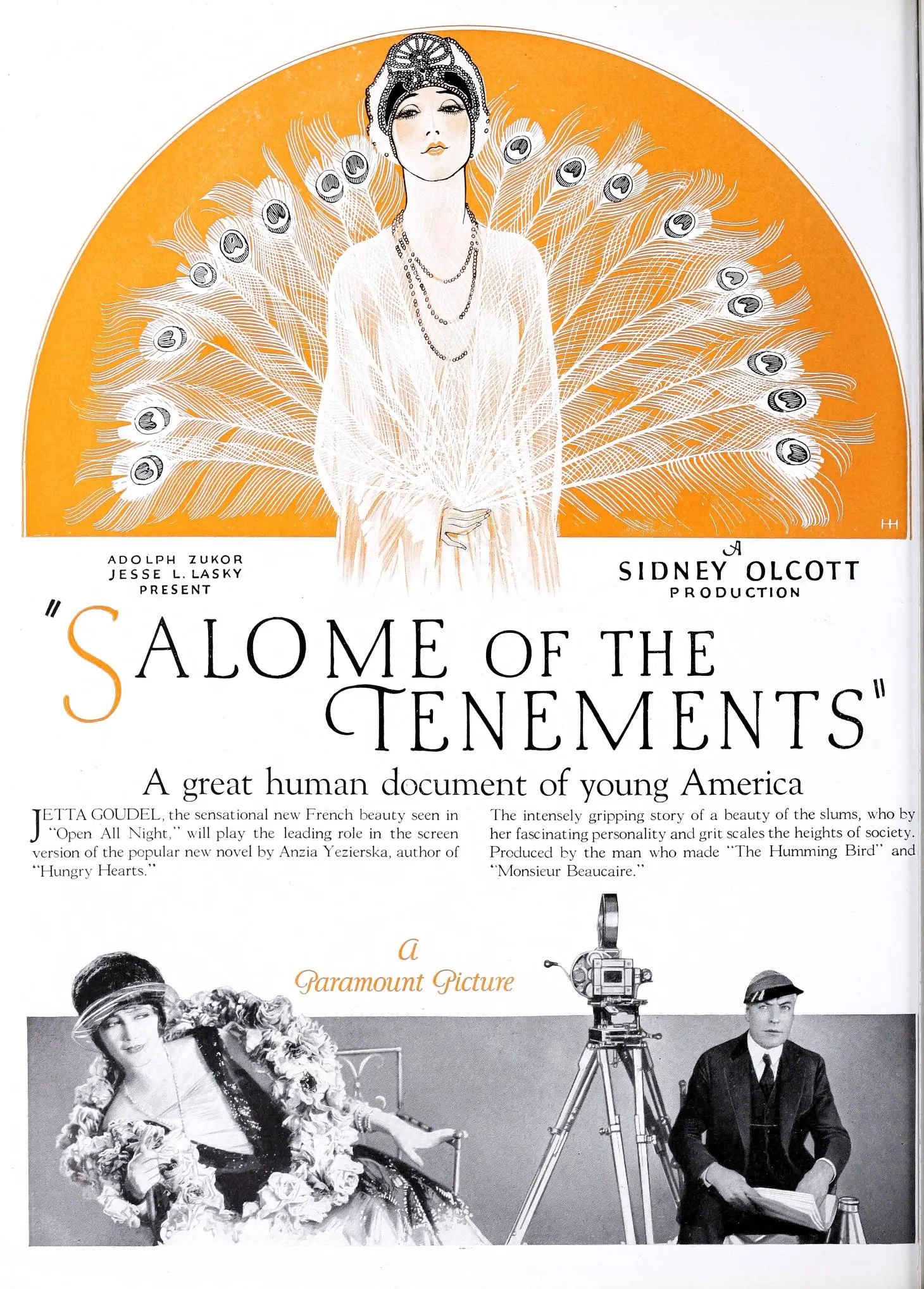
In the cinematic landscape of the early 20th century, Salome of the Tenements stands as a testament to the enduring themes of love, power, and deception. This silent film, based on Anzia Yezierska's novel of the same name, offers a fascinating glimpse into the lives of immigrants on New York's Lower East Side.
The story revolves around Sonya Mendel, affectionately known as Salome due to her string of romantic conquests, which she literally wears on her belt. This clever and pretty young woman works as a reporter for the Jewish Daily News, using her wit and charm to navigate the complexities of her community. Her sights are set on John Manning, a wealthy philanthropist crusading against graft in the neighborhood. Their whirlwind romance culminates in marriage, but Sonya harbors a dark secret: she is deeply indebted to the very loan sharks John seeks to eradicate.
As their relationship unfolds, the boundaries between love, power, and manipulation become increasingly blurred, threatening to upend John's mission and their marriage. This narrative thread is expertly woven, keeping the audience engaged and invested in the characters' fates. The film's portrayal of Sonya's cunning and determination raises questions about the nature of power and the lengths to which individuals will go to achieve their goals.
Salome of the Tenements is a film that defies easy categorization, blending elements of romance, drama, and social commentary. Its exploration of the immigrant experience, particularly the challenges faced by women, adds depth and nuance to the narrative. The film's use of setting, character development, and plot twists creates a rich tapestry that rewards close attention.
In comparison to other films of the era, such as Fesseln and In the Knicker Time, Salome of the Tenements stands out for its unflinching portrayal of the immigrant experience. While films like Don't Tell Everything and King of the Circus may share similar themes, Salome of the Tenements approaches these topics with a unique blend of wit, charm, and social commentary.
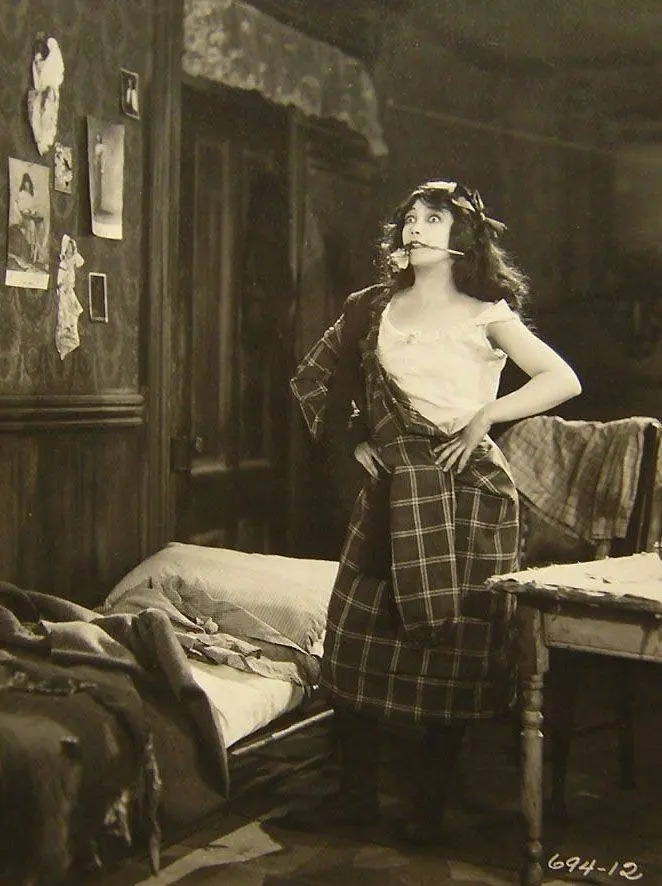
The cast, including Lazar Freed, Nettie Tobias, and Godfrey Tearle, delivers strong performances that bring depth and nuance to the narrative. The writing, credited to Sonya Levien and Anzia Yezierska, is clever and engaging, with a keen eye for character development and plot twists.
In conclusion, Salome of the Tenements is a film that warrants close attention and critical acclaim. Its exploration of love, power, and deception, set against the backdrop of New York's Lower East Side, offers a fascinating glimpse into the lives of immigrants in the early 20th century. With its strong performances, clever writing, and nuanced portrayal of the immigrant experience, this film is a must-see for anyone interested in classic cinema.
The film's themes of love, power, and deception are timeless, and its exploration of the immigrant experience is both poignant and thought-provoking. As a work of cinematic art, Salome of the Tenements is a testament to the enduring power of film to captivate, educate, and inspire audiences.
In the context of early 20th-century cinema, Salome of the Tenements occupies a unique position, blending elements of romance, drama, and social commentary. Its influence can be seen in later films, such as As a Woman Sows and A Man of Sorrow, which also explore themes of love, power, and social justice.
The film's use of setting, character development, and plot twists creates a rich tapestry that rewards close attention. The performances, writing, and direction all contribute to a narrative that is both engaging and thought-provoking.
Salome of the Tenements is a film that continues to resonate with audiences today, offering a glimpse into the lives of immigrants in the early 20th century. Its exploration of love, power, and deception is both timeless and timely, making it a must-see for anyone interested in classic cinema.
IMDb 5.2
1936
Community
Log in to comment.