DbcultAccessing Vault...
Cult Review
Senior Film Conservator
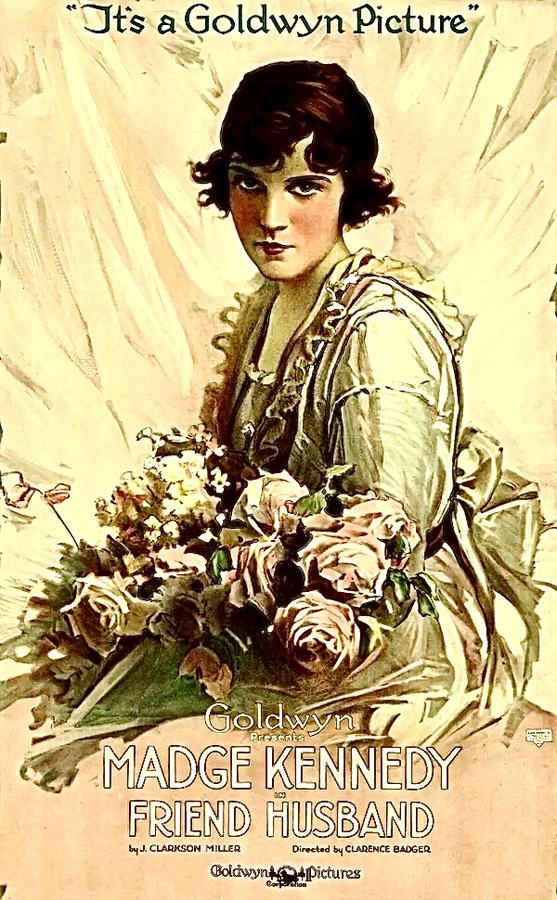
Friend Husband (1920): A Silent Film of Irony and Transformation
By [Your Name], January 2024
The 1920 silent film Friend Husband, directed with a keen eye for social critique, positions itself as a seminal work in the early 20th-century American cinema landscape. Centering on Dorothy Dean (played with proto-feminist vigor by Madge Kennedy), the narrative unfolds as a study of financial precarity, gendered constraints, and the performative nature of matrimony. The film’s dialogue—though absent in voice—resonates through visual metaphor and intertitle poetry, crafting a story that is as much about the era’s socioeconomic anxieties as it is about individual agency.
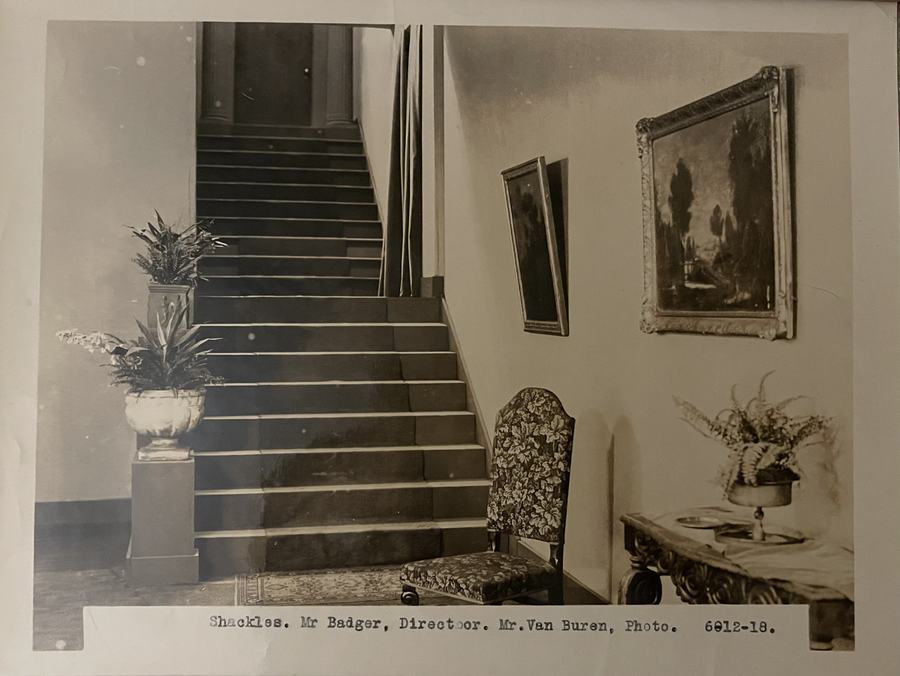
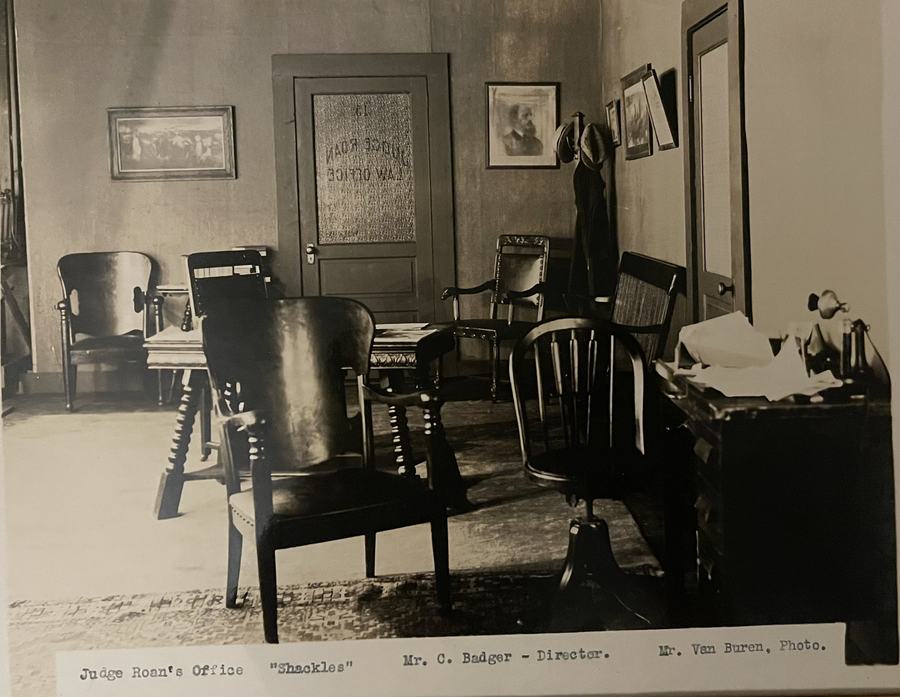
Dorothy’s initial rejection of marriage as an institution is framed not as rebellion, but as a pragmatic alignment with her modern sensibilities. Her wealth, inherited from a relative, is contingent upon her marital status—a condition that underscores the patriarchal control over female autonomy. Enter Judge Roan (Paul Everton), a character whose moral flexibility mirrors the transactional ethos of the film’s world. His role as both legal arbiter and facilitator of Dorothy’s marriage to Don Morton (Rockliffe Fellowes) highlights the commodification of relationships, a theme that echoes in later works like Hands Up (1918), where social conventions are similarly satirized.
Don’s acceptance of a $10,000 check to wed Dorothy is a transaction steeped in irony. His subsequent retreat to a desolate island with her—a decision that veers into melodrama—is a narrative pivot that transforms the film from a satire into a drama of emotional awakening. The island, rendered in stark black-and-white cinematography, becomes a liminal space where the boundaries between duty and desire blur. Don’s earnest attempts to connect with Dorothy, juxtaposed with her initial resistance, evoke the unresolved tensions of early 20th-century gender politics. This dynamic is reminiscent of the strained partnerships in For the Queen’s Honor, though here the stakes are personal rather than national.
The film’s climax—a violent encounter with thieves that leaves Dorothy fighting for her life—serves as a narrative rupture. Don’s return to rescue her is not only a literal act of heroism but a symbolic reclamation of his role as a husband. Dorothy’s subsequent realization that she values this relationship, despite its origins in financial pragmatism, is a poignant commentary on the era’s limited options for women. This resolution, while bittersweet, is typical of the genre’s tendency to reconcile ideological conflicts with narrative convenience, a trope also seen in A Lady’s Name.
Madge Kennedy’s performance as Dorothy is a masterclass in silent film acting. Her expressions—a blend of defiant stillness and subtle micro-movements—economically convey the character’s internal conflict. Paul Everton’s Judge Roan, meanwhile, embodies the era’s archetype of the amoral facilitator, a role that would evolve into more morally complex characters in later cinema. Rockliffe Fellowes’ portrayal of Don Morton is particularly noteworthy; his gradual shift from a detached businessman to a genuinely concerned husband is rendered with understated depth, a contrast to the more overt romantic tropes of At the Cross Roads.
The film’s visual language—marked by stark contrasts and symbolic use of light—enhances its thematic resonance. The island’s isolation is mirrored in the framing of Dorothy and Don, often shot in wide angles that emphasize their separation from society. The use of shadows during their emotional confrontations suggests the psychological weight of their decisions. These techniques recall the stylistic innovations of Le Cirque de la Mort, though Friend Husband employs its visual elements more thematically than dramatically.
Thematically, Friend Husband oscillates between critique and compromise. It exposes the economic underpinnings of marriage while ultimately endorsing its social function—a duality that feels both progressive and regressive. This complexity is amplified by the intertitles, whose poetic phrasing (“A contract born of gold, yet forged in the fires of fate”) adds a layer of literary sophistication. The film’s ending, where Dorothy and Don embark on a “real honeymoon,” is a narrative sleight of hand that masks the unresolved contradictions of their union. This ambivalence is a hallmark of the silent film era, where social commentary often coexisted with commercial storytelling demands.
Comparisons to Shame and Body and Soul are instructive. While those films grapple with broader existential questions, Friend Husband focuses on the microcosm of individual agency within institutional constraints. Its legacy lies in its ability to balance satire with pathos, a feat that modern critics often overlook. The film’s exploration of financial dependency and gender roles remains startlingly relevant, even as its resolution feels bound by the conventions of its time.
In conclusion, Friend Husband is a nuanced artifact of early cinema, offering a layered examination of marriage as both a social contract and an emotional quagmire. Its strengths lie in its sharp characterizations, visual storytelling, and the prescient questions it raises about autonomy and financial security. While its narrative concessions to the era’s limitations may seem incongruous, they also provide a window into the evolving discourse on gender and class. For enthusiasts of silent film, this work stands as a testament to the genre’s capacity to blend wit, drama, and social critique in a single, enduring frame.
IMDb 6.8
1936
Community
Log in to comment.