DbcultAccessing Vault...
4.3/10
Senior Film Conservator
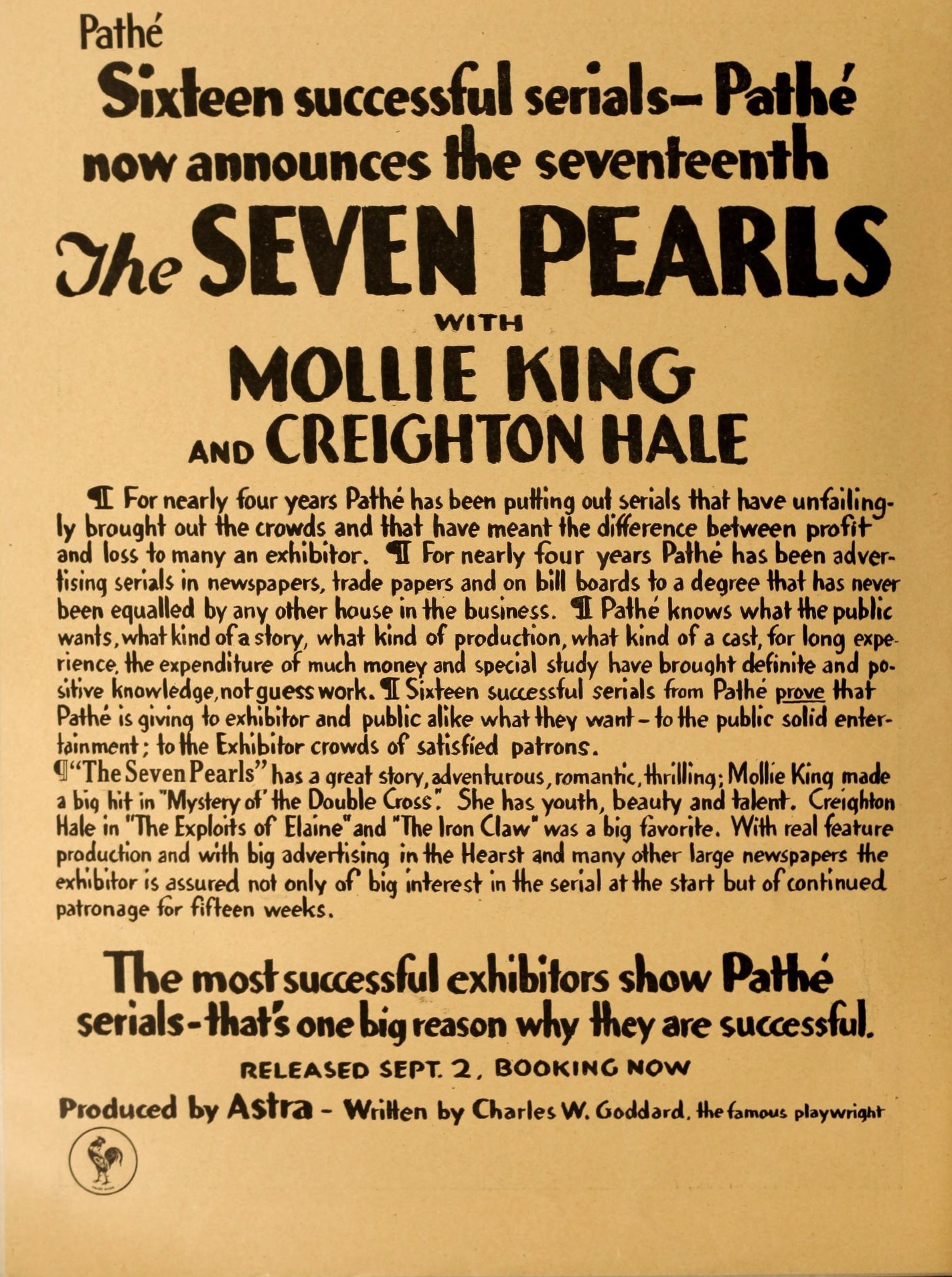
A definitive 4.3/10 rating for a film that redefined the boundaries of cult cinema. The Seven Pearls remains a cornerstone of transgressive art.
Embarking on a cinematic journey through the labyrinthine thrills of early 20th-century serials, one finds few examples as relentlessly inventive and dramatically charged as The Seven Pearls. This episodic marvel, a true testament to the era's storytelling prowess, plunges its audience into a world where peril lurks at every turn, and the stakes for its protagonists are nothing short of life and death. The narrative, a dizzying cascade of captures and escapes, centers on the indomitable spirit of Ilma, whose very existence, and that of her father, hinges upon the recovery of seven precious pearls. These aren't mere jewels; they are the anchors of her destiny, the instruments of a tyrannical Sultan's decree, and the driving force behind a saga spanning fifteen exhilarating chapters. From its very inception, the serial establishes a tone of heightened melodrama and breathless suspense, pulling viewers into a vortex of intrigue that rarely loosens its grip.
The central dilemma facing Ilma is a cruel one: recover the pearls or condemn her father to death and herself to the Sultan's harem. This potent threat, delivered by the formidable Kismet, the Sultan's executioner, imbues every subsequent event with a profound sense of urgency. Her quest is immediately complicated by the arrival of Harry Drake, a man whose love for Ilma blossoms amidst the chaos, transforming him from a mere suitor into her unwavering champion. Their relationship, a beacon of loyalty in a world rife with betrayal, forms the emotional core of the serial. Harry's commitment is tested repeatedly, as seen in "The Bowstring" where he offers to infiltrate Grady's gang for Ilma's sake, demonstrating a readiness to dive headfirst into danger for her protection. The pearls themselves become a macguffin of epic proportions, constantly changing hands, appearing and disappearing with a frustrating regularity that serves to amplify the narrative tension and keep the audience perpetually guessing.
At the heart of the serial's villainy lies the formidable figure of Perry Mason, a character whose name, ironically, would later become synonymous with justice. Here, he is a master of disguise and a purveyor of diabolical schemes, his malevolence a constant shadow over Ilma and Harry's efforts. Mason's traps are as ingenious as they are cruel, designed not merely to incapacitate but to inflict maximum psychological and physical torment. Consider the chilling scenario in "The Air Peril," where Ilma, captured by Mason, is tied to a balloon, a tube of acid set to slowly eat away her bonds, leaving her to an agonizing death in mid-air. This particular episode highlights the sadistic creativity of Mason, whose mind seems to perpetually conjure new forms of torment. Later, in "Between Fire and Water," he traps Harry and Ilma in a water-tight cellar, intending to drown them before burning down the entire house to conceal his crime. Such elaborate, multi-layered death traps are a hallmark of Mason's villainy, making him a truly unforgettable antagonist in the annals of serial cinema. His ability to appear in various guises, from an old woman to a working mason, underscores his cunning and his pervasive threat, ensuring that danger could literally be anyone, anywhere.
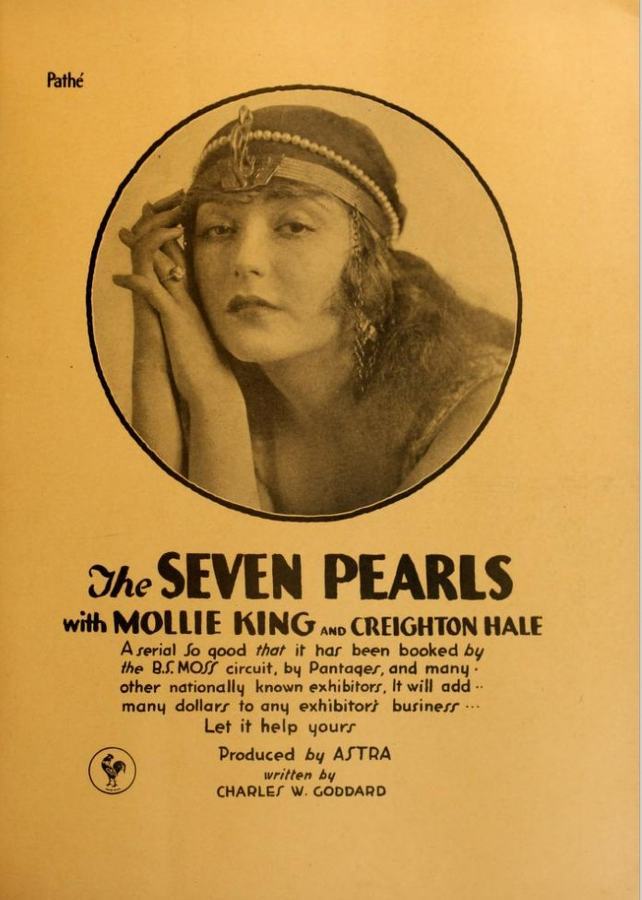
Further complicating the protagonists' already arduous journey is the enigmatic presence of Kismet. Initially introduced as the Sultan's fearsome executioner, his role evolves beyond that of a simple antagonist. Kismet often operates in the shadows, his motives frequently unclear. At times, he is a direct threat, enforcing the Sultan's decree with a stern hand. At others, he acts as an unlikely informant, warning Harry of Ilma's danger, or even rescuing her from certain death. This ambiguity adds a fascinating layer to the narrative, preventing the audience from easily categorizing him as purely good or evil. He is an instrument of fate, a force that both hinders and, occasionally, aids the protagonists, making his appearances consistently unpredictable. Beyond Kismet and Mason, a rogues' gallery of lesser villains, including members of Grady's gang like Stayne and Jack, provide additional obstacles, each contributing to the relentless pressure on Ilma and Harry.
The relationship between Ilma and Harry stands as a powerful counterpoint to the relentless danger. Harry's devotion is unwavering, his declarations of love often punctuating moments of intense peril. He is the quintessential hero: brave, resourceful, and utterly committed to Ilma's safety and success. Ilma, for her part, is no damsel in distress; she is a woman of remarkable resilience and agency. Despite her vulnerabilities and the emotional toll of her quest, she actively participates in their schemes, often taking the initiative, such as when she tries to secure a key to the Mason home or confronts Jack in his armor. Their partnership is built on mutual trust and shared sacrifice, a bond forged in the crucible of constant threat. The constant romantic tension, frequently interrupted by unforeseen dangers, makes their eventual union feel hard-won and deeply earned, a triumph of love against impossible odds.
The serial format itself is a character in The Seven Pearls, driving its narrative structure and audience engagement. Each episode, a self-contained burst of action and suspense, concludes with a tantalizing cliffhanger, designed to compel viewers back for the next installment. From Ilma plummeting into a lake after a balloon escape to being left to drown in a water-tight cellar, or even being swept towards Niagara Falls in a box, these climaxes are masterclasses in suspense. The audience is left on tenterhooks, desperately wondering how the protagonists could possibly survive. This episodic storytelling, a popular form of entertainment in the silent film era, truly shines here, demonstrating how effectively a series of escalating crises can maintain viewer interest. It's a relentless pace that never allows for a moment's respite, constantly pushing the boundaries of what its heroes can endure.

The ingenuity, and at times, the sheer absurdity, of the escapes and counter-plots are part of the serial's charm. While some resolutions stretch the bounds of belief – a collapsing cellar floor conveniently dropping them into an abandoned mine, for instance – they are delivered with such conviction that suspension of disbelief is readily granted. The use of a kite string to escape pursuers on the Hudson, or the impromptu battle between Harry and Jack in suits of armor, are moments that blend the fantastical with the thrilling, creating indelible images. The plot twists are frequent and often unexpected, such as Perry Mason's temporary amnesia in "The Abandoned Mine," which transforms him into a harmless, childlike figure before Kismet's vial restores his malevolent memory. These narrative diversions keep the story fresh and unpredictable, preventing it from becoming a mere repetitive cycle of capture and escape.
Beneath the surface of high-octane action, The Seven Pearls explores themes of duty, sacrifice, and the corrosive nature of greed. Ilma's duty to her father is absolute, driving her through unimaginable trials. Harry's sacrifice of personal safety for love is equally profound. The pearls, while symbolic of immense wealth and power, also represent a curse, bringing nothing but conflict and danger to all who possess them. Trust is a fragile commodity, constantly betrayed by figures like Stayne, who, despite being saved by Harry, initially reneges on his promise to surrender a pearl. Even the final confrontation in the wax museum, a macabre tableau of murder, serves as a grim commentary on the ultimate price of obsession and villainy. The narrative deftly weaves these deeper currents into its thrilling fabric, elevating it beyond mere spectacle.
The climax of the serial is a breathtaking culmination of all its preceding tensions. The race against the Sultan's deadline grows increasingly desperate. The seventh pearl, the most elusive of all, becomes the focal point, leading to a frantic bidding war and a final, brutal struggle. The Eden Musee, with its chilling wax figures, provides a fittingly eerie backdrop for the ultimate showdown. Perry Mason's audacious attempt to impersonate his own wax figure in a murder tableau, thereby throwing off his pursuers, is a stroke of villainous genius. However, his hubris leads to his undoing. Kismet, the enigmatic executioner, reappears, demanding one of the pearls for his people, leading to a fatal struggle that claims both his and Mason's lives. This grim, almost poetic justice ensures that the villains meet a definitive end, clearing the path for Harry and Ilma's hard-won triumph and their eventual union. The resolution of the pearls' ownership and the romantic conclusion provide a satisfying, if somewhat bittersweet, closure to the epic journey.
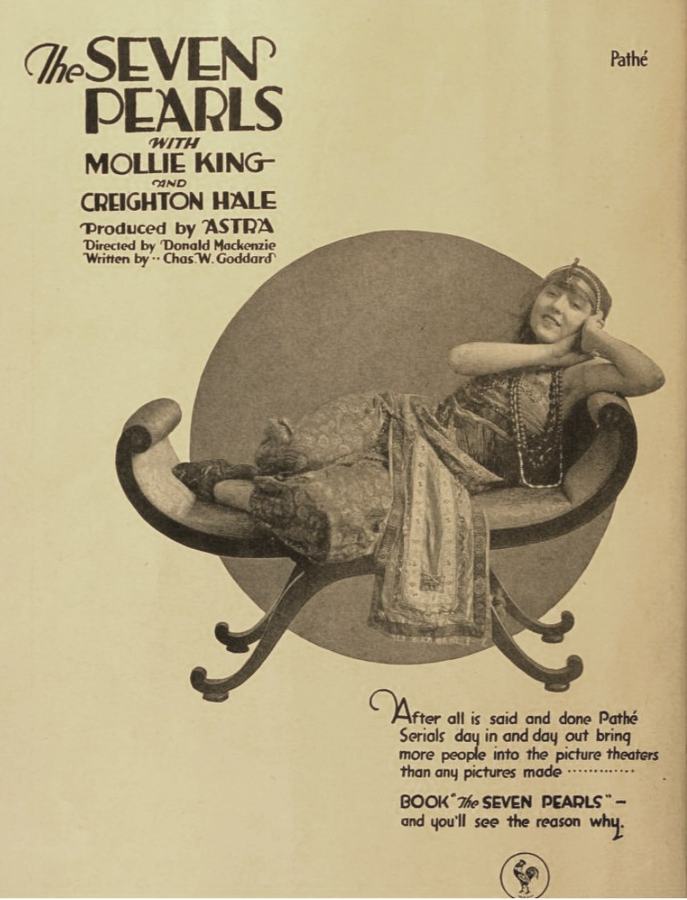
The portrayal of the "Sultan's harem" and the "executioner" Kismet are indicative of the prevalent Orientalist tropes of the early 20th century, drawing upon exoticized depictions of the Middle East for dramatic effect. While these elements provide a compelling initial impetus for Ilma's quest, it's important to view them through the lens of historical context, recognizing the cinematic conventions of the period. The serial skillfully uses these elements to create a sense of urgency and cultural otherness, propelling the narrative forward with a distinct flavor of adventurous fantasy. The ultimate resolution, where Ilma dons a Turkish costume and Harry playfully accepts his "Harem," speaks to a romanticized assimilation, a happy ending that brings their perilous journey to a close with a nod to the very cultural elements that initiated their struggle.
The enduring legacy of The Seven Pearls lies in its masterful execution of the serial form. It is a prime example of how silent cinema could captivate audiences with intricate plots, dynamic characters, and an unwavering commitment to high-stakes adventure. Writers, though uncredited in the provided synopsis, crafted a narrative that is both expansive and tightly paced, balancing grand schemes with intimate moments of character development. The performances, particularly by Mollie King as Ilma and Creighton Hale as Harry, would have been crucial in conveying the emotional intensity and physical demands of their roles, bringing these pulp heroes to vibrant life on screen. This serial, much like its contemporaries such as The New Exploits of Elaine, helped define the genre, establishing conventions that would influence action and adventure storytelling for decades to come. It showcases the raw power of visual narrative at a time when cinema was still finding its voice, delivering thrills that resonate even today.
Revisiting the intricate plot reveals a meticulous construction of escalating threats. The early episodes, like "The Bowstring," establish the immediate peril and Harry's chivalrous intervention, setting the stage for a relationship that defies the constant turmoil. The mysterious return of a pearl, followed by Harry losing his own in a gamble, immediately reintroduces the element of unpredictability. The sequence in the picture gallery, with Jack in a suit of armor, is a wonderfully theatrical moment, culminating in a medieval-style sword fight between Jack and the disguised Harry. This blend of the anachronistic and the thrilling is a signature of the serial's charm. Ilma's relentless pursuit of the pearls is never passive; she often instigates action, as when she demands Jack's pearls or later, when she works to clear Stayne's name in "The Air Peril" to gain a pearl. Her journey is one of proactive engagement, not just reactive survival.
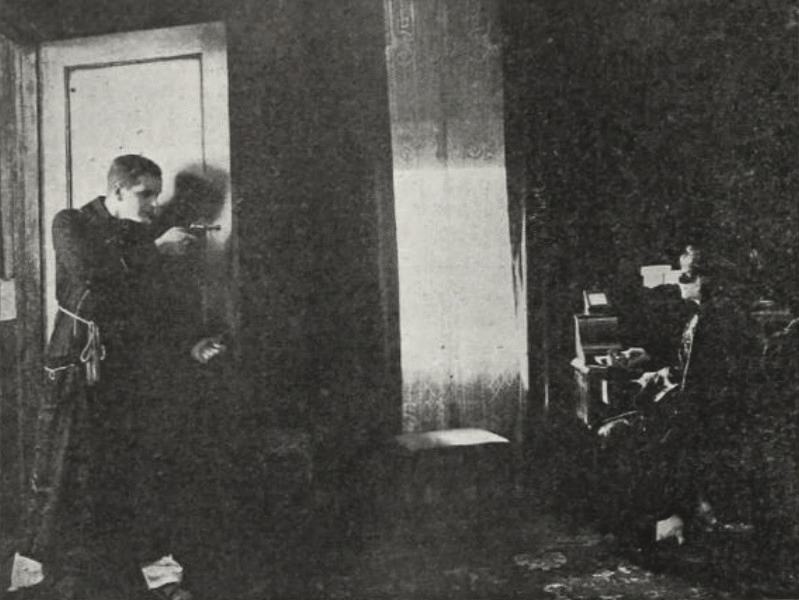
Perry Mason's villainy truly blossoms in "The Air Peril," where his capture of Ilma and the subsequent acid-balloon trap showcase his extreme cruelty. The meticulous detail of the rope being eaten away by degrees while Ilma is suspended in mid-air is a particularly chilling touch, a testament to the serial's commitment to dramatic tension. The resourcefulness of the protagonists, however, often matches the villain's cunning. Their escape from the balloon, falling into a lake in "Between Fire and Water," and subsequent evasion of Mason's hydroplane by hiding under a fisherman's boat, demonstrates a quick thinking that is essential for survival in this perilous world. The ceaseless back-and-forth of possession of the pearls, often snatched away moments after being recovered, creates a thrilling cycle of hope and despair, keeping the audience emotionally invested in every turn of fortune.
The "Abandoned Mine" episode offers a unique twist with Perry Mason's temporary amnesia, transforming the ruthless villain into a lost, almost pitiable figure. His childlike behavior, playing with a pearl he unknowingly possesses, is a brief moment of dark comedy amidst the danger. This interlude, however, is quickly shattered by the discovery of the counterfeiters' den, adding another layer of underworld intrigue to the already complex plot. Harry's quick thinking to conceal Ilma and Perry, only to be betrayed by the amnesiac Mason, underscores the constant peril and the unpredictable nature of their journey. The nitroglycerin standoff, a desperate gamble by Perry, highlights the explosive stakes and the often-fortuitous nature of their escapes, as falling timbers knock everyone senseless, paving the way for rescue.
The serial never shies away from placing its heroes in seemingly inescapable predicaments. The pursuit of the pearl held by Parsons, the jeweler, in "The Warning on the Wire," leads to a convoluted plot involving a corrupt dentist, a coded message, and a race against time to save Mayor Winton from a poisoned tooth. Ilma's daring feat of tying a rope around herself and being lowered into a ravine to send a message via a broken electric wire is a standout moment of courage and desperation. Her subsequent electric shock and unconscious state underscore the physical toll of her relentless quest. These moments, where the characters push their physical and mental limits, are crucial to building empathy and admiration for their heroic efforts. The very fabric of their world seems designed to test their endurance at every possible juncture.
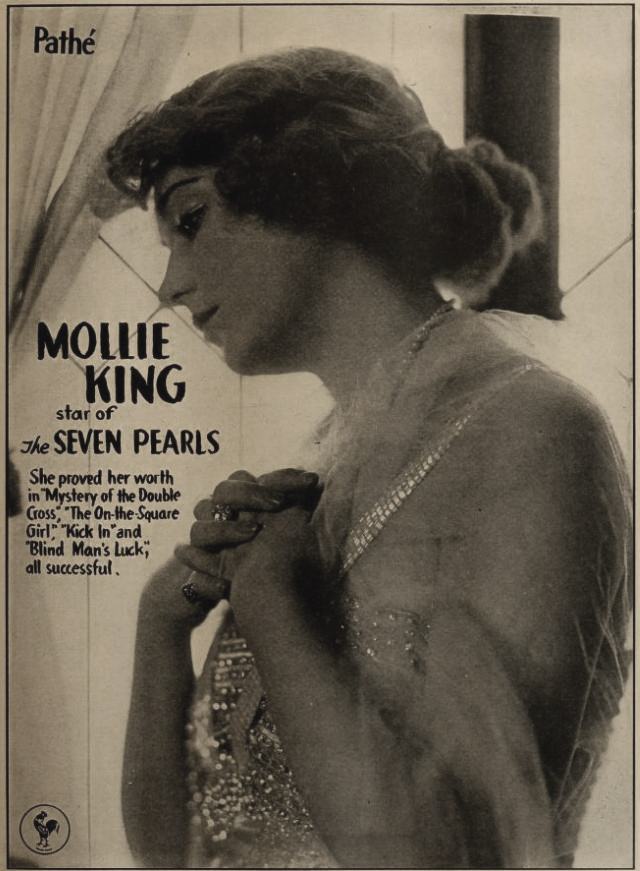
The "Hold-Up" episode demonstrates Harry's strategic brilliance as he infiltrates Grady's gang and manipulates the crooked banker, Falenti, to not only recover a pearl but also to outwit the criminals. His quick thinking to call the police, impersonating the banker, while Ilma covers Falenti and then mysteriously disappears, showcases their seamless teamwork and individual resourcefulness. This constant dance between deception and daring forms the core of their operational strategy. "Gems of Jeopardy" escalates the personal stakes once more, with Perry Mason threatening Ilma with vitriol, a horrifying display of his depravity. Kismet's timely intervention, once again blurring the lines of his allegiance, provides a momentary reprieve, only for the pearl to be lost again to Stokes, further illustrating the fleeting nature of their successes. The clever ruse with Harry as an inspector and Ilma as a detective, attempting to recover the pearl from Mrs. Stokes, is another example of their ingenious, albeit risky, methods.
The climax of the serial is a crescendo of peril. From Harry's rooftop struggle and daring drainpipe descent in "Buried Alive," to Ilma's capture and attempted live burial in a cave by Mason and Stayne, the dangers intensify. The "Over the Falls" episode is perhaps the most iconic, with Ilma trapped in a box, thrown into the river above Niagara Falls. Harry's desperate attempt to rescue her, being lowered by rope from a bridge, only for the noose to slip, is a heart-stopping cliffhanger that epitomizes the serial's commitment to high drama. The subsequent revelation that Ilma had miraculously escaped the box is a characteristic serial trope, allowing for continued narrative, but it doesn't diminish the impact of the initial peril. The relentless pursuit for the seventh pearl culminates in the dramatic confrontation at the Eden Musee, where justice, in its most brutal form, is finally served, bringing an end to Mason's reign of terror.
The narrative's final moments, after the resolution of the pearl crisis and the demise of the primary antagonists, pivot to the romantic triumph of Harry and Ilma. Their wedding, followed by Ilma in Turkish costume placing a fez on Harry's head and their playful exchange of "My Harry" and "My Harem," offers a culturally specific, yet ultimately romantic, conclusion to their arduous journey. It signifies not just the recovery of the pearls but the forging of a new life, a future secured through their combined courage and unwavering love. The Seven Pearls, through its relentless pace, inventive perils, and compelling characters, remains a vibrant example of early cinematic serials, a testament to an era when storytelling was often synonymous with pure, unadulterated adventure.
IMDb —
1920
Community
Log in to comment.