DbcultAccessing Vault...
Cult Review
Senior Film Conservator
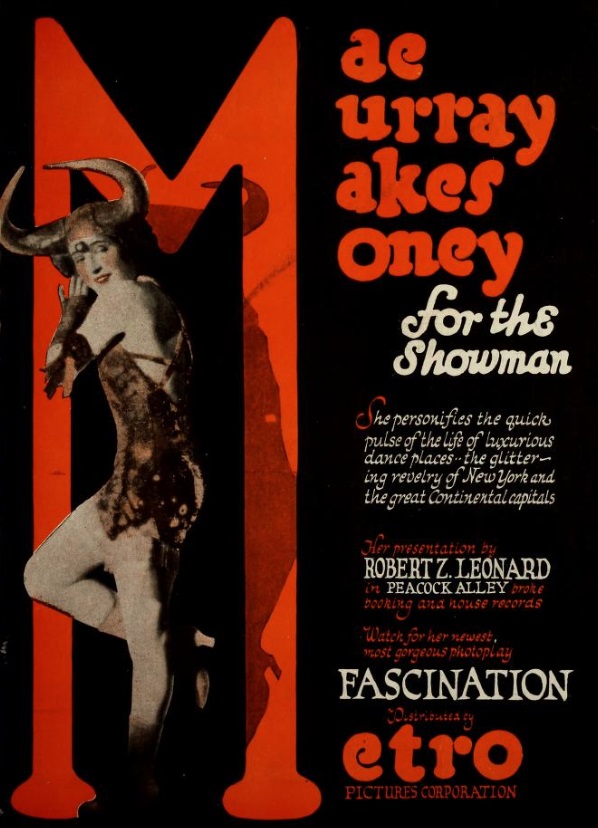
Stepping into the cinematic landscape of 1922, Edmund Goulding's Fascination emerges as a vibrant, if often overlooked, gem from the silent era, a period teeming with dramatic intensity and nascent star power. This film, a compelling narrative of cultural collision and burgeoning desire, captivates through its evocative portrayal of a young woman's awakening amidst the fiery backdrop of Spain. Mae Murray, a veritable icon of the period, delivers a performance that is both nuanced and utterly magnetic, embodying the spirit of a protagonist caught between worlds.
The story unfurls around a young woman, a beguiling product of dual heritage – a Spanish father and an American mother – living under the watchful, often stifling, eye of a strict aunt in sun-drenched Spain. Her life, a carefully constructed edifice of decorum and expectation, feels ripe for disruption. The very air around her seems to thrum with an unspoken yearning for something more, something beyond the rigid confines of her prescribed existence. This internal conflict, the quiet desperation beneath a veneer of obedience, is a theme that resonates deeply, recalling the societal pressures explored in films like What Will People Say?, where individual desires often clash with communal strictures.
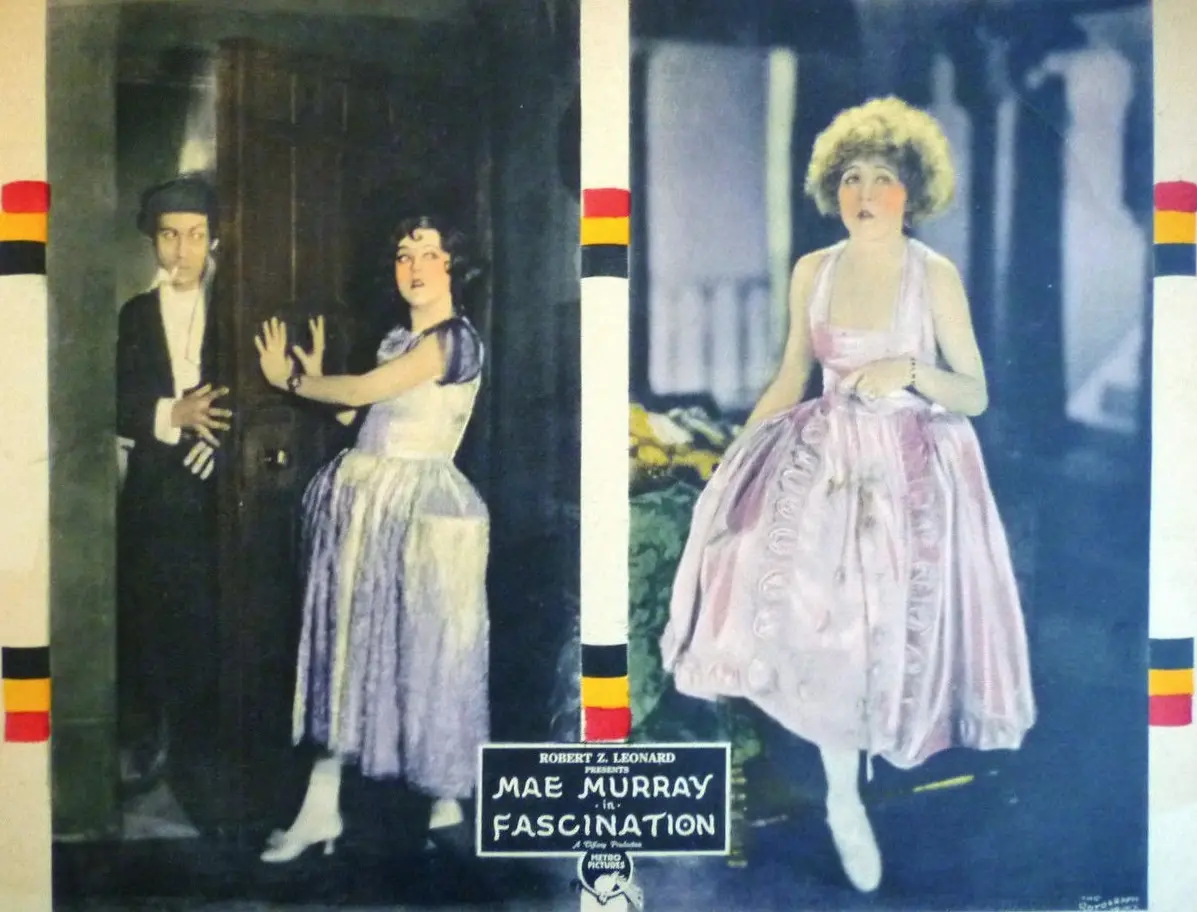
The catalyst for her transformation arrives in the form of a clandestine escape to a bullfight, an event that, for her, represents not merely a spectacle of sport, but a gateway to a realm of raw emotion and unbridled passion. The bullring, with its vibrant colors, the roar of the crowd, and the primal dance between man and beast, acts as a potent symbol of liberation. It is here, amidst the dust and danger, that her gaze falls upon Carrita, the toreador. Charles Lane, portraying Carrita, imbues the character with an almost mythical quality – a figure of heroic swagger and dangerous allure. His every movement, every flourish of the cape, is a testament to a life lived on the precipice, a stark contrast to the sheltered life our protagonist endures.
The immediate and profound fascination she develops for Carrita is the very crux of the film's title and its central dramatic engine. It is not merely infatuation, but an almost spiritual recognition of a kindred spirit, a soul that embodies the very freedom and intensity she craves. This connection transcends mere physical attraction; it is an intellectual and emotional awakening. Goulding masterfully uses the visual language of silent cinema to convey this burgeoning obsession, relying on close-ups, lingering gazes, and the subtle shifts in Murray's expressive face to communicate the depth of her feelings without a single spoken word. The silent film's reliance on visual storytelling elevates this 'fascination' into a palpable, almost tangible force.
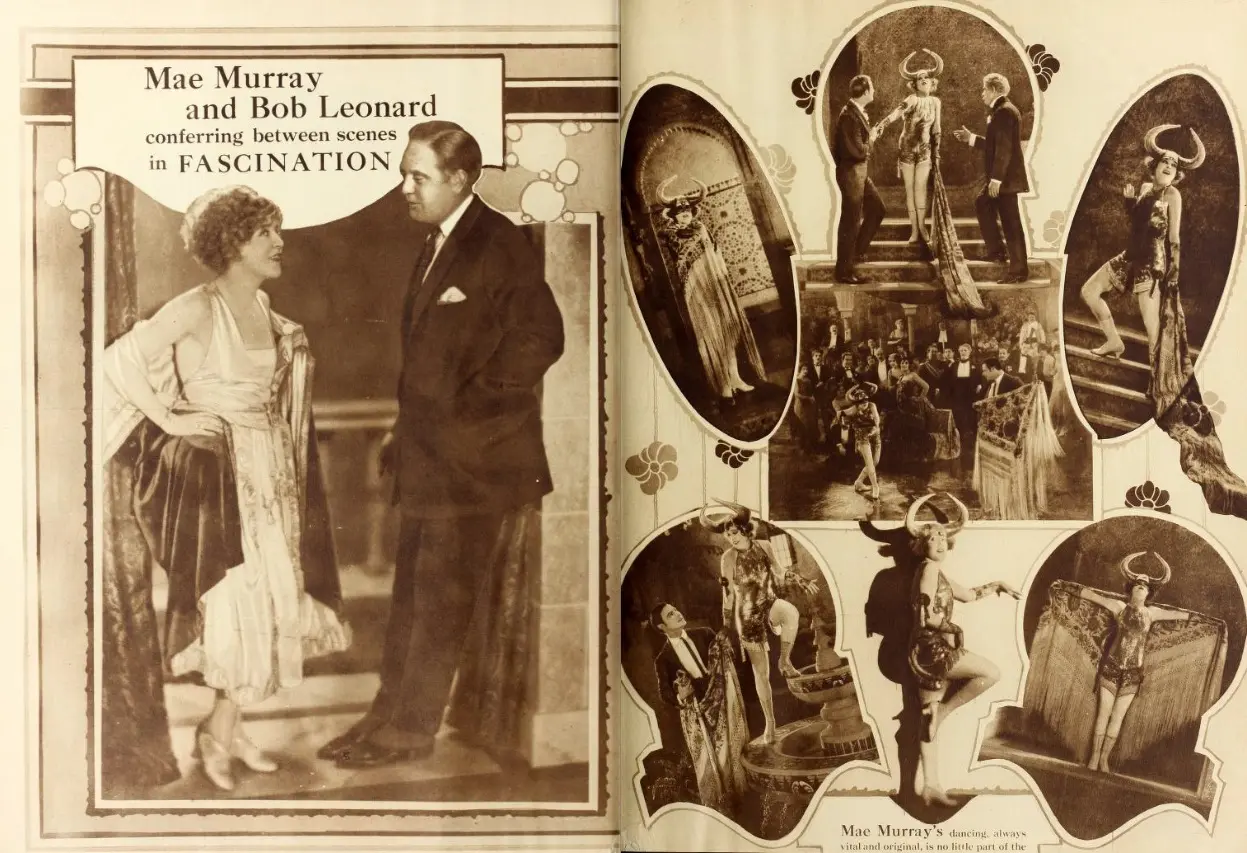
Mae Murray, with her distinctive 'bee-stung' lips and captivating screen presence, was a phenomenon of her time, and Fascination serves as an excellent showcase for her unique talents. Her portrayal of the young woman is a triumph of silent acting, blending vulnerability with a burgeoning defiance. She navigates the character's internal journey from demure compliance to passionate rebellion with remarkable grace and conviction. Her performance isn't just about grand gestures; it’s in the subtle tilt of her head, the flicker in her eyes, the way she holds herself – all communicating a rich inner life that draws the audience into her struggles and triumphs. One can draw parallels to the powerful female performances in other dramas of the era, where actresses like Mary Pickford or Lillian Gish commanded the screen with similar emotional depth, though Murray's persona often carried a more overtly glamorous and audacious edge.
The supporting cast, including Helen Ware as the formidable aunt and Creighton Hale in a key role, provides robust anchors to Murray's central performance. Ware, in particular, embodies the restrictive societal norms against which Murray's character chafes, creating a compelling antagonist whose motivations, while perhaps misguided, are rooted in a sense of duty and tradition. Robert Frazer and Courtenay Foote also contribute to the film's rich tapestry of characters, each adding layers to the unfolding drama, painting a vivid picture of the social milieu that both constrains and defines our protagonist.
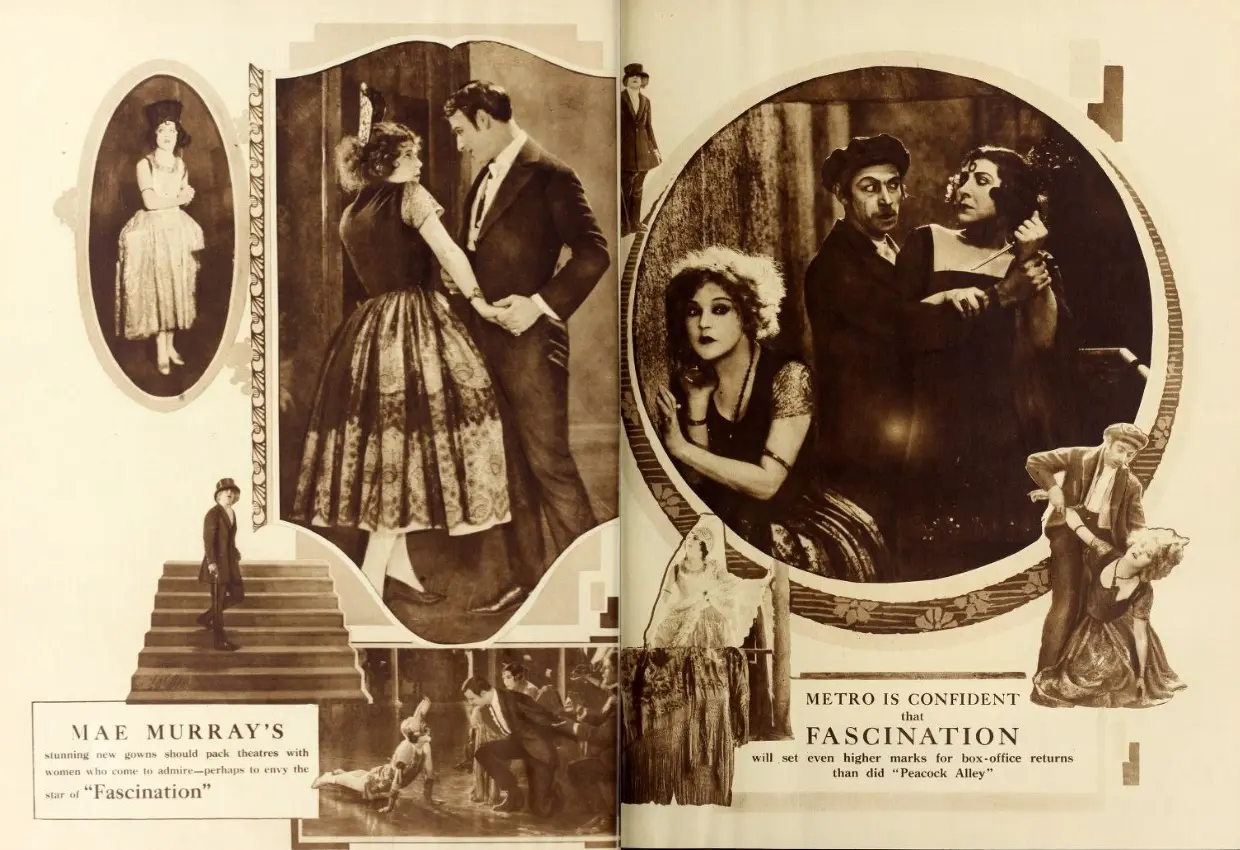
Edmund Goulding, a writer and director of considerable talent, crafts Fascination with a keen eye for visual poetry and dramatic pacing. The film, written by Goulding himself, benefits from a coherent and emotionally resonant script that translates beautifully to the screen. His use of light and shadow, prevalent in silent cinema, is particularly effective in Spain's sun-drenched landscapes and the shadowy interiors of the aunt's home, mirroring the internal light and darkness within the protagonist. The bullfight sequences, while perhaps not as graphically explicit as later cinematic depictions, are rendered with an intensity that captures the spectacle's inherent danger and allure, effectively conveying why it would so powerfully draw our heroine in.
Goulding understood the nuances of silent film acting, allowing his performers the space to emote and convey meaning through their physicality and facial expressions. This directorial philosophy is evident in every frame, ensuring that the audience remains deeply connected to the characters' emotional journeys. The narrative unfolds with a rhythm that builds steadily, culminating in moments of profound emotional release and pivotal decision-making. The film's pacing avoids the often-criticized sluggishness of some early features, maintaining a brisk yet deliberate tempo that keeps the viewer engaged from the opening scene to its satisfying conclusion. This nuanced approach to storytelling, focusing on character development alongside plot progression, sets it apart, much like the thoughtful narratives found in films such as The Great Adventure, which similarly explores personal journeys against grand backdrops.
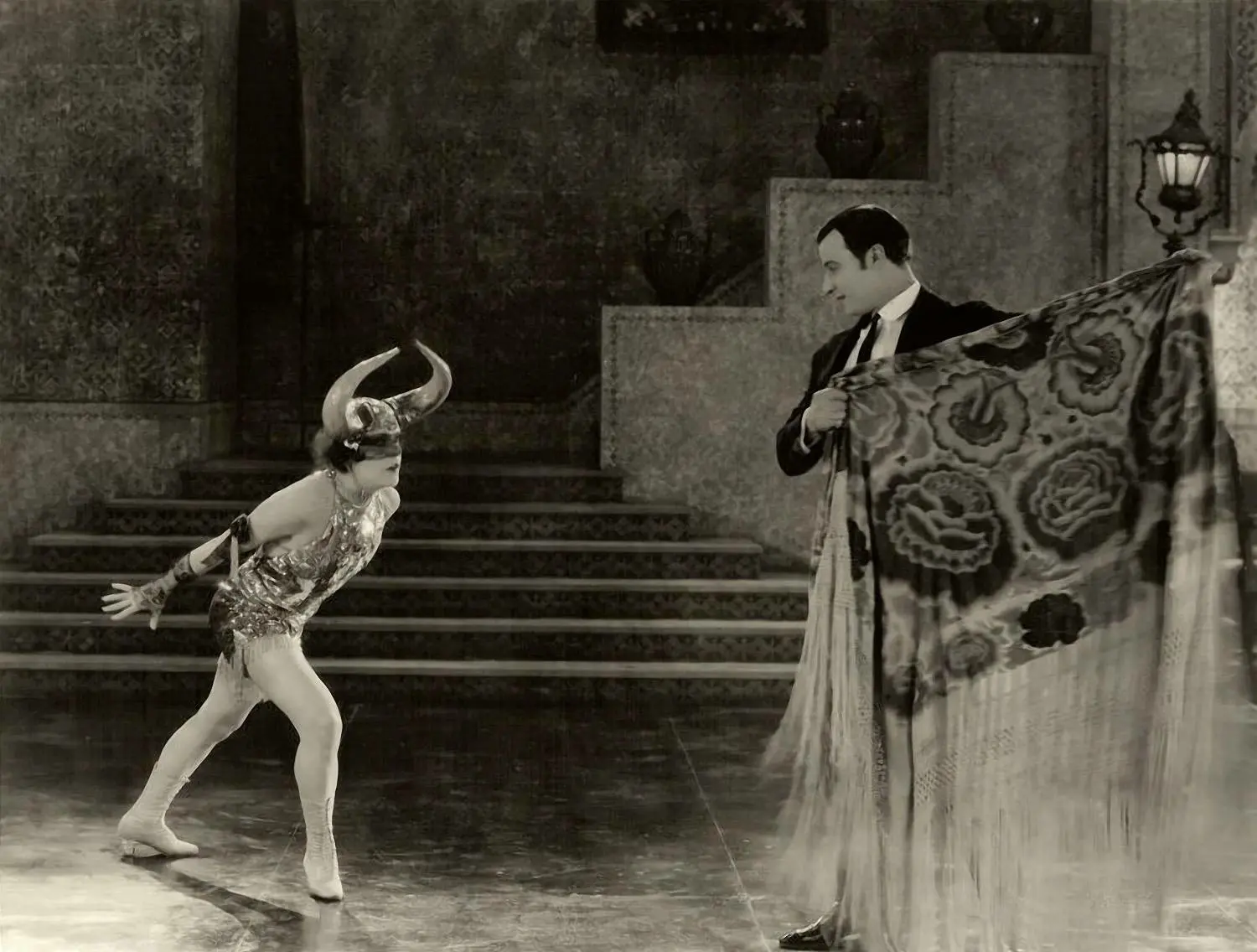
At its core, Fascination is a meditation on freedom – the freedom to choose one's path, one's love, and ultimately, one's identity. The protagonist's dual heritage serves as a powerful metaphor for her internal struggle: the American side perhaps yearning for self-determination and individual expression, while the Spanish side grapples with tradition, family honor, and societal expectations. This tension is palpable throughout the film, informing her every hesitant step towards Carrita and away from her aunt's rigid control. The choice of Spain as a setting is no accident; it provides an 'exotic' backdrop, a land of passion and drama that contrasts sharply with the perceived stoicism of American or Northern European cultures, a common trope in early Hollywood's depictions of foreign lands, similar to the romanticized locales in films like The Love Hermit.
The bullfighter, Carrita, embodies this exoticism and untamed spirit. He is a figure of danger and charisma, representing a life lived outside the conventional boundaries that confine our heroine. His profession itself is a symbol of defiance against mortality, a dance with fate that is both terrifying and exhilarating. The film suggests that true fascination often lies in that which challenges us, that which pushes us beyond our comfort zones and into realms previously unimagined. This quest for something more, for a life less ordinary, echoes the adventurous spirit found in narratives like The Sea Flower, where characters often embark on journeys of self-discovery through unconventional circumstances.
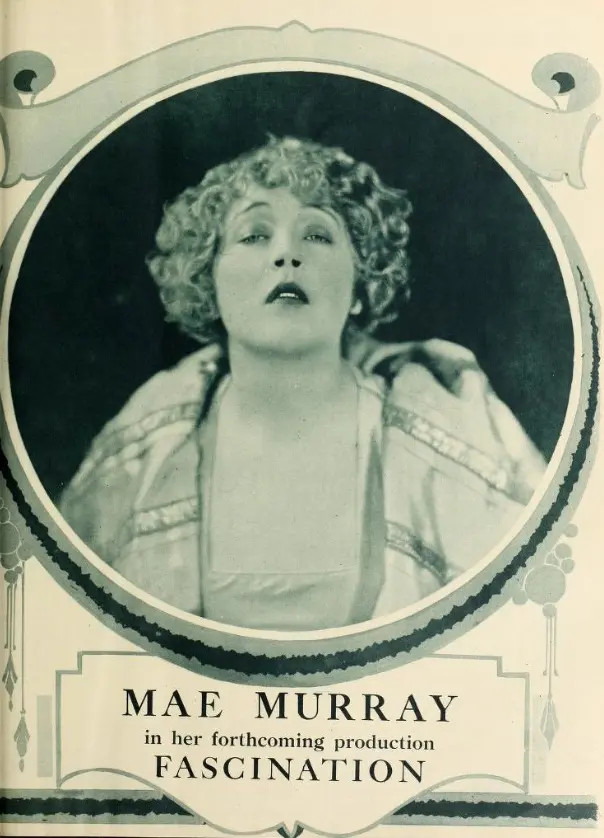
The portrayal of Spanish culture, while filtered through a Hollywood lens, attempts to capture some of its inherent drama and romance. The film doesn't shy away from depicting the strict social codes, but also celebrates the passion and vibrancy often associated with the region. This cultural interplay is crucial to understanding the protagonist's dilemma, as her choices are not merely personal but carry significant implications for her family and social standing. The film asks profound questions about assimilation, heritage, and the courage it takes to forge one's own path against deeply entrenched traditions. This exploration of cultural identity and societal pressure is a timeless theme, handled with surprising depth for a film of its era.
Fascination, like many silent films, offers a window into the values, anxieties, and entertainment sensibilities of its time. It’s a testament to the power of visual storytelling and the enduring appeal of romantic drama. While the film may not be as widely discussed as some of its contemporaries, its artistic merits and the compelling performance by Mae Murray ensure its place as a significant contribution to early cinematic history. For aficionados of silent cinema, it provides ample opportunity to appreciate the craft of filmmaking before the advent of synchronized sound, showcasing how directors and actors communicated complex emotions and narratives through purely visual means.
The film's exploration of forbidden love and societal transgression continues to resonate with modern audiences, proving that certain human experiences are universal, transcending the technological limitations of the medium. The allure of the 'bad boy' or the 'dangerous other' remains a potent narrative device, and Fascination deploys it with considerable skill. The yearning for escape, for a life lived authentically and passionately, is a sentiment that remains timeless. This emotional core is what truly elevates Fascination beyond a mere period piece, cementing its status as a compelling human drama.
In a broader context, Fascination contributes to the cinematic discourse on female agency and the challenges faced by women seeking autonomy in patriarchal societies. The protagonist's journey, from a passive object of familial control to an active agent in her own destiny, mirrors the broader cultural shifts occurring in the early 20th century. While not explicitly a feminist manifesto, the film subtly champions the individual's right to pursue happiness and self-fulfillment, even if it means defying established norms. This undercurrent of defiance and personal growth is a recurring motif in cinema, much like the struggles for individual identity seen in films such as Her Father's Son or even the more lighthearted explorations of self in Back Stage, albeit with different narrative aims.
Ultimately, Fascination is more than just a historical artifact; it is a vibrant narrative that continues to speak to the enduring power of love, the courage required for self-discovery, and the magnetic pull of the unknown. It invites viewers to immerse themselves in a world where glances speak volumes and emotions run deep, reminding us of the rich artistry that defined the silent film era. The film serves as a powerful reminder of how cinematic storytelling, even without dialogue, can create deeply moving and thought-provoking experiences that linger long after the final frame.
IMDb —
1923
Community
Log in to comment.