DbcultAccessing Vault...
Cult Review
Senior Film Conservator
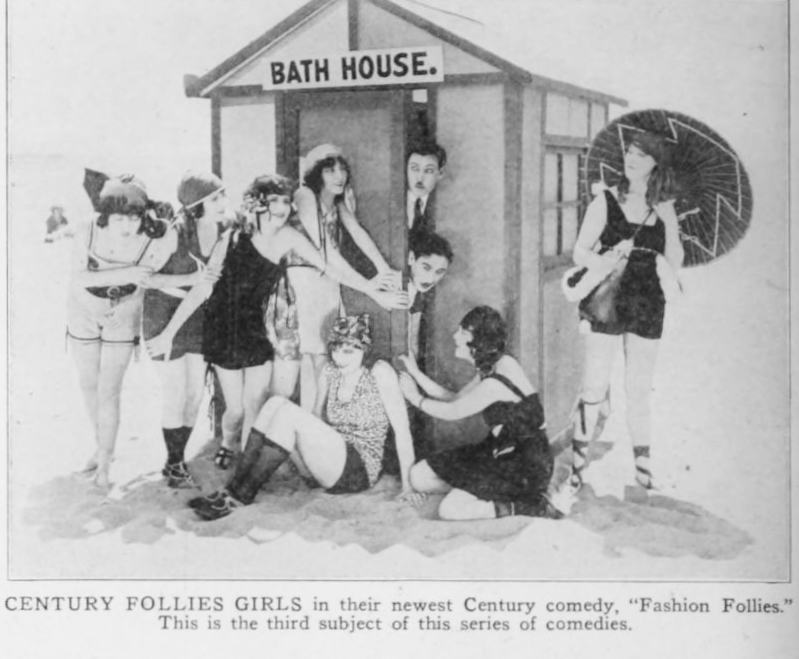
Stepping back into the cinematic tapestry of a bygone era, one encounters 'Fashion Follies' (1928), a film that, despite its seemingly straightforward premise, offers a fascinating, albeit fleeting, glimpse into the mechanics and mystique of early 20th-century show business. Penned by the prolific Albert Herman, whose fingerprints are discernible across a wide spectrum of silent and early sound productions, this picture is less a grand dramatic opus and more a delightful, often insightful, vignette. It captures the spirit of an age where traveling revues were the epitome of popular entertainment, bringing glamour and aspiration to towns far and wide. The film, in its quiet way, delineates the intricate dance between artistic spectacle and the very human, often humorous, challenges of its production.
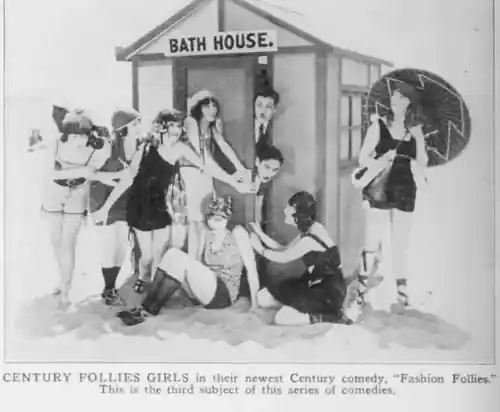
At the heart of 'Fashion Follies' lies the vibrant world of a touring fashion show, a concept that in itself was a potent blend of commerce and entertainment. These were not mere showcases of apparel; they were elaborate pageants, theatrical presentations designed to dazzle and inspire. The film's central figures are the 'girls' – a collective term that encompasses the celebrated Century Follies Girls and the equally enchanting Gorham Follies Girls – with the effervescent Doris Eaton leading the charge. Eaton, a genuine Ziegfeld Follies star, brought an authentic luminescence to the screen, her presence alone imbuing the production with a credible air of theatrical grandeur. Her grace, her stage presence, and her undeniable charm were not merely acting; they were an extension of her real-life persona, making the 'fashion follies' feel genuinely alive. The costumes, though likely glimpsed through the lens of early cinematography, would have been the very essence of the era's glamour, reflecting the sartorial revolution of the Roaring Twenties. One can almost hear the rustle of silk, the clinking of beads, and the hushed gasps of an audience captivated by the latest silhouettes and embellishments. This was an epoch when fashion was not just clothing but a statement, a symbol of newfound freedoms and modern sensibilities.
The very essence of a traveling show, as depicted in 'Fashion Follies,' is its transient nature. Each town is a new stage, a fresh audience, and a unique set of challenges. The logistical demands alone would have been immense: transporting elaborate sets, myriad costumes, and a large troupe of performers across varied landscapes. This itinerant existence, while exciting and glamorous on the surface, often masked a strenuous reality. The constant packing and unpacking, the endless train journeys, the unfamiliar lodgings – all contributed to a demanding lifestyle. Yet, it was precisely this nomadic charm that made these shows so appealing, both to the performers who sought adventure and to the audiences who craved a taste of metropolitan sophistication. The film, even in its brevity, manages to hint at this underlying tension between the glittering facade and the grittier realities of life on the road.
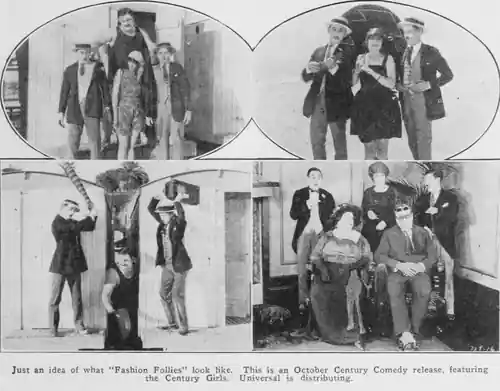
Enter Henry Murdock, cast as the perpetually harried manager, whose role extends far beyond mere logistics. He is the guardian of the show's reputation, the protector of its assets (both human and material), and the resolver of countless crises, both anticipated and unforeseen. Murdock's character embodies the often-thankless task of managing a troupe of attractive, spirited young women in an era where societal norms were shifting, but expectations of female propriety remained potent. His central dilemma, as the plot succinctly states, is 'keeping the boys away.' This isn't merely a minor annoyance; it's a significant operational challenge. The ardent admirers, the stage-door Johnnies, the local swains – their presence, while a testament to the girls' allure, could easily devolve into distraction, disruption, or even scandal. Such incidents could jeopardize the show's schedule, tarnish its image, and create internal friction within the troupe.
Murdock's predicament highlights a pervasive theme in entertainment history: the delicate balance between audience engagement and performer protection. On one hand, the audience's admiration fueled the show's success; on the other, unchecked adulation could undermine its very structure. The manager, therefore, becomes a gatekeeper, a diplomat, and sometimes, a reluctant disciplinarian. His struggle is palpable, a silent testament to the pressures faced by those who orchestrated these grand spectacles. His character, likely portrayed with a blend of exasperation and paternal concern, grounds the film in a relatable human experience, preventing it from becoming a mere parade of fashion. The film 'Fashion Follies' implicitly asks: how does one harness the very energy that threatens to derail a production? It's a question as old as performance itself.
Murdock's stroke of genius, or perhaps desperation, manifests in his decision to 'just hire them as helpers.' This is where the film truly finds its comedic and thematic stride. By transforming potential disruptors into integral, albeit ancillary, members of the touring company, the manager not only neutralizes a threat but also ingeniously co-opts their energy. Imagine the scene: the very boys who were once clamoring for attention, perhaps causing minor havoc, are now tasked with moving props, setting up backdrops, or assisting with costume changes. This solution is brilliant in its simplicity and profound in its implications. It’s a testament to pragmatic problem-solving, turning a liability into an asset. The boys, now with a vested interest in the show's smooth operation and perhaps even closer proximity to the objects of their admiration (under controlled conditions, of course), are likely to be far more compliant and focused. This dynamic shift offers rich potential for comedic scenarios and character development, even within the confines of a relatively short feature.
The hiring of these 'boys' as helpers introduces a new layer of complexity and humor. One can envision Zip Monberg's character, perhaps one of these newly recruited helpers, navigating the intricacies of backstage life, perhaps initially clumsy but eventually finding his rhythm. This not only provides a convenient plot device but also offers a satirical commentary on the nature of desire and opportunity. The boys, drawn by the allure of the Follies Girls, find themselves unexpectedly immersed in the demanding world of theatrical production. Their proximity, once a source of concern, now becomes a controlled environment, fostering a different kind of interaction. This managerial stratagem speaks to the resourcefulness required to sustain such an enterprise, a subtle
IMDb 6.5
1934
Community
Log in to comment.