DbcultAccessing Vault...
Cult Review
Senior Film Conservator
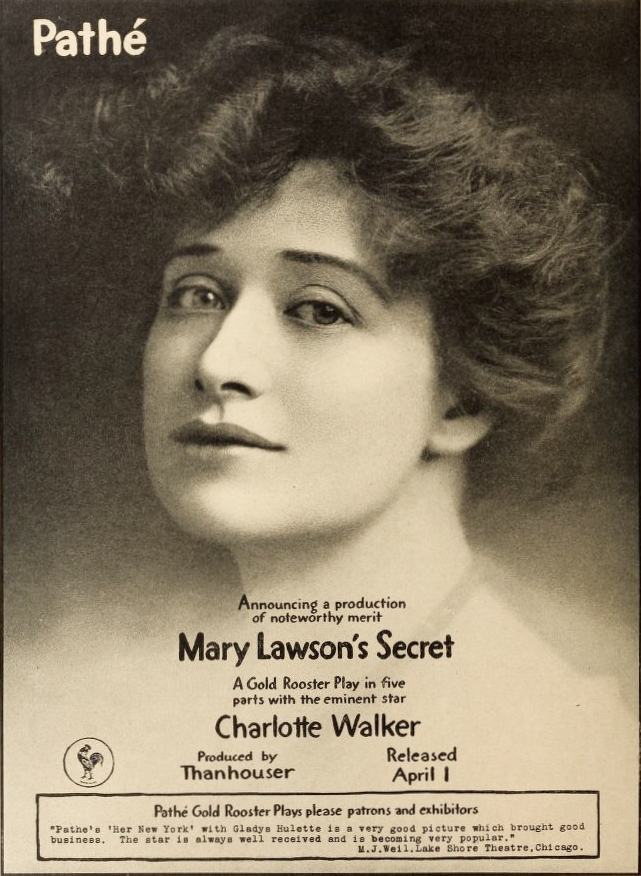
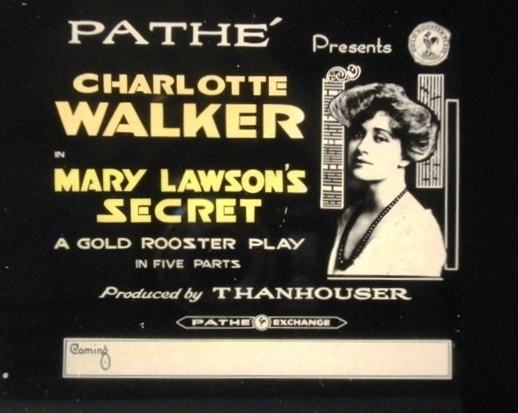
In the annals of early cinema, few narratives capture the raw emotional intensity and intricate moral dilemmas quite like Lloyd Lonergan's Mary Lawson's Secret. This cinematic gem, a profound exploration of innocence imperiled and justice deferred, stands as a testament to the enduring power of melodrama to probe the depths of the human spirit. It is a film that, even a century after its inception, resonates with a timeless quality, inviting audiences to ponder the capricious nature of fate and the resilience required to navigate its treacherous currents.
The story unfurls in a quaint, insular village, a microcosm of societal tensions, where the arrival of the progressive Dr. Brundage (portrayed with a compelling blend of charm and menace by William B. Davidson) acts as a catalyst for upheaval. His 'up-to-date methods' quickly win over the local populace, eroding the long-standing practice of the traditional, perhaps embittered, Dr. Kirk (J.H. Gilmour). Among Brundage's new patients is Mary Lawson's (Charlotte Walker) ailing, invalid mother, a detail that inextricably links Mary to the burgeoning conflict. It’s a classic setup: the disruption of a settled community by an outsider, a theme deftly explored in countless narratives, from literary classics to films like The Law Decides, where societal norms clash with individual fates. Mary, a woman of quiet dignity, finds herself caught in a vortex of unwanted attention when Brundage makes advances she vehemently repulses. In a moment of righteous indignation and profound despair, she utters words that will haunt her for years: "You have destroyed my faith in mankind. I feel as though I could kill you." These words, overheard and later weaponized, transform an expression of emotional anguish into a damning piece of circumstantial evidence. The dramatic irony is palpable; a moment of vulnerability becomes the very instrument of her undoing.
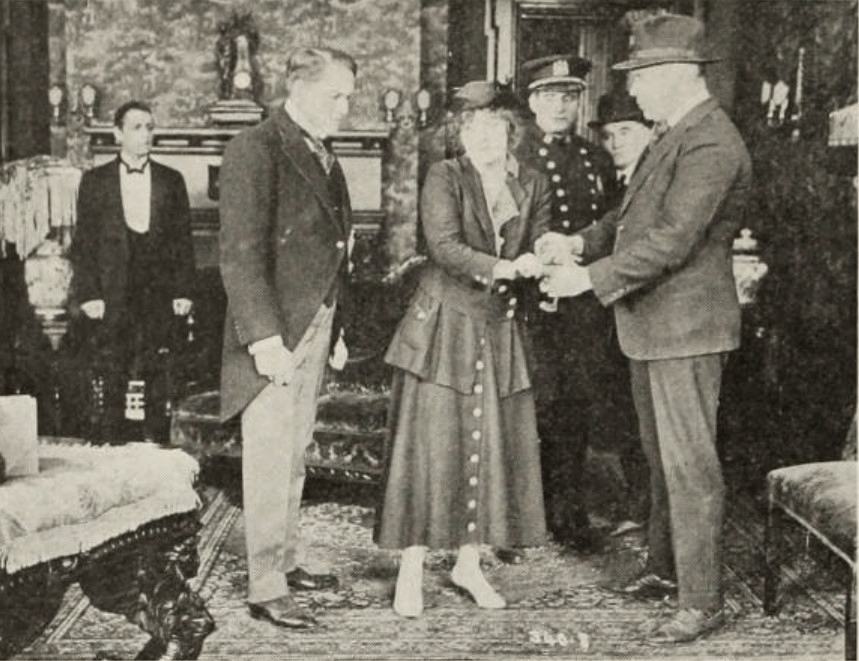
The inevitable tragedy strikes when Mary's mother takes a turn for the worse, compelling Mary to seek Dr. Brundage's aid once more. Upon arriving at his office, she discovers him dead, slumped in a chair, a knife clutched in her own hand as others burst in. The scene is masterfully constructed to maximize her apparent guilt: a lone woman, a murder weapon, and a previously uttered threat. The village, quick to judgment, sees only the damning surface, not the intricate web of circumstance that has ensnared her. This swift, almost predetermined conviction sets the stage for a narrative steeped in the struggle against an indifferent, often cruel, justice system, echoing the thematic concerns of films like The Fatal Card, where characters grapple with overwhelming odds and the specter of false accusation.
Miraculously, Mary's plight stirs the compassion of an unexpected ally: a cripple, who, perhaps recognizing a kindred spirit in suffering or an injustice too profound to ignore, aids her escape. This act of selfless empathy provides Mary with a lifeline, propelling her from the confines of her unjust conviction into a vast, anonymous world. She flees to a distant city, a sprawling canvas where she hopes to paint a new life, free from the shadow of her past. This journey of reinvention, fraught with peril and uncertainty, is a powerful motif in cinema, often seen in narratives where protagonists must shed old identities to survive, much like the transformative journeys in A Modern Thelma. Securing work, Mary finds a fragile semblance of normalcy, which soon blossoms into genuine happiness with John Harlow (Nick Woods), a fellow workman. Their romance is a beacon of light in her shadowed existence, a testament to the human capacity for connection even amidst profound personal turmoil.
However, the narrative introduces a twist that underscores the film's melodramatic roots: John Harlow is not merely a workman, but a wealthy clubman, working only on a wager. This revelation adds another layer of complexity to Mary's newfound bliss; her happiness, built on a foundation of anonymity and a carefully constructed facade, is now intertwined with a secret of John's own. It's a fascinating inversion of the typical 'rags to riches' trope, where wealth is not the goal but a temporary disguise, lending a delicious tension to their relationship. This theme of hidden identity and social masquerade is reminiscent of films such as From Broadway to a Throne, where characters navigate disparate social worlds under false pretenses.
Just as Mary's happiness seems complete, the relentless hand of fate intervenes once more. Dr. Kirk, the physician whose practice Dr. Brundage had usurped, reappears, a stark shadow of his former self – penniless, ragged, and desperate. His sudden re-emergence is a chilling reminder that the past is never truly buried. Kirk, now a blackmailer, forces Mary to take him in, demanding she present him as her "uncle." This act of coercion plunges Mary back into a world of fear and deception, shattering the fragile peace she had painstakingly built. The psychological toll on Mary is immense; she is once again a prisoner, not of a jail cell, but of a secret that threatens to unravel her entire existence. The tension here is exquisitely crafted, a slow-burning dread that permeates every interaction, a common thread in thrillers and melodramas that explore the corrosive power of hidden truths, much like the central premise of The Dead Secret.
The past, however, is not merely content to haunt; it actively pursues. Detectives, led to Mary's vicinity by a photograph, arrive at her home, signaling the imminent collapse of her carefully constructed life. In a moment of desperate honesty, Mary confides her entire story to John. His reaction is not one of judgment or abandonment, but of unwavering loyalty and love. This profound act of faith is a pivotal moment, cementing John as a truly heroic figure, willing to defy societal norms and legal strictures for the woman he loves. He assists her escape in a sailboat, a desperate dash for freedom against the backdrop of an impending storm. The sea, a classic cinematic metaphor for both cleansing and chaos, becomes the stage for their dramatic flight.
The storm rages, and the boat is driven onto the unforgiving rocks. Mary awakens, battered and alone, on the shore, her husband nowhere in sight. The ensuing moments are steeped in agonizing uncertainty and profound grief. Overhearing voices speak of "the other body," her heart plummets, convincing her of John's demise. She makes her way back to the house, a pilgrimage of sorrow for one last look at her beloved. It is here, at the nadir of her despair, that the narrative delivers its final, breathtaking twist. The detective approaches, not to arrest her, but to reveal the stunning truth: Dr. Kirk, on his deathbed, confessed to the murder of Dr. Brundage. The burden of years, the false accusations, the flight, the fear – all dissipate in this single, cathartic revelation. Mary Lawson is finally, unequivocally, absolved. It's a powerful climax, demonstrating the often-delayed but ultimately triumphant march of truth, a narrative device that often provides profound emotional closure in stories of injustice.
Mary Lawson's Secret is a masterclass in early cinematic melodrama, a genre often characterized by heightened emotion, clear moral distinctions (at least initially), and dramatic twists of fate. At its core, the film is a searing indictment of injustice and the devastating consequences of circumstantial evidence. Mary's journey is one of relentless persecution, not by a malevolent villain, but by the very systems meant to protect her. Her initial conviction is a stark reminder of how easily truth can be obscured by prejudice and superficial appearances. This theme resonates strongly with films exploring legal and social injustices, where individual lives are crushed under the weight of an unforgiving society, a struggle often depicted in narratives like A World Without Men, which, while focusing on gender dynamics, also touches upon societal expectations and limitations.
Mary herself is a compelling protagonist, embodying resilience and quiet fortitude. Despite being buffeted by relentless misfortune, she never completely breaks. Her capacity for love and her desperate fight for a normal life make her a deeply empathetic figure. John Harlow, on the other hand, represents unwavering loyalty and unexpected depth. His initial deception regarding his wealth is quickly overshadowed by his profound devotion to Mary, culminating in his willingness to sacrifice everything for her freedom. Dr. Kirk, initially a figure of professional jealousy, evolves into a desperate blackmailer, only to become the instrument of Mary's ultimate vindication through his final, guilt-ridden confession. This complex arc, from antagonist to accidental savior, adds a layer of moral ambiguity often present in the more sophisticated melodramas.
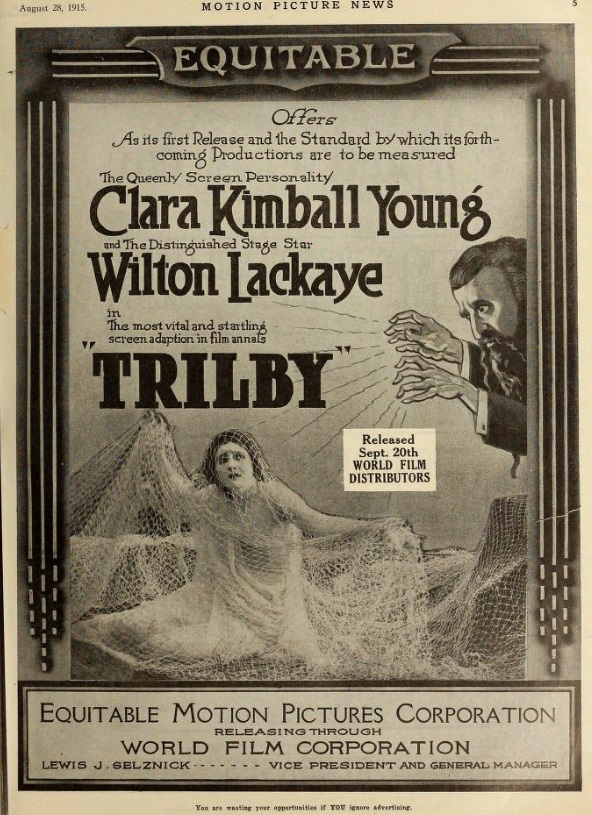
When viewed through the lens of early 20th-century cinema, Mary Lawson's Secret finds its peers in a captivating array of films that explored similar narrative terrains. The theme of a woman unjustly accused and forced into flight immediately brings to mind parallels with The Fatal Card, where mistaken identity and the struggle against an overwhelming, often corrupt, system of justice drive the plot. Both films leverage the audience's empathy for the beleaguered protagonist, creating a powerful emotional investment in their eventual exoneration.
The pervasive influence of hidden truths and their dramatic, often explosive, unveiling is a central pillar of Mary Lawson's Secret, a thematic resonance shared with films like The Dead Secret. In both narratives, the past is not merely a memory but an active, threatening force, constantly on the verge of shattering the present. The suspense generated by the impending revelation of Mary's true identity and past crime is a masterstroke of dramatic tension, keeping the audience on edge until the very last frame.
Furthermore, Mary's epic journey through adversity, often alone against societal judgment, finds a spiritual cousin in A Modern Thelma. These films champion the resilience of the female spirit in the face of overwhelming odds, portraying women who, despite profound personal suffering, refuse to be broken. The exploration of a character forced to adopt a new identity to escape a damning past, only to have that past resurface, also draws a clear line to From Broadway to a Throne, where the revelation of a character's true background drastically alters their present circumstances and relationships.
Finally, the film's direct engagement with the legal process and its profound personal consequences for Mary places it in conversation with The Law Decides. Both works, in their own ways, scrutinize the fallibility of the legal system and its often-devastating impact on individual lives, highlighting the gap between legal truth and actual truth. The emotional weight of Mary's conviction and her subsequent flight is amplified by the audience's understanding of the fragility of justice when confronted with compelling, albeit false, evidence.
Mary Lawson's Secret is more than just a historical artifact; it is a vibrant, emotionally charged narrative that speaks to universal themes of love, loss, justice, and the indomitable human spirit. Its intricate plot, compelling characters, and powerful emotional arc make it a standout example of early cinematic storytelling. It reminds us that even in the darkest hours, truth has a way of surfacing, and that courage and loyalty can illuminate the path to redemption. For aficionados of classic melodrama and anyone fascinated by the evolution of narrative film, this picture offers a rich and rewarding experience, a poignant reminder of cinema's enduring power to captivate and provoke thought.
IMDb —
1930
Community
Log in to comment.