DbcultAccessing Vault...
Cult Review
Senior Film Conservator
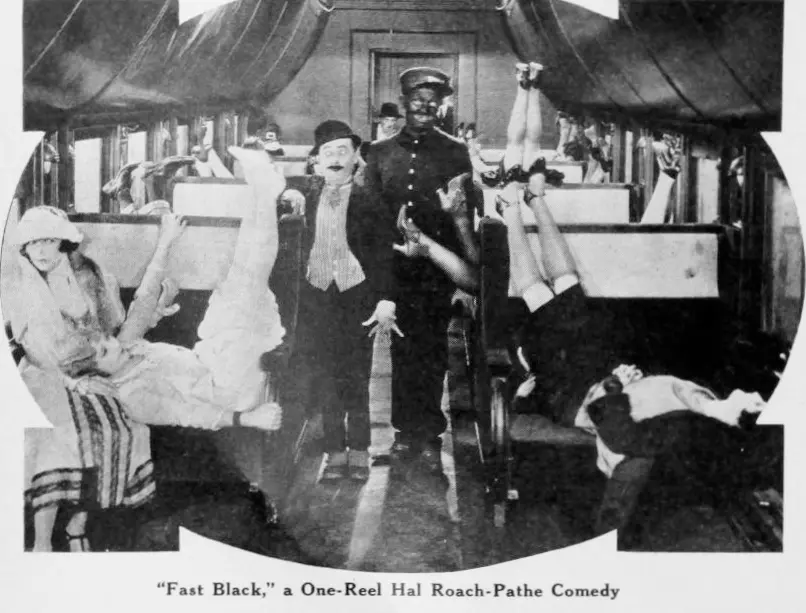
The film opens with a quintessential image of two men, 'Hunky' Dorrey and 'Dinky Dubbs', ensnared in a relentless chase by the law. These are not ordinary criminals, but rather two individuals who have found themselves on the wrong side of authority, a scenario that is both relatable and intriguing. The narrative quickly shifts focus to a moment of high comic relief: one of the protagonists, upon a critical encounter, has his face blackened by a vehicle's exhaust. This misfortune, however, serves as a catalyst for the main plot. A serendipitous encounter with a job advertisement for a 'colored Pullman porter' provides a new avenue for survival and intrigue.
The transition into this new role is fraught with complications. Due to the accidental blackface, Dorrey and Dubbs find themselves mistaken for someone they are not. This muddle of identity and racial masquerade begins to unfold as they board a train, a setting that promises both seclusion and potential for further encounters. The train, with its confined yet expansive space, becomes a microcosm for the broader themes of the film: the struggle against external forces, the search for identity, and the precarious nature of life on the run.
Upon boarding the train, the duo is inevitably confronted by the police, leading to a series of escalating incidents. Each scene is meticulously crafted to balance humor with tension, illustrating the dynamic between the characters and their environment. The physical comedy, particularly in the interactions with the other passengers and the train staff, is both delightful and indicative of the film's comedic sensibilities. However, the underlying narrative of pursuit and evasion provides a grounded tension that keeps the audience engaged.
The performances by the cast are commendable. Frank Terry and Earl Mohan bring a mix of charm and wit to their roles, effectively portraying the contrasting personalities of 'Hunky' and 'Dinky'. Their chemistry is palpable, and the physical comedy they execute is both endearing and humorous. The supporting cast, including Billy Engle, Glenn Tryon, and Noah Young, add depth to the story, with each character serving a unique purpose in the unfolding drama.
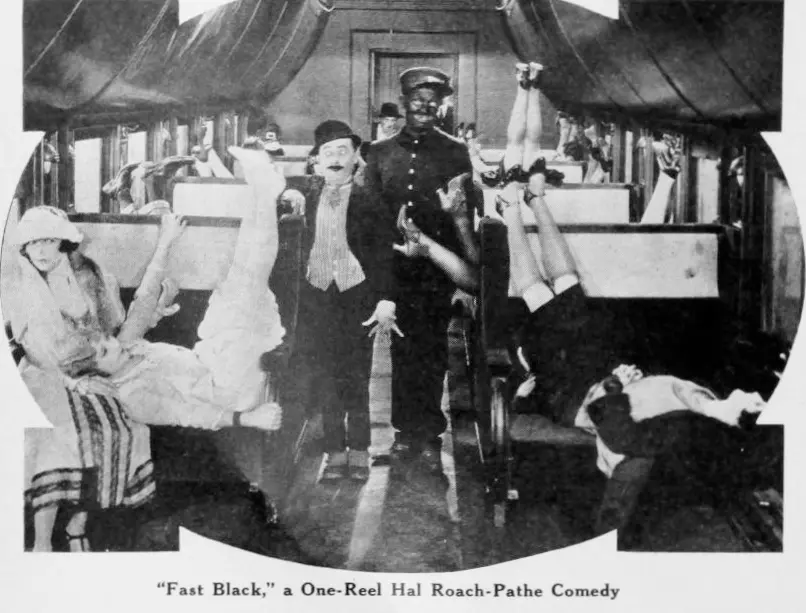
Comparatively, 'Fast Black' shares thematic similarities with other silent films of the era, such as 'The Victory of Virtue', where the exploration of social roles and identity is a central theme. However, 'Fast Black' brings a fresh perspective to this genre, blending elements of comedy and drama more seamlessly. It also resonates with films like 'The Summer Girl', where the setting and the pursuit of adventure are key elements, albeit in a different context.
The technical aspects of the film are noteworthy. The use of blackface for the mistaken identity plot is a bold choice, reflecting the societal norms and expectations of the time. However, it is handled with a degree of sensitivity and wit that prevents it from being mere caricature. The editing and pacing of the film are also commendable, ensuring that the narrative flows smoothly without losing its momentum.
In conclusion, 'Fast Black' is a delightful exploration of identity, humor, and the human condition. It offers a unique viewing experience, combining the elements of silent film with modern sensibilities. The film's ability to balance comedy and drama, coupled with its compelling narrative and strong performances, makes it a must-watch for enthusiasts of classic cinema. As we reflect on the themes it presents, we are reminded of the enduring relevance of these stories and the timeless nature of human experiences.
IMDb 7.4
1931
Community
Log in to comment.