DbcultAccessing Vault...
Cult Review
Senior Film Conservator
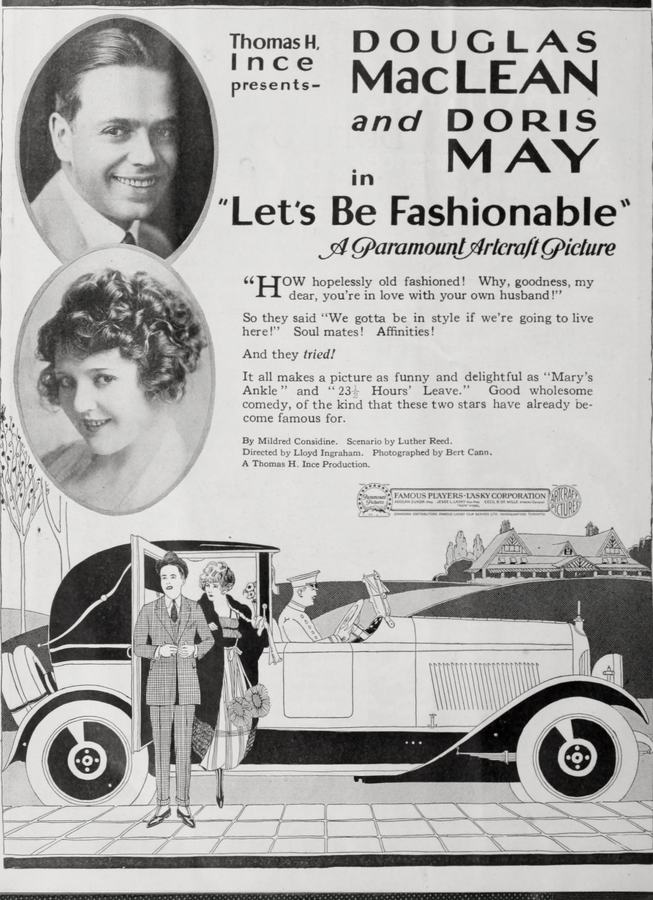
A champagne bubble of a film—effervescent until it slices your palate.
Picture this: title cards inked in Art-Deco gold leaf unfurl like invitations to a soirée you can’t afford. The camera glides past verandas where gramophones croon and every cigarette is held as if it were the baton of a very naughty orchestra. The year is 1920, but the emotional temperature is perennially 3 a.m.—that witching hour when inhibitions dissolve faster than sugar cubes in absinthe.
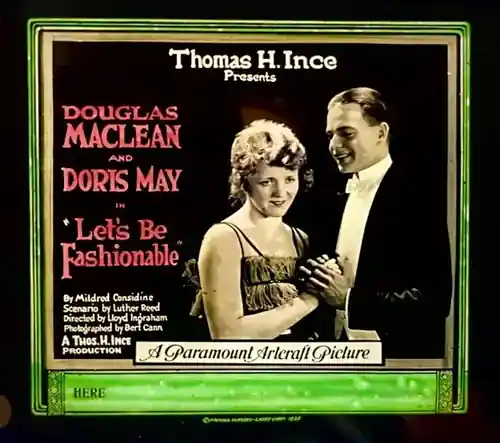
George Webb’s Robert Allwyn arrives clutching a ledger of moral absolutes; Doris May’s Mary trails him like a perfume cloud of innocence. Their new neighborhood, equal parts veneer and termites, greets them with a wink and a whisper: monogamy is so 1919. Grace Morse’s vampish Marjorie, eyelids lacquered in malachite, corners Robert at a lawn fete where the lemonade is spiked with arsenic wit. Meanwhile Norris Johnson’s languid bachelor drapes himself over Mary’s deck chair, murmuring bon mots that land like silk nooses.
Director Luther Reed orchestrates the carnivalesque rot in vignettes: a moonlit scavenger hunt where wedding rings are bartered for gin rickeys; a Charleston contest that accelerates into a strobe-lit bacchanal; a nursery where a baby’s cradle is rocked by a woman who is not its mother. Each sequence is punctuated by iris shots that contract like pupils discovering sin.
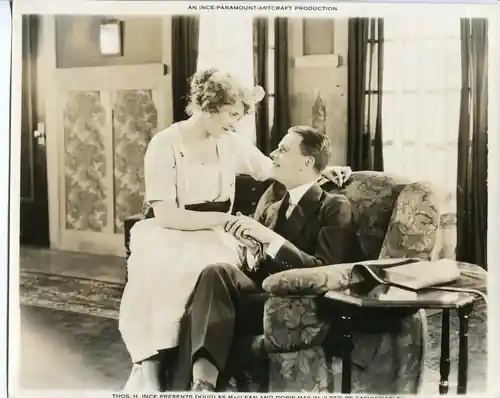
Webb’s micro-expressions—a twitch at the corner of the mouth when his collar feels too tight—map a psyche unraveling thread by thread. May oscillates between doe-eyed trust and feral heartbreak; watch her knuckles whiten around a hand mirror that reflects not her face but the silhouette of her husband kissing another. The pair’s pas de deux of avoidance—half the film they share frames yet never eye contact—rivals the toxic eroticism of later melodramas.
Cinematographer Friend Baker bathes drawing rooms in citrine dusk, then jolts us with chiaroscuro corridors where shadows copulate on damask wallpaper. Costume designer Mildred Considine drapes adulteresses in iridescent lamé that hisses like a gossip when they sashay; the wives who cling to virtue wear washed-out muslins, drab as yesterday’s dishwater. A recurring motif—zippers undone just enough to suggest, never reveal—turns clothing into a Morse code of desire.
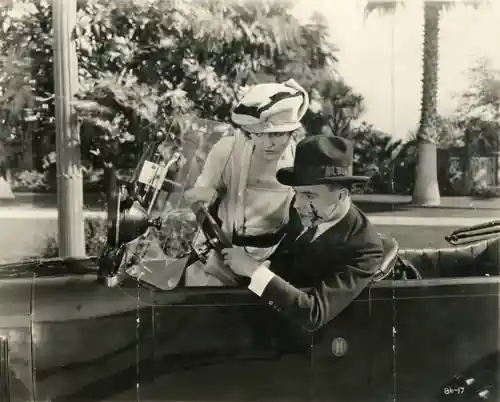
The film’s thesis: fashion is not fabric but ideology. When Robert finally dons a chartreuse blazer borrowed from his libertine neighbor, the color screams complicity; likewise, Mary’s switch to a cloche hat pulled low over one eye signals her initiation into the cult of calculated indiscretion. The screenplay savagely equates trendiness with ethical bankruptcy—every time a character utters “everybody’s doing it,” a title card slams like a gavel.
Where collegiate frolics treat youth as carte blanche for capers, Let’s Be Fashionable insists that adulthood confers no immunity to peer pressure. Its suburbia anticipates the suburban malaise of post-war disillusion yet retains the brittle gaiety of a pre-Depression cocktail. Cinephiles will detect DNA strands later woven into society-page satires and morality plays.
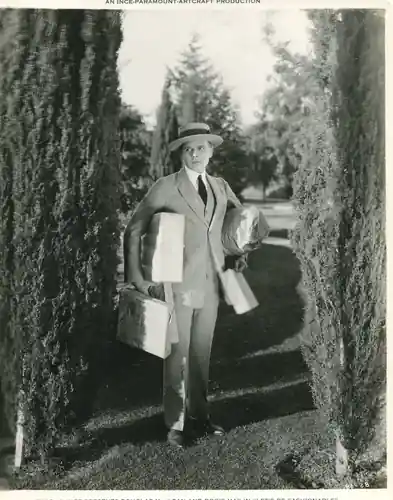
Though silent, the film is scored for the imagination: the rustle of taffeta becomes a susurrus of scandal; a slammed door reverberates like a judge’s gavel. Intertitles crackle with flapper slang—“She’s the bee’s knees, but her knees are seldom together”—delivered in Courier font that winks like a conspirator.
Spoiler etiquette forbids, but suffice to say the finale’s tonal pirouette from cynicism to redemption feels less like a deus ex machina than a dare. One leaves the theater wondering whether the couple’s last-act embrace is genuine repentance or merely the next performance in an endless masquerade. The camera retreats skyward, revealing the suburb as a diorama where dolls reenact the same farce ad infinitum—a visual echo of generational fatalism.
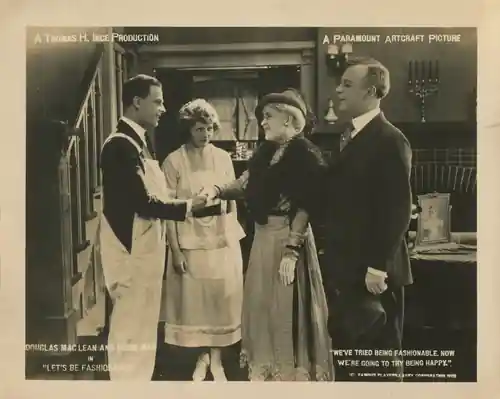
A razor-sharp time capsule that dissects the marrow of marital dread beneath a confetti of jazz and gin. For devotees of moral thrillers or social satire, this is mandatory viewing. Wear your most ironic accessory; you’ll need the armor.
Streaming on niche silent-era platforms; Blu-ray restoration rumored for 2025.
IMDb 3.6
1928
Community
Log in to comment.