DbcultAccessing Vault...
6.1/10
Senior Film Conservator
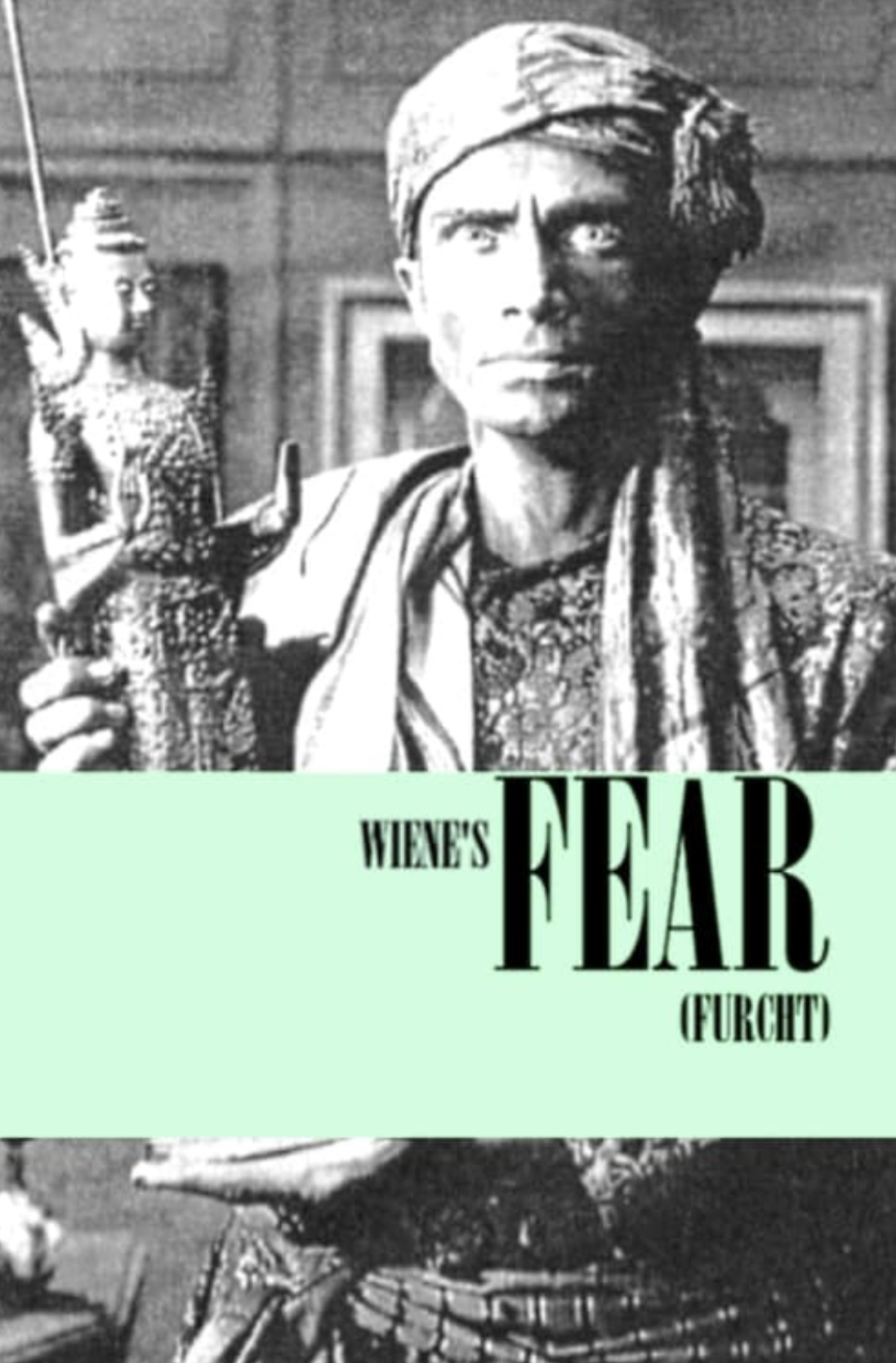
A definitive 6.1/10 rating for a film that redefined the boundaries of cult cinema. Fear remains a cornerstone of transgressive art.
Stepping into the spectral realm of Robert Wiene's Fear (1917) is akin to entering a dimly lit, antique gallery where every object whispers a forgotten tale, and the air itself is thick with unspoken anxieties. This silent era gem, often overshadowed by Wiene's later, more overtly Expressionistic works, offers a profound, unsettling exploration of the human psyche, rendered with a delicate yet potent touch. It's a film that doesn't scream its horrors but rather allows them to seep into the viewer's consciousness, much like the insidious malady afflicting its central figure, Count Greven.
The premise, on its surface, appears deceptively simple: Count Greven, portrayed with a compelling gravitas by Bernhard Goetzke, returns to his ancestral estate after years spent traversing the globe. He brings with him not only a collection of rare and enigmatic art treasures, each piece seemingly imbued with its own silent history, but also a dramatically altered disposition. The man who departed is not the man who returns. A pervasive sense of dread, a profound internal torment, now shadows his every movement, a palpable 'fear' that threatens to consume him entirely. The film then embarks on a poignant, often agonizing, journey to decipher this malady, to understand its origins, and to ponder the possibility of liberation.
Bernhard Goetzke's performance as Count Greven is nothing short of a masterclass in silent film acting. Without the crutch of dialogue, Goetzke conveys an astonishing spectrum of psychological torment through his physical presence, his piercing gaze, and the subtle shifts in his posture. His eyes, often wide with an unnameable terror or narrowed in contemplation of some unseen threat, become windows to a soul in profound distress. One can almost feel the weight of his experiences, the burdens he has accumulated not just in the form of art, but in the very fabric of his being. He is a man perpetually on the brink, his composure a fragile veneer over a turbulent inner world. Goetzke doesn't just act; he inhabits the role with such complete immersion that Greven's suffering becomes almost contagious.
The physical transformation of Greven is gradual but relentless. Initially, there's a weary elegance, a hint of the adventurer he once was, but as the 'fear' takes deeper root, his movements become more hesitant, his gestures more frantic, his face etched with increasing anguish. This nuanced portrayal elevates Fear beyond a mere melodrama, positioning it as a serious psychological drama. It's a testament to Goetzke's skill that he can communicate such complex internal states, making the audience not just observe Greven's pain, but truly empathize with it.
Robert Wiene, celebrated for his pioneering work in German Expressionism, brings a distinct atmospheric quality to Fear. While not as overtly stylized as The Cabinet of Dr. Caligari, his directorial hand is evident in the film's pervasive sense of unease. Wiene masterfully uses lighting and composition to reflect Greven's deteriorating mental state. Shadows stretch long and menacingly, engulfing Greven in his moments of deepest despair, while the opulence of his art collection sometimes feels less like comfort and more like a gilded cage. The static shots, often meticulously framed, allow the audience to linger on Goetzke's expressions, intensifying the psychological impact.
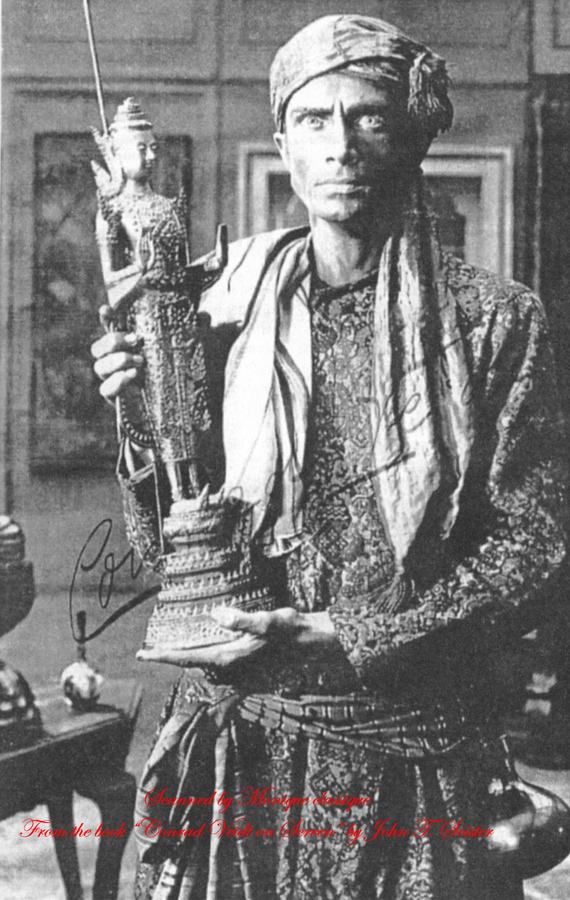
Wiene understands that true horror often resides not in grotesque monsters, but in the unseen terrors of the mind. He builds suspense not through jump scares, but through a slow, deliberate unveiling of Greven's internal landscape. The pacing is deliberate, allowing the psychological tension to build organically, mirroring the gradual erosion of Greven's sanity. The film's aesthetic, while not as starkly angular as later Expressionist works, certainly hints at the movement's burgeoning influence, particularly in its use of visual metaphors to externalize internal turmoil. This careful construction of atmosphere ensures that the audience is not merely watching a story unfold, but is drawn into the very fabric of Greven's psychological prison.
While Goetzke undeniably commands the screen, the supporting cast provides crucial counterpoints to his isolated suffering. Mechthildis Thein, as the woman who attempts to reach Greven, injects a much-needed element of warmth and concern into the narrative. Her expressions of empathy and her quiet determination to understand Greven's affliction highlight the tragic isolation he experiences. She represents the possibility of connection, a beacon of hope in his encroaching darkness. Her performance is subtle, relying on heartfelt gazes and gentle gestures to convey her character's sincerity.
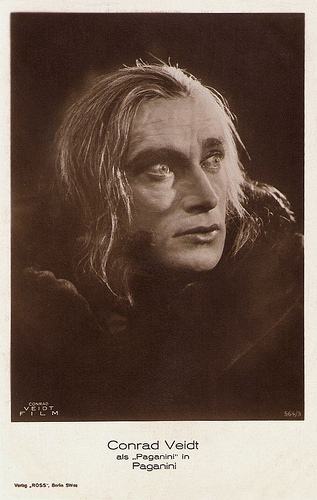
Even in smaller roles, the presence of actors like Conrad Veidt, Hermann Picha, and Bruno Decarli adds texture and depth to the world of Fear. Veidt, even in a role that might not afford him the expansive canvas of some of his more iconic performances, possesses an undeniable magnetic quality. His very presence, often imbued with an undercurrent of mystery or intensity, contributes to the film's overall sense of foreboding. These supporting characters are not merely plot devices; they are integral to illustrating the human toll of Greven's condition, the ripple effect of his psychological torment on those around him. They serve as mirrors, reflecting the profound change in Greven and the desperate attempts to penetrate his self-imposed barriers.
Beyond the immediate narrative of a man grappling with an internal malady, Fear delves into deeper thematic waters. The art treasures Greven collects are more than just aesthetic objects; they become symbols of his worldly pursuits, perhaps even of a life lived for superficial acquisition rather than genuine connection. Is his 'fear' a form of existential dread, a consequence of a life spent chasing external validation? The film subtly suggests that the very objects he cherishes might be imbued with a curse, or at least a powerful symbolic weight that mirrors his inner turmoil. This resonates with the idea that material wealth, when divorced from spiritual or emotional well-being, can become a source of profound unhappiness.
The concept of guilt also looms large, even if its specific origins remain somewhat ambiguous for much of the film. Greven's suffering feels like a penance, a reckoning for past transgressions or a deeply unsettling experience from his travels. This theme of a troubled past haunting the present finds echoes in other cinematic narratives, where characters struggle to escape the specter of their former selves. One might draw a parallel to the weighty burden carried by characters in films such as Les Misérables, Part 1: Jean Valjean, where past actions dictate the present struggle, or the psychological aftermath explored in Den Vanærede (The Dishonored), where social and personal disgrace leaves an indelible mark. Wiene, through Greven, explores the profoundly isolating nature of carrying such a secret burden, one that manifests not as external punishment, but as an internal, corrosive force.
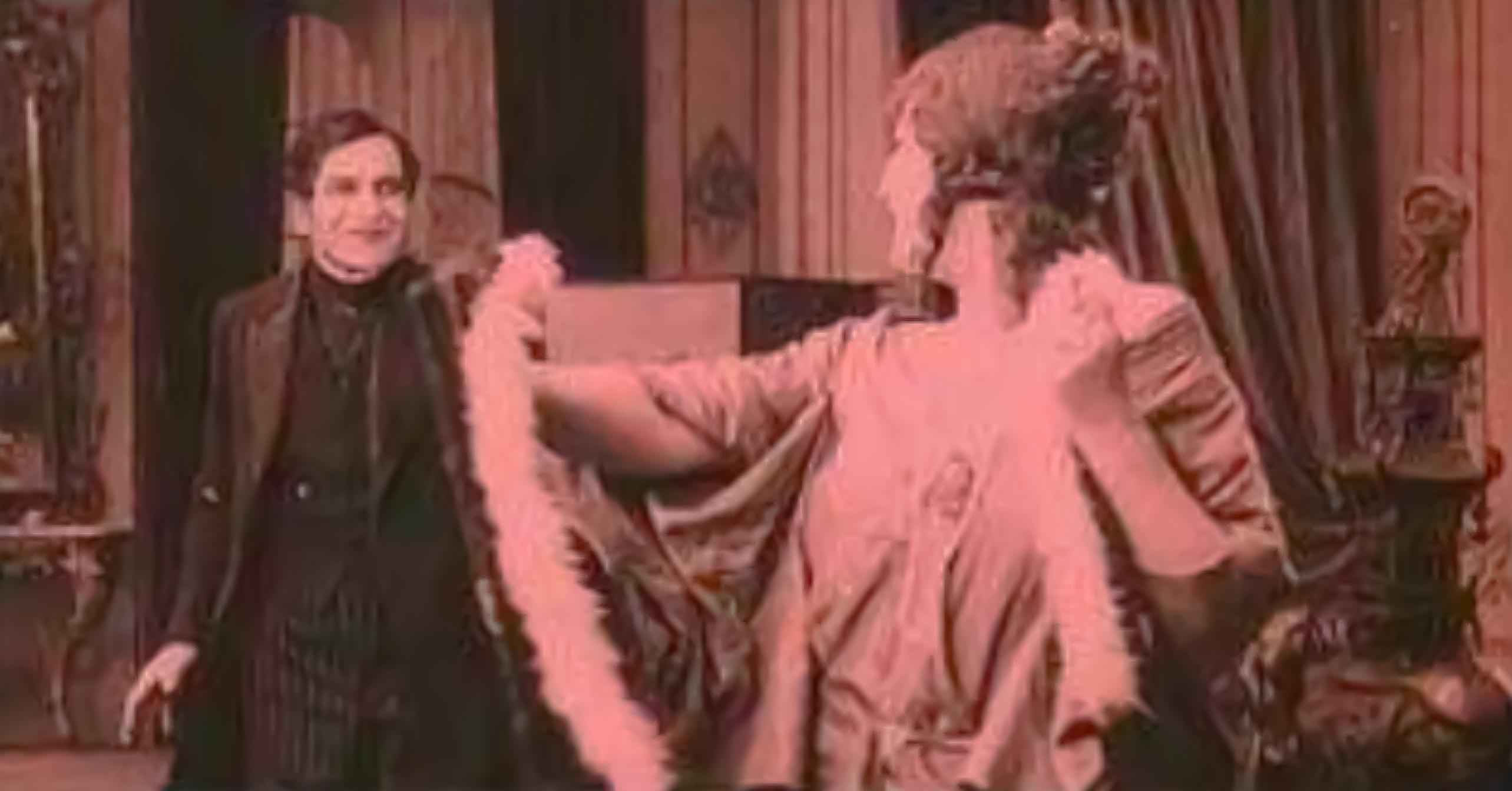
The possibility of redemption, or at least alleviation, hinges on the willingness of others to penetrate Greven's self-imposed isolation. Can understanding and compassion truly free a man from a malady born of his own experiences and perhaps his own conscience? The film grapples with this question, suggesting that while the path is arduous, human connection remains the most potent antidote to profound psychological distress. It's a testament to Wiene's nuanced storytelling that he doesn't offer easy answers, but rather invites the audience to contemplate the complexities of mental anguish and the resilience of the human spirit.
Robert Wiene's direction in Fear demonstrates an early, sophisticated understanding of cinematic psychology. He uses close-ups to emphasize emotional states, long shots to convey isolation, and a deliberate pace that allows the audience to absorb the unfolding internal drama. The film's narrative structure, though linear, is punctuated by moments of intense, almost hallucinatory, dread, reflecting Greven's fractured perception of reality. This approach was revolutionary for its time, laying groundwork for countless psychological thrillers and dramas that would follow. Wiene understood that the camera could be more than just a recorder of events; it could be a conduit for emotion, a window into the soul.
The influence of Fear, though perhaps not as overtly cited as Wiene's other works, can be felt in subsequent films that explore the psychological impact of hidden secrets or traumatic experiences. Films like The Stolen Triumph or even The Years of the Locust, while different in plot, share a common thread of characters grappling with past events that cast long shadows over their present lives. Wiene's ability to externalize internal turmoil through visual means, to make the unseen fear palpable, is a hallmark of his genius as a filmmaker.
In an era dominated by grand gestures and often exaggerated performances, Fear stands out for its nuanced portrayal of psychological distress. It's a film that asks profound questions about the nature of sanity, the burden of experience, and the possibility of human connection in the face of overwhelming internal darkness. Robert Wiene, with the remarkable support of Bernhard Goetzke's performance, crafts a narrative that is both deeply personal and universally resonant. The 'fear' that afflicts Count Greven is not merely a plot device; it is a manifestation of existential angst, a reflection of the human condition itself.
For cinephiles and students of early cinema, Fear offers a rich tapestry of thematic depth and artistic innovation. It reminds us that long before sound brought dialogue to the screen, filmmakers were capable of crafting profoundly moving and unsettling stories using the universal language of visual storytelling. It's a powerful testament to the enduring power of silent cinema to explore the most intimate and disturbing corners of the human mind, proving that some fears are best conveyed in the haunting silence of a flickering image. Its exploration of a mind under siege, of the insidious nature of psychological torment, remains as relevant and unsettling today as it was over a century ago. The film leaves an indelible mark, prompting viewers to ponder their own internal landscapes and the forces that shape them. Truly, a compelling and essential watch for anyone interested in the foundational works of psychological drama.
IMDb —
1932
Community
Log in to comment.