DbcultAccessing Vault...
Cult Review
Senior Film Conservator
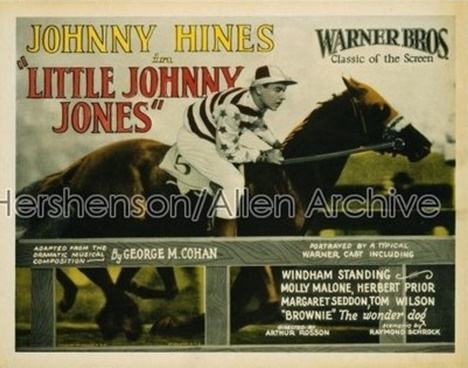
The year 1923 served as a pivotal junction for the American silent screen, a period where the primitive flickers of the previous decade matured into a sophisticated visual language. Standing at the vanguard of this evolution was Little Johnny Jones, a film that deftly translates George M. Cohan’s patriotic stage energy into a kinetic, celluloid experience. Starring the irrepressible Johnny Hines, the film is far more than a mere sporting drama; it is a sprawling exploration of national identity, the integrity of the individual against the collective, and the visceral thrill of the chase.
Johnny Hines occupies a unique niche in the silent era pantheon. While contemporaries like Chaplin or Keaton relied on pathos or geometric precision, Hines operated on a frequency of pure, unadulterated moxie. In Little Johnny Jones, his portrayal of the titular jockey is a masterclass in physical storytelling. He embodies the American 'go-getter' archetype with a sincerity that avoids the pitfalls of saccharine sentimentality. His movements are fluid, his expressions sharp, and his rapport with the audience feels remarkably modern. Unlike the brooding intensity seen in The Son of a Sheik, Hines offers a lighthearted yet resilient masculinity that serves as the film's emotional anchor.
The supporting cast provides a sturdy framework for Hines to flourish. Molly Malone, as the kidnapped sweetheart, transcends the typical 'damsel' tropes of the era, offering a performance that hints at a deeper internal life despite the script's focus on her rescue. The villainy of Robert Anstead, played with a chilling, calculated stillness by the ensemble, provides the necessary friction to ignite the plot. This isn't the mustache-twirling villainy found in lesser serials like The Broken Coin; rather, it is a portrayal of systemic corruption that feels uncomfortably grounded.
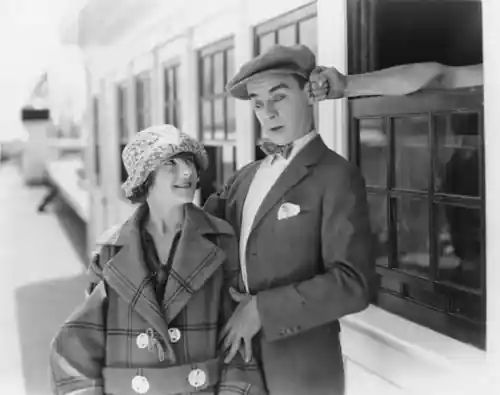
The screenplay, penned by Cohan and Raymond L. Schrock, is a marvel of pacing. It begins with the bright optimism of an American abroad, a theme often explored in early cinema to highlight the contrast between New World energy and Old World tradition. As Johnny arrives in England to ride for the Earl of Bloomsburg, the film captures the grandeur of the British aristocracy with a respectful yet slightly satirical lens. However, the tone shifts rapidly as the gambling underworld begins to tighten its grip. The transition from a sports comedy to a high-stakes thriller is handled with a finesse that keeps the viewer perpetually off-balance.
"The race sequence in Little Johnny Jones remains one of the most technically ambitious feats of the early 1920s, utilizing multiple camera angles and rapid-fire editing to simulate the dizzying velocity of the Epsom Derby."
One cannot discuss this film without acknowledging the presence of Brownie the Dog. In an era where animal actors were often utilized for cheap gags, Brownie is integrated into the narrative with surprising effectiveness, acting as a silent witness and occasional catalyst for the unfolding drama. This inclusion mirrors the charm found in contemporary shorts like Edgar Camps Out, yet here the stakes are significantly elevated by the looming shadow of the Derby.
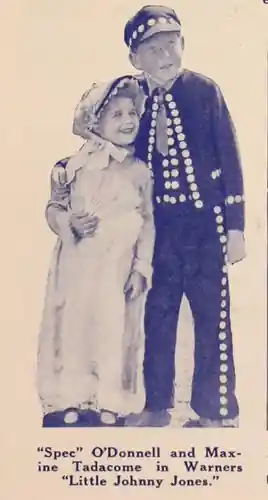
The cinematography in Little Johnny Jones is remarkably adventurous for 1923. The directors utilize the expansive English countryside (and its studio recreations) to create a sense of scale that was often missing from the claustrophobic interiors of earlier dramas. The use of natural light during the exterior racing scenes provides a verisimilitude that anchors the more fantastical elements of the plot. When compared to the atmospheric shadows of Black Roses, this film opts for a high-key clarity that emphasizes the public nature of Johnny’s struggle.
The editing, particularly during the climax, is where the film truly shines. The cross-cutting between the kidnapping subplot and the actual race creates a rhythmic tension that is almost Hitchcockian in its execution. We see Johnny on the horse, his face a mask of concentration, while the audience knows that his heart is elsewhere. This duality of focus—the professional duty versus the personal crisis—is a sophisticated narrative device that elevates the film above standard genre fare like His Last Dollar, which covers similar thematic territory but with less emotional complexity.
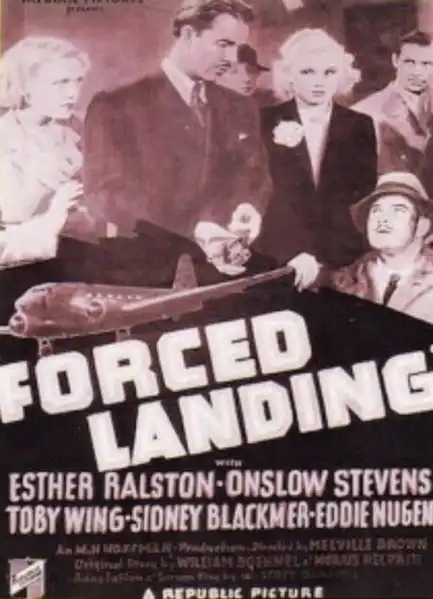
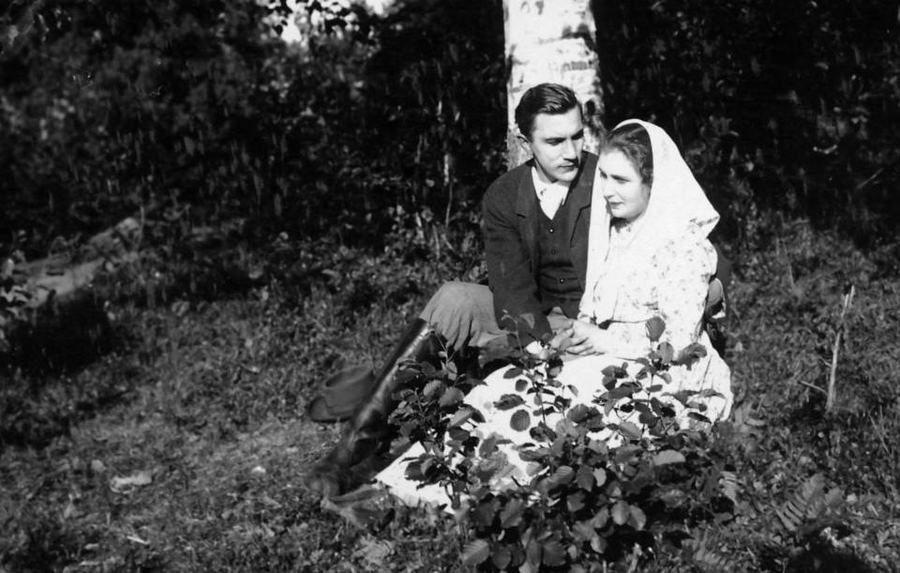
Horse racing has always been a fertile ground for cinematic storytelling, offering a natural climax and a clear moral dichotomy. Little Johnny Jones stands as a pillar of this subgenre. While Amor de campesino might focus on the pastoral romance of rural life, and The Heart of the Blue Ridge emphasizes the rugged isolation of the mountains, Hines’ film is decidedly urban and international. It deals with the intersection of global fame and private integrity.
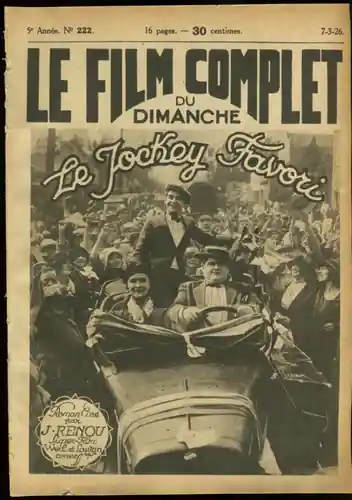
The film’s obsession with the 'frame-up'—the false accusation of a hero—is a recurring motif in 1920s cinema. We see echoes of this in the investigative procedural elements of Monsieur Lecoq, though Little Johnny Jones prioritizes the emotional fallout over the deductive process. The protagonist's struggle to clear his name while under the immense pressure of a international sporting event adds a layer of psychological depth that was quite progressive for the time. Even more obscure titles like The Return of O'Garry or The Strong Way grapple with the concept of the 'wronged man,' but few do so with the sheer entertainment value found here.
In the context of post-WWI relations, the film’s depiction of an American hero succeeding on British soil carried significant weight. It was a period of cultural exchange and competition. The film subtly critiques the rigid class structures of the UK, personified by the Earl, while celebrating the meritocratic ideals represented by Johnny. This thematic undercurrent is perhaps less overtly political than the social commentary found in Konsumtionsföreningen Stockholm med omnejd, but it is no less potent in its reflection of the zeitgeist.
Furthermore, the film’s use of comedy—often physical and slapstick—serves as a necessary release valve for the mounting tension. This balance of humor and heart is a hallmark of the era’s best productions. Whether it's a comedic misunderstanding with a local or a clever piece of business involving Brownie the Dog, the levity ensures that the film never descends into dour melodrama. It shares this DNA with international comedies like Pufi - Hogyan lett ünnepelt hös egy jámbor pesti férjböl?, showcasing the universal appeal of the 'lovable underdog' archetype.
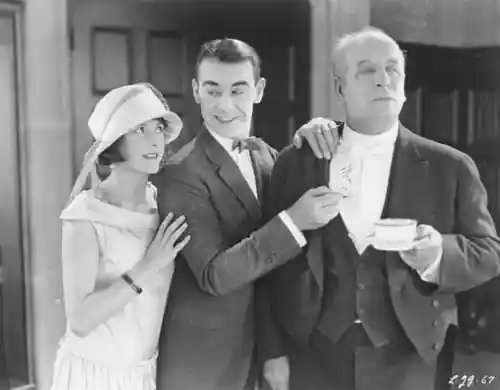
To view Little Johnny Jones today is to witness the birth of the modern sports blockbuster. It contains all the essential ingredients: a charismatic lead, a despicable villain, high stakes, and a technical prowess that pushes the boundaries of the medium. While some of the plot contrivances may feel dated—the ease with which a kidnapping is orchestrated, for instance—the core emotional truth of the film remains intact. It is a story about the resilience of the human spirit and the refusal to let one's reputation be tarnished by the shadows of the underworld.
The film lacks the exoticism of The Leopard Woman or the primal intensity of The Primal Lure, but it compensates with a relatable, grounded heroism. It is a testament to the power of the silent image that a race sequence filmed a century ago can still elicit a genuine sense of adrenaline in a modern viewer. Johnny Hines’ performance, in particular, deserves a revival in the public consciousness; he was a star who understood the geometry of the screen and the pulse of the audience.
Ultimately, Little Johnny Jones is a vibrant artifact of a bygone era that continues to pulse with life. It bridges the gap between the theatrical traditions of the 19th century and the cinematic innovations of the 20th. For fans of silent cinema, it is an essential watch; for students of film history, it is a fascinating case study in adaptation and genre-blending. It remains a galloping success, crossing the finish line with its dignity, its humor, and its heart firmly in place.
IMDb 6.8
1932
Community
Log in to comment.