DbcultAccessing Vault...
6.3/10
Senior Film Conservator
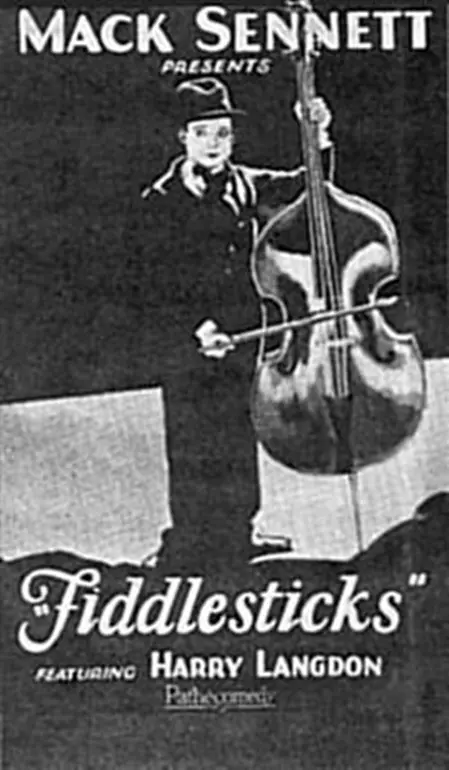
A definitive 6.3/10 rating for a film that redefined the boundaries of cult cinema. Fiddlesticks remains a cornerstone of transgressive art.
Is Fiddlesticks worth watching? Yes, if you appreciate flawed gems and the raw energy of early Hollywood. Short answer: This 1928 silent comedy works as a portrait of artistic stubbornness but falters when it tries to balance humor and drama. Best for viewers who enjoy character-driven comedies and early talkie-era quirks. Not for those who demand narrative precision.
1) Harry Langdon’s physical comedy is a revelation. His exaggerated expressions during a scene where he accidentally sets fire to a sheet music shop feel less like slapstick and more like a man possessed. Langdon’s performance is a masterclass in silent film acting, using every twitch and stumble to convey desperation.
2) The junkyard transformation sequence is a standout. Tiny Ward (Billy Gilbert) repurposes scrap metal into a makeshift fiddle, mirroring the film’s own resourcefulness with limited budget. The scene’s ingenuity feels like a metaphor for artistic creation itself.
3) Frank Capra’s dialogue, though occasionally overwritten, sparkles in the early scenes. A debate between Harry and a dismissive conductor about "natural talent" still crackles with the urgency of Capra’s later classics.
1) The pacing lurches unpredictably. A tender scene of Harry playing for street urchins is immediately undercut by a crude pratfall involving a goat. The tonal whiplash makes the emotional beats feel unearned.
2) Arthur Ripley’s script introduces a romantic subplot that feels tacked on. The sudden appearance of Anna Dodge’s character—meant to represent "refinement"—undermines the film’s working-class authenticity.
3) The score—supposedly a character in itself—is often drowned out by Gilbert’s over-the-top shouting. In one infamous scene, the music swells as Harry nearly drowns in a river, but Gilbert’s honking kazoo steals every note.
1) You’re a silent film historian. The flickering transitions between black-and-white scenes and hand-tinted musical numbers showcase 1920s cinema’s experimental spirit.
2) You enjoy anti-heroes. Harry’s relentless, often grating determination to "make it" as a musician feels oddly modern—like a Buster Keaton character trapped in a TikTok algorithm.
3) You want to compare Capra’s early style. The film’s messy ambition offers fascinating contrast to his later, polished classics like The Mirage.
Let’s be blunt: Fiddlesticks is a film of extremes. It works when it leans into its chaos—like the legendary 7-minute take of Harry fumbling a fiddle while being chased by a mob. But it collapses when it tries to be "refined." The third act’s sudden shift to a tidy, sentimental resolution feels like Capra giving up on his own material.
I’ll say it plainly: Fiddlesticks is a film that demands you pick sides. Is it a forgotten masterpiece of eccentricity or a cautionary tale about directorial overreach? Both. It’s the cinematic equivalent of a broken fiddle—ugly in places, but capable of beautiful noise when the right hands (or is that fumbling fingers?) find the right strings.
The film’s most modern moment? Harry’s existential crisis about "selling out" feels ripped from 2023 indie musician Twitter threads. Yet Capra handles it with such sincerity that it transcends its era.
It works. But it’s flawed. In 2024, that duality makes Fiddlesticks feel oddly relevant. Watch it not for answers, but for the question: Can art exist in chaos? The film doesn’t answer. It just plays the fiddle—even when the strings are cut.
IMDb —
1925
Community
Log in to comment.