DbcultAccessing Vault...
6.6/10
Senior Film Conservator
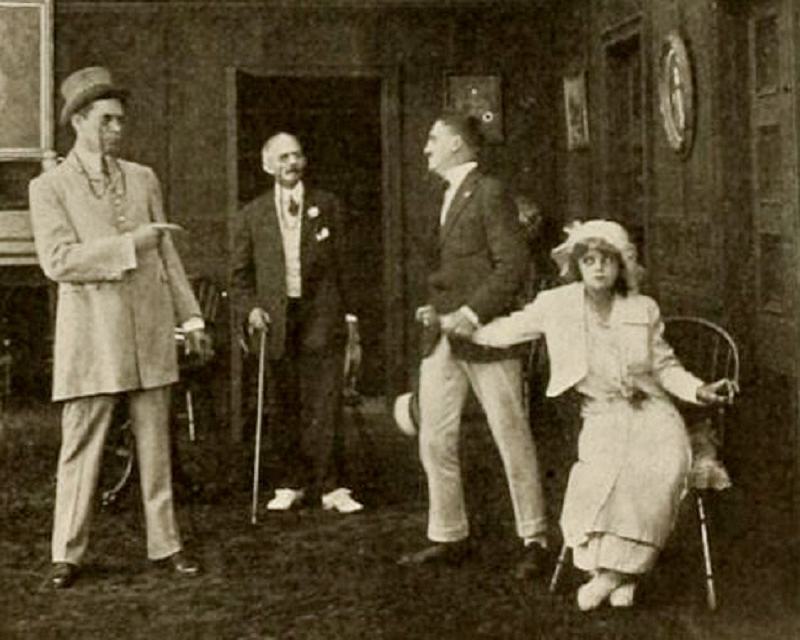
A definitive 6.6/10 rating for a film that redefined the boundaries of cult cinema. The Beloved Adventurer remains a cornerstone of transgressive art.
In the nascent days of cinema, before feature-length narratives became the industry standard, the serial film reigned supreme, captivating audiences with weekly cliffhangers and promises of continuous adventure. Among these episodic wonders, The Beloved Adventurer carved out its own niche, offering viewers a consistent protagonist navigating a world fraught with peril and unexpected turns. Chapter 8, aptly titled "A Partner To Providence," exemplifies the strengths and, at times, the charming limitations of this bygone era, presenting a condensed yet impactful arc of disaster, recovery, and triumphant vindication. It’s a fascinating glimpse into how early filmmakers, like writer Emmett C. Hall, constructed compelling narratives within the constraints of their medium, leaning heavily on spectacle and the burgeoning language of cinematic storytelling.
The pivotal moment of this installment arrives with a devastating train collision, a sequence that, for contemporary viewers, might feel familiar, drawing as it does from the well-worn Lubin train crash footage. This re-use of stock footage was a common, pragmatic practice in early cinema, allowing studios to inject grand-scale destruction without the prohibitive costs of staging it anew for every production. While today we might decry such recycling, in its time, it was an effective means of delivering the thrilling, visceral spectacle that audiences craved. The impact of two locomotives hurtling towards each other, culminating in a violent, metal-screeching embrace, served as a powerful dramatic device, instantly plunging His Lordship from a state of comfortable transit into the very heart of chaos. This kind of raw, kinetic energy, even if borrowed, speaks to the early film industry's understanding of visual impact, much like the meticulously staged fight sequences in films such as The Corbett-Fitzsimmons Fight or Jeffries-Sharkey Contest, albeit with a different kind of destructive force.
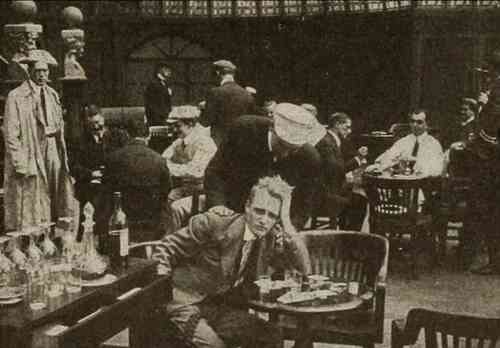
The choice to employ such a dramatic event underscores the serial's commitment to keeping its audience on the edge of their seats. Unlike more observational pieces like Glacier National Park, which aimed for scenic beauty, `The Beloved Adventurer` leaned into high-stakes drama. The train crash functions as more than just an action beat; it’s a narrative reset, a divine intervention that strips His Lordship of his previous context and forces him into a new, unexpected environment. It is this abrupt shift, from the structured world of rail travel to the unpredictable wilds of rural recuperation, that truly defines the chapter's middle act, showcasing the protagonist's vulnerability before his eventual resurgence.
Following his harrowing escape from the wreckage, His Lordship finds himself in the unexpected sanctuary of a rural family. This segment of the narrative provides a much-needed respite from the preceding calamity, allowing for character development beyond mere action. It’s here that the "adventurer" aspect takes on a different hue, one of quiet resilience and human connection rather than daring exploits. The simple, honest care provided by the family, whose performances are likely imbued with the earnest, often theatrical gestures characteristic of the era, would have resonated deeply with audiences. Actors like Jeanette Hackett, Ed McLaughlin, Lottie Briscoe, and Florence Hackett, alongside J. Robinson Hall and Robert La Monte, contributed to creating these believable, if broadly sketched, characters, grounding the fantastical adventures in relatable human experiences.
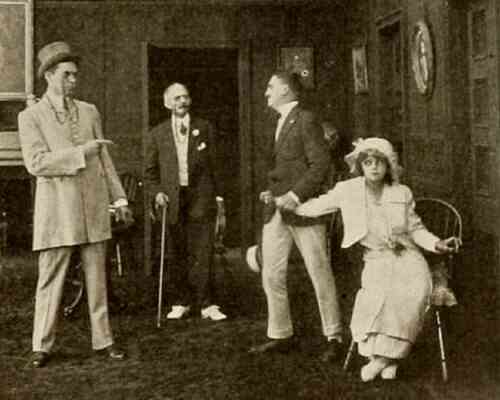
This period of recuperation is crucial for His Lordship's arc. It’s not just physical healing, but a spiritual and emotional recalibration. The tranquility of the rural setting contrasts sharply with the earlier mechanical violence, offering a moment for reflection on fate and fortune. One can draw parallels to other narratives of displacement and recovery, albeit often in more melodramatic contexts, such as the tribulations faced by characters in Les Misérables or Oliver Twist, where societal outcasts find momentary solace. The quiet strength derived from this humble environment ultimately prepares him for the subsequent challenge, transforming him from a victim of circumstance into an agent of his own destiny.
The concluding act of "A Partner To Providence" sees His Lordship, now fully recuperated and revitalized, confront a nefarious crook. This confrontation is more than a simple brawl; it's a symbolic reassertion of order and justice, a hallmark of early adventure narratives. The fight sequence, undoubtedly choreographed with the era's distinctive, often exaggerated physicality, would have been a satisfying payoff for the audience who had witnessed His Lordship's ordeal. Performers like Earl Metcalfe and Arthur V. Johnson, known for their robust portrayals, would have brought a compelling energy to such a scene, embodying the clear-cut good versus evil dynamic so prevalent in silent film.
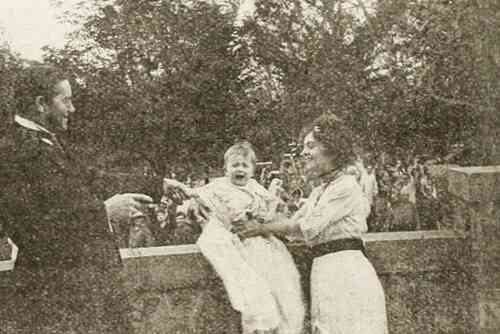
This final triumph solidifies His Lordship's identity as the 'Beloved Adventurer,' a figure who, despite facing seemingly insurmountable obstacles, always emerges victorious, often through sheer force of will and a dash of providential luck. It reinforces the episodic formula: a challenge, a period of adversity, and a triumphant resolution that leaves the audience eager for the next chapter. The narrative structure, meticulously crafted by Emmett C. Hall, ensures that each installment delivers a complete, albeit miniature, heroic journey, distinguishing it from mere plot fragments. The clarity of purpose in such a confrontation is reminiscent of the straightforward heroism found in films like The Redemption of White Hawk, where moral clarity often dictates the narrative's conclusion.
The strength of `The Beloved Adventurer`, even in this single chapter, lies in its ability to quickly establish character and stakes. His Lordship, while a type, is imbued with a quiet dignity and an indomitable spirit. The supporting cast, including Josephine Longworth, Howard M. Mitchell, D.B. Bentley, and Ruth Bryan, likely provided the necessary emotional texture, reacting to the central drama and anchoring it in a recognizable human context. The silent film actors of this period relied heavily on pantomime, facial expressions, and grand gestures to convey emotion and intent, a skill set that, when expertly wielded, could be incredibly powerful. Emmett C. Hall's writing, though conveyed through intertitles, would have been pivotal in shaping these characterizations and driving the plot forward with efficiency and dramatic flair.
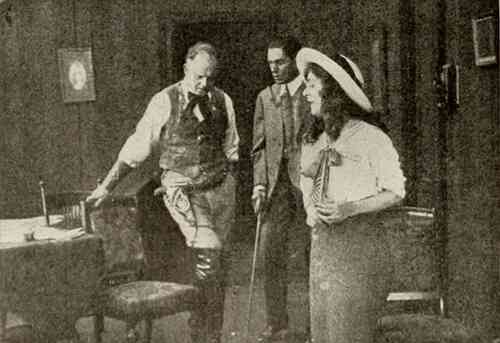
The episodic nature of films like `The Beloved Adventurer` allowed for a deeper, more prolonged engagement with its characters than standalone features. Audiences returned week after week, invested in the ongoing saga of their hero. This format was perfected in other popular serials of the time, such as What Happened to Mary, The Perils of Pauline, and The Adventures of Kathlyn, all of which built their success on continuous suspense and the audience's emotional attachment to a recurring protagonist. The serial form was a masterclass in audience retention, building anticipation that modern television series now emulate.
Beyond the narrative, "A Partner To Providence" provides a valuable lens through which to examine the technical artistry of early filmmaking. While the re-use of the Lubin crash footage highlights a resourcefulness born of necessity, it also speaks to a nascent understanding of how to construct a compelling visual experience. The editing, framing, and overall visual composition, though rudimentary by today's standards, were carefully considered to maximize dramatic impact. The use of close-ups (if present) to convey emotion, or wide shots to establish setting, would have been instrumental in guiding the audience's understanding without spoken dialogue. These techniques, though still evolving, set the groundwork for the sophisticated cinematic language we recognize today.
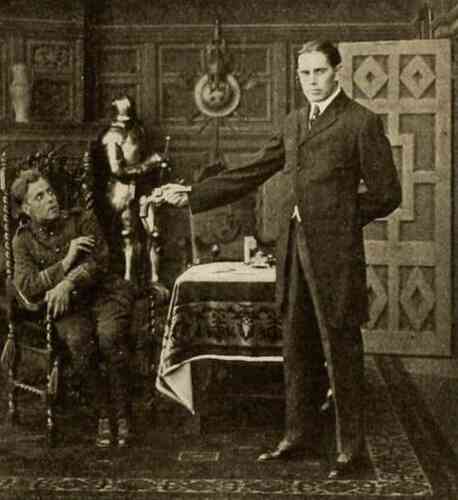
The limitations of the era, such as the absence of synchronized sound and color, forced filmmakers to be incredibly inventive. Lighting, set design, and the actors' physical performances became paramount. The train sequence itself, despite being stock footage, would have been seamlessly integrated through careful editing, aiming for a sense of continuity. This period was marked by rapid experimentation, with new techniques constantly being developed to enhance realism and emotional resonance. Comparatively, films like The Last Days of Pompeii showcased large-scale set pieces and crowd scenes, demonstrating the ambition of early cinema to create immersive, epic experiences, just as `The Beloved Adventurer` aimed for high-octane adventure.
At its core, "A Partner To Providence" explores profound themes that resonate across time. The idea of providence, of a guiding hand in human affairs, is central to His Lordship's journey. His survival of the catastrophic crash, followed by his fortuitous recuperation with a kind family, and ultimately his ability to overcome a villain, all suggest a narrative imbued with a sense of destiny. This spiritual undertone elevates the serial beyond mere escapism, hinting at a deeper philosophical inquiry into the nature of good fortune and personal strength. It’s a theme echoed in many early films that explored moral fortitude and divine intervention, such as From the Manger to the Cross or Life and Passion of Christ, albeit in a more secular, adventure-oriented context.
The resilience of the human spirit in the face of adversity is another powerful message. His Lordship, despite being physically and emotionally battered, never succumbs to despair. His recovery is not passive; it's an active process of rebuilding, culminating in a decisive act of self-defense. This portrayal of an individual's capacity to bounce back, to find strength in unexpected places, is a timeless narrative that continues to inspire. The episodic format, in particular, lends itself to this theme, as the protagonist faces new trials in each chapter, only to rise again, embodying the very essence of an enduring hero. Such consistent heroism distinguishes him from more tragic figures found in films like Hamlet, Prince of Denmark or The Life and Death of King Richard III.
While individual chapters of serials like `The Beloved Adventurer` might be viewed in isolation today, their true impact was cumulative. They fostered a communal viewing experience, transforming cinema into a shared weekly ritual. This particular chapter, with its blend of spectacular disaster, heartwarming human connection, and a satisfying resolution, stands as a microcosm of the serial's appeal. It demonstrates how early filmmakers leveraged available resources, understood audience psychology, and honed narrative techniques to create enthralling entertainment.
The enduring fascination with these early cinematic endeavors lies not just in their historical significance, but in their raw, unfiltered storytelling. They represent a period of boundless creativity and experimentation, where the rules were still being written. `The Beloved Adventurer`, through chapters like "A Partner To Providence," offers a valuable window into this foundational era, revealing the foundations upon which all subsequent cinematic narratives have been built. It’s a testament to the ingenuity of its creators, from writer Emmett C. Hall to the dedicated ensemble cast, in shaping the very language of film and ensuring that the spirit of adventure, both on and off screen, would continue to captivate generations.
IMDb 7.2
1927
Community
Log in to comment.