
DbcultAccessing Vault...
Cult Review
Senior Film Conservator
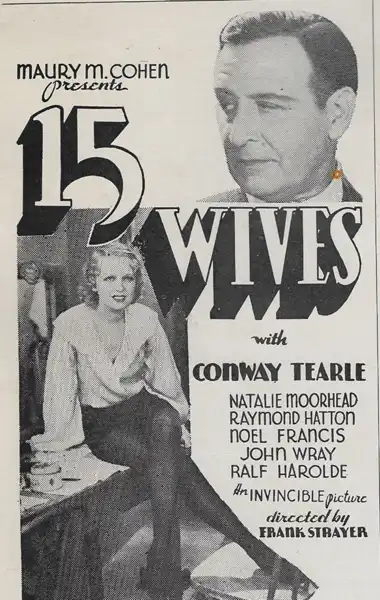
If you like movies that start as a gritty detective story and end up involving sound-wave experiments, then yes, watch it. It’s perfect for people who enjoy 1930s dialogue that moves at a hundred miles an hour. If you need your logic to be perfectly sound or your science to be, you know, real, you’ll probably hate it.
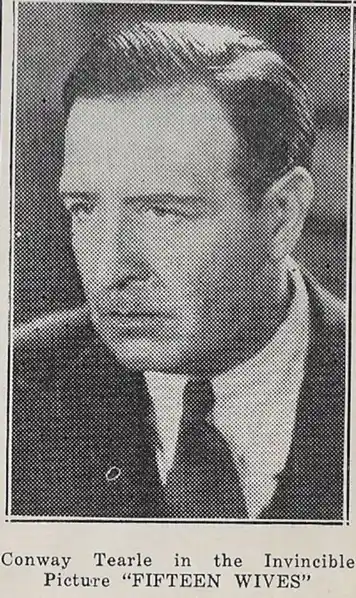
The whole thing kicks off with Steven Humbolt, a guy who really needs a better hobby than marrying fifteen different women. He winds up dead in a hotel, and the police want to call it a day. But Inspector Dawes isn't buying it. He’s the kind of guy who just looks at a body and knows something is off.

The wives are the real highlight here.
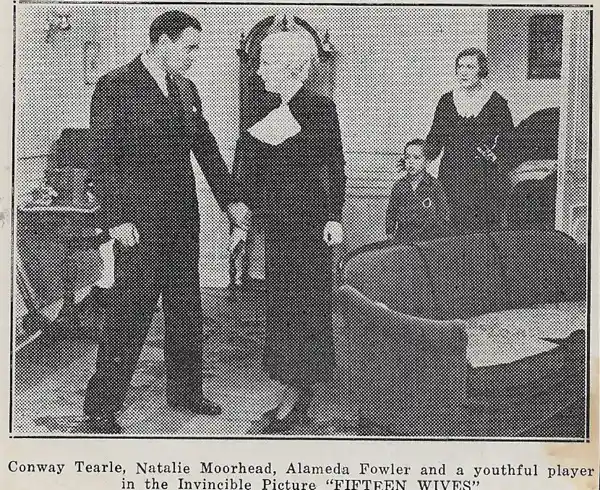
They are spread all over, but the three in New York have that specific kind of nervous energy that makes you wonder who actually pulled the trigger—or released the gas. Speaking of, the way they figure out how he died is just wild. A broken glass globe that's actually a Helmholtz resonator? It feels like the writers just finished a physics textbook and decided, "Yeah, let's put this in the movie."

There’s this weird tangent with a radio performer called The Electric Voice. The guy literally breaks things with his voice. It’s not subtle. It’s not even trying to be. When the glass on the inspector's desk shatters during a radio broadcast, I had to pause and laugh. It’s one of those moments that feels totally out of place, but that’s why it’s great.

Compared to a more straightforward drama like The Mystery Man, this one is definitely more loose with its own rules. It doesn't care if you believe the science. It just wants to get to the next scene.
It’s not a masterpiece, but it doesn't try to be. It’s just a weird, little mystery that’s better than it has any right to be. Don't overthink it. Just watch the glass break.