DbcultAccessing Vault...
Cult Review
Senior Film Conservator
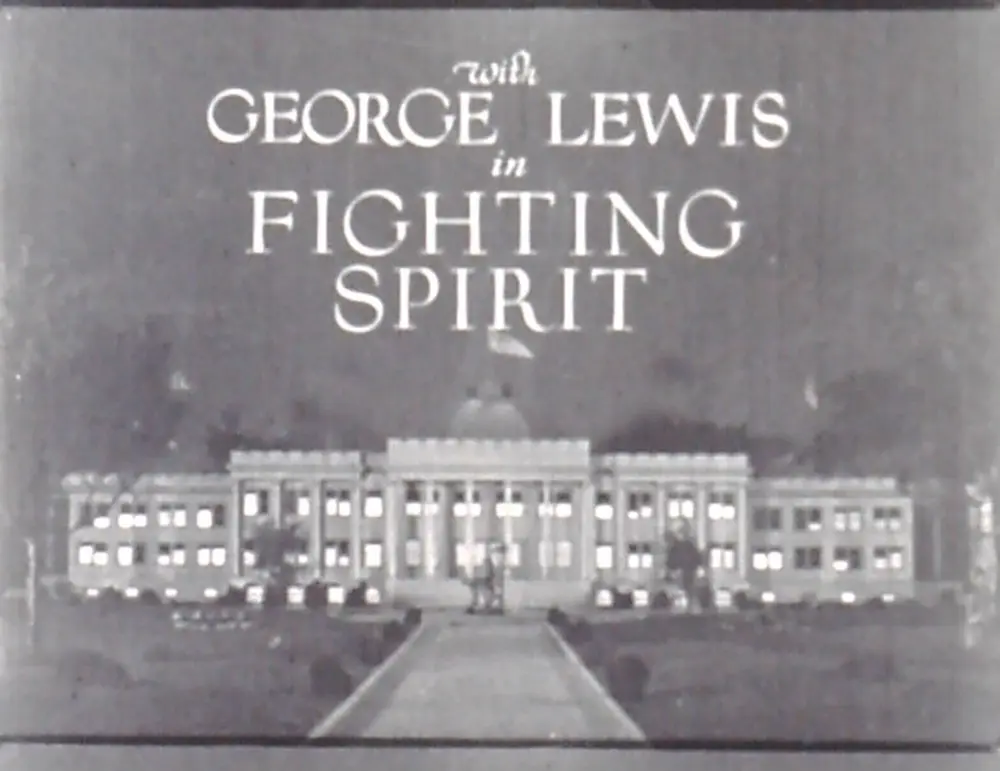
"Fighting Spirit" is a qualified watch for very specific audiences today. It’s certainly not for casual viewers expecting modern narrative sophistication or emotional nuance; they will find it primitive and likely dull. However, for those keen on understanding the direct, often blunt storytelling methods of early cinema, or those with a genuine interest in the specific period's dramatic conventions, it offers a stark, unvarnished look.
The raw, physical presence of the actors, particularly George J. Lewis, manages to cut through the often-stiff staging. There's an unadulterated earnestness in the portrayal of struggle that, while lacking subtlety, feels genuinely felt. The film’s pacing, though uneven, occasionally snaps into a brisk rhythm during its more action-oriented sequences, providing a jolt of energy that momentarily elevates it above its more pedestrian moments. It’s a document of a certain kind of performative grit.
Its dramatic arcs are painfully predictable, leaning heavily on tropes that were already well-worn even in its own era. The emotional beats are telegraphed with such blunt force that any chance for genuine connection is lost; characters react in broad strokes without internal complexity. Furthermore, the visual storytelling often feels rudimentary, relying on static shots and basic editing that fail to build sustained tension or atmosphere. The film frequently feels like a series of illustrations rather than a flowing narrative.
Your primary interest is in the mechanics of early filmmaking and how simple narratives were constructed without the benefit of a developed cinematic vocabulary. It’s valuable for academic study, providing examples of direct address, gestural acting, and the rudimentary staging of conflict. If you're compiling a survey of early sports dramas or tales of working-class perseverance, this film offers a clear, if unsophisticated, example. Think of it as a blueprint, not a finished house.
"Fighting Spirit" is less a fully realized film and more a flickering snapshot of early cinematic ambition. It’s a picture that, when viewed today, demands a significant recalibration of expectations. Forget the nuanced performances or sophisticated camera work of later eras; this is cinema in its more elemental form, wrestling with the very basics of visual storytelling. Its primary appeal lies in its unpolished directness, a quality that can feel either refreshingly honest or utterly rudimentary, depending on your patience.
The narrative, as expected for the era, is straightforward, almost skeletal. It charts a course of hardship and eventual triumph, a familiar enough blueprint. What distinguishes it, if anything, is the sheer physical commitment from its lead performers. George J. Lewis, for instance, throws himself into the role with a kind of earnest, almost naive vigor. His movements are broad, his expressions overt, but there’s an undeniable sincerity to his struggle. You can see the effort, the sweat, the strain, even through the faded print. It’s not acting as we understand it now, but rather a robust form of pantomime designed to convey emotion across the distance of a silent screen.
Dorothy Gulliver, as the supportive or distressed love interest, often finds herself relegated to reacting rather than initiating. Her performance, while adequate for the demands of the script, feels largely functional. She embodies the archetypal figure of concern, her gestures often mirroring the intensity of the male lead's plight. It's a role that offers little room for individual flourish, a common limitation for female characters in many films of this period. The film doesn't grant her much agency beyond emotional support.
The direction, credited to a team including Pierre Couderc, Phil Dunham, and George H. Plympton, exhibits a pragmatic approach to filmmaking. Shots are largely static, framing action squarely, prioritizing clarity over dynamism. There are moments where the camera attempts to follow the action, but these are often clumsy, betraying the technical limitations of the time. The fight sequences themselves—assuming the title implies a boxing or physical struggle—are staged with a certain blunt force. They lack the intricate choreography or rapid cutting that would define later action cinema, instead relying on longer takes and a more theatrical presentation of blows and falls. It’s effective in its simplicity, but rarely thrilling.
Pacing is another area where "Fighting Spirit" feels distinctly of its time. The film often meanders, allowing scenes to play out longer than strictly necessary, punctuated by title cards that hammer home emotional states or plot points already evident. This deliberate rhythm can be a test of endurance. There's a particular stretch in the second act where the protagonist's trials feel less like a dramatic escalation and more like a series of repeated misfortunes, each rendered with roughly the same emotional weight. The film struggles to build momentum, instead relying on discrete dramatic vignettes.
What's genuinely interesting is how the film, despite its technical and narrative limitations, still manages to convey a sense of genuine struggle. The sheer effort of the actors, combined with the stark, unadorned visuals, lends a certain authenticity to the poverty and physical exertion depicted. It's not pretty, it's not subtle, but it feels lived-in. You get the sense that the world outside the frame was as gritty as the one within it, a quality that many more polished films often lose.
However, one could argue that the film’s reliance on broad gestures and melodramatic cues ultimately undermines any deeper emotional resonance. While the performers are committed, their performances rarely transcend the surface. The villain, for example, is entirely one-dimensional, a sneering obstacle devoid of any discernible motivation beyond pure antagonism. This lack of complexity makes the ultimate triumph feel less earned and more like a foregone conclusion. Compare this to the more psychologically nuanced antagonists seen in films like The Spy, which, despite its early release, wrestled with more ambiguous morality. "Fighting Spirit" plays it safe, which is its biggest dramatic failing.
The editing is functional, serving primarily to advance the plot rather than create any stylistic impact. Cuts are often made out of necessity, moving from one static scene to the next without much thought given to rhythm or visual flow. There are no fancy dissolves or innovative cross-cutting here; it’s a meat-and-potatoes approach that gets the job done but offers little in the way of visual excitement. It certainly doesn't aspire to the more experimental techniques sometimes seen in contemporary European productions like Turbina No 3.
Ultimately, "Fighting Spirit" is a film that offers a valuable, if somewhat arduous, viewing experience for those specifically interested in the archaeology of cinema. It’s a testament to the early medium’s capacity for direct storytelling, even if that directness often borders on the simplistic. It never quite achieves the pathos it strains for, nor the excitement its title promises, but it provides a clear example of how early filmmakers grappled with depicting human struggle. It’s a film to be studied, not necessarily enjoyed in the modern sense. It doesn't need to be revered, but it shouldn't be dismissed without understanding its place.
"Fighting Spirit" is a film for the curious and the academic, not the casual moviegoer. Its historical value outweighs its entertainment factor. Watch it if you want to understand the foundations of dramatic cinema, but be prepared for a viewing experience that prioritizes straightforward storytelling over cinematic artistry. It’s a foundational text, not a thrilling ride.
IMDb 6.3
1937
Community
Log in to comment.