DbcultAccessing Vault...
6.1/10
Senior Film Conservator
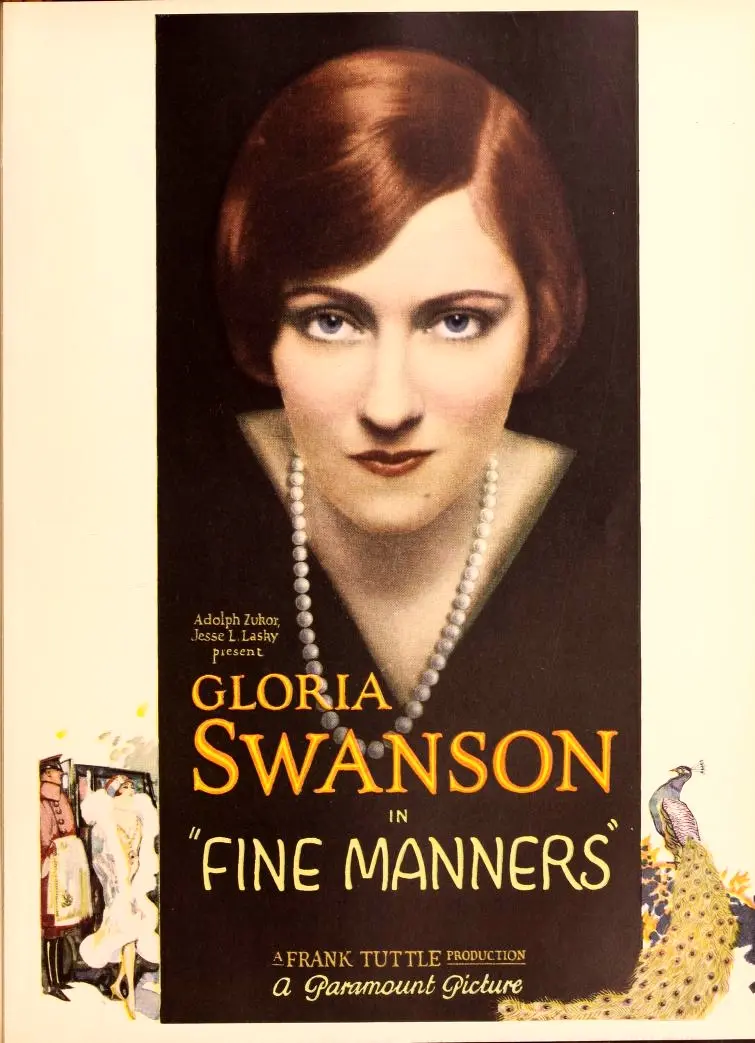
A definitive 6.1/10 rating for a film that redefined the boundaries of cult cinema. Fine Manners remains a cornerstone of transgressive art.
Is Gloria Swanson’s 1926 effort Fine Manners still a charming piece of silent cinema? Short answer: Yes, but only if you are looking for a star vehicle rather than a narrative powerhouse. This film is a quintessential example of the 'Pygmalion' trope, predating modern iterations by decades, and it serves as a fascinating, if flawed, look at 1920s class dynamics.
This film is for enthusiasts of the silent era who want to see an icon at the peak of her physical comedy and fashion influence. It is NOT for those who find the 'protective brother' trope grating or for viewers who require a fast-paced, action-oriented plot. It is a slow-burn social satire that relies heavily on the charisma of its lead.
1) This film works because Gloria Swanson possesses an innate ability to pivot from slapstick physicality to high-society poise without losing the audience's empathy.
2) This film fails because the third act rushes the reconciliation, making the brother’s sudden approval feel like a narrative convenience rather than an earned character shift.
3) You should watch it if you enjoy the 'diamond in the rough' archetype or want to study how 1920s cinema handled the concept of social mobility.
Gloria Swanson is the beating heart of Fine Manners. By 1926, she was arguably the biggest star in the world, and this film was designed specifically to showcase her range. In the early scenes, set in the cluttered, dimly lit tenement, Swanson plays Orchid with a frantic, infectious energy. She is a 'chorine'—a chorus girl—and her movements are unrefined, loud, and unapologetically working-class.
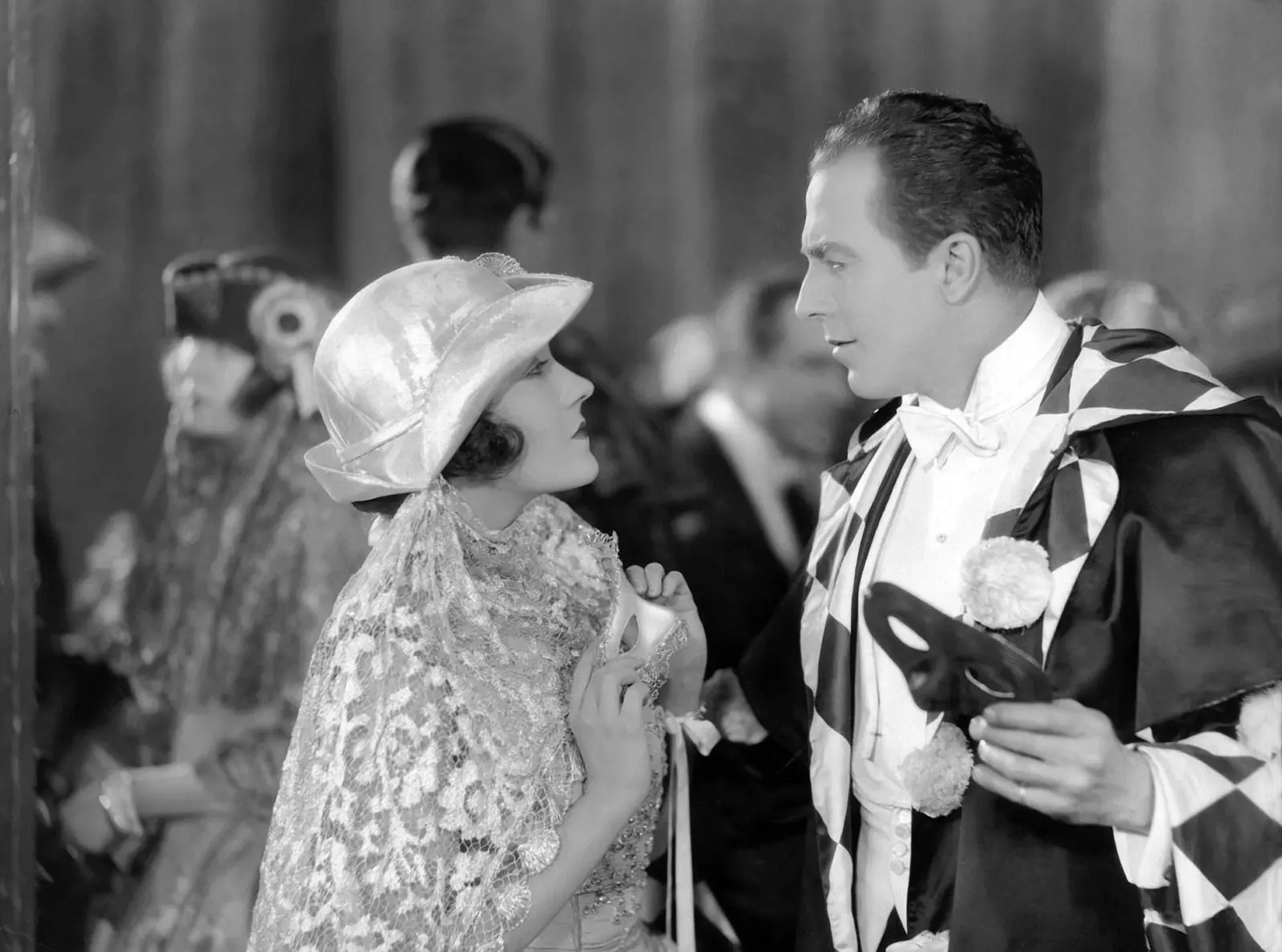
Compare this to her later scenes after she has attended the 'charm school.' The contrast is striking. Her posture stiffens; her gaze becomes distant and haughty. Swanson doesn’t just change her clothes; she changes her entire aura. It is a masterclass in silent acting that rivals the character transformations seen in contemporary films like The Perfect Flapper. She makes the transition believable, which is no small feat given the film's relatively short runtime.
The direction—credited to Richard Rosson, though often associated with the production's high standards—utilizes the set design to tell a story of two New Yorks. The tenement is a maze of laundry lines and cramped quarters, a stark contrast to the Alden estate, which feels like a museum. The cinematography during the New Year's Eve party is particularly noteworthy. The use of streamers, confetti, and crowded frames creates a sense of overwhelming chaos that justifies Orchid and Buddy’s separation.
In one specific scene, Orchid is shown practicing her walk in the Alden mansion. The camera remains static, emphasizing the rigid, unnatural environment she is trying to inhabit. This visual stillness contrasts sharply with the kinetic energy of the earlier tenement scenes. It is a subtle but effective way to show that 'fine manners' are, in this world, synonymous with a lack of life. The film captures the grit of poverty similarly to Miss Nobody, but it adds a layer of aspirational glamour that was a hallmark of Swanson’s Paramount years.
One of the most debatable aspects of the film is the character of Buddy. Played with a certain stiff-necked intensity by Eugene O'Brien, Buddy is framed as a protective brother, but to a modern audience, his behavior borders on the obsessive. He treats Orchid less like a sister and more like a piece of property to be guarded against the 'uptown' world. This creates a friction that the film doesn't fully resolve.
I would argue that Buddy is actually the film's hidden antagonist. His refusal to let Orchid explore the world is what drives her into Alden's arms in the first place. When he finally gives his 'okay' for the marriage at the end, it feels less like a blessing and more like a surrender. The film tries to frame it as a happy ending, but there is an underlying bitterness to the fact that Orchid needs her brother's permission to be herself. It’s a dynamic that feels far more dated than the romance itself.
Is this film worth watching today? Yes, Fine Manners is worth watching for anyone interested in the evolution of the romantic comedy and the sheer screen presence of Gloria Swanson. It provides a fascinating look at 1920s class anxieties through a lens that is both humorous and surprisingly critical. While the plot is predictable, the execution by a top-tier silent film star makes it a mandatory viewing for cinema historians. It works. But it’s flawed.
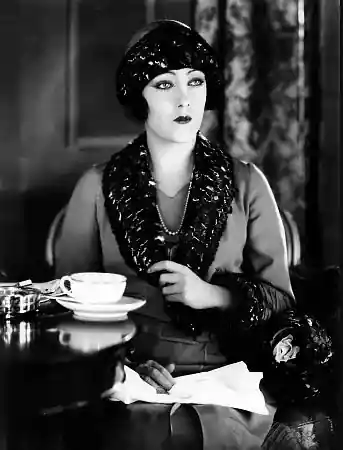
An unconventional observation about Fine Manners is its inherent cynicism. Usually, these 'rags-to-riches' stories celebrate the refinement of the protagonist. However, this film suggests that the 'fine manners' of the elite are a mask for boredom and cruelty. Once Orchid becomes a 'lady,' she becomes a snob. She treats her old friends with disdain. The film suggests that the upper class doesn't just want you to act like them; they want you to be as miserable as them.
This critique of the social ladder is similar to what we see in Scandal, where the pressure of reputation outweighs personal happiness. In Fine Manners, the 'charm school' is depicted almost like a prison. The instructors are cold, and the lessons are absurd. It’s a surprising stance for a film that was marketed as a light comedy. It suggests that the 'uptown' world Brian Alden inhabits is actually a vacuum of personality.
The pacing of Fine Manners is typical for a 1926 feature, but it may feel slow to those used to the rapid-fire editing of modern rom-coms. It takes its time establishing the atmosphere of the tenement. This is necessary to make Orchid's later transformation feel significant. However, the middle section, where she is learning to be a lady, could have been trimmed. We see her fail at the same tasks multiple times, which, while funny, doesn't always move the plot forward.
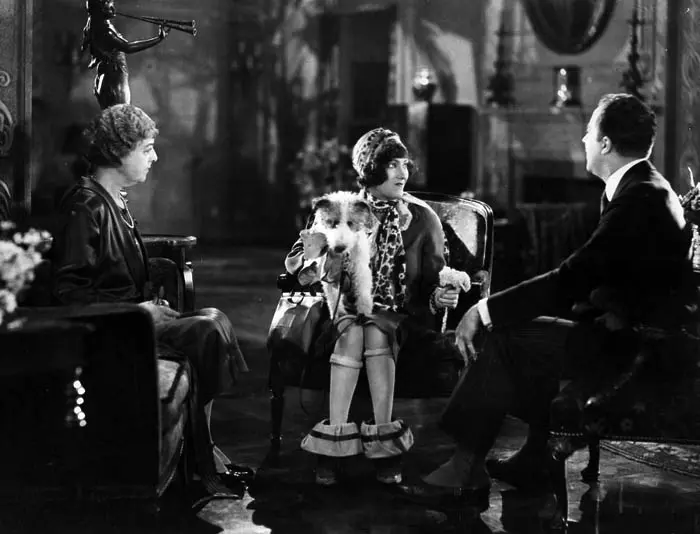
The tone is also a bit of a hybrid. It starts as a broad comedy, moves into a social drama, and ends as a romance. This tonal shift is handled mostly through Swanson’s performance. When she is happy, the film feels like a lighthearted romp akin to Percy. When she is struggling with her new identity, it takes on a more somber, reflective tone. This versatility is what kept audiences coming back to Swanson’s films.
While not as frequently cited as Sunset Boulevard, Fine Manners is a vital piece of the Swanson puzzle. It represents the end of an era—her final film for Paramount before she moved on to independent production. You can see her exerting more control over her image here. She isn't just a victim of circumstances; she is a woman making choices, even if those choices are influenced by the men around her.
The film’s influence can be seen in later 'makeover' movies, from My Fair Lady to Pretty Woman. It established the visual shorthand for the 'clumsy girl turned elegant lady' that Hollywood would use for the next century. In that sense, it is a foundational text of the genre. Even if the gender politics are dated, the core story of finding oneself amidst social pressure remains universal.
Fine Manners is a sparkling, if slightly repetitive, star vehicle that succeeds entirely on the back of Gloria Swanson. It captures a specific moment in American history when the lines between the 'old world' and the 'new world' were being blurred by the jazz age and the rise of the working class. While the ending is too neat and the brother character is a drag, the film's visual style and Swanson's comedic brilliance make it a worthy watch. It is a polished gem from the silent era that still has a bit of grit underneath its fingernails.

IMDb —
1925
Community
Log in to comment.