DbcultAccessing Vault...
6.4/10
Senior Film Conservator
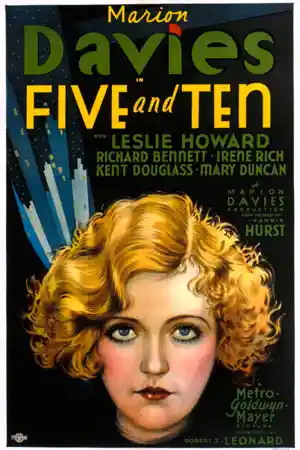
A definitive 6.4/10 rating for a film that redefined the boundaries of cult cinema. Five and Ten remains a cornerstone of transgressive art.
Alright, so Five and Ten. This one's a trip back. If you’re into really old movies, especially that pre-Code era where things felt a little… looser, you might dig it. But seriously, for most folks used to anything faster than a leisurely stroll, you’ll probably be fidgeting. It’s for the patient ones, the ones who like to see how they used to tell stories about money and messy hearts. ❤️
The whole thing kicks off with the Randal family, fresh off the boat from Kansas City, suddenly swimming in cash thanks to Dad’s 'Five and Ten' stores. Marion Davies plays Judy, the daughter. And she’s quite something here. Not her usual bubbly persona, more reserved, almost watchful. You can see her trying to figure out this new, shiny New York world.
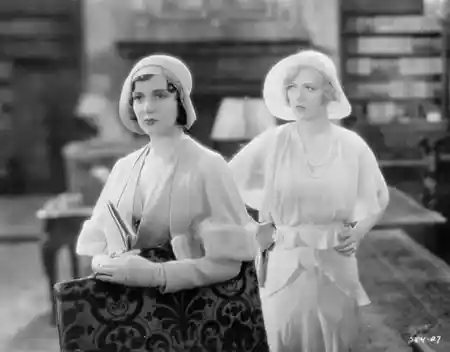
Her dad, played by Richard Bennett, is just beaming with new money. He’s all about the big house, the parties, the whole shebang. It’s a bit much, honestly, but you can feel his pride. The way he pronounces certain words, almost like he’s trying out his new social standing. It’s a detail that sticks with you.
Then Judy meets Bert, played by Leslie Howard. And oh boy. He’s got that quiet, intense thing down pat. He’s already engaged, of course. To someone else, someone very proper. But you can see the pull between him and Judy. It’s not a fiery, dramatic spark, but more like a slow, inevitable lean.
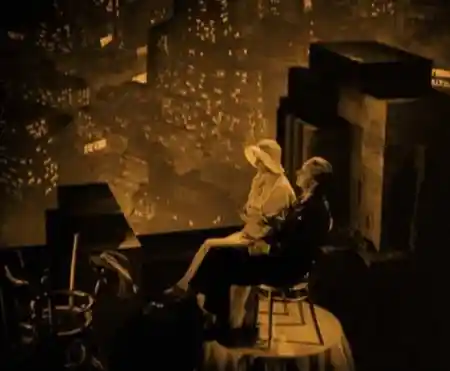
There’s a scene where Judy and Bert are at a party, and they just sort of find each other in a corner. The camera stays on them for a bit too long, just watching them talk, or rather, *not* talk much, just exchange glances. It's subtle. You almost feel like you shouldn't be watching. 👀
The movie really leans into the whole 'new money versus old society' thing. The Randal family’s attempts to fit in are often awkward, sometimes even painful to watch. Judy’s brother, for example, tries way too hard to be a socialite, and it just comes off as desperate. You can almost feel the movie trying to convince you this moment matters.

Davies, she’s got this quiet strength about her. You really *feel* her dilemma. She’s not screaming or crying over Bert, not usually. It’s more in her eyes, in the way she holds herself. There’s a moment she's sitting alone in her grand, empty-feeling New York apartment, just staring out a window. It felt pretty real, that kind of loneliness despite all the new wealth.
Howard’s character, Bert, he’s a good man, I think, but he’s also a bit stuck. He cares about Judy, you see that. But he’s also bound by his word, his family, the whole social order. It’s tough. He doesn’t really get to be the hero, not in a traditional sense. He's more of a tragic figure, quietly caught.
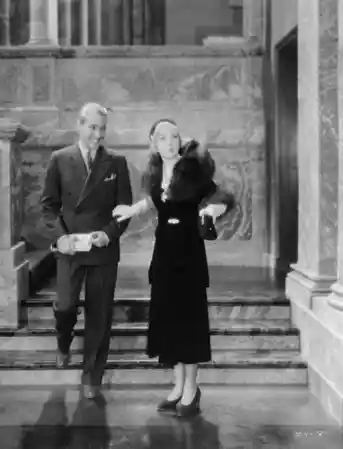
The dialogue sometimes feels a little stilted, like people are reading from a script and then remembering to *act*. But then there are these flashes of real emotion, especially from Davies. Like when she finally confronts Bert about his engagement. It’s understated, but the *pain* is right there.
And the ending? Well, it’s a pre-Code movie. Don’t expect everything to be tied up with a neat little bow. It leaves you with a certain feeling, a sort of melancholic resignation. Not exactly happy, not entirely sad. Just... finished. There's no big, dramatic showdown. It's more of a quiet fading out.
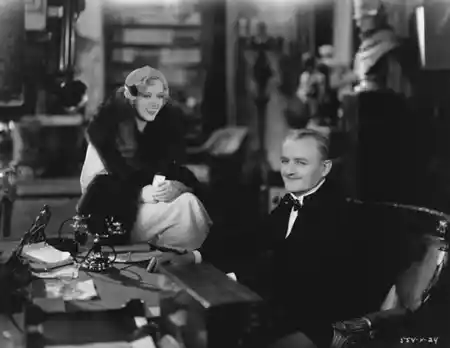
One weird thing: the constant use of telephones in every scene. It's like they just discovered them! 📞 Everyone is always on the phone, announcing something or getting news. It’s a little charming, a little clunky.
So yeah, Five and Ten. It’s not a rollicking good time, and it won't blow your mind with plot twists. But if you're curious about old movies, about Marion Davies doing something a little different, or just how wealth and longing played out back then, it's worth a watch on a quiet afternoon. Just be ready for the pace. It’s a gentle current, not a rapids ride.
IMDb 5.8
1928
Community
Log in to comment.