DbcultAccessing Vault...
5.6/10
Senior Film Conservator
A definitive 5.6/10 rating for a film that redefined the boundaries of cult cinema. Lykkens blændværk remains a cornerstone of transgressive art.
In the pantheon of Scandinavian silent cinema, few works capture the agonizing intersection of material aspiration and spiritual bankruptcy with the surgical precision of Lykkens blændværk. Released in 1918, a year defined by the global convulsions of the Great War’s end, Emanuel Gregers’ film stands as a monumental achievement in psychological realism. It eschews the histrionic flourishes common to the era’s lesser exports, opting instead for a simmering, atmospheric tension that feels remarkably modern. The film’s title, which translates to 'The Delusion of Happiness,' functions as both a thematic roadmap and a scathing indictment of the very society it depicts.
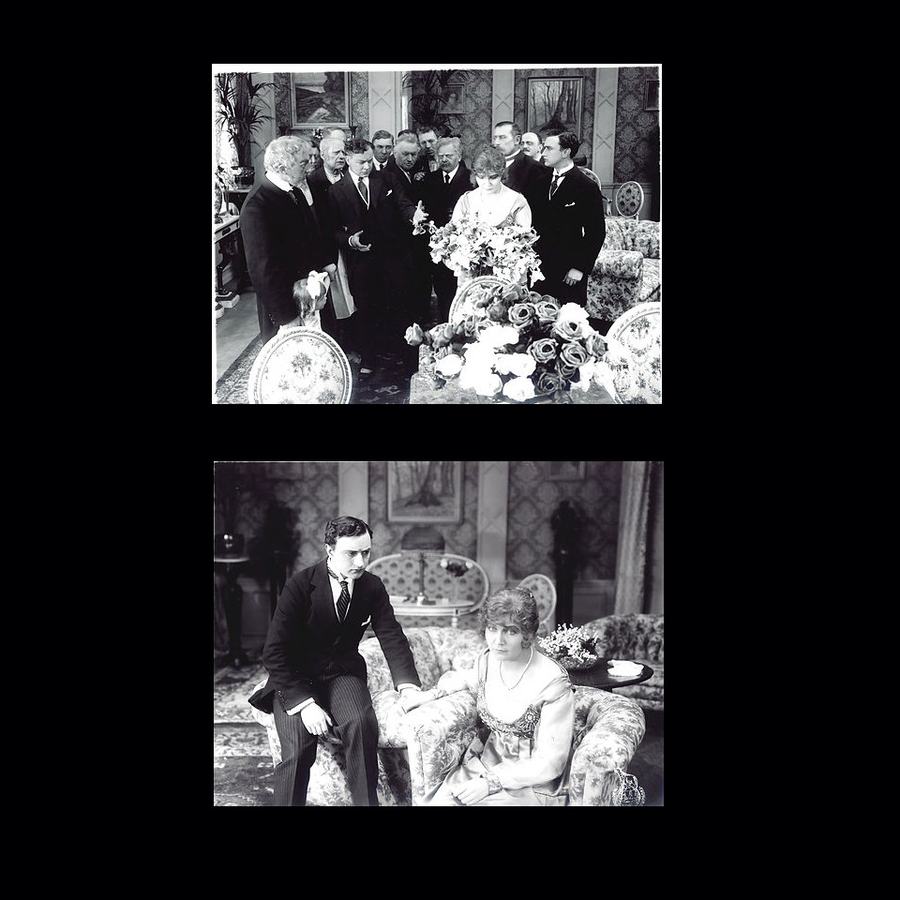
Emanuel Gregers, a name that perhaps does not carry the immediate international weight of a Dreyer or a Sjöström, proves here that he was a master of the frame. In Lykkens blændværk, the mise-en-scène is not merely decorative; it is participatory. Gregers understands that the spaces we inhabit are extensions of our internal states. The opulent interiors, cluttered with the trappings of wealth, serve as a gilded cage for the characters. Unlike the more frantic, action-oriented narratives found in contemporary American shorts like Money Madness, Gregers allows the camera to linger. He invites the audience to observe the micro-expressions of his cast, finding the 'truth' in the silence between the dialogue intertitles.

The cinematography utilizes a sophisticated chiaroscuro that highlights the duality of the protagonist’s existence. Light is rarely a symbol of hope here; instead, it is a harsh spotlight that exposes the cracks in the characters' carefully constructed facades. When compared to the visual language of Wolves of Kultur, which relies on the stark contrasts of propaganda and pulp, Lykkens blændværk operates in the nuances of grey. It is a film of shadows, both literal and metaphorical.
The heavy lifting of this emotional odyssey falls upon the shoulders of Elna Jørgen-Jensen. Her performance is a masterclass in restraint. In an era where 'acting' often meant wide-eyed gesticulation, Jørgen-Jensen communicates volumes through the slight tilt of her head or the tightening of her jaw. She embodies the tragic trajectory of a woman whose pursuit of a stable, 'happy' life leads her into a quagmire of deception. Her chemistry with Carlo Wieth is palpable, a slow-burning friction that mirrors the crumbling world around them.
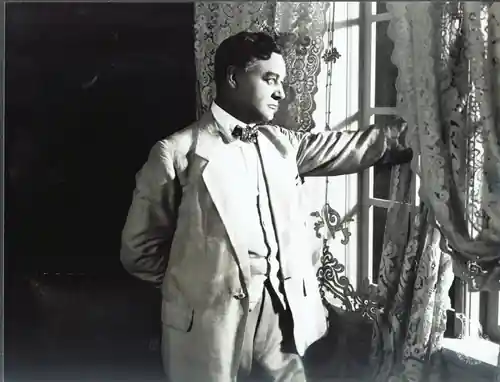
Gudrun Houlberg provides a necessary foil, her presence injecting a different kind of energy into the frame. While Leah Kleschna explored themes of redemption through a more traditional moral lens, Houlberg’s character in this Gregers piece suggests that redemption is a luxury few can afford when the social machinery is rigged against them. The supporting cast, featuring the likes of Axel Boesen and Frederik Jacobsen, creates a rich tapestry of Danish life, each actor playing their part in this grand, somber clockwork.
The plot of Lykkens blændværk is deceptively simple, yet it carries the weight of a Greek tragedy. It deals with the acquisition of wealth and the subsequent erosion of the self. This is not a new theme—even in 1918, the 'money-is-evil' trope was well-worn—but Gregers breathes new life into it by focusing on the domestic minutiae. We see the way a new dress or a larger house changes the way characters speak to one another. The intimacy of the early scenes is slowly replaced by a cold, performative distance.
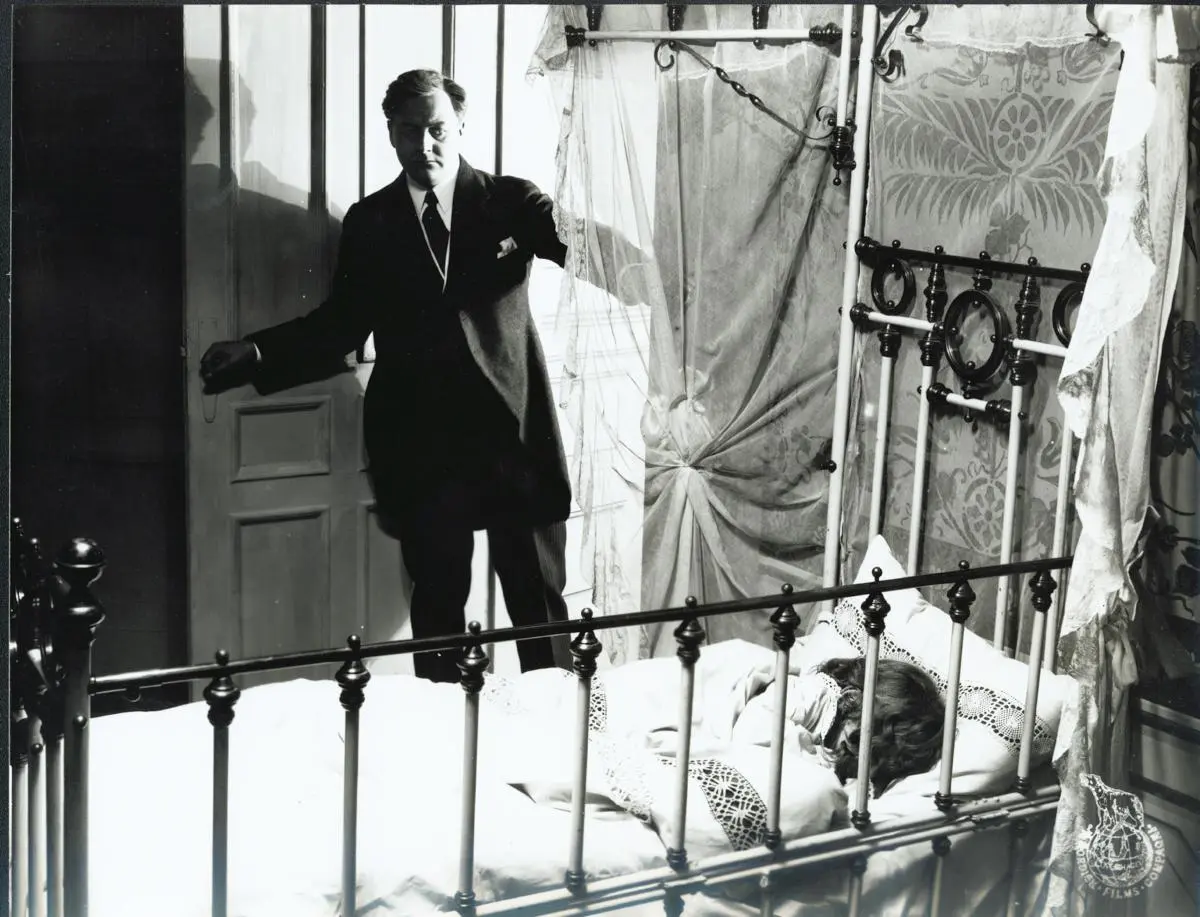
In many ways, the film shares a spiritual DNA with House of Cards, not in its political machinations, but in its depiction of the fragility of social standing. One wrong move, one revealed secret, and the entire structure collapses. The screenplay by Emanuel Gregers himself is a marvel of economy. Every scene serves a purpose, building toward a climax that feels both shocking and utterly inevitable. There is no 'deus ex machina' here; the characters are the architects of their own destruction.
To truly appreciate the depth of Lykkens blændværk, one must look at the broader landscape of 1910s cinema. While films like The Lady Outlaw focused on the thrill of the chase and the subversion of gender roles, Gregers is more interested in the internal 'outlaw'—the part of the human spirit that rebels against the boredom of safety. Similarly, while The Pulse of Life attempted to capture the vibrancy of existence, Gregers captures its slow, rhythmic decay.
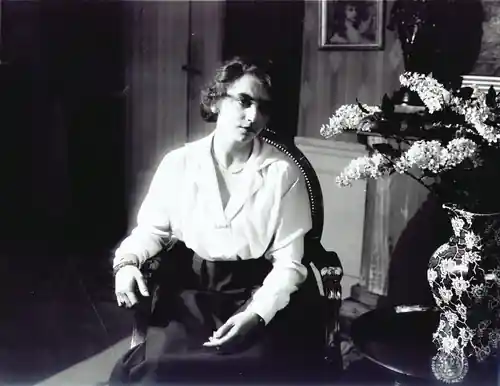
The film’s pacing is deliberate, almost meditative. It lacks the populist urgency of France in Arms, which was fueled by the immediate fires of war. Instead, Lykkens blændværk feels timeless. It could be set in 1818 or 2018, and the core message would remain unchanged: the 'blændværk' (delusion) of happiness is a universal human condition. Even when compared to the stylized horror of Alraune, Gregers’ work is more unsettling because its monsters are not lab-grown; they are born in the drawing rooms of the polite society.
From a technical standpoint, the restoration of this film (where available) reveals a startling clarity of vision. The use of depth of field is particularly noteworthy. Gregers often places a character in the foreground, sharp and focused, while the source of their anxiety—a creditor, a lover, a ghost from the past—looms in the soft-focus background. This visual layering adds a psychological depth that was rare for the time. It creates a sense of voyeurism; we are not just watching a story, we are intruding on a private collapse.
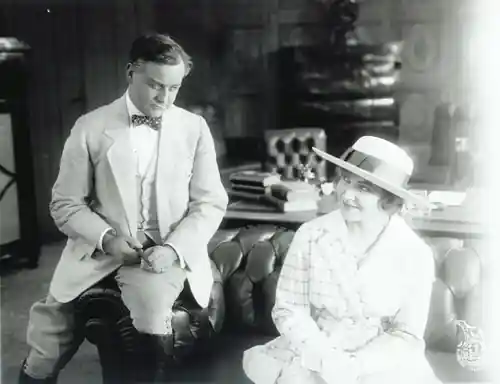
The costume design also deserves mention. As the characters' fortunes change, so too does their attire, becoming increasingly restrictive and ornate. By the final act, the protagonist is literally swallowed by her clothes, a visual metaphor for the way her social status has erased her humanity. This level of detail is what separates a mere 'movie' from a work of 'cinema.' It is the difference between The Girl, Glory and a profound exploration of the feminine condition like Lykkens blændværk.
Why does Lykkens blændværk matter today? In an age of social media, where the 'delusion of happiness' is curated and filtered for a global audience, Gregers’ warning feels more pertinent than ever. We are still chasing the same mirages, still building our lives on the shifting sands of external validation. The film serves as a mirror, reflecting our own insecurities back at us through the lens of a century-old Danish drama.
It lacks the sentimentality of Heartsease or the simplistic morality of Wanted: A Mother. It is a cold, hard look at the cost of living. When we watch Carlo Wieth’s character realize the emptiness of his achievements, we are seeing the precursor to the great existential protagonists of the mid-20th century. This is the root of the 'Nordic Noir' sensibility—a deep-seated understanding that beneath every clean, well-lit surface, there is a darkness waiting to be acknowledged.
As the final frames flicker out, leaving the audience in a state of contemplative silence, one cannot help but feel a sense of profound respect for what Emanuel Gregers achieved. He didn't just make a film about a delusion; he created an experience that forces us to question our own definitions of success. It is a haunting, beautiful, and ultimately essential piece of cinematic history that demands to be seen, studied, and remembered. Whether you are a scholar of the silent era or a casual viewer looking for something with more 'meat' than the average blockbuster, Lykkens blændværk is a journey worth taking.
Final Verdict: A staggering achievement in Danish naturalism that remains as sharp and biting as the day it was premiered. A must-watch for anyone interested in the evolution of the psychological drama.
IMDb 7.4
1937
Community
Log in to comment.