DbcultAccessing Vault...
5.6/10
Senior Film Conservator
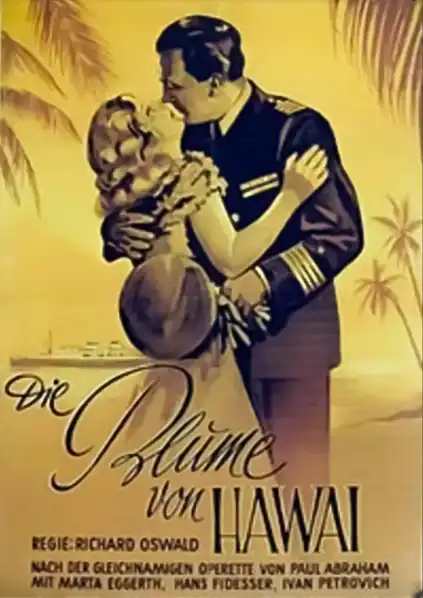
A definitive 5.6/10 rating for a film that redefined the boundaries of cult cinema. Flower of Hawaii remains a cornerstone of transgressive art.
Alright, so you’re thinking about digging up an old film, maybe something a little different? Flower of Hawaii might be your jam if you appreciate those classic, gentle musicals from back in the day. It’s definitely not for folks who need explosions or super complex plots, but if you like a bit of song, some pretty scenery, and a surprisingly low-key historical backdrop, it could be a pleasant watch. If you’re allergic to anything that feels a bit slow or 'of its time,' probably skip it. 🤷♀️
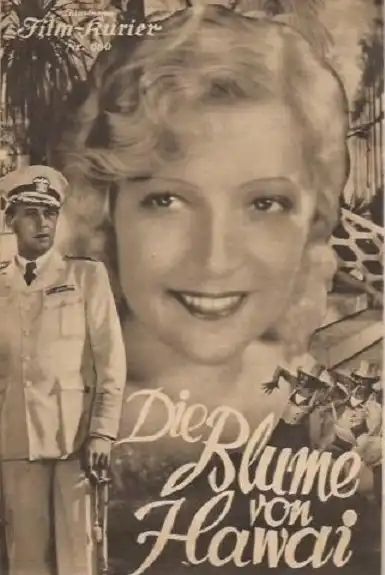
The whole thing kicks off in a Parisian nightclub, which is a neat contrast to where we end up. Suzanne, played by Mártha Eggerth, is working there, doing her artistic thing. She’s got this bright, almost too-earnest quality that feels very period-appropriate. Then these two foreigners show up, offering her a gig in Hawaii as a partner to the main singer. It all feels a bit sudden, a classic movie contrivance, but hey, it gets us to the good part, right?
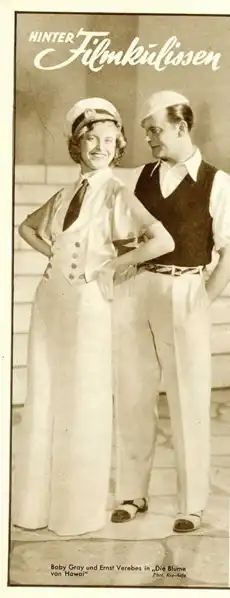
Once Suzanne lands in Hawaii, the film really starts to lean into its charm. The shots of the island are just gorgeous. You can almost feel the warm air. It’s all very idyllic, palm trees swaying, people singing. But then, the movie drops this little subplot about the American governor being worried about Prince Lilo Taro and potential rebellion among the islanders. It’s a strange little wrinkle in what otherwise feels like a light musical. The tension feels more like background noise than a real threat, honestly. Like a faint drumbeat you almost miss during a luau. 🥁
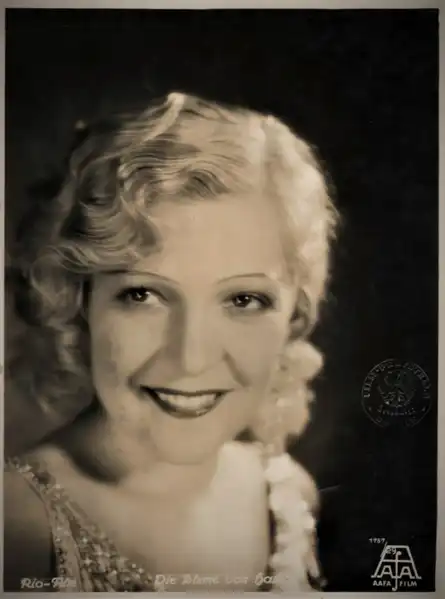
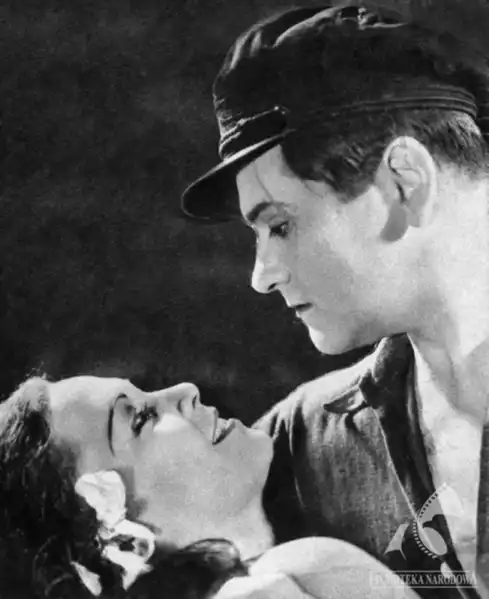
Mártha Eggerth, as Suzanne, carries a lot of the film’s musical weight. Her singing is lovely, very clear and sweet. There’s a scene where she’s practicing a new song, and you can see her trying to find her rhythm. It’s a small moment, but it makes her feel a bit more real. Her co-star, Iván Petrovich, has this kind of quiet intensity. He doesn't say a ton, but his expressions often do the talking. Especially when he's looking at Suzanne, you get the feeling there's more going on than just shared stage time.
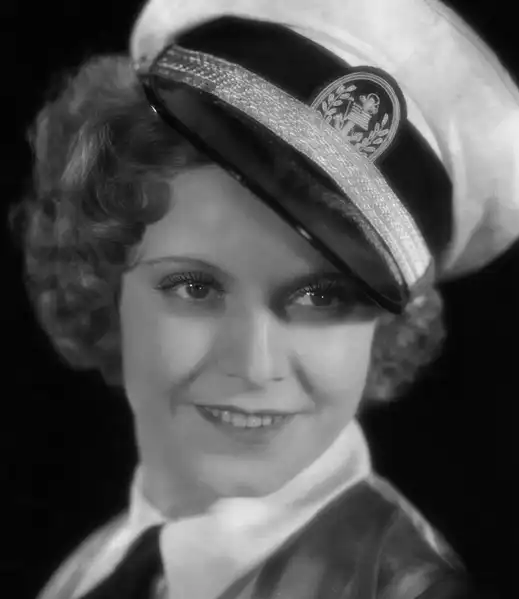
The musical numbers themselves are pretty standard for the era. Some are catchy, others just blend together a bit. There’s one particular song that felt like it went on about 15 seconds too long. You just sort of wait for it to finish, you know? But then another number will have this energy, especially with the Hawaiian dancers, that just pops off the screen. 💃
That political stuff, with Prince Lilo Taro, never quite feels fully integrated. It's almost like two different movies are trying to happen at once. One is a sweet romance with music, the other a very, very gentle drama about colonial anxieties. The governor character, for example, is always kind of pacing and looking worried, but nothing really *happens* with it. It’s like the film wants to acknowledge the serious stuff but doesn't want to mess up the pretty songs.
Watching this, you’re often just waiting for the next song or for Suzanne and Petrovich to share another longing glance. It’s **charming**, yes, but also a little **sleepy** in parts. The pacing is deliberate, not slow, just… unhurried. You really gotta be in the mood for that kind of rhythm. It’s a movie that asks you to just *be* with it, not rush it.
So, is it a forgotten masterpiece? Nah. Is it a perfectly fine, even lovely, little film from another time? Absolutely. It’s a nice way to spend an afternoon if you want to escape to a vintage Hawaii, with some tunes and a touch of almost-drama. It’s like a light breeze, not a storm. 🌬️
IMDb —
1920
Community
Log in to comment.