DbcultAccessing Vault...
Cult Review
Senior Film Conservator
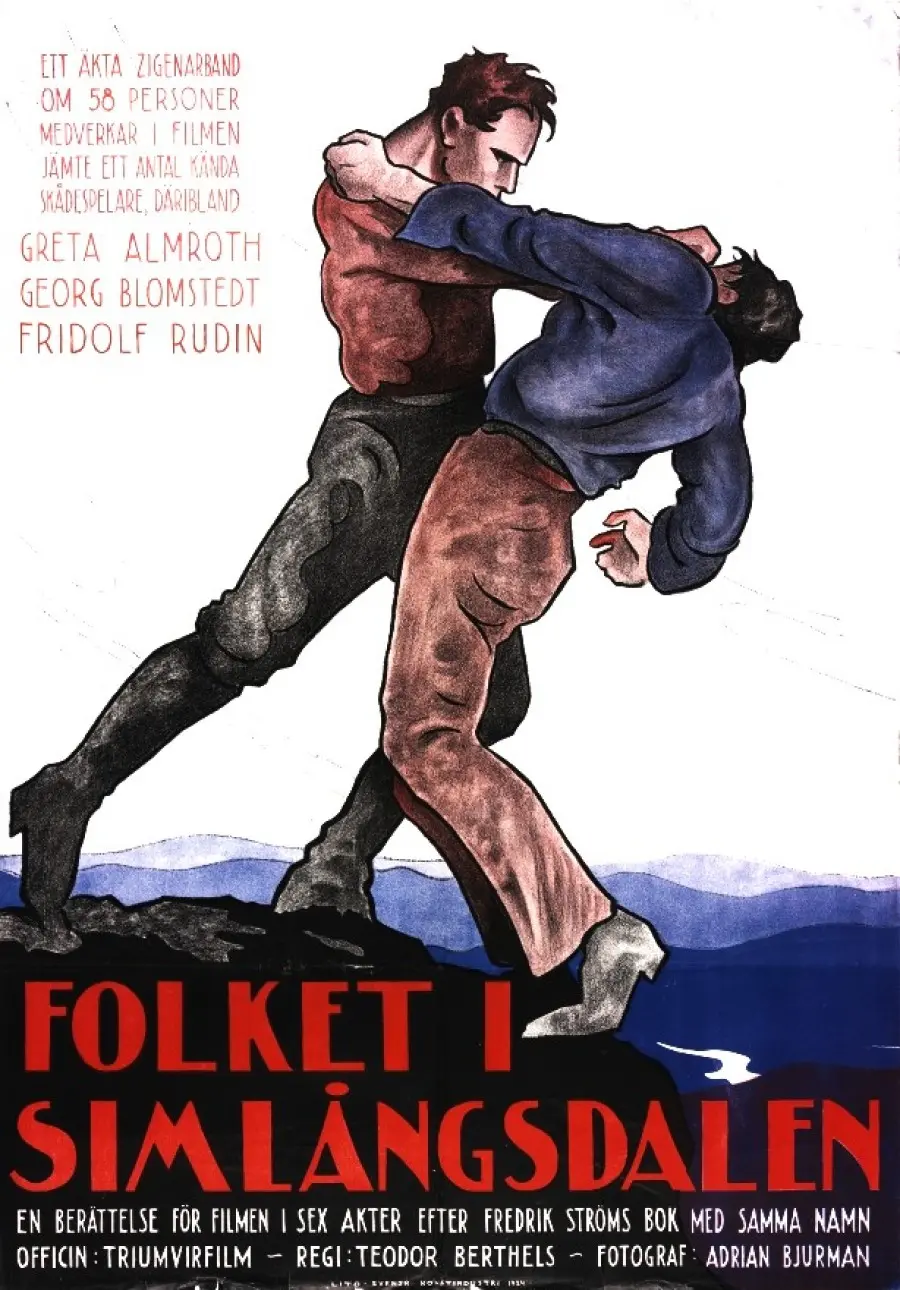
In the scorching landscape of Simlångsdalen, a sense of unease permeates the air, much like the foreboding atmosphere that pervades Beasts of Paradise. It is here that Sig Folkeson, played by Gösta Gustafson, reigns supreme, his formidable presence casting a long shadow over the community. With his considerable wealth and influence, Sig has become a behemoth, feared and respected in equal measure.
Sig's character is a masterclass in complexity, a labyrinthine persona that is both captivating and terrifying. His actions are guided solely by self-interest, with no regard for the consequences that befall those who dare to cross him. This ruthless pragmatism is reminiscent of the themes explored in Are You a Mason?, where the pursuit of power and status is often prioritized above all else.
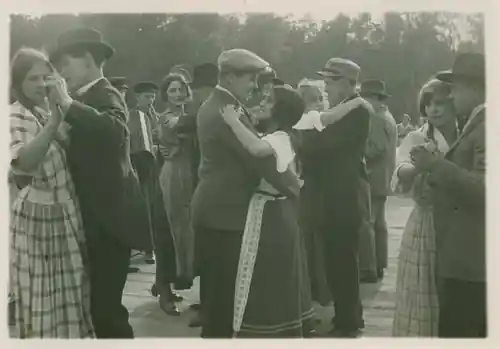
The film's narrative is expertly woven, with a keen focus on character development that allows the audience to become fully immersed in the world of Simlångsdalen. The supporting cast, including Georg Blomstedt and Semmy Friedmann, deliver performances that are both nuanced and convincing, adding depth to an already rich tapestry of characters. Much like the intricate plot of Those Who Pay, Folket i Simlångsdalen is a cinematic experience that rewards close attention and reflection.
One of the most striking aspects of Folket i Simlångsdalen is its unflinching portrayal of the darker aspects of human nature. Sig's descent into moral decay is a stark reminder that the corrupting influence of power can have devastating consequences, a theme that is also explored in Höhenluft. As his actions become increasingly reprehensible, the audience is left to ponder the very fabric of his character, and the factors that have contributed to his downfall.
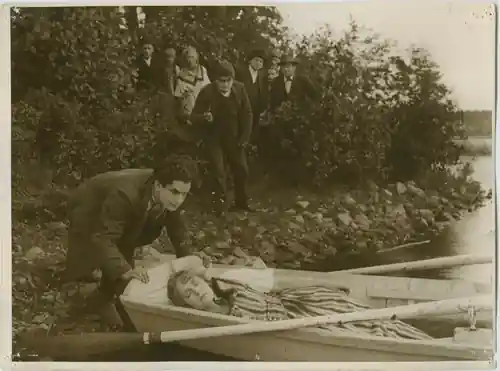
The cinematography is noteworthy, capturing the stark beauty of the rural landscape in a manner that is both haunting and evocative. The use of lighting and composition adds to the overall sense of unease, creating a visually stunning backdrop against which the drama unfolds. In comparison to the vibrant colors of A Bird of Bagdad, the muted tones of Folket i Simlångsdalen serve to underscore the somber mood that pervades the film.
Throughout the film, the themes of power, corruption, and moral decay are expertly intertwined, creating a narrative that is both thought-provoking and deeply unsettling. As Sig's world begins to unravel, the audience is left to grapple with the consequences of his actions, and the devastating impact that they have on those around him. This nuanced exploration of the human condition is a hallmark of the film, and one that sets it apart from other dramas of its era, such as The Dentist.
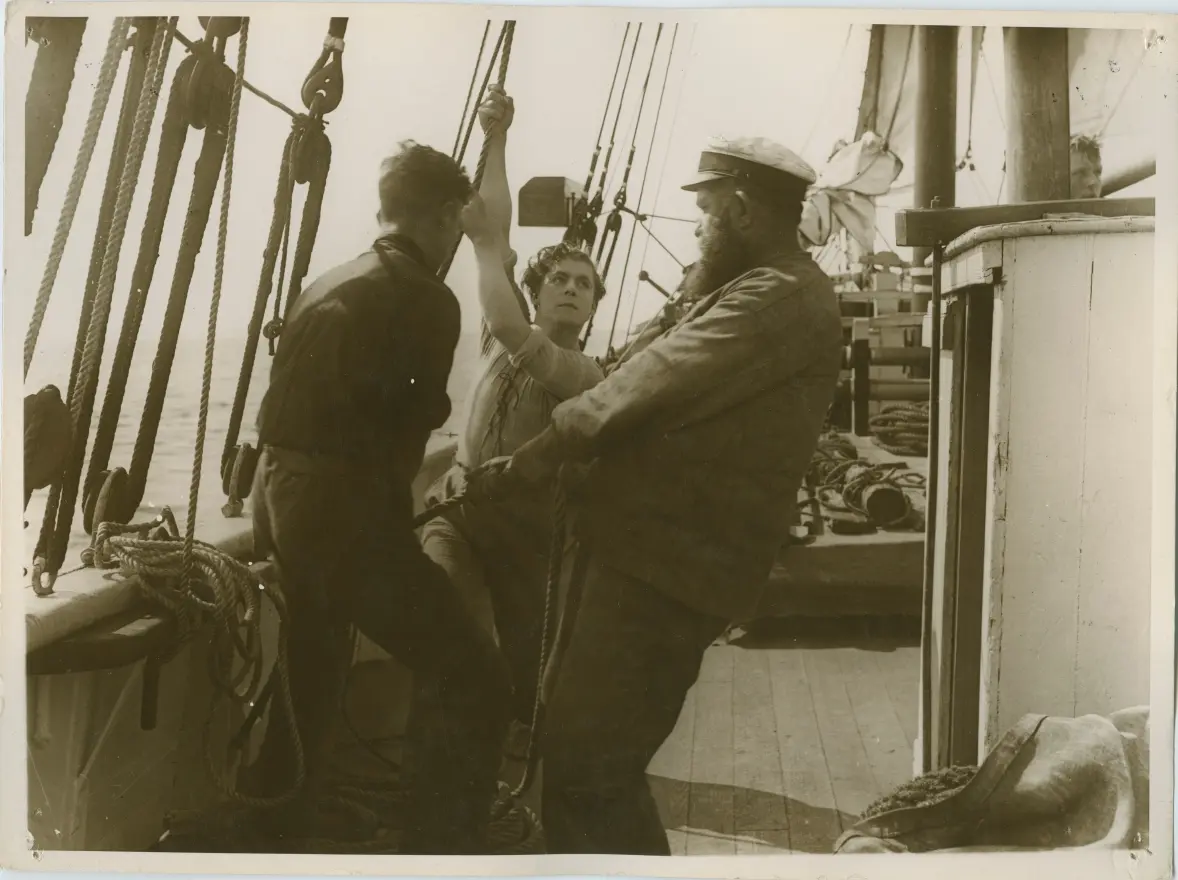
In the context of its time, Folket i Simlångsdalen is a film that challenges social norms and conventions, much like Lilith and Ly. Its portrayal of a ruthless and cunning individual, who will stop at nothing to achieve his goals, serves as a commentary on the darker aspects of human nature, and the dangers of unchecked ambition.
The film's score is equally impressive, with a haunting soundtrack that perfectly captures the mood and atmosphere of the narrative. The use of music is subtle yet effective, adding to the overall sense of tension and unease that permeates the film. In comparison to the more lighthearted tone of From Two to Six, the score of Folket i Simlångsdalen is a masterclass in restraint, with a focus on nuance and subtlety.
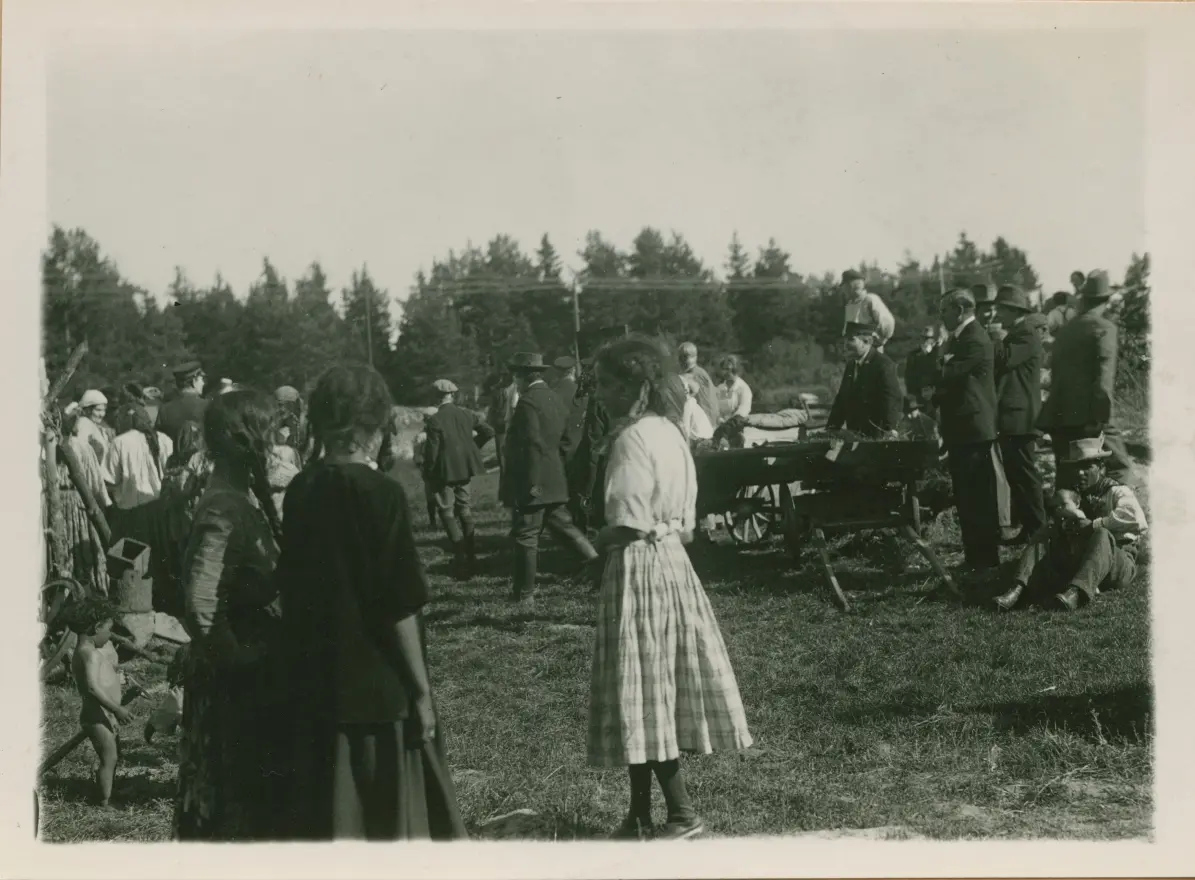
As the film draws to a close, the audience is left to ponder the legacy of Sig Folkeson, and the impact that he has had on those around him. His story serves as a cautionary tale, a reminder of the dangers of unchecked power and the importance of moral accountability. In this sense, Folket i Simlångsdalen is a film that lingers long after the credits roll, its themes and characters continuing to resonate with the audience like the haunting melody of The Boy Girl.
Ultimately, Folket i Simlångsdalen is a masterpiece of cinematic storytelling, a film that expertly explores the complexities of the human condition. With its richly nuanced characters, stunning cinematography, and thought-provoking themes, it is a must-see for anyone interested in the art of filmmaking. While it may not be as well-known as some of its contemporaries, such as Weak Hearts and Wild Lions, Folket i Simlångsdalen is a hidden gem that is waiting to be discovered.
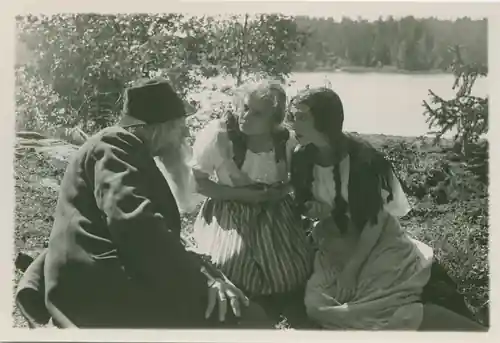
In conclusion, Folket i Simlångsdalen is a film that is both a product of its time and a timeless classic. Its exploration of power, corruption, and moral decay continues to resonate with audiences today, making it a must-see for anyone interested in the art of filmmaking. With its richly nuanced characters, stunning cinematography, and thought-provoking themes, it is a film that will linger long after the credits roll, much like the haunting atmosphere of Die Gespensteruhr.
The film's influence can be seen in many other dramas, including Discontented Husbands and Heroic France. Its portrayal of a ruthless and cunning individual, who will stop at nothing to achieve his goals, serves as a commentary on the darker aspects of human nature, and the dangers of unchecked ambition.
As a work of cinematic art, Folket i Simlångsdalen is a masterpiece, a film that continues to captivate audiences with its richly nuanced characters, stunning cinematography, and thought-provoking themes. It is a must-see for anyone interested in the art of filmmaking, and a testament to the power of cinema to challenge social norms and conventions.
In the world of cinema, there are few films that can be said to be truly groundbreaking. Folket i Simlångsdalen is one such film, a work of art that continues to resonate with audiences today. Its exploration of power, corruption, and moral decay is a timeless classic, a theme that continues to captivate audiences and inspire new generations of filmmakers.
IMDb 6.2
1930
Community
Log in to comment.