DbcultAccessing Vault...
Cult Review
Senior Film Conservator
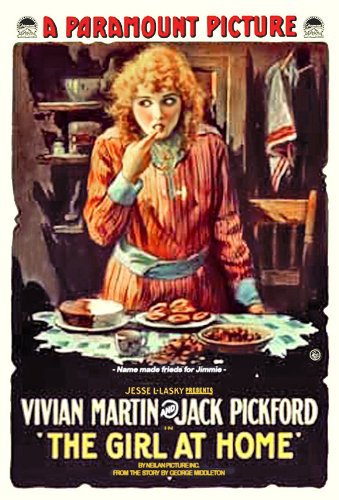
The projector crackles alive with a nitrate perfume, and suddenly 1919 is breathing down our necks again. George Middleton and Beulah Marie Dix cobble together a parlor parable that feels like Edith Wharton on a budget: lace doilies instead of drawing-room epics, but the emotional shrapnel lands all the same. Vivian Martin’s Jean Hilton glides through the first act like a porcelain ghost who’s memorized every squeak in the floorboards—her smile is charity, her silence compound interest. She bankrolls Jimmie’s escape not merely for love but to purchase a future in which she can matter; it’s philanthropy as self-invention.
Jack Pickford, forever Hollywood’s kid brother, weaponizes that perpetual adolescence here. His Jimmie vibrates with the restless voltage of someone who’s been told the world is owed to him on a silver plate and immediately misplaces the plate. Watch the way his pupils dilate the instant Olga Grey’s Diana Parish purrs into the frame—she’s all spangles and moral static, the anti-Jean. Diana’s cabaret is a strobe-lit purgatory where Prohibition cocktails flow in the viewers’ imagination and every trumpet riff is a siren call to self-immolation. When she appends that lethal zero, the moment is shot in chiaroscuro: her lacquered fingernail curls over the check like a panther’s claw, and the ink becomes blood.
The film’s moral algebra is brutally pre-Code. Jean’s money is both salvation and shackle; Jimmie’s rebellion against it is infantile yet weirdly heroic. Middleton and Dix refuse to caricature the prodigal son—his tantrum at being treated “like a child” stings precisely because the women have, in fact, orchestrated his life without asking. When he stomps out to sling coal or hammer railroad ties, the intertitles evaporate and the camera lingers on sinews instead of words. The sweat is hieroglyphic; we read in each glistening pore a male ego learning the cost of autonomy.
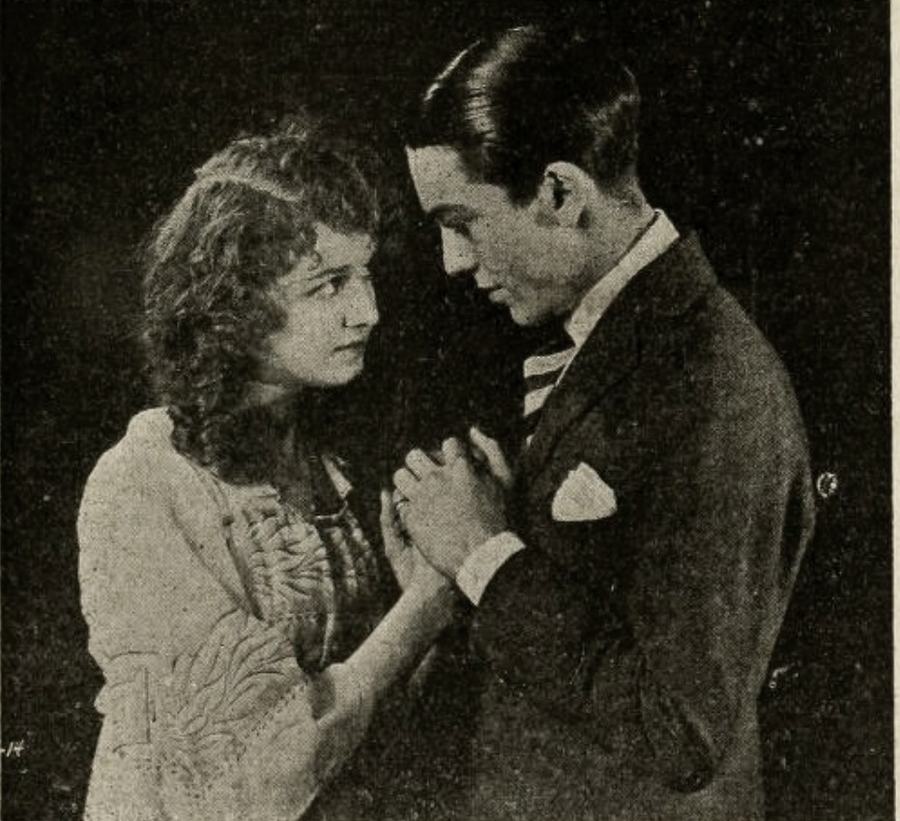
Cinematographer William Marshall (unheralded but brilliant) frames the mansion like a mausoleum of affluence—doorways yawn in cavernous rectangles, dwarfing Jean. In contrast, the cabaret sequences are all claustrophobic close-ups: glistening lips, sequined eyelids, a trumpet valve pumping like a mechanical heart. The juxtaposition is ideological; every inch of velvet here demands payment in shame there.
Edythe Chapman, as Mrs. Dexter, provides the film’s brittle moral spine. She accepts Jean’s loan with the same tight-lipped gratitude one reserves for an unasked favor that will later require a pound of flesh. Watch her hands—always folding, unfolding a linen handkerchief—as if the cloth could sop up the indignity of dependence. She’s the silent-era avatar of every parent who discovers that charity, however kindly meant, tastes of iron.
Comparisons? If The Waif traffics in Dickensian squalor and A Boy and the Law moralizes juvenile delinquency, The Girl at Home occupies the uneasy middle: comfort as corrosive as poverty. Its DNA echoes in The Commanding Officer’s dissection of duty, or the masochistic self-sacrifice of Life’s Shop Window. Yet none of those films grant the fallen boy a path back without a sermon; here, forgiveness arrives wordlessly, almost embarrassingly, as if the family collectively agrees to forget arithmetic.
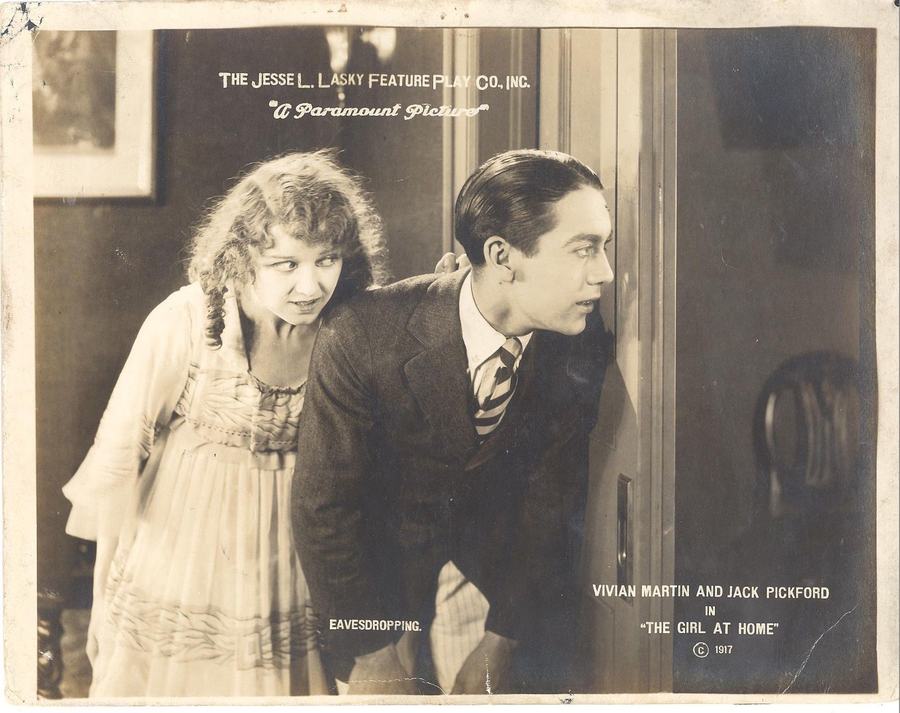
Modern viewers may bristle at the tidy restoration—why does Jean still want the prodigal after he’s squandered her dowry? But Martin’s performance hints at an answer: her eyes, rimmed with exhaustion, suggest she’s purchased not Jimmie’s love but her own exit from orphanhood. To be needed, even by a screw-up, is to exist. It’s a transactional tenderness that feels startlingly contemporary in the age of crowdfunding romance.
The restoration currently circulating from Eye Filmmuseum is a 2K revelation: grain swarms like champagne bubbles, and the tinting—lavender for twilight, amber for interiors—reawakens the emotional temperature. The new score by Donald Sosin sidesteps jaunty piano clichés; instead, a muted trumpet quotes Diana’s cabaret motif during Jimmie’s coal-shoveling scenes, a musical ghost that refuses to stay in its chronological box.
Yes, the gender politics creak. Yes, the resolution feels like a 1919 coping strategy. Yet the film’s emotional calculus—that love is a currency whose value fluctuates with every act of trust or betrayal—remains unnervingly liquid. One walks away wondering how many zeroes they themselves have clandestinely appended to another’s check, how many homes they’ve imperiled for the fleeting applause of strangers.
So let the nitrate roll. Let Jean’s lace curtains billow in a wind that smells of coal smoke and forgiveness. The girl at home is no saint; the boy abroad is no demon. They are simply two Americans negotiating the oldest transaction in the ledger—how much of ourselves we can afford to give away, and how much we must, in the end, reclaim.
IMDb —
1916
Community
Log in to comment.