DbcultAccessing Vault...
Cult Review
Senior Film Conservator
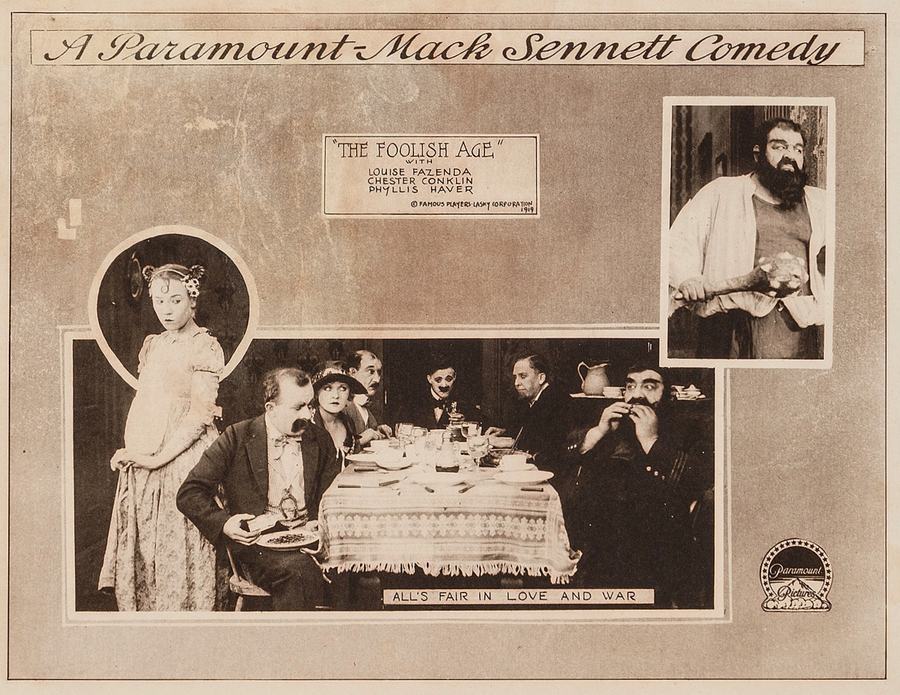
Cinema in 1921 was a medium still vibrating with the primitive energy of its own discovery. In the midst of this experimental fervor, The Foolish Age stands as a monumental, if often overlooked, testament to the slapstick genre's ability to mirror social neuroses. At its core, the film is a relentless engine of movement, fueled by the peculiar alchemy of Louise Fazenda’s comedic timing and the cross-eyed brilliance of Ben Turpin. This isn't merely a film about a girl and her suitors; it is a visceral interrogation of how the sudden influx of capital—the proverbial inheritance—obliterates the social contract and replaces it with a riotous free-for-all.
Louise Fazenda, an actress of unparalleled physical dexterity, occupies the center of this storm with a grace that is both absurd and grounding. Unlike the damsels in distress found in serials like The Hazards of Helen, Fazenda’s Louise is a participant in her own chaos. She is the catalyst for the masculine desperation that defines the film's second act. When the inheritance is announced, the shift in tone is palpable; the cinematography, which begins with the static observation of courtship, suddenly becomes as frantic as the characters it depicts. The frame can barely contain the histrionics of James Finlayson and Kalla Pasha as they vie for a place in Louise's new, gilded reality.
The gag structure here is fascinatingly recursive. Each suitor represents a different facet of the 'foolish' male ego. We see the performative masculinity of the era dismantled in real-time. Where a film like The Price might treat the consequences of wealth with a somber, moralizing tone, The Foolish Age chooses the path of the grotesque. It suggests that the only logical response to sudden fortune is a complete breakdown of physical decorum. The riot that ensues is not just a plot point; it is the film’s thesis statement.
One cannot discuss this era without addressing the singular presence of Ben Turpin. His performance in The Foolish Age serves as a bridge between the broad comedy of the stage and the emerging visual language of film. Turpin’s very physicality is a subversion of the romantic lead. By placing him in direct competition for the 'fair' Louise, the film leans into a surrealist aesthetic that predates the formal movements of the late 20s. His interactions with Chester Conklin and Heinie Conklin create a rhythmic dissonance that is jarring yet undeniably effective. They are like cogs in a machine that has been purposefully over-clocked.
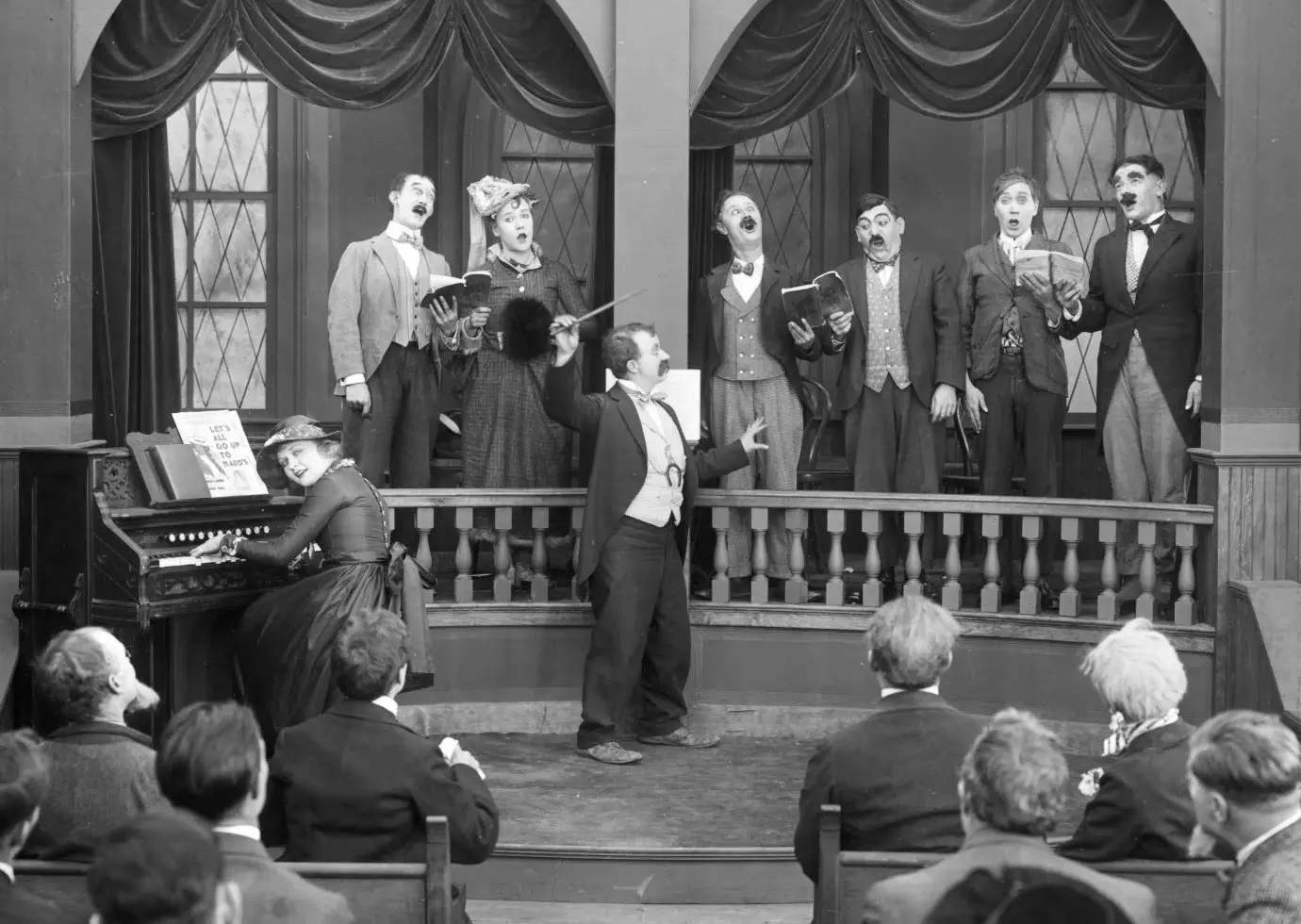
While contemporary audiences might look at the film's preoccupation with physical deformities or 'low' humor as dated, there is a sophistication in the editing that demands respect. The pacing of the riot sequence is a masterclass in tension and release. It mirrors the structural volatility found in Tonsorial Artists, where the workplace becomes a theater of war. In The Foolish Age, the domestic sphere is the battlefield, and the weapon of choice is the inheritance itself.
In the broader context of 1921, cinema was grappling with its own identity. On one hand, you had the atmospheric explorations of European cinema like Hoffmanns Erzählungen, and on the other, the gritty realism of Driftwood. The Foolish Age occupies a middle ground of satirical slapstick. It doesn't possess the supernatural dread of Spiritismo, yet there is something ghostly about the way the suitors haunt Louise’s footsteps once the money is involved.
The film’s portrayal of greed is remarkably egalitarian. No character is spared. From the bumbling Paddy McGuire to the more imposing Gene Rogers, every male figure is reduced to a caricature of avarice. This thematic consistency elevates the film above mere 'pie-in-the-face' comedy. It is a biting critique of the American obsession with the 'big score.' The inheritance isn't a blessing; it's a curse that strips the characters of their humanity, leaving only their base impulses. This mirrors the cynical undercurrents of The Havoc, though rendered through the lens of laughter rather than melodrama.
Produced during the height of the Mack Sennett 'fun factory' era, the film benefits from a highly refined production pipeline. The set design of Louise's home—initially modest and eventually swamped by the visual clutter of new wealth—serves as a silent narrator. The use of depth in the riot scenes is particularly noteworthy. While the foreground is occupied by the primary stars, the background is often a hive of secondary action, featuring the likes of Garry O'Dell and Clarence Lyndon. This multi-layered approach to comedy ensures that the viewer’s eye is never at rest, creating a sense of total immersion in the 'foolishness.'
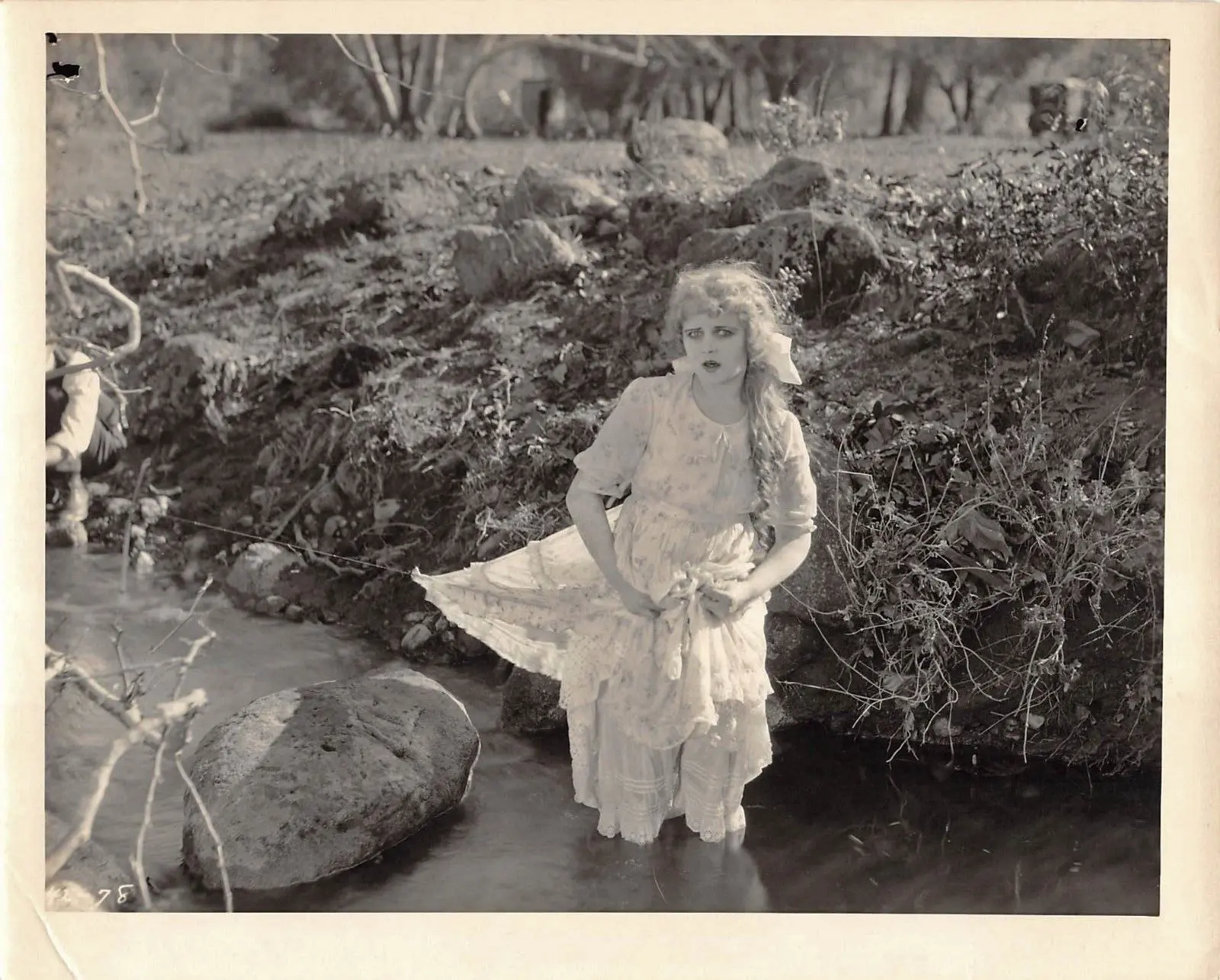
Consider the contrast with Station Content, which relies on a more singular, focused narrative drive. The Foolish Age is polyphonic. It is a collection of disparate comedic voices—Fazenda’s expressive face, Turpin’s chaotic movement, Finlayson’s slow-burn frustration—all conducted into a single, crashing symphony of absurdity. The writing, though primarily a framework for improvisation, exhibits a keen understanding of the escalating stakes. The transition from a simple rivalry to a 'riotous' conclusion is handled with a pacing that feels modern even a century later.
Looking back from the vantage point of the 21st century, The Foolish Age serves as a poignant reminder of the ephemeral nature of the silent era. Many films of this ilk have been lost to time or nitrate decay, yet the archetypes they established remain. The 'inheritance plot' would go on to become a staple of the screwball comedy, but it rarely regained the raw, unadulterated energy seen here. There is no moral lesson at the end of this film, no softening of the blow. The characters are just as foolish at the end as they were at the beginning, perhaps more so for having tasted the possibility of wealth.
In comparison to the structured morality of Chains of the Past or the industrial optimism of The Coming Power, The Foolish Age is refreshingly nihilistic. It suggests that human nature is fundamentally ridiculous, and that money only serves to amplify that absurdity. Even in its depictions of cultural tropes, as seen in the contemporaneous Chop Suey & Co., the Sennett style always prioritized the gag over the message, a philosophy that is executed here with surgical precision.
To watch The Foolish Age today is to witness the birth of a specific kind of American mania. It is the cinematic equivalent of a pressure cooker exploding in a confetti of bank notes and slapshoes. The performances of Phyllis Haver and the Conklin brothers provide a texture to the world that makes the central conflict feel lived-in, despite its outlandishness. It lacks the grim foreboding of Friday the 13th (1916) or the stoic heroism of Between Men, but it possesses something far more volatile: an honest reflection of the human comedy.
Ultimately, the film is a triumph of ensemble performance. While Louise Fazenda is the sun around which these planets orbit, the gravity is provided by the collective commitment to the bit. Every fall, every double-take, and every frantic chase is executed with a level of craftsmanship that belies the 'low-brow' label often attached to slapstick. The Foolish Age is not just a relic; it is a vibrant, screaming, laughing piece of history that continues to resonate because the 'foolishness' it parodies—the intersection of greed and desire—is a permanent fixture of the human condition. In the end, we are all just suitors in the riot, chasing a fortune we didn't earn for a hand we don't deserve.
IMDb 5.9
1920
Community
Log in to comment.