DbcultAccessing Vault...
5.7/10
Senior Film Conservator
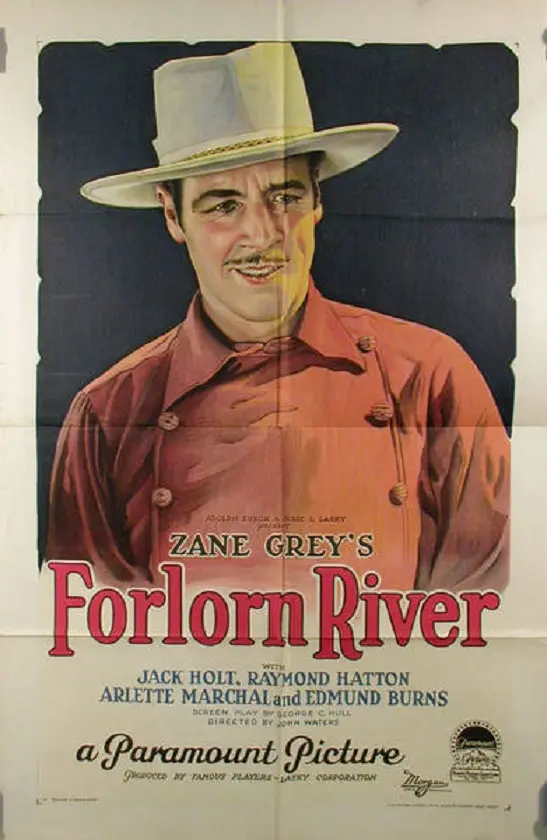
A definitive 5.7/10 rating for a film that redefined the boundaries of cult cinema. Forlorn River remains a cornerstone of transgressive art.
Is Forlorn River worth watching today? Short answer: yes, but with significant caveats. This early Western offers a fascinating glimpse into the genre's formative years, making it a compelling watch for dedicated cinephiles and historians of the American frontier film, yet it will likely test the patience of casual viewers accustomed to modern narrative rhythms.
It's a film designed for those who appreciate the foundational myths of the West and are willing to engage with a slower, more deliberate storytelling style. Conversely, those seeking fast-paced action or complex character psychology typical of later Westerns will find its straightforward morality and measured tempo a considerable hurdle.
This film works because of its unwavering commitment to a classic sense of frontier honor and its surprisingly effective, if understated, romantic tension. It fails because its narrative momentum often sputters, bogged down by expositional stretches and a lack of dynamic visual storytelling that might have elevated its more static scenes. You should watch it if you have a deep appreciation for silent-era cinema or early sound Westerns, and an interest in seeing how timeless archetypes were first etched onto the silver screen.
Zane Grey’s original story for Forlorn River provides a robust framework for a Western drama steeped in the genre’s most cherished themes: loyalty, sacrifice, and the relentless pursuit of justice. The narrative unfolds with a deliberate pace, characteristic of its era, allowing the audience to settle into the moral landscape of its characters.
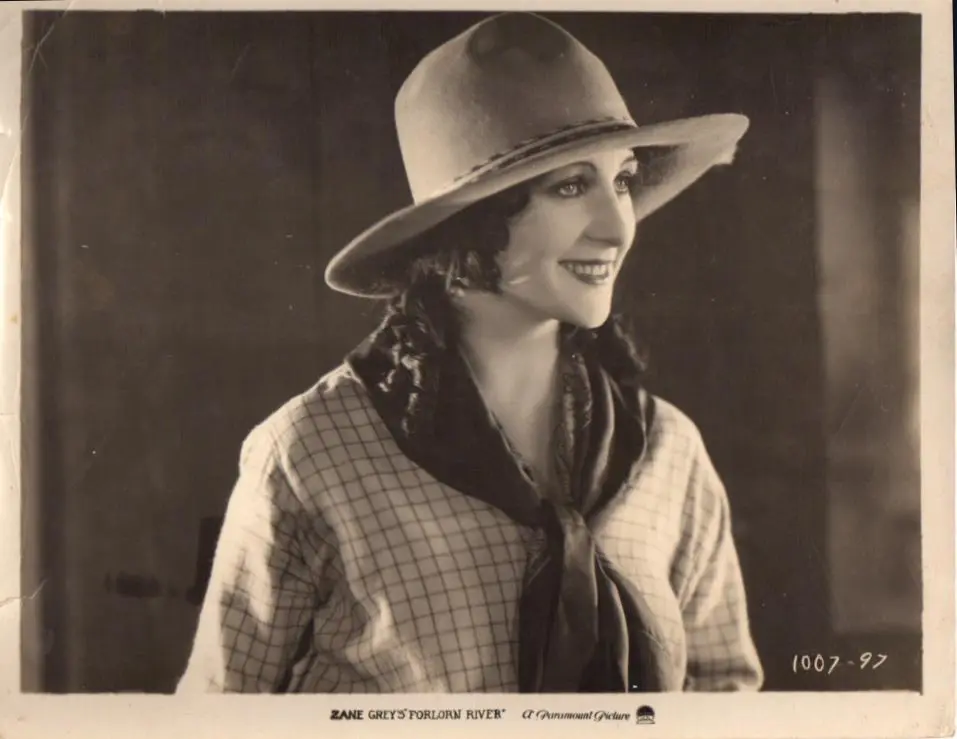
At its core, the film is a study of a man, Nevada, defined by his past but striving for a future. His initial abandonment by Bill Hall is a brutal setup, instantly establishing the stakes and the treacherous nature of the frontier. This act of betrayal casts a long shadow over the entire plot, propelling Nevada’s journey from fugitive to reluctant hero.
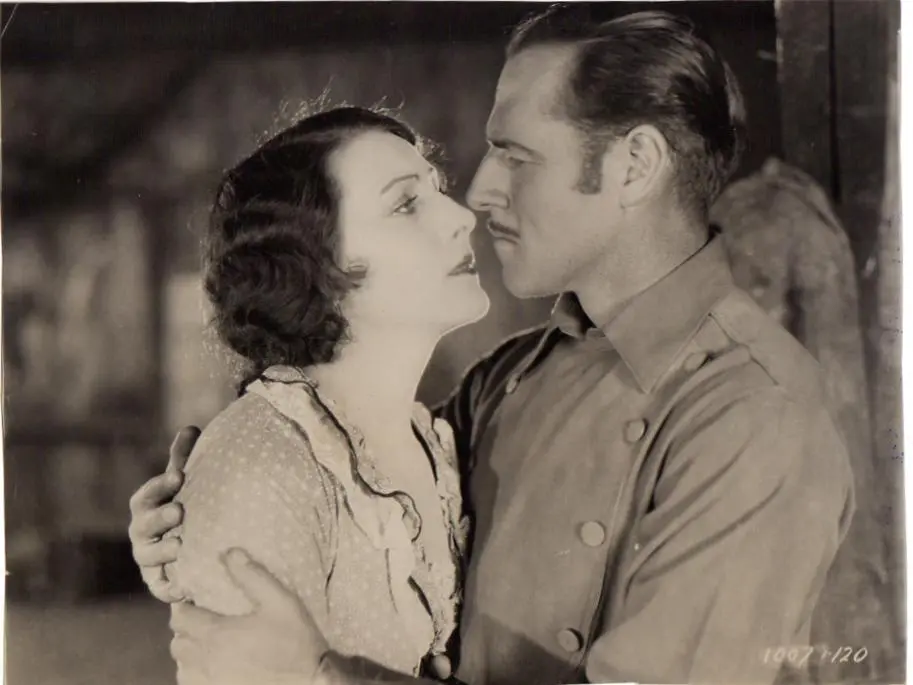
The introduction of Ben Ide and Ina Blaine complicates Nevada's simple quest for survival. The burgeoning romance between Nevada and Ina, while predictable, is handled with a surprising tenderness for a Western of this period. It’s a testament to the script’s ability to weave personal drama into the broader tapestry of a lawless land.
However, the film’s reliance on conventional Western tropes, particularly the clear-cut villainy of Bill Hall and Les Setter, occasionally feels a little too neat. There’s little ambiguity in their evil, which, while satisfying for a certain type of viewer, can feel simplistic to a modern eye. The story serves its purpose, but it rarely ventures into truly challenging moral territory beyond the initial premise of Nevada's sacrifice.
The cast of Forlorn River delivers performances that are largely effective, albeit constrained by the acting conventions of the late silent and early sound era. Jack Holt, as the titular “Nevada,” anchors the film with a stoic intensity that perfectly embodies the rugged, honorable Western protagonist.
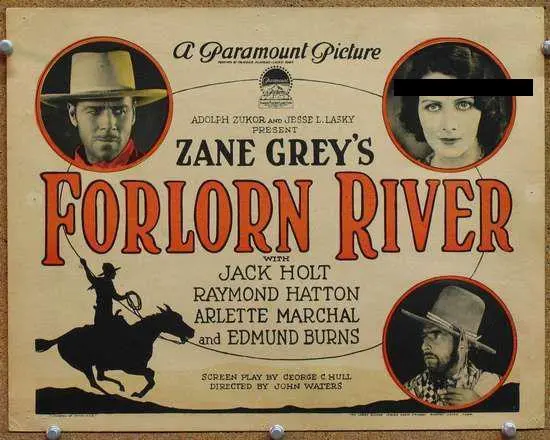
Holt communicates much through his presence and subtle facial expressions, a skill honed in the silent era. When Nevada makes the difficult decision to send Ina away, his quiet resolve, a slight hardening of the jaw, speaks volumes more than any dialogue could. It’s a masterclass in understated emotional conveyance, making his sacrifice feel genuinely earned and painful.
Arlette Marchal, as Ina Blaine, brings a welcome strength and independence to a role that could easily have been a damsel in distress. Her character possesses a spirit that feels surprisingly modern for the 1920s. In the scene where she confronts Bill Hall after her capture, her defiance is palpable, refusing to be a mere pawn in the men’s machinations. This makes her a more engaging figure than many female leads of the time, elevating the romantic subplot beyond mere sentimentality.
The villains, Tom Santschi as Bill Hall and Edmund Burns as Les Setter, are suitably menacing. Santschi’s Hall is a snarling, opportunistic brute, a clear and present danger. Burns’ Setter, however, offers a more insidious threat. His polite, rancher facade, masking a predatory ambition, is chillingly effective. The shift in his demeanor when he reveals his true intentions towards Ina is a standout moment, a subtle but powerful display of villainy.
While some supporting performances, particularly from the posse members, can feel a bit broad or stereotypical, the core trio carries the narrative with commendable conviction. Tim Holt, playing Ben Ide, portrays a sympathetic and honorable rancher, providing a solid counterpoint to Nevada’s more troubled persona. His earnestness is endearing.
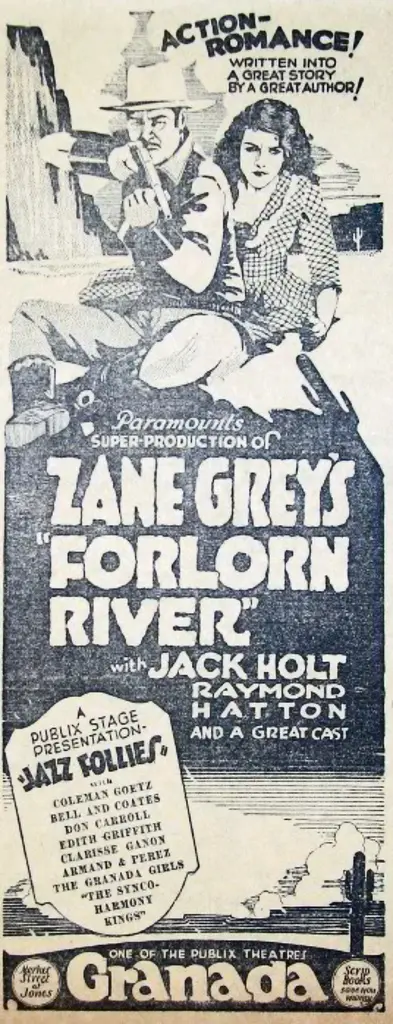
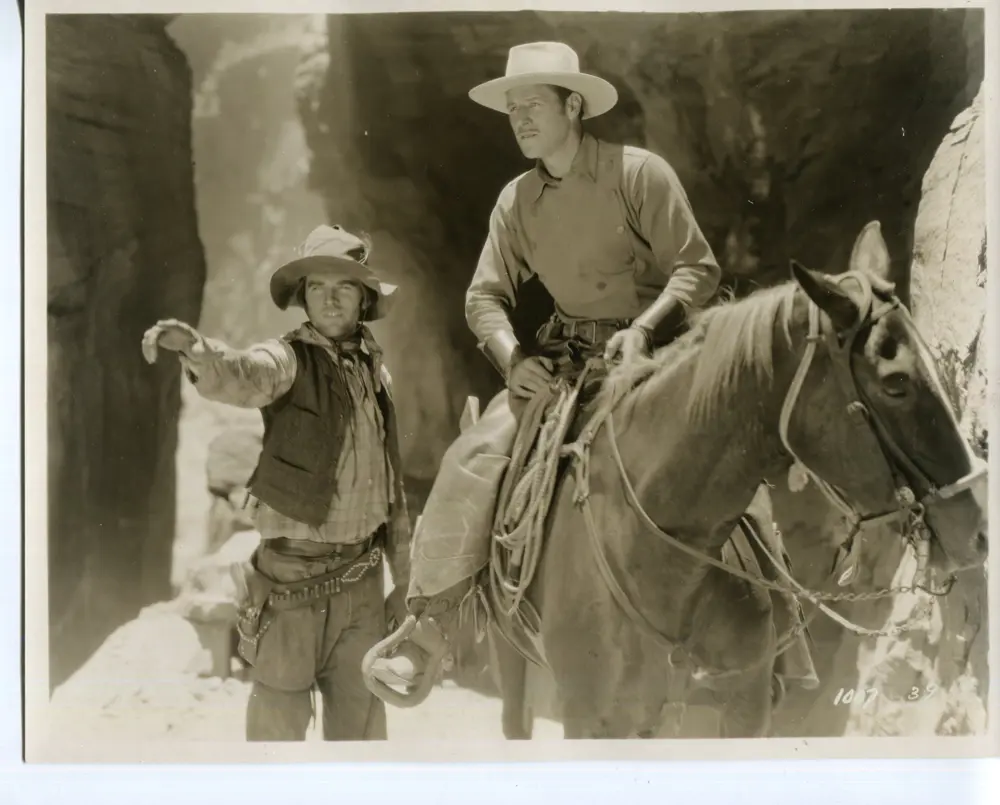
George C. Hull’s direction in Forlorn River is competent, if not groundbreaking. He understands the visual language of the Western, making good use of the vast, open landscapes that defined the genre. The cinematography, while not groundbreaking, effectively captures the grandeur and desolation of the frontier.
The desert scenes, in particular, convey a sense of harsh beauty and isolation. The wide shots of Nevada struggling across the arid terrain immediately establish the brutal environment he inhabits. This visual emphasis on the landscape serves as a constant reminder of the stakes involved, making every journey feel perilous.
However, the film occasionally suffers from static framing, especially during dialogue-heavy scenes. While this was common for the period, a more dynamic approach could have injected greater energy into certain sequences. For instance, the initial pursuit of Nevada, while exciting in concept, often feels somewhat staged, lacking the fluid movement that would become a hallmark of later Westerns like Under Western Skies.
Where Hull succeeds is in his ability to maintain a clear narrative thread. The transitions between scenes are logical, and the pacing, though slow by modern standards, allows the audience to absorb the moral weight of each character’s decision. He lets moments breathe, which, for some viewers, will be a virtue, allowing for deeper contemplation of the characters’ dilemmas.
The pacing of Forlorn River is undeniably a product of its time. It moves with a measured, almost stately rhythm that can feel glacial to contemporary audiences. The narrative unfolds through a series of distinct episodes, rather than a relentless, escalating plot.
The extended sequence of Nevada's recovery at Ben Ide's ranch, while crucial for developing the relationship with Ina, exemplifies this deliberate tempo. It’s a period of quiet reflection and gradual connection, a stark contrast to the rapid-fire character introductions and plot advancements expected in today’s cinema. This slower approach allows for a deeper appreciation of the emotional beats, but demands patience.
The tone is one of earnest moral clarity. There’s a distinct line between good and evil, honor and betrayal. This clear-cut morality, while perhaps simplistic, provides a comforting sense of order in a chaotic frontier setting. It’s a world where a man’s word and his code are his most valuable possessions, and the film never wavers from this perspective. There are no anti-heroes here, only men who strive to do right, and those who embody pure malice.
Comparing it to a film like The Vengeance Trail, which might share similar themes of justice, Forlorn River feels less about raw, visceral action and more about the internal struggles of its protagonist. Its tone is more contemplative, less explosive. This isn't a flaw, but a defining characteristic that shapes the viewing experience.
So, should you carve out time for Forlorn River in your busy schedule? Yes, absolutely, if you approach it with the right expectations. It is not a film that will cater to every taste, but its value is undeniable for specific audiences.
This film offers a crucial historical perspective on the evolution of the Western genre. It showcases early performances from significant actors like Jack Holt and provides a window into the narrative structures and moral sensibilities that defined early Hollywood. For students of film history or devoted fans of Zane Grey, it’s an essential piece of the puzzle.
However, if your primary interest lies in modern, fast-paced action or morally ambiguous narratives, Forlorn River will likely disappoint. Its deliberate pacing and straightforward characterizations might feel dated. It works. But it’s flawed. Its true appeal lies in its authenticity as a historical document of a bygone cinematic era.
One of the most striking aspects of Forlorn River, perhaps unintentionally, is its subtle commentary on the rigid codes of male honor. Nevada’s decision to send Ina away, ostensibly for Ben’s sake, feels less like true heroism and more like a tragic adherence to an outdated, almost self-destructive, sense of duty. Is it noble, or is it simply foolish?
I’d argue that this act, while presented as selfless, ultimately denies both Nevada and Ina genuine happiness, all for the sake of a perceived obligation. It’s a debatable choice that, from a modern lens, feels more frustrating than heroic. This kind of unwavering, almost blind, loyalty, while lauded in early Westerns, often resulted in unnecessary heartache.
Furthermore, the film’s depiction of Ina Blaine is surprisingly progressive. She isn't just a prize to be won or a victim to be rescued. She has agency, expresses her desires, and even confronts her captors with a fierce independence. This makes her character far more compelling than many of her contemporaries in films like Hearts and Flowers or Destiny's Toy, which often relegated female characters to more passive roles. It's an observation that challenges the common perception of women in early Westerns.
The film’s greatest strength might not be its plot, but its unintentional ability to spark conversations about what truly constitutes heroism and sacrifice in a world grappling with evolving moral landscapes. It’s more than just a Western; it’s a time capsule with unexpected depth.
Forlorn River is not a film for everyone, nor does it pretend to be. It’s a piece of cinematic history, a faithful adaptation of Zane Grey’s vision, and a testament to the enduring appeal of the Western archetype. While its pacing and some of its narrative choices will undoubtedly feel archaic to a modern audience, its core performances and earnest depiction of frontier honor still resonate.
For those willing to adjust their expectations and immerse themselves in a different era of filmmaking, there’s genuine value to be found. It offers a quiet dignity, a clear moral compass, and a glimpse into the foundations of a beloved genre. It's a film that demands patience, but rewards with an authentic taste of the Old West, making it a worthwhile, if niche, viewing experience.
IMDb —
1923
Community
Log in to comment.