DbcultAccessing Vault...
Cult Review
Senior Film Conservator
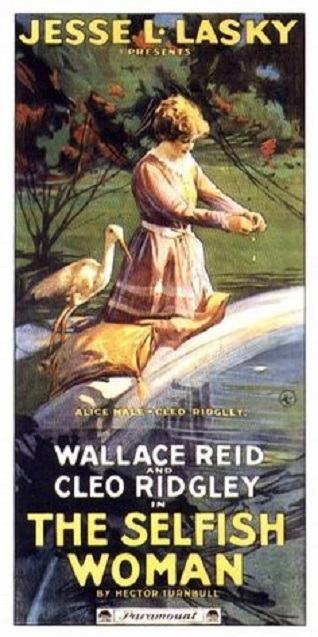
There's a certain magnetic allure to the grand narratives of the silent era, tales often painted with broad strokes of ambition, betrayal, and the indomitable human spirit. The Selfish Woman, a cinematic artifact from a bygone epoch, stands as a compelling testament to this era's storytelling prowess. It's a film that, despite its age, resonates with timeless themes of progress, personal integrity, and the transformative power of connection. From its very premise, we are plunged into a world where the stakes are not merely personal, but societal, reflecting the burgeoning industrial ambitions of early 20th-century America.
At its core, the narrative orbits around Tom Morley, a young engineer whose vision extends beyond the immediate horizon, envisioning a railroad carving its path through the formidable Imperial Valley. This isn't just a job; it's a monumental undertaking, a symbol of human ingenuity asserting dominance over nature's raw power. The sheer scale of such a project, even in its conceptualization, immediately establishes Morley as a character of considerable drive and foresight. His commitment is palpable, a quality that anchors the audience even as the plot begins to weave its intricate tapestry of interpersonal conflict.
What complicates Morley’s heroic endeavor is not solely the logistical nightmare of laying tracks across rugged terrain, but the far more treacherous landscape of familial betrayal. His own father, consumed by a predatory desire for the very contract Tom holds, attempts to undermine his son's work. This paternal antagonism adds a layer of Shakespearean tragedy to the industrial drama, forcing Tom to contend with a betrayal from within his own bloodline. It’s a conflict that elevates the stakes beyond mere professional rivalry, imbuing it with a raw, emotional intensity that few purely commercial disputes could achieve. Tom's refusal to yield, his steadfast adherence to his project despite such intimate opposition, paints him as a figure of unwavering resolve, a protagonist whose moral compass is firmly set.
Enter Alice Hale, portrayed with a fascinating blend of hauteur and vulnerability by Dorothy Abril. Alice is initially introduced as a quintessential society girl, her world one of glittering soirées and strategic alliances. Her decision to marry Tom Morley is not born of romantic yearning, but a calculated social climb, a means to elevate her family's prestige. This cynical premise sets up an intriguing dynamic, immediately marking Alice as a character of questionable moral fiber, driven by external validations rather than genuine affection. Her early actions are those of a plotter, an individual whose self-interest dictates her every move, even to the point of actively working against her new husband's monumental enterprise.
Abril’s portrayal of Alice is crucial here. She navigates the character's initial coldness with a subtle grace that prevents her from becoming a one-dimensional villainess. There are glimpses, even in her early scenes, of a potential for depth, a flicker behind the eyes that suggests an internal conflict brewing beneath the polished surface. This nuanced performance allows the audience to believe in the eventual transformation, rather than perceive it as an abrupt, unearned shift. It’s reminiscent, in a thematic sense, of the journey taken by characters in films like The Saleslady, where female protagonists grapple with societal expectations and personal agency, though Alice’s initial motivations are far more Machiavellian.
The pivotal turning point in the film, and indeed for Alice's character arc, is Tom's unwavering integrity and the sheer force of his conviction. He doesn’t merely resist Alice’s machinations; he confronts them with a quiet strength that gradually erodes her defenses. It’s not through grand gestures or overt declarations that Tom wins her over, but through the consistent display of his moral fortitude and dedication to a cause greater than himself. This slow burn of influence is far more compelling than a sudden, unearned conversion. Alice witnesses firsthand the forces arrayed against Tom, the genuine malice of those who seek to destroy his work, and perhaps, for the first time, she sees the true value of what he represents.
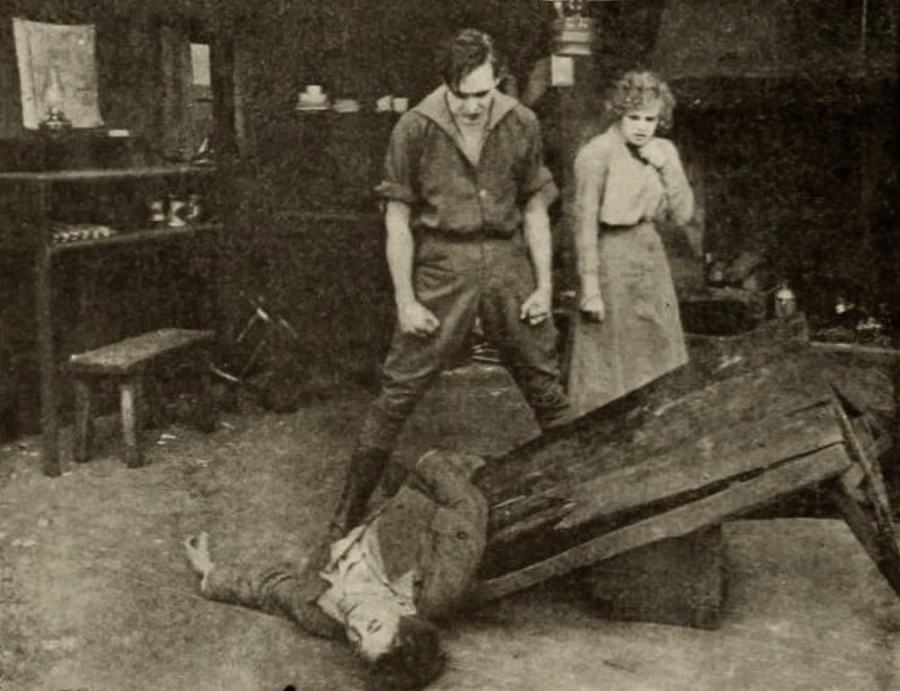
The Selfish Woman is more than just a character study; it's a commentary on the relentless march of progress and the human cost associated with it. The railroad, a symbol of modernity and connectivity, becomes a battleground for competing ideologies: the selfless pursuit of advancement versus the corrosive grip of greed and familial jealousy. The film deftly explores how personal ambitions can either elevate or corrupt, offering a stark contrast between Tom's altruistic drive and his father's destructive envy. This theme of ambition clashing with integrity finds echoes in other silent era dramas that explored the burgeoning industrial landscape, though few integrate the familial betrayal with such stark clarity.
The element of betrayal, particularly from a father figure, injects a profound sense of pathos into the narrative. It’s a primal wound, far deeper than any professional rivalry. This internal conflict, coupled with Alice's initial duplicity, creates a rich tapestry of emotional complexity. The film suggests that true partnership, whether in marriage or in enterprise, can only flourish when built on a foundation of trust and shared purpose, a lesson Alice learns through her gradual alignment with Tom. This journey from antagonism to alliance is the film’s emotional anchor, providing a satisfying arc that transcends the mere resolution of plot points.
The narrative's focus on a grand engineering project also situates it within a broader cinematic tradition that celebrated human endeavor and triumph over adversity. While it doesn't possess the sheer scale of a historical epic, its portrayal of the challenges and rewards of building something monumental is compelling. It brings to mind the spirit of perseverance seen in films like The Heart of a Lion, where protagonists confront immense obstacles, both external and internal, to achieve their goals.
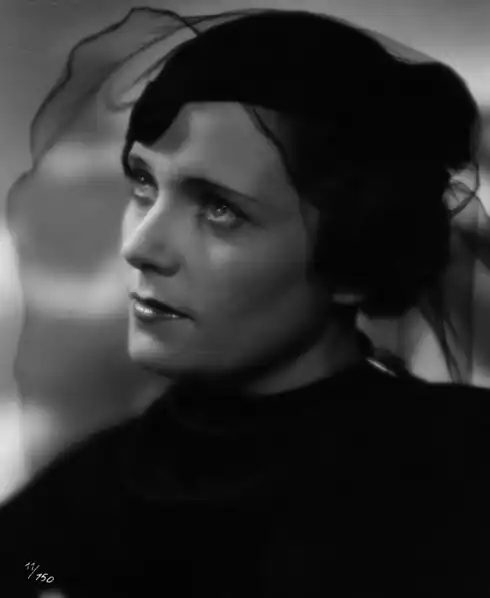
The cast, under the direction of an uncredited but clearly capable hand (Hector Turnbull is credited for the story, implying a strong authorial vision), delivers performances that, even without spoken dialogue, convey a rich spectrum of human emotion. Dorothy Abril, as Alice Hale, carries the weight of the film's central transformation. Her ability to convey both the calculating socialite and the woman slowly awakening to a higher purpose is truly remarkable. Her expressions, her posture, the subtle shifts in her gaze, all communicate volumes without uttering a single word. It’s a masterclass in silent film acting, where every gesture is magnified, every emotion writ large across the face.
Wallace Reid, though not in the most prominent role here, contributes his characteristic charisma and earnestness to the proceedings. His presence, even in a supporting capacity, adds a layer of depth and authenticity to the ensemble. The film benefits from a strong supporting cast, including William Elmer and Jane Wolfe, who embody the various forces at play, from the treacherous to the steadfast. Each actor, within the confines of the silent film medium, contributes to the overall texture and emotional resonance of the story, ensuring that even minor characters leave an impression.
The effectiveness of the antagonists, particularly Tom's father and the shadowy conspirators, is crucial to the narrative's tension. Horace B. Carpenter and Joe King, among others, craft believable villains whose motivations, while base, are understandable within the context of human avarice. Their plotting provides the external conflict that drives much of the story, forcing Tom and eventually Alice into a defensive, then offensive, posture. Without compelling antagonists, the triumphs of the protagonists would feel less earned, less significant. The struggle against these forces, reminiscent of the intricate plots in films like The Devil at His Elbow, ensures that the audience remains invested in the outcome.
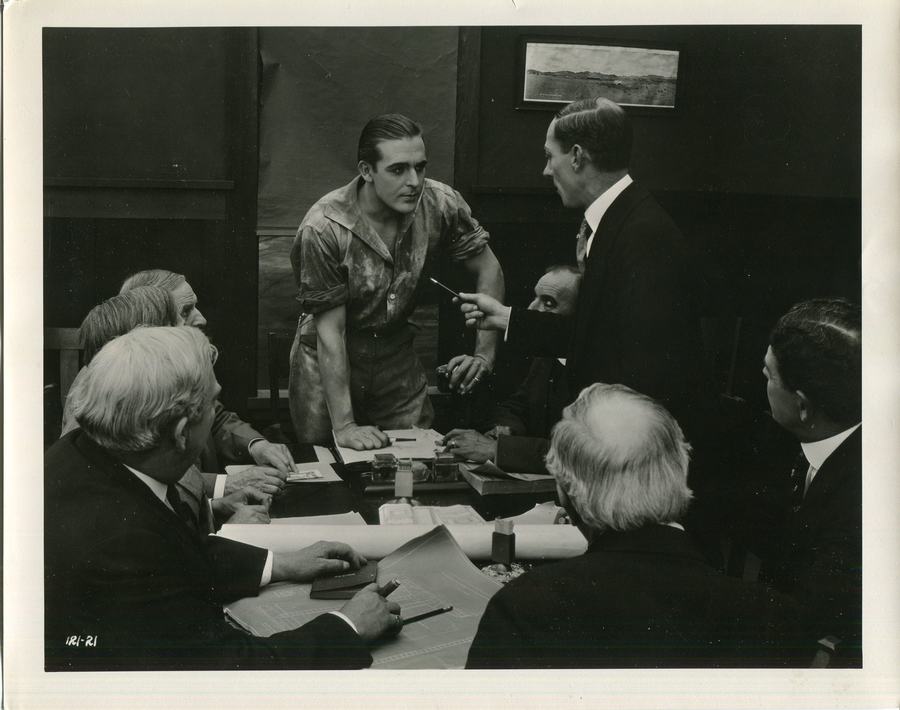
The pacing of The Selfish Woman is commendably taut, especially for a film of its era. There are no languid stretches; the plot progresses with a deliberate momentum, building tension incrementally. The intertitles, so vital in silent cinema, are used judiciously, conveying necessary dialogue and exposition without bogging down the visual flow. This efficiency in storytelling speaks to a keen understanding of cinematic rhythm, keeping the audience engaged from the initial setup to the climactic confrontation.
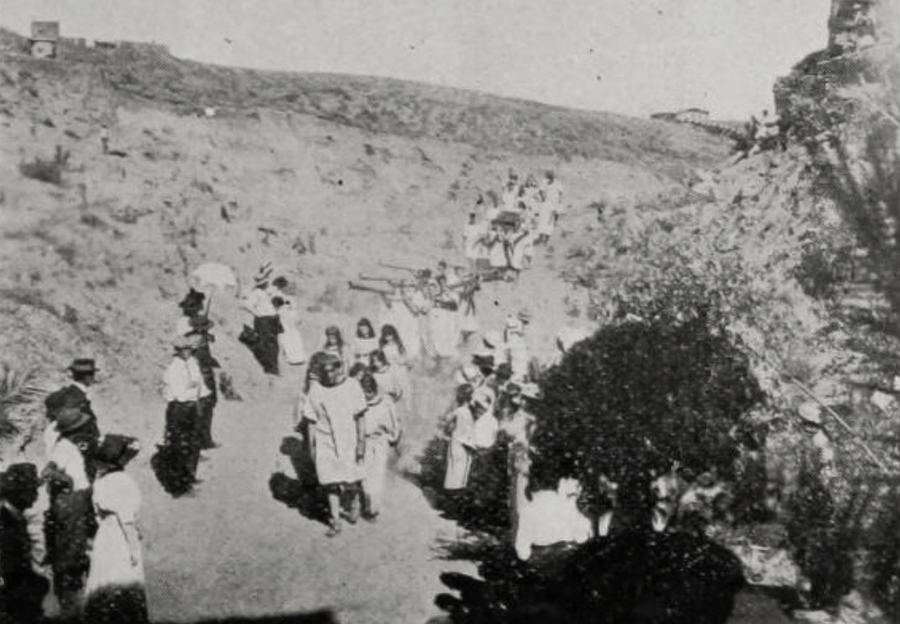
Visually, the film makes effective use of its settings. The Imperial Valley, even if not always depicted with sweeping grandeur, serves as a powerful backdrop for Tom’s ambitious project. The contrast between the rugged, untamed landscape and the precise, ordered lines of the nascent railroad track visually reinforces the central theme of man's struggle against nature, and against the chaos of human perfidy. The framing often emphasizes the isolation of Tom's struggle, only to later show the burgeoning partnership with Alice through more collaborative compositions.
While the film doesn’t boast the groundbreaking visual effects or experimental cinematography of some of its contemporaries, its strength lies in its clear, purposeful visual narrative. Each shot serves the story, moving the plot forward or deepening character understanding. This functional elegance ensures that the emotional beats land with precision, allowing the audience to fully grasp the complexities of the characters' internal and external battles.
Ultimately, The Selfish Woman is a powerful exploration of redemption, not just for Alice, but for the very concept of human connection. What begins as a cynical union transforms into a genuine partnership forged in the fires of shared adversity. The defeat of the conspirators against Tom's work is not merely a plot resolution; it's a symbolic victory for integrity, collaboration, and the triumph of good over malevolent self-interest. The film posits that even the most calculated hearts can be swayed by unwavering virtue and a clear vision.
The film's enduring appeal lies in its ability to transcend its historical context and speak to universal human experiences. The struggle to build something meaningful, the pain of betrayal, the slow dawning of love and respect, and the ultimate triumph of unity against divisive forces – these are themes that resonate deeply, regardless of the technological advancements of the cinematic medium. It reminds us that even in an era without synchronized sound or elaborate special effects, powerful stories could be told with compelling characters and robust narratives.
In a landscape saturated with diverse cinematic offerings, revisiting a film like The Selfish Woman offers a unique perspective on the foundations of storytelling. It showcases the raw power of visual narrative, the artistry of expressive acting, and the timeless relevance of moral struggles. It's a film that deserves to be seen not just as a historical curiosity, but as a vibrant piece of cinematic art that continues to engage and provoke thought. Its exploration of character transformation, set against a backdrop of industrial ambition and familial discord, makes it a compelling watch for anyone interested in the rich tapestry of early American cinema.
The intricate dance between personal ambition and collective good, the subtle shifts in character motivations, and the ultimate forging of an unbreakable bond make this film a surprisingly sophisticated piece of work. It stands as a testament to the enduring power of narrative, proving that even a story from over a century ago can still hold a mirror to contemporary human struggles and triumphs. Its quiet strength and profound character development distinguish it as more than just a period piece; it is a timeless drama of human resilience and the unexpected paths to genuine connection.
IMDb —
1917
Community
Log in to comment.