DbcultAccessing Vault...
6.4/10
Senior Film Conservator
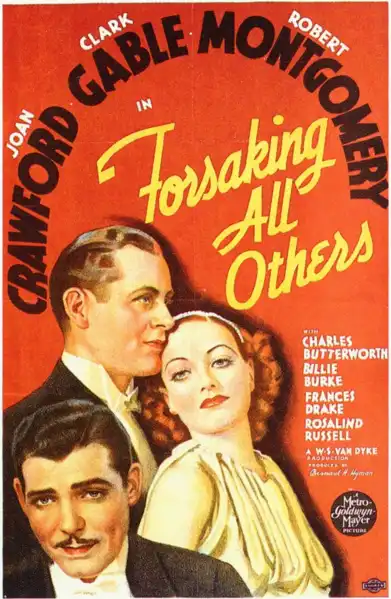
A definitive 6.4/10 rating for a film that redefined the boundaries of cult cinema. Forsaking All Others remains a cornerstone of transgressive art.
If you want to watch three massive 1930s stars trade rapid-fire insults while wearing ridiculous hats, yes, Forsaking All Others is absolutely worth your ninety minutes. Fans of fast-talking screwball comedies will eat this up, but anyone expecting a realistic portrayal of human relationships will probably want to throw their shoe at the screen.
The setup is pretty simple. Mary (Joan Crawford) is about to get married to Dillon (Robert Montgomery), but he runs off with another woman at the actual altar. Enter Jeff (Clark Gable), her childhood friend who has been secretly pining for her for years and decides this is his big chance.
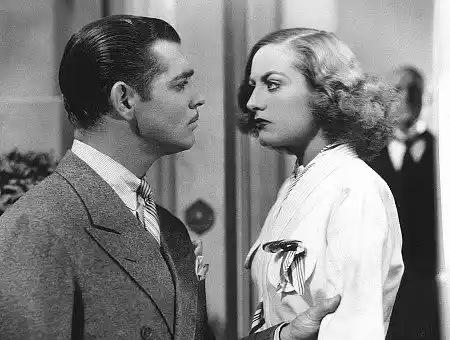
Honestly, the plot is almost entirely beside the point. It’s just an excuse to get Joan Crawford, Clark Gable, and Robert Montgomery in the same room to behave like absolute lunatics.
It is a bit like Don't Ever Marry, where the wedding day disaster is just the starting gun for a bunch of people making the worst decisions possible.
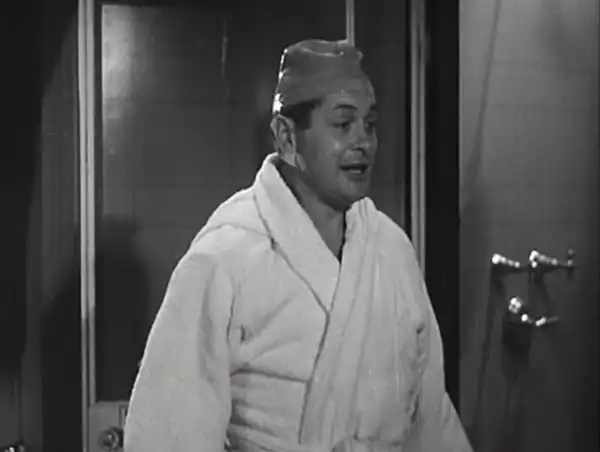
Crawford is incredibly high-energy here. In some scenes, she is vibrating so fast with emotion that I thought she might actually phase through the scenery. Her hair is this perfect, untouchable halo that somehow survives several emotional breakdowns and at least one outdoor chase.
And then there's Gable. He plays Jeff with this smug, corner-of-the-mouth grin that makes you wonder if he knows he’s in a movie. He spends half his screen time just leaning against doorframes, looking at Crawford like she's a particularly interesting puzzle he’s already solved.
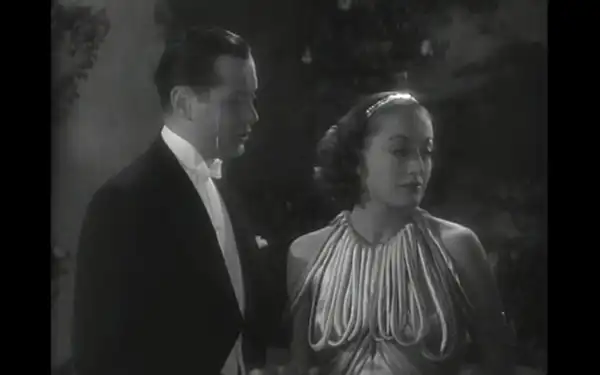
There’s this one incredibly weird scene where Gable is trying to cheer Mary up after she gets jilted. He literally takes her on a three-day drive to a cabin, and they just... bicker. It goes on forever, and yet, I couldn't look away.
It's those small, bizarre moments that make these old movies so fun. Like Charles Butterworth, who plays Gable's friend. He has this incredibly dry, almost robotic delivery that steals every single scene he’s in. He just wanders into shots, says something completely unhinged, and drifts away again.
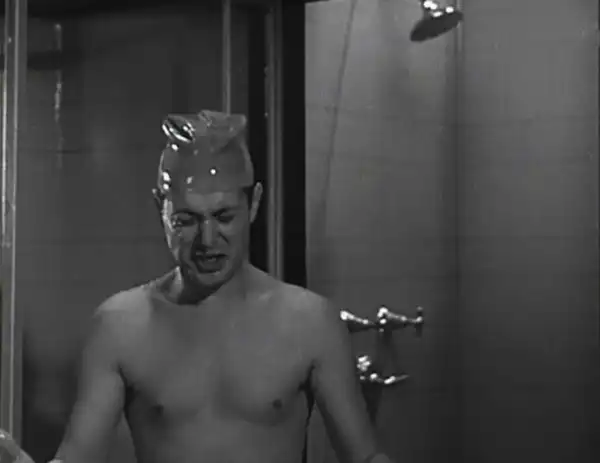
At one point, he’s trying to explain how to properly eat a sweet potato, and it’s easily the best two minutes of the film.
The movie does get a bit exhausting toward the end. The back-and-forth between Mary and her two guys starts to feel like a tennis match where the players are getting tired but refuse to stop hitting the ball. You just want Mary to tell both of them to go jump in a lake.
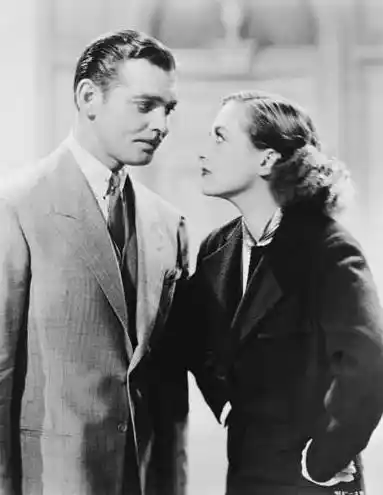
Especially Montgomery's character, who is such a colossal jerk that you can't fathom why she'd even look at him twice after he dumped her. He has this whiny, spoiled-kid energy that makes you want to reach into the screen and ruffle his perfectly parted hair until he cries.
Still, the dialogue is incredibly sharp, which makes sense since Joseph Mankiewicz worked on the script. The lines fly fast, and half of them are just thinly veiled threats disguised as banter.
It’s not a masterpiece, and the ending is so sudden it feels like they ran out of film. But man, they just don't make people with faces like Gable and Crawford anymore.
Some random things I wrote down:
If you're in the mood for something light that doesn't require much brainpower, this is a great watch. Just don't expect it to make any actual sense.
IMDb —
1924
Community
Log in to comment.