DbcultAccessing Vault...
4.8/10
Senior Film Conservator
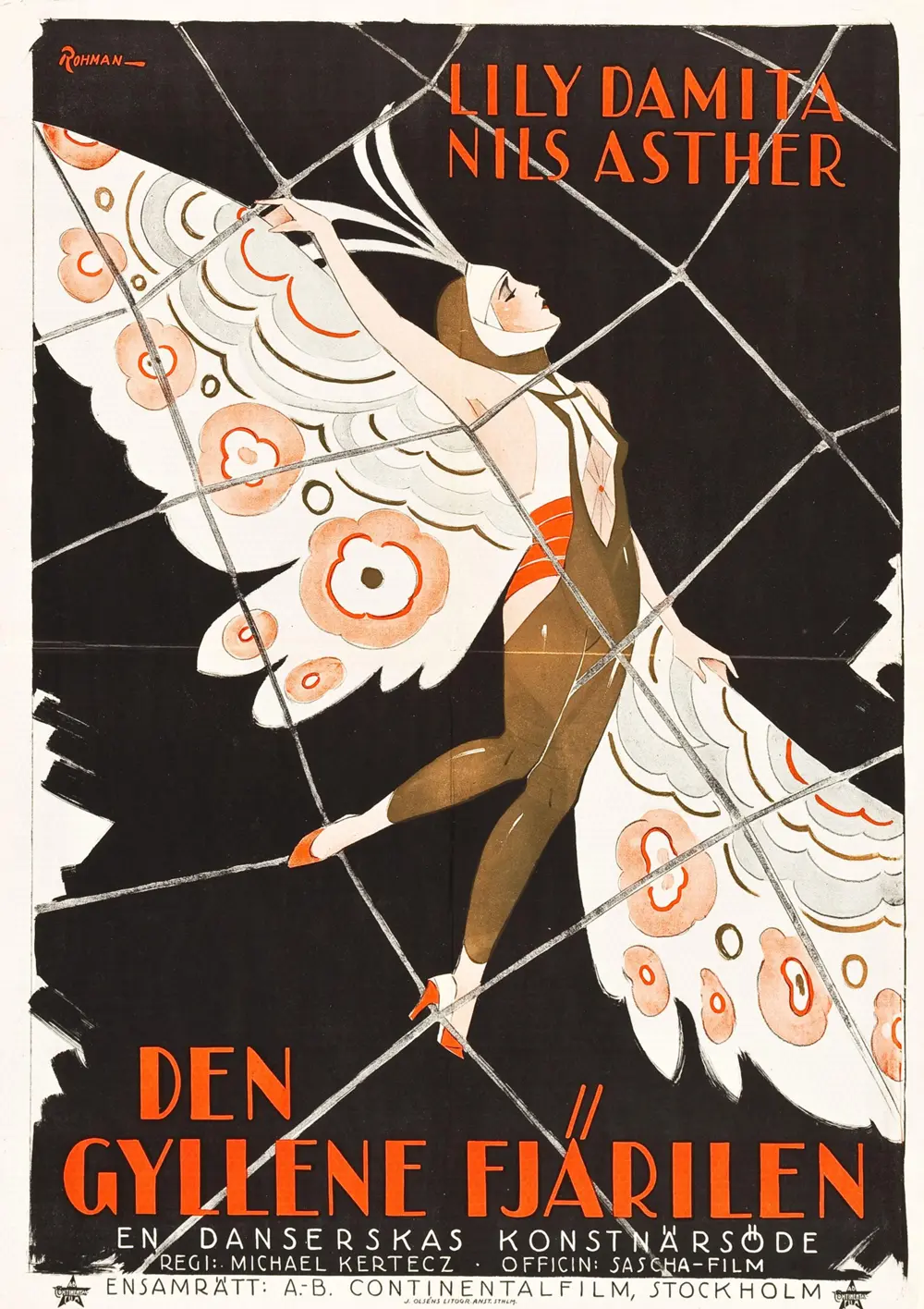
A definitive 4.8/10 rating for a film that redefined the boundaries of cult cinema. The Golden Butterfly remains a cornerstone of transgressive art.
Is The Golden Butterfly worth watching today? Short answer: yes, but with significant caveats that demand a particular kind of cinephile. This largely forgotten silent film from 1926 is an intriguing historical artifact, a window into an era of grand gestures and nascent cinematic language, making it a compelling watch for film historians and enthusiasts of early cinema.
However, for modern audiences seeking fast-paced narratives or polished storytelling, it will likely prove a challenging, perhaps even tedious, experience. It is a film for those who appreciate the foundational elements of cinema and the raw, unrefined energy of its pioneers, not for those accustomed to contemporary pacing and character depth.
Directed by Adolf Lantz, The Golden Butterfly (original title: Der goldene Schmetterling) attempts to weave a tale of hidden ambition and unspoken attraction within the confines of a restaurant setting. It stars Lili Damita as the cashier with a secret passion for dance, and Nils Asther as the restaurateur, her silent admirer. The film’s narrative, while simple, carries the thematic weight typical of its era: the clash between duty and desire, the pursuit of artistic dreams, and the often-unseen lives behind everyday roles.
The film’s primary strength lies in its ability to capture a certain romanticism inherent to the silent era. There’s a theatricality to the performances, a reliance on exaggerated expressions and body language that, when viewed through a contemporary lens, can seem quaint, yet also possesses a raw, almost operatic charm. Lili Damita, in particular, embodies this with a compelling earnestness that hints at the star power she would later cultivate.
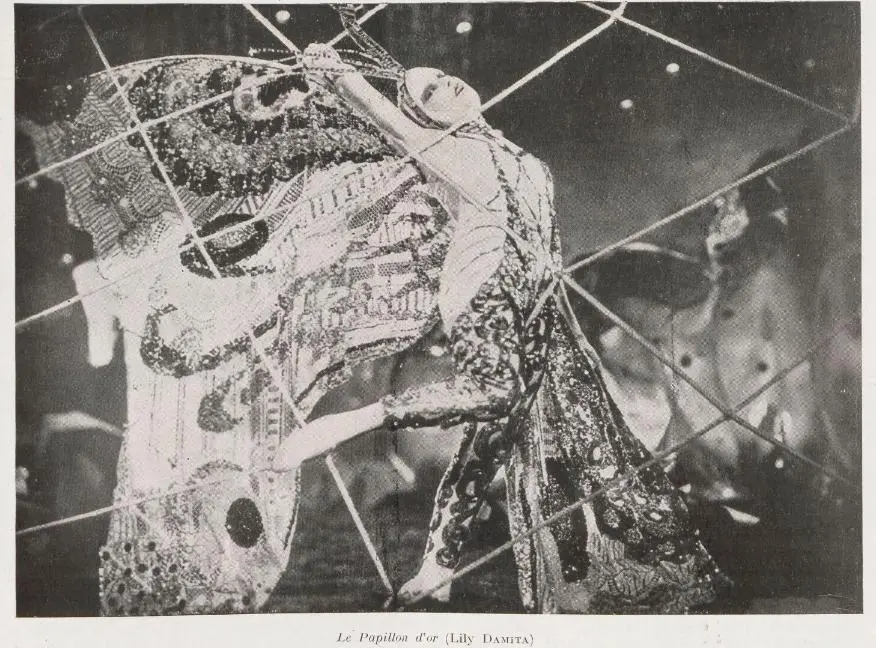
This film works because it offers a rare, unfiltered glimpse into the stylistic conventions and thematic preoccupations of 1920s European cinema, anchored by a genuinely expressive central performance. It fails because its pacing is glacial by modern standards, its narrative often meanders, and some supporting performances are remarkably stiff. You should watch it if you are a dedicated student of film history or a lover of silent-era melodrama, particularly those interested in the early careers of European actors.
The plot, on paper, is elegantly simple: a cashier, burdened by her mundane job, dreams of a life on the stage. Her mutual attraction to the restaurant owner adds a layer of romantic tension, an unspoken promise that hovers tantalizingly close but remains frustratingly out of reach. This narrative simplicity allows the film to focus heavily on visual storytelling, a hallmark of the silent era.
However, this simplicity also becomes a double-edged sword. While it allows for moments of poignant visual poetry – Damita’s clandestine dance practices, for instance, are imbued with a quiet intensity – it also means the plot often feels underdeveloped. Character motivations, beyond the most basic, are rarely explored with any real depth. We understand her desire to dance, but the emotional cost, the internal struggle, is often conveyed more through Damita's expressions than through any nuanced narrative progression.
The love story, too, suffers from this. The mutual attraction between Damita’s character and Nils Asther’s restaurateur is established early but then largely left to simmer without much advancement. It’s a classic case of 'will they, won't they' that, without dialogue or more complex interactions, feels more like a static condition than a dynamic arc. One particularly striking moment, where their eyes meet across the crowded restaurant, perfectly encapsulates the film's reliance on visual cues to convey profound emotional states, but these moments are not always enough to sustain interest.
Lili Damita, as the aspiring dancer, is undoubtedly the film’s strongest asset. She possesses a natural grace and an expressive face that translates well to the silent screen. Her physical performance, particularly in the dance sequences, is captivating, hinting at a talent that transcends the film’s limitations. She conveys a believable blend of weariness from her daily grind and exhilaration in her artistic pursuit. Her performance alone justifies a viewing for those interested in the craft of silent acting.
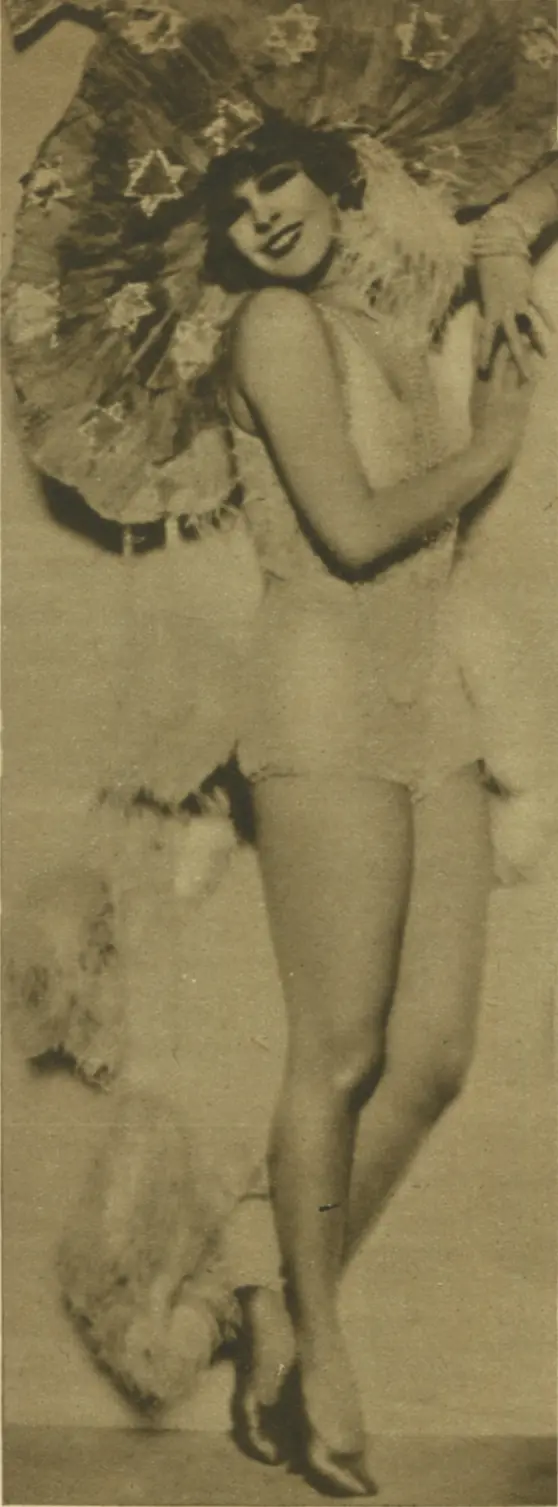
Nils Asther, while handsome and possessing a certain brooding charm, feels somewhat underutilized. His role as the smitten restaurateur requires him to project longing and quiet admiration, which he does adequately, but without the vivid internal life Damita manages to convey. The chemistry is present, but it's largely one-sided in terms of emotional impact. Other cast members, including Curt Bois and Kurt Gerron, fill out the supporting roles with varying degrees of success, some leaning into the broad theatricality of the era more effectively than others. Hermann Leffler, for instance, provides a performance that feels almost like a caricature, which can be jarring even for a silent film.
Adolf Lantz’s direction is competent, if not groundbreaking. He understands the visual language of silent film, employing close-ups to emphasize emotion and wide shots to establish setting. There are moments of genuine visual flair, such as the use of shadows during Damita’s late-night practices, which effectively convey her solitude and dedication. However, the overall pacing is deliberate, perhaps too much so for contemporary tastes, and some scenes linger longer than necessary, contributing to a sense of drag.
The cinematography, while not revolutionary, effectively captures the mood of 1920s Berlin (or a similar European city). The sets, particularly the restaurant and the dance studio, feel authentic, offering a tangible sense of place. The film utilizes light and shadow to good effect, especially in the more intimate or dramatic scenes. For instance, the stark lighting on Damita’s face during a moment of quiet despair is genuinely impactful, drawing the viewer into her internal world.
The atmosphere is one of quiet yearning and understated melodrama. It’s a film that asks the audience to lean in, to interpret the subtle cues and visual metaphors rather than being spoon-fed exposition. This can be incredibly rewarding for those willing to engage with it on its own terms. The film’s ability to evoke the period, through costumes, set design, and the general demeanor of its characters, is one of its undeniable strengths. It’s a time capsule, beautifully preserved in its visual style.
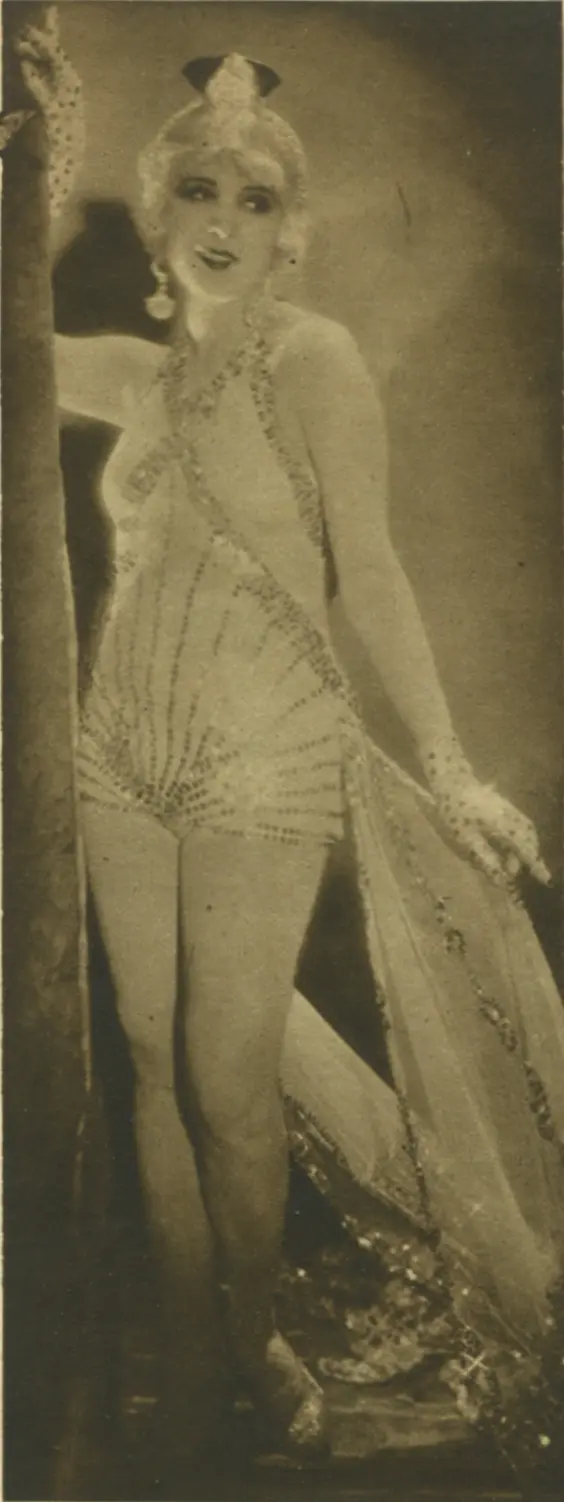
One surprising observation is how effectively the film uses small, almost imperceptible gestures to convey character. A slight shift in posture, a lingering glance, or a specific way of handling money at the cashier's desk – these details contribute more to characterization than many of the broader, more obvious actions. It’s a testament to the actors’ understanding of silent film demands, even when the script itself might be thin.
The pacing of The Golden Butterfly is perhaps its most significant hurdle for modern viewers. It moves at a measured, almost languid, speed. Scenes unfold gradually, allowing the audience to absorb the visual information and the emotional undertones. While this deliberate pace can contribute to a contemplative, almost dreamlike tone, it also means that dramatic tension builds slowly, sometimes to the point of stagnation.
The tone is largely melancholic, tinged with a hopeful romanticism. There’s a persistent sense of longing that permeates the film, whether it’s the cashier’s yearning for a different life or the restaurateur’s unspoken affection. This consistency in tone is admirable, creating a cohesive emotional landscape, but it can also make the film feel a bit one-note after a while. It works. But it’s flawed.
Comparatively, films like The Princess of New York, released around the same time, often exhibited a snappier, more comedic pace, even within the silent format. The Golden Butterfly leans more into the contemplative, character-study side of silent cinema, which, while valuable, requires a specific kind of engagement from its audience. It’s a film that demands you slow down and simply observe.
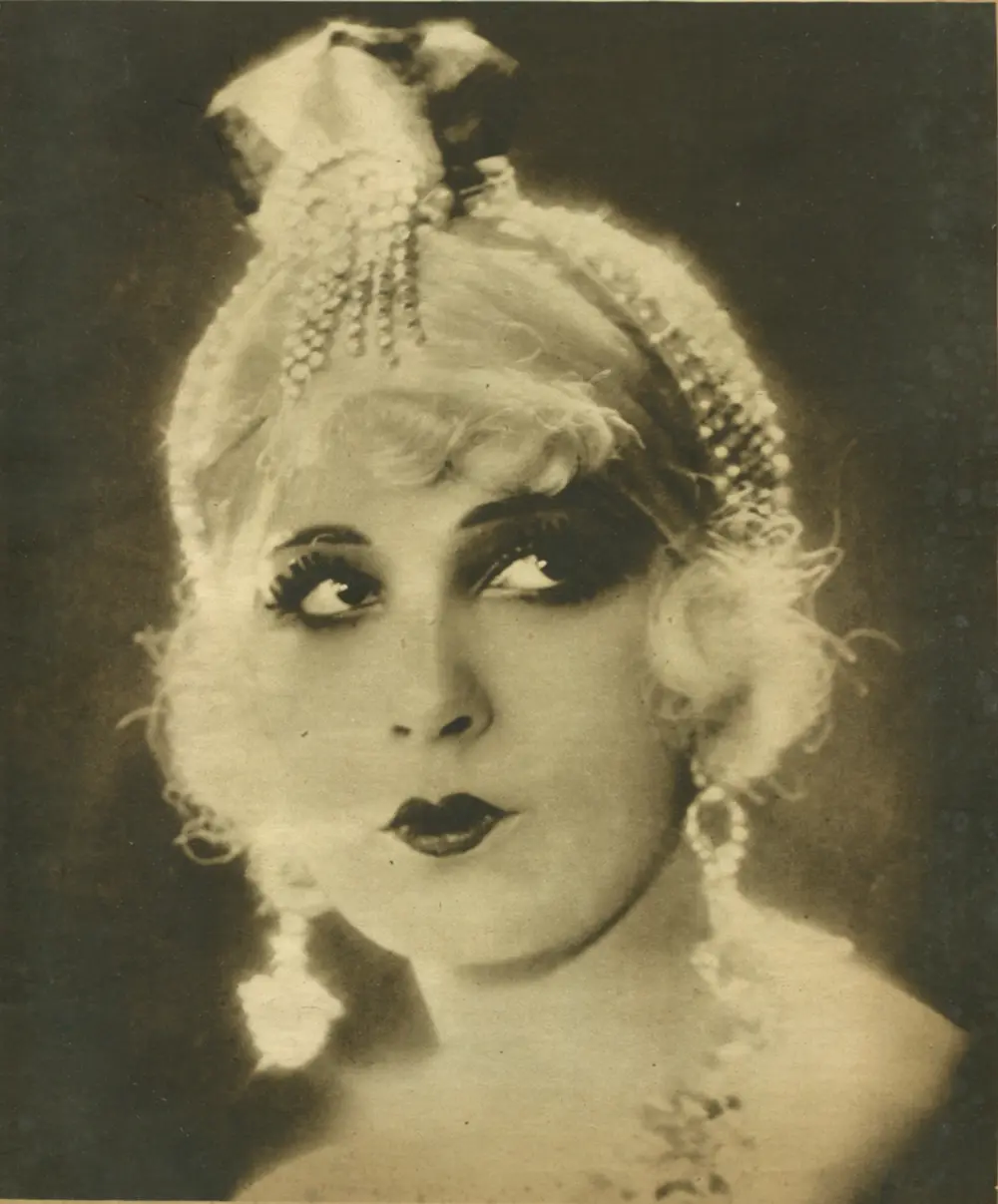
For anyone with a genuine interest in the evolution of cinema, The Golden Butterfly is absolutely worth seeking out. It offers a valuable insight into early European filmmaking, particularly the German silent era, and features a compelling performance from Lili Damita. It's a film that, despite its narrative simplicity and slow pace, holds a certain historical and artistic charm.
However, if your primary goal is entertainment in the contemporary sense, or if you have a low tolerance for the stylistic conventions of silent films, you might find it a challenging watch. It doesn't offer the immediate gratification or narrative complexity that modern audiences often expect. It's a film to be studied and appreciated, rather than merely consumed.
The Golden Butterfly is a film that asks for patience and a particular kind of appreciation. It is not a forgotten masterpiece that will universally enthrall modern audiences, nor is it a complete failure. Instead, it occupies a valuable space as a testament to the early ambitions of cinema, showcasing the silent art form’s capacity for visual poetry and emotional expression through a compelling lead performance.
Its enduring value lies less in its narrative ingenuity and more in its historical context and the raw talent of its star. For those willing to adjust their expectations and immerse themselves in a different cinematic rhythm, it offers a fascinating, if somewhat challenging, journey into the past. It’s a film for the curious, the scholars, and the romantics of cinema’s foundational years. Everyone else might find themselves struggling to connect with its quiet, deliberate charm.
IMDb 6
1915
Community
Log in to comment.