DbcultAccessing Vault...
Cult Review
Senior Film Conservator
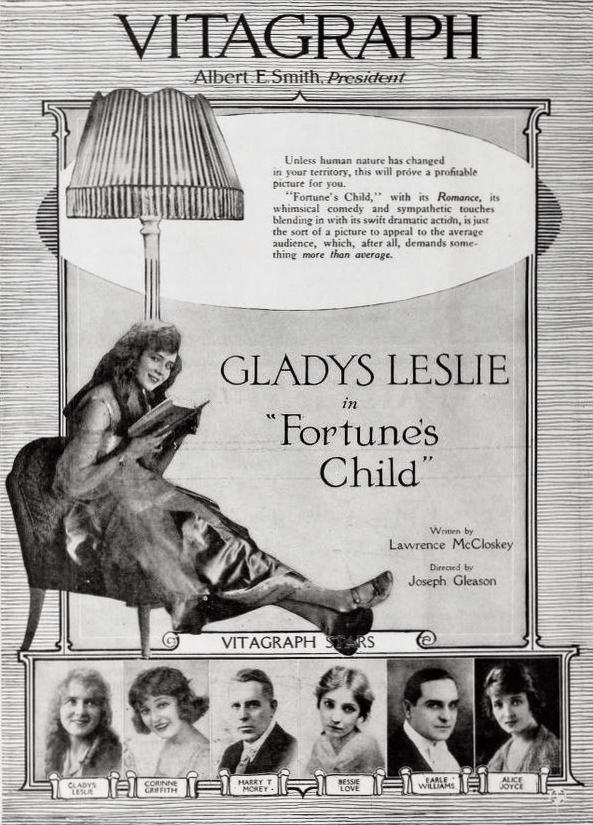
Stepping back into the cinematic archives, one occasionally unearths a narrative jewel that, despite its vintage, resonates with an astonishingly contemporary emotional truth. Such is the case with Fortune's Child, a silent film whose very title whispers of destiny and the capricious hand of fate. It's a drama that effortlessly weaves together strands of social commentary, nascent romance, and the stark realities of early 20th-century urban existence, all while maintaining a relentless grip on the viewer's sensibilities. Lawrence McCloskey’s screenplay, far from being a simple period piece, offers a profound meditation on resilience, the unexpected turns of fortune, and the enduring power of human connection.
The film plunges us headfirst into the bleak, unyielding world of Beth, portrayed with a poignant vulnerability by Jessie Stevens. Her existence, confined within the suffocating walls of a cheap New York boarding house, is a tapestry woven from drudgery and longing. Her only sanctuaries are the pages of fairy tales, those fragile escapist narratives that offer a stark contrast to her grim reality. This initial setup immediately establishes a fundamental tension: the harshness of her circumstances against the idealism she harbors, however tenuously. When she is unjustly accused of theft – a cruel irony given her purity of spirit – the threat of the House of Corrections looms, not merely as a physical confinement but as the crushing of her very soul. Stevens imbues Beth with a quiet dignity, a nascent strength that hints at the formidable woman she will become. Her plight feels genuine, a testament to the film's ability to ground its melodrama in believable human suffering, much like the stark realities depicted in The New South, which also explored social stratification and hardship.
Beth’s desperate flight from injustice is not merely a plot device; it is a primal scream for freedom, a visceral rejection of a predetermined, miserable fate. Her collapse on the doorstep of Jimmie Vernon, played with a compelling blend of ruggedness and artistic sensitivity by Fred Smith, is a moment of pure cinematic grace. It is the kind of serendipitous intervention that often defines the grand narratives of the silent era, yet here it feels earned, a reward for Beth’s sheer will to survive. Jimmie himself is a fascinating archetype: an artist, his hands accustomed to the delicate brushstroke, now forced by necessity into the brutal arena of prizefighting. This internal conflict – the aesthetic versus the pragmatic, the gentle soul encased in a fighter’s physique – makes him a deeply sympathetic and intriguing character. Smith masterfully conveys this duality, his expressions shifting from weary resignation to a flash of creative longing, even amidst the grime and grit of his new profession. His journey, mirroring Beth's in its unexpected turns, suggests that true character is forged not in comfort, but in adversity, a theme also powerfully explored in The Courage of the Common Place.
The narrative gains further complexity with the introduction of 'Superstitious' Louie, brought to life with a chilling, reptilian menace by Stanley Walpole. Louie is not merely a villain; he is a force of chaos, a malevolent shadow lurking at the edges of the nascent romance. His abduction of little Bob Wynne, the infant of a wealthy family, introduces a layer of high-stakes suspense that elevates Fortune's Child beyond a simple romance. The baby, a symbol of innocence and vulnerability, becomes a crucial pivot around which the fates of all major characters revolve. Louie's subsequent loss of the child during a gambling house raid is a stroke of narrative brilliance, a moment where his own villainy inadvertently paves the way for a greater good. Jimmie's discovery of Bob, and his subsequent decision to bring the infant home, speaks volumes about his inherent goodness, his capacity for compassion overriding his own struggles. This act of unwitting heroism sets the stage for the film’s central emotional core.
The meeting of Beth and Jimmie, under the shared responsibility of caring for the stolen infant, is where the film truly blossoms. The quiet, domestic scenes, rendered with an exquisite tenderness, allow their bond to form organically. It's not a whirlwind romance born of grand gestures, but a love forged in shared purpose, in the quiet intimacy of nurturing a helpless child. Jessie Stevens and Fred Smith convey this evolving affection with a nuanced subtlety, their gazes, their shared smiles, the unspoken understanding passing between them, speaking volumes without a single intertitle. The baby Bob becomes their unwitting cupid, a catalyst for their emotional awakening. This tender portrayal of love emerging from adversity is a hallmark of classic silent cinema, often seen in films like And the Children Pay, where the welfare of children drives much of the adult drama.
However, the respite is fleeting. The brutal demands of Jimmie’s prizefighting career resurface, leading to a debilitating injury and his hospitalization. This moment of weakness is a dramatic turning point, exploited by the ever-opportunistic Louie and, surprisingly, Jimmie’s jilted ex-girlfriend, who conspire to steal Bob back. This betrayal adds another layer of emotional complexity, highlighting the fragility of happiness and the persistent threats lurking in the shadows. It also serves to galvanize Beth, transforming her from a vulnerable ingenue into a determined protagonist. Her love for Jimmie and her bond with Bob become the fuel for her courage, propelling her into action. Miriam Miles, as Jimmie's ex, adds a compelling dimension to the villainy, suggesting that desperation and jealousy can be as potent motivators as pure greed.
Beth’s resourcefulness in securing work with the wealthy Wynne family is a testament to her growing agency. It’s a shrewd move, placing her directly in the orbit of those most affected by Louie’s crime. Her subsequent recovery of Bob from Louie’s squalid room at the boarding house is a thrilling sequence, a quiet act of heroism that underscores her transformation. This moment, more than any other, solidifies her as the true 'fortune's child,' not in terms of inherited wealth, but in her capacity for self-determination and unwavering moral fortitude. It’s a powerful statement on social mobility and the innate goodness that can transcend class barriers, a theme echoed in films like The Straight Way, where individual virtue triumphs over societal prejudice.
The resolution of Fortune's Child is deeply satisfying, offering a sense of poetic justice and earned reward. The Wynnes, overwhelmed with gratitude, not only provide Jimmie with the means to pursue his true passion – art lessons – but also embrace Beth into their family. This is not merely a happy ending; it is a validation of character, a recognition that worth is not solely defined by birth or material possessions, but by integrity, courage, and love. The promise of Beth and Jimmie’s eventual marriage, with Beth now afforded the opportunity to flourish within a nurturing environment, feels like a triumph of spirit over circumstance. It’s a narrative arc that speaks to the enduring belief in the American dream, where hard work and moral uprightness can lead to a better life, a stark contrast to the more cynical perspectives found in some contemporary dramas.
Lawrence McCloskey's screenplay for Fortune's Child is a masterclass in silent film storytelling. The narrative unfolds with a natural rhythm, building suspense and emotional resonance without ever feeling contrived. The intertitles are judiciously used, complementing the visual storytelling rather than dominating it, allowing the nuanced performances of the cast to truly shine. The film’s pacing is exemplary, moving seamlessly between moments of quiet intimacy and high-stakes drama, always propelling the story forward with purpose. The visual aesthetics, typical of the era, feature striking compositions and effective use of light and shadow to convey mood and atmosphere. One can imagine the impact of these visual cues, amplified by live musical accompaniment, drawing audiences deeply into Beth’s tumultuous journey.
The ensemble cast, while perhaps not household names today, deliver performances that are both authentic and emotionally resonant. Fred Smith, as Jimmie, carries the weight of his character's internal conflict with a compelling sincerity. His transformation from a reluctant fighter to a devoted lover and aspiring artist is believable and deeply affecting. Jessie Stevens, as Beth, is the film's undeniable heart. She navigates her character's journey from downtrodden victim to courageous heroine with grace and conviction. Her expressive eyes convey a wealth of emotion, making her plight and eventual triumph all the more impactful. Stanley Walpole's 'Superstitious' Louie is a memorable villain, his sneering demeanor and opportunistic actions providing a necessary foil to the protagonists' inherent goodness. Even the supporting roles, such as Frankie Mann, Kempton Greene, Denton Vane, Frank Norcross, and Gladys Leslie, contribute to the rich tapestry of the film’s world, grounding the more melodramatic elements in a sense of lived reality.
Comparing Fortune's Child to other films of its period reveals its particular strengths. While it shares thematic elements of social injustice and personal struggle with films like The Unpainted Woman or Alone in London, its unique blend of a stolen child plot with a burgeoning romance gives it a distinctive flavor. It manages to be both a thrilling melodrama and a heartwarming love story, avoiding the pitfalls of overly simplistic characterizations. The film's optimistic resolution, while perhaps idealistic, feels genuinely earned, a reward for the characters' perseverance and moral integrity. It suggests that even in the face of urban squalor and systemic injustice, individual acts of kindness and courage can fundamentally alter one's destiny.
The enduring appeal of Fortune's Child lies in its universal themes. It speaks to the human desire for belonging, for love, and for the opportunity to transcend one's origins. The fairy tale motif introduced early on with Beth’s reading takes on a deeper significance by the film’s conclusion; her life, against all odds, truly becomes a fairy tale, albeit one forged through hardship and grit rather than magic. It’s a powerful reminder that sometimes, the greatest fortunes are not inherited but earned through the crucible of experience. The film, in its quiet power, reminds us that compassion, integrity, and unwavering hope are the true treasures. This narrative depth, combined with compelling performances and a finely crafted plot, ensures that Fortune's Child remains a significant and engaging piece of cinematic history, inviting contemporary audiences to discover its timeless charm and resonant message.
In a world often consumed by cynicism, Fortune's Child offers a refreshing counter-narrative, a testament to the idea that goodness can prevail, that love can conquer adversity, and that even the most disenfranchised among us can find their place in the sun. The film’s quiet optimism is not naive; it is a hard-won belief, forged in the crucible of its characters’ struggles. It’s a film that leaves you with a lingering sense of warmth and hope, a belief in the inherent decency of humanity, even when confronted by its darker aspects. The journey of Beth and Jimmie is a potent reminder that fortune, indeed, favors the brave, the kind, and the unwavering of heart. Their story, though set in a bygone era, continues to resonate, speaking to the universal human condition with an eloquence that defies the passage of time. A true silent era gem, it deserves its place in the pantheon of compelling, character-driven dramas. The subtle interplay of light and shadow, typical of the period, enhances the emotional landscape, allowing the audience to project their own feelings onto the characters' silent struggles and triumphs. The film’s ability to evoke such profound emotion without dialogue is a testament to the power of visual storytelling and the expressive capabilities of its talented cast. It showcases how silent cinema, at its best, could transcend mere spectacle to deliver deeply affecting human drama, making Fortune's Child a poignant and powerful viewing experience even today.
The moral compass of the film is consistently calibrated towards empathy and justice, making the ultimate triumph of Beth and Jimmie feel not just satisfying but morally righteous. This aligns with many films of the era that sought to impart moral lessons or highlight societal inequities, often with a hopeful outlook. While some films, like The Beetle, delved into darker, more mysterious territories, Fortune's Child maintains a clear distinction between good and evil, yet never reduces its characters to mere caricatures. Louie, for instance, is driven by a combination of greed and perhaps a touch of desperation, making him a more complex antagonist than a purely mustache-twirling villain. The emotional stakes are always clear, and the audience is fully invested in the fate of Beth, Jimmie, and little Bob. The film’s lasting impression is one of enduring hope, a belief in the capacity for human resilience and the transformative power of love. It’s a narrative that reminds us that even in the grimmest of circumstances, the seeds of a better future can be sown through courage and compassion. The film’s legacy is not just in its historical significance, but in its ability to tell a timeless story that still resonates with audiences seeking narratives of triumph over adversity and the ultimate reward of a life well-lived, and a love truly found. The journey from the dingy boarding house to the promise of a stable, loving family with the Wynnes is a powerful cinematic arc, beautifully executed through the performances of Jessie Stevens and Fred Smith, under the thoughtful guidance of Lawrence McCloskey's script. It’s a testament to the enduring power of silent film to capture the human spirit in its myriad complexities. The way the film handles the themes of class and redemption without being overly didactic is particularly commendable, allowing the story to unfold naturally and emotionally. The golden glow of their eventual happiness feels truly earned, a shimmering beacon after a tempestuous voyage. This film, with its vibrant characterizations and compelling plot, is more than just a historical artifact; it's a living, breathing testament to the power of storytelling.
The intricate dance of fate and free will that defines the plot of Fortune's Child is one of its most compelling aspects. Beth's initial escape is an act of sheer will, yet her collapse on Jimmie's doorstep is pure happenstance. Jimmie's decision to take in the baby Bob is an act of altruism, yet it is Louie's recklessness that leads to Bob being found. These interwoven threads suggest a universe where individual choices and random occurrences conspire to shape destiny, a notion that adds a layer of philosophical depth to the melodrama. The film does not shy away from depicting the harsh realities of poverty and injustice, yet it steadfastly champions the idea that inner strength and moral integrity can carve out a path to a better life. This balance between stark realism and hopeful idealism is a delicate one, and Fortune's Child navigates it with remarkable skill. The thematic resonance of a child as a catalyst for change, and a symbol of hope, is a potent device, effectively utilized to drive the emotional core of the narrative. It’s a reminder that sometimes, the smallest and most vulnerable among us can inspire the greatest acts of heroism and transformation. This film truly understands the human heart, and its enduring capacity for both suffering and joy. The cinematic language, though silent, speaks volumes, conveying emotions and intentions through gesture, expression, and expertly crafted visual cues. The film’s ability to tell such a rich and nuanced story without spoken dialogue is a powerful testament to the artistry of early cinema. The deep blue of despair eventually gives way to the clear skies of hope, a beautiful visual metaphor implicitly woven into the fabric of the narrative. It's a journey worth taking, a story worth remembering, and a film that continues to enchant and inspire.
IMDb —
1928
Community
Log in to comment.