Summary
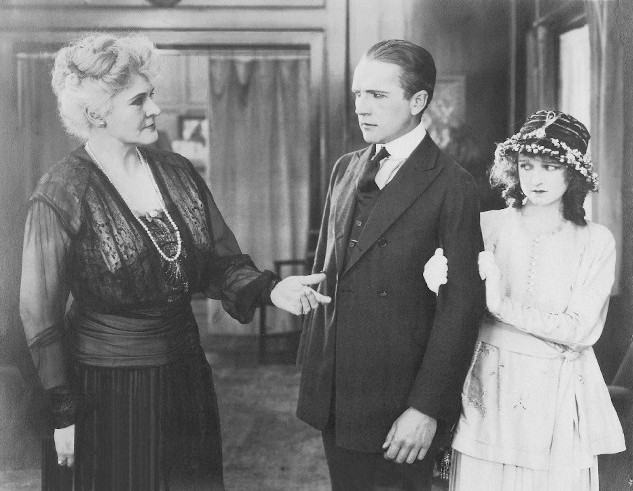
In the simmering crucible of the post-Reconstruction American South, where simmering racial tensions and entrenched societal divisions threaten to ignite at every turn, Captain Ford, a Northern military officer, embarks on a clandestine mission to dismantle a moonshining operation. His true objective, however, is tragically misconstrued by Jefferson Gwynne, a fiery young Southerner, who perceives Ford as a provocative agitator inciting the Black community's political aspirations against the white establishment. This fundamental misunderstanding, exacerbated by Ford's compelled silence regarding his actual mandate, spawns a virulent animosity from Jefferson. Conversely, Georgia Gwynne, Jefferson's sister, finds herself drawn to the enigmatic Northerner, their bond solidifying after a perilous incident where Ford heroically saves her from a runaway accident. Their burgeoning affection incites the bitter jealousy of Paul Fitzhugh, Georgia's spurned cousin, whose possessive love curdles into a dangerous resentment. The narrative escalates into a calamitous confrontation where Jefferson, fueled by suspicion and rage, attacks Ford. In the ensuing struggle, Jefferson is wounded, and in a grotesque twist of fate, a malevolent Black political leader named Sampson, harboring a deep-seated hatred for the Gwynnes, seizes Ford's dropped sword and brutally murders the injured Jefferson. Ford is framed, his vehement pleas of innocence drowned out by damning circumstantial evidence, leading to his wrongful imprisonment. Only Georgia's unwavering faith sustains him. Paul, a silent witness to Sampson's heinous act, allows his venomous rivalry and desire to eliminate Ford to eclipse any semblance of justice, thereby condemning an innocent man. Ford endures the brutal realities of prison life, eventually escaping during a fire, only to be relentlessly pursued. He finds refuge with Georgia, who, demonstrating remarkable ingenuity and resolve, leverages an obscure legal provision to 'lease' him from the state, transforming his captivity into a tender, if unconventional, bond. The truth, however, remains elusive until an old Black man, whom Ford had protected in prison, uncovers Sampson's sleep-talking confession, leading to a dramatic re-enactment that exposes the true killer. Ford's name is finally cleared, culminating in the triumphant vindication of justice and the joyous union of Ford and Georgia.
Synopsis
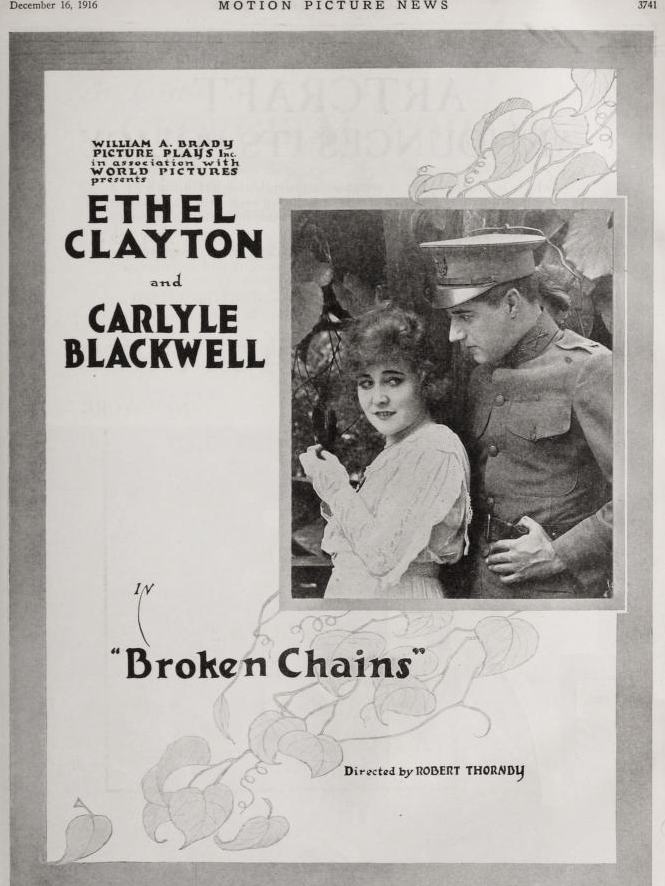
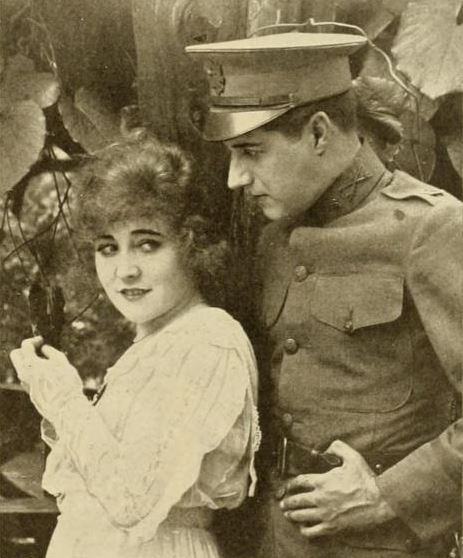
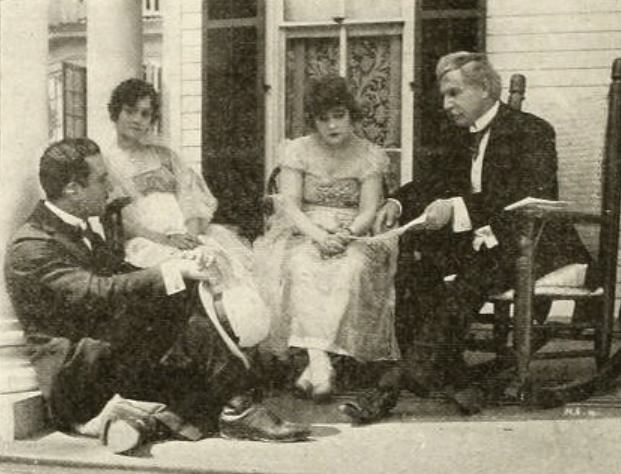
Captain Ford, U.S.A., is sent down south to trail a gang of moonshiners. Jefferson Gwynne, a lovable but rather hot-headed young southerner, believes Ford is aiding the negroes in their political fight against the whites, and as Ford is compelled to keep his mission secret, Jefferson conceives a violent dislike for this agitator as he believes Ford to be, and makes no pretension of concealing his aversion. Georgia Gwynne, Jefferson's young sister, on the other hand, is attracted to the young northerner, and after her saves her in a runaway accident, their friendship develops rapidly, to the dismay of Paul Fitzhugh, Georgia's cousin, who is much in love with her. When Georgia refuses Paul's offer of marriage, he accuses her of being in love with the strange agitator, but she also ignores his remarks and he goes away angry. Jefferson accuses Ford of stirring up the negroes to vote against the whites. Ford tries to quiet the excited boy, but his calmness only tends to heighten Jefferson's anger, and drawing Ford's sword from his scabbard, he begins a fight. Ford defends himself with a piece of wood. A scuffle ensues, and Jefferson falls wounded. Ford rushes to the house for assistance. While he is gone, Sampson, a negro political leader, who hates the Gwynnes, steals up and seeing the wounded boy and the sword lying at his side, is possessed of a demoniacal idea. He seizes the sword, and plunges it into the boy's body. Captain Ford, coming up with Georgia, her father and others, is overcome to find Jefferson dead. Circumstantial evidence points to Ford as the criminal, and despite his vehement protest of innocence, he is led away to prison. Georgia alone believes in him and comforts him with her assurance of faith. Paul, who saw Sampson stab the boy, and knows therefore that Ford is innocent, is torn by conflicting emotions, but his hatred of his rival, and his desire to get him out of the way proves stronger than a sense of justice, and he conceals his knowledge of the crime, and allows Ford to be led away to prison. Despite the unpleasantness of his surroundings in prison. Ford conducts himself bravely and manfully. In defending an old negro against the guard, he incurs the enmity of that official, and in revenge the guard has him whipped by the negro Sampson, who had been in prison for stealing a ballot-box. Angered by this unnecessary indignity, Ford still submits in silence, but that night when the prison catches fire, he seizes the opportunity to escape, and is trailed by the guards with dogs to Georgia's home. Georgia scarcely recognizes in this worn, haggard prisoner, the man whom she loves, but she receives him gladly, and struggles hard to conceal him from the guard. Her efforts, however, are futile; the door is broken in and Ford dragged out. Georgia has read that an individual can lease any convict he or she may desire, by applying to the Governor for a permit, and she determines now to make use of this knowledge. By clever maneuvering, she manages to detain the arresting party, white she rushes a messenger to the Governor, with an application for the releasing of Ford. Just as the guards are ready to lead Ford away, the messenger returns with the permit, signed by the Governor, and Georgia demands that the prisoner be turned over to her. Ford finds his new captivity much to his liking, and the affection between captor and captive rapidly grows. The old negro, whom Ford defended in prison, is released, and hurries to Col. Gwynne. to toll him the real truth about the murder; how Sampson, talking in his sleep, revealed how he seized the sword and killed Jefferson. By a clever re-enactment of the murder scene, Sampson is led to confess the truth. Ford is cleared, and he and Georgia are happy in each other's love.
Review Excerpt
"
Ah, the cinema of yesteryear! There's a particular charm, isn't there, in revisiting narratives woven during a different epoch, especially when they grapple with themes that, in their essence, remain tragically perennial. Today, we're casting our discerning gaze upon The New South, a film that plunges headfirst into the tumultuous currents of post-Reconstruction America, a period fraught with unresolved conflict, simmering racial animosities, and the arduous task of national reunification. ..."