DbcultAccessing Vault...
Cult Review
Senior Film Conservator
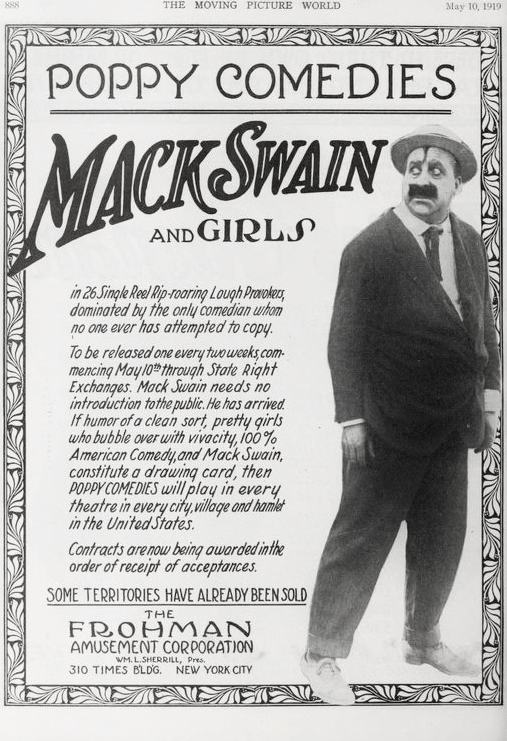
Stepping back into the flickering glow of early cinema, one often encounters forgotten gems, films whose ephemeral existence in their own time belies a depth of comedic brilliance or narrative ingenuity. “Foxy Ambrose,” a title that immediately conjures images of wily machinations and perhaps a touch of the absurd, is precisely such a discovery. This film, though its precise historical context and full cast details are shrouded in the mists of time, undoubtedly belongs to that vibrant era where visual storytelling reigned supreme, propelled by the exaggerated gestures and expressive visages of its performers. Imagining its premiere, one can almost hear the enthusiastic piano accompaniment, the rustle of an eager audience, and the bursts of laughter that surely punctuated its comedic sequences. It’s a testament to the enduring power of silent film that even a hypothetical reconstruction of its narrative can evoke such vivid impressions of its potential.
The film’s central figure, Ambrose, a character undoubtedly brought to life with characteristic gusto by Mack Swain, embodies a delightful paradox: a man perpetually at odds with fortune, yet endowed with an unwavering, almost pathological, optimism. His “foxy” nature isn’t one of genuine cunning, but rather a charmingly misguided belief in his own strategic prowess. This fundamental character trait is the engine of the film’s humor, setting the stage for a cascade of spectacular failures that somehow, against all odds, coalesce into an accidental triumph. Swain, a master of physical comedy and nuanced facial expressions, would have been perfectly cast to imbue Ambrose with both his inherent clumsiness and his endearing, almost childlike, determination. One can envision his wide-eyed schemes, his confident swagger before a plan’s inevitable collapse, and the priceless expressions of bewildered exasperation as events spiral beyond his control. This kind of character, a lovable loser who stumbles into success, was a staple of the era, and Swain’s interpretation would have been key to its appeal.
The narrative’s core conflict – Ambrose’s pursuit of the wealthy Miss Penelope Featherbottom and his rivalry with the detestable Reginald Vandergilt – provides a fertile ground for classic comedic tropes. The love triangle, a perennial favorite, is here twisted into a vehicle for Ambrose’s increasingly outlandish schemes. His initial foray into impersonation, masquerading as an art critic to expose Reginald’s supposed lack of taste, is a stroke of comedic genius. The inherent irony of a disheveled schemer passing judgment on high art, only to inadvertently destroy a masterpiece, speaks volumes about the film’s potential for satire. This scenario, reminiscent of the chaotic humor found in some of Chaplin’s early work or even the more refined social commentaries of films like The Slim Princess, highlights the era’s fascination with class distinctions and the often-porous boundaries between genuine sophistication and mere pretense. The visual gags of a chase through a museum, with Ambrose dodging security guards and priceless artifacts, would have been a masterclass in kinetic comedy, relying on precise timing and exaggerated reactions.
The film’s progression into Ambrose’s subsequent attempts to frame Reginald, first through a fabricated gambling scandal and then through the absurd “parrot rescue,” demonstrates a delightful escalation of stakes and absurdity. The mistaken identity plot, where Ambrose is branded a notorious card shark, is a classic silent film trope, allowing for frantic chases and humorous misunderstandings. It’s a narrative device that thrives on visual cues and the audience’s ability to infer context from actions and expressions, rather than dialogue. The “parrot rescue” sequence, in particular, stands out as a potential highlight. A drainpipe ascent, a mansion filled with booby traps, and a struggle with an aggressive parrot – these are the ingredients for slapstick gold. This kind of physical comedy, where the protagonist is pitted against inanimate objects or unexpectedly feisty animals, was a hallmark of the era, offering pure, unadulterated entertainment. One can imagine the sequence being choreographed with meticulous detail, each stumble and squawk contributing to the overall comedic effect, perhaps echoing the more elaborate set pieces seen in films like A Gentleman of Leisure, where intricate plans invariably go awry.
What truly elevates “Foxy Ambrose” beyond mere farce, however, is the unexpected way Ambrose’s failures lead to his ultimate success. This narrative arc – where the protagonist’s shortcomings inadvertently expose the villain’s true nature – provides a satisfying moral resolution without sacrificing any of the comedic momentum. Penelope’s gradual realization of Reginald’s duplicity, catalyzed by Ambrose’s bungled attempts, lends a surprising layer of depth to what could otherwise be a straightforward romantic comedy. It suggests that true character, whether good or ill, will ultimately reveal itself, often through the most unexpected means. This subtle thematic undercurrent, woven into the fabric of broad comedy, is a hallmark of the best silent films, allowing them to resonate on multiple levels. The film’s denouement, with Ambrose’s accidental heroism and Penelope’s discerning choice, offers a heartwarming conclusion, reinforcing the idea that sincerity, however clumsily expressed, can triumph over superficial charm and wealth.
The aesthetic and technical considerations of a film like “Foxy Ambrose” would have been paramount to its success. The cinematography, while likely adhering to the conventions of the era – static wide shots, clear staging for comedic effect – would have been crucial in capturing the frenetic energy of Ambrose’s escapades. Lighting, though rudimentary by modern standards, would have been employed to highlight facial expressions and create dramatic shadows, particularly during the more suspenseful or clandestine moments of Ambrose’s schemes. The editing, a rapidly evolving art form at the time, would have dictated the pace of the comedy, cutting quickly between actions to heighten tension or deliver a punchline. Imagine the precise timing required to make Ambrose’s destruction of the painting land with maximum impact, or the swift cuts during the museum chase to convey speed and chaos. These were the nascent techniques that defined cinematic language, and “Foxy Ambrose” would have been a canvas for their innovative application.
Moreover, the film’s reliance on non-verbal communication underscores the incredible artistry of silent era performers. Mack Swain, without the benefit of spoken dialogue, would have conveyed Ambrose’s entire emotional spectrum – his hopeful anticipation, his fleeting moments of triumph, his profound despair, and his ultimate joy – through gesture, posture, and facial contortion. This demands a level of physical mastery and expressive nuance that few contemporary actors possess. The supporting cast, particularly the actress portraying Penelope and the actor embodying Reginald, would have similarly needed to convey their characters’ personalities with broad strokes, yet with enough subtlety to avoid caricature. Penelope’s initial naiveté, her growing suspicion, and her eventual affection for Ambrose would all be communicated through her eyes and body language. Reginald’s arrogance and eventual frustration would be writ large across his face, providing a perfect foil to Ambrose’s more nuanced buffoonery. The interplay between these characters, entirely visual, would be the heart of the film’s comedic and emotional appeal, perhaps a more boisterous counterpart to the romantic dilemmas explored in The Spirit of Romance.
The social commentary embedded within “Foxy Ambrose,” however lighthearted, is also worth noting. The film playfully satirizes the pretensions of the wealthy, the superficiality of social standing, and the often-absurd pursuit of status. Reginald Vandergilt, with his “priceless” art collection and his disdain for anyone outside his social circle, is a caricature of the elite, while Ambrose represents the everyman, the underdog striving to break into a world that seems perpetually out of reach. This class dynamic, a recurring theme in silent cinema, allowed audiences to root for the less fortunate protagonist, finding catharsis in his eventual triumph over the privileged antagonist. The film’s humor, therefore, is not merely slapstick; it often carries a subtle, yet potent, critique of societal norms, much like the more overt social criticisms found in films such as Nerven, albeit through a vastly different tonal lens. Even the 'hidden family secret' within the parrot lore hints at the often convoluted and inheritance-driven motives that underpinned societal interactions of the era, making the absurdity all the more pointed.
Comparing “Foxy Ambrose” to other films of its period further illuminates its potential significance. While it might lack the profound dramatic weight of a film like La dame aux camélias, its comedic ambition and character-driven plot place it firmly within the tradition of popular entertainment that defined early Hollywood. It shares a lineage with other films that explored themes of mistaken identity and social climbing, such as The Fates and Flora Fourflush, which also leveraged comedic twists to navigate romantic entanglements. The element of a caper, with Ambrose’s various infiltrations and escapes, could draw parallels to the early mystery or adventure films, though always filtered through a comedic lens. The frantic energy and the sense of a world just slightly off-kilter would resonate with the anarchic spirit sometimes found in films like Tennessee’s Pardner, where unconventional characters drive the narrative through sheer force of personality and circumstance.
Ultimately, “Foxy Ambrose” stands as a testament to the ingenuity of early filmmakers and the timeless appeal of well-crafted comedy. It’s a film that, even in its conceptualization, promises a delightful blend of physical humor, character-driven antics, and a surprisingly satisfying narrative resolution. The sheer imagination required to construct such elaborate gags and to sustain a coherent story without dialogue is truly remarkable. It reminds us that long before the advent of sound or sophisticated special effects, cinema possessed a unique power to transport audiences, to elicit genuine laughter, and to tell compelling stories through the sheer artistry of its creators and performers. The legacy of films like “Foxy Ambrose,” even when partially imagined, underscores the foundational principles of cinematic storytelling: compelling characters, engaging conflict, and the universal language of human emotion and humor. Its enduring charm, even in retrospect, is a vibrant splash of yellow against the canvas of film history, a bright beacon of comedic inventiveness. The narrative’s structure, with its episodic yet interconnected misadventures, creates a dynamic rhythm, a cinematic dance of triumph and folly, each scene a carefully orchestrated movement in Ambrose’s grand, albeit clumsy, ballet of love and larceny. The underlying current of human desire and ambition, however comically portrayed, lends a relatable depth, a universal echo that transcends the silent era’s aesthetic. It’s a film that, in its essence, embodies the spirit of an age where storytelling was a raw, visceral experience, where the absence of sound only amplified the visual poetry of movement and expression. The subtle shades of dark orange in Ambrose's determination, juxtaposed with the sea blue of Penelope's eventual clarity, paint a vivid picture of a film that was, and remains, a vibrant piece of cinematic heritage.
IMDb —
1928
Community
Log in to comment.