DbcultAccessing Vault...
6.1/10
Senior Film Conservator
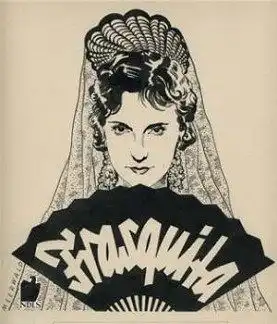
A definitive 6.1/10 rating for a film that redefined the boundaries of cult cinema. Frasquita remains a cornerstone of transgressive art.
If you absolutely despise old 1930s musical comedies where characters burst into song for no good reason, please do yourself a favor and stay far away from Frasquita.
But if you enjoy silly mistaken-identity plots, scratchy old audio, and legendary Austrian actors looking incredibly young, this might actually make for a fun Sunday afternoon. It is definitely not for everyone, though. 🤷♂️
The whole plot is basically a giant mess of errors. We have this guy who is supposed to get married to a woman he has never laid eyes on, which already sounds like a recipe for absolute disaster.

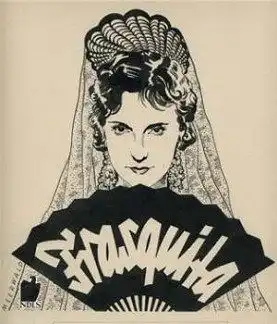
On his way to the wedding, he meets this Gypsy singer named Frasquita—played by the opera star Jarmila Novotna—and immediately falls head over heels. Meanwhile, his best man gets mistaken for the actual groom by the bride-to-be, and things just go downhill from there.
Honestly, the main reason to watch this is Heinz Rühmann. He has this frantic, nervous energy that always makes me laugh, even when the jokes are totally outdated.
He plays the best man who gets caught up in the big mix-up, and his facial reactions are pure gold. It is very similar to his vibe in other comedies from this era, like Ein Walzer im Schlafcoupé or even Saxophon-Susi, where the plot is mostly just an excuse for people to run around looking confused.
There is this one scene where he tries to explain the situation to the bride, but he keeps getting interrupted by people bringing him food. I think he ate about three different plates of sausages in under two minutes.
Since this is based on a Franz Lehár operetta, there is a lot of singing. Jarmila Novotna has an amazing voice, but the 1934 sound recording technology does her no favors here.
Sometimes when she hits a high note, the audio screeching gets so loud it made my cat run out of the room. It has that classic tin-can quality that you either find charming or incredibly annoying.
Also, Hans Moser shows up as a servant, I think? He just mumbles his way through his scenes in that signature grumpy way of his, and half the time I couldn't even understand what he was saying without turning the volume way up.
Is it a masterpiece? Absolutely not. But it has got a weird, dusty charm that modern movies just can't replicate.
IMDb 5.8
1935
Community
Log in to comment.