DbcultAccessing Vault...
Cult Review
Senior Film Conservator
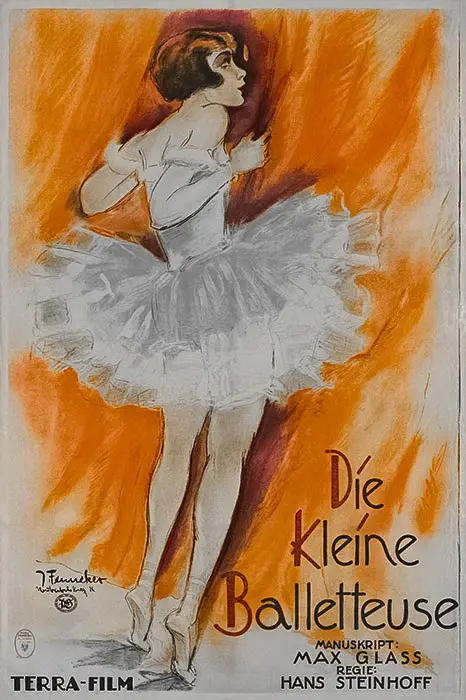
Is Frau Sopherl vom Naschmarkt worth watching today? Short answer: absolutely, especially if you possess a keen appreciation for the nuanced storytelling and vibrant character work of early 20th-century cinema. This silent German drama, while demanding a certain patience from modern audiences, is a captivating window into a bygone era, offering rich performances and a compelling, if simple, narrative.
It is a film best suited for cinephiles, historians, and those who delight in the expressive power of silent acting and the evocative atmosphere of historical settings. Conversely, viewers seeking fast-paced action, clear-cut resolutions, or contemporary narrative structures might find its deliberate pacing and reliance on visual storytelling less engaging. It’s a demanding watch. But it rewards patience.
Frau Sopherl vom Naschmarkt, directed by Max Glass, is more than just a period piece; it’s an immersive experience. The film, though rarely seen today, holds a significant place in the tapestry of German silent cinema, capturing the spirit of Vienna’s iconic Naschmarkt with an authenticity that feels almost ethnographic. It’s a testament to the power of visual storytelling, a medium that, in its purest form, transcends language barriers and cultural divides.
The film works because it crafts a deeply human story around its titular character, Sopherl. Lina Frank's performance is a masterclass in silent film emoting, her expressive eyes and gestures conveying volumes in the bustling market scenes. The film succeeds in making the Naschmarkt itself a character, a living, breathing entity that influences every interaction and decision within the narrative.
This film fails because its pacing, while deliberate and often beautiful, can feel glacial to contemporary viewers accustomed to quicker cuts and more expositional dialogue. The subtleties of early silent film acting, while powerful, might also be misread or overlooked by those not familiar with the conventions of the era, leading to a perception of melodrama rather than genuine emotional depth.
You should watch it if you are fascinated by the cultural history of early 20th-century Europe, appreciate the artistry of silent film, or are simply curious to see how character-driven drama was executed before the advent of sound. It’s a unique opportunity to witness the origins of cinematic narrative and performance.
The plot, while seemingly straightforward, is rich with subtext. Sopherl’s daily grind at her market stall isn’t merely background; it’s the crucible in which her character is forged. Her interactions with fellow vendors, from friendly banter to fierce competition, paint a vivid picture of a community bound by shared struggles and triumphs. The arrival of Jakob, played with a compelling blend of charm and enigma by Hans Ziegler, introduces a romantic element that complicates Sopherl's established routine.
Jakob’s mysterious past serves as the central dramatic engine, slowly unraveling to reveal layers of intrigue. This narrative device, common in silent cinema, is handled with a delicate touch here, avoiding overt sensationalism in favor of character-driven revelations. The film understands that the most impactful drama often stems from personal stakes, not grand gestures.
Max Glass, as a writer, imbues the screenplay with a keen understanding of human nature. The character of Otto, portrayed by Julius Brandt, is not a one-dimensional villain but a man driven by jealousy and a misguided sense of entitlement. His presence provides a tangible external conflict that mirrors Sopherl's internal struggle for agency and happiness. This multi-faceted characterization elevates the film beyond a simple romance.
One could argue that the film’s greatest strength lies not in its central romance, but in its almost documentary-like portrayal of the Naschmarkt itself. The sheer vibrancy, the cacophony of vendors, the flow of customers – it’s all captured with a remarkable eye for detail, making the market a character as compelling as any human on screen. This ethnographic quality is, in my opinion, what truly elevates Frau Sopherl vom Naschmarkt from a good silent film to a truly significant one.
The cast of Frau Sopherl vom Naschmarkt delivers performances that are deeply rooted in the traditions of silent acting, yet feel remarkably fresh. Lina Frank as Sopherl is the undeniable heart of the film. Her portrayal is a masterclass in conveying complex emotions without uttering a single word. Observe her subtle shifts in expression during a tense negotiation with a customer, or the slow dawning of suspicion in her eyes as Jakob's secrets begin to surface. It's truly captivating.
Hans Ziegler, as Jakob, brings a nuanced charisma to his role. He avoids the pitfall of making Jakob merely a handsome face; instead, he hints at an inner turmoil and a concealed history through guarded glances and hesitant gestures. His chemistry with Frank is palpable, creating a believable romantic tension that anchors the film’s emotional core.
Julius Brandt, playing Otto, provides a compelling antagonist. He doesn’t resort to cartoonish villainy but rather embodies a grounded, albeit unpleasant, sense of rivalry and possessiveness. His performance, particularly in scenes where he subtly undermines Sopherl’s business or attempts to manipulate her, is a testament to the power of understated menace in silent film.
The supporting cast, including Cornelius Kirschner and Anni Dirkens, further enriches the market environment. Their brief, yet memorable, appearances contribute to the film’s authenticity, painting a mosaic of distinct personalities that populate Sopherl's world. This ensemble work, often overlooked in the silent era, is crucial here for building a believable community.
Max Glass’s direction is marked by a clear understanding of space and movement. The camera often lingers on the wider shots of the Naschmarkt, allowing the audience to absorb the bustling atmosphere before focusing on the intimate drama unfolding within it. This directorial choice effectively establishes the setting as a vibrant, almost overwhelming force that shapes the characters’ lives.
The cinematography, while not groundbreaking by today’s standards, is exceptionally effective for its time. The use of natural light in the outdoor market scenes gives the film a realistic, almost documentary feel. Indoor scenes, particularly those depicting Sopherl’s modest home or Jakob’s hidden lodgings, are often composed with a keen eye for shadow and contrast, subtly hinting at the characters' inner states.
There are moments of visual poetry, such as a sequence depicting the market waking up at dawn, or a shot of Sopherl alone amidst the closing stalls, that are truly memorable. These scenes demonstrate a filmmaker who understood the power of visual metaphor and atmosphere. The bustling energy of the Naschmarkt scenes, reminiscent of the vibrant street life depicted in films like The Busher, truly sells the setting, making it feel alive and integral to the story.
The film's pacing, as mentioned, is deliberate. Glass allows scenes to breathe, giving the audience time to interpret the visual cues and emotional nuances of the performances. While this might challenge some viewers, it is undeniably a strength for those who appreciate the contemplative rhythm of early cinema. It’s a slow burn, but an intentional one.
The tone of Frau Sopherl vom Naschmarkt is a delicate balance of lighthearted market comedy, budding romance, and underlying social drama. It manages to weave these elements together without feeling disjointed. The humor often comes from the everyday squabbles and eccentricities of the market vendors, providing a grounded reality that makes the more dramatic moments resonate more deeply.
Pacing in silent films is a contentious topic for modern viewers, but here, it serves a clear purpose. The unhurried rhythm allows for a gradual build-up of character relationships and plot revelations. For instance, the slow reveal of Jakob's past isn’t rushed; it unfolds organically through subtle clues and mounting tension, rather than sudden expository intertitles. This approach fosters a sense of discovery, rather than simply being told what to think.
I would argue that the film’s pacing, far from being a flaw, is one of its most compelling artistic choices. It forces the viewer to slow down, to engage with the visual narrative on a deeper level, to truly observe the actors' expressions and the subtleties of the mise-en-scène. This is a film that rewards active viewing, not passive consumption.
Frau Sopherl vom Naschmarkt is a compelling, if demanding, piece of cinematic history. It stands as a testament to the expressive power of silent film and the enduring appeal of human stories told with sincerity and craft. While it may not be for everyone, those who commit to its deliberate pace and visual language will find a deeply rewarding experience, rich with character, atmosphere, and a poignant exploration of life in a bustling European market. It's a film that deserves to be rediscovered and celebrated.
IMDb —
1918
Community
Log in to comment.