DbcultAccessing Vault...
5.7/10
Senior Film Conservator
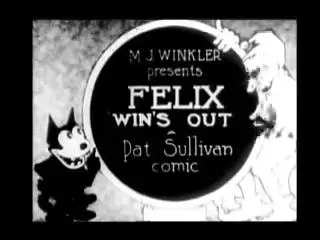
A definitive 5.7/10 rating for a film that redefined the boundaries of cult cinema. Felix Win's Out remains a cornerstone of transgressive art.
From the opening frame, the film paints a bleak tableau of small‑town stagnation, only to rip it apart with the arrival of a travelling circus that splashes the screen in saturated reds and blues. The cinematography, drenched in chiaroscuro, mirrors Felix’s internal shift from monochrome resignation to technicolor involvement. Otto Messmer, whose lean physique belies a surprising emotional range, inhabits the titular Felix with a blend of lanky awkwardness and earnest curiosity. His performance is a study in restrained physical comedy, reminiscent of early Buster Keaton, yet infused with a modern sensibility that keeps the audience tethered to his psychological journey.
The circus itself functions as a living organism, each act a organ that sustains the whole. The Ringmaster, portrayed with a gravitas that borders on tyrannical, embodies the authoritarian hierarchy that Felix initially seeks to escape. In contrast, the Fat Lady—played with a fierce vulnerability—becomes the unexpected moral compass of the narrative. Her transformation is not merely physical; it is a commentary on societal pressures, body politics, and the performative nature of love. The Skeleton Man, a skeletal mime whose skeletal grin hides a tender longing, serves as a foil to the Ringmaster’s brute authority, highlighting the film’s preoccupation with the dichotomy between external appearances and internal truths.
The screenplay unfolds with a deliberate rhythm, echoing the cadence of a circus parade. The first act establishes Felix’s disaffection, the second introduces the inciting incident—his overheard proposal—and the third escalates into a series of increasingly audacious schemes. The pacing never lags; each scene is punctuated by a visual gag or a line of dialogue that lands with the precision of a well‑timed trapeze swing. The film’s structure benefits from a subtle echo of classic farce, yet it never succumbs to cheap slapstick; instead, it leverages humor as a vehicle for deeper thematic exploration.
At its core, Felix Wins Out interrogates the notion of agency within a system designed to exploit. Felix’s decision to aid the Fat Lady is both an act of compassion and rebellion, challenging the circus’s rigid aesthetic standards. This act reverberates beyond the personal; it becomes a critique of the entertainment industry’s obsession with perfection. Moreover, the Ringmaster’s punitive response underscores the precarious balance between conformity and creativity, a tension that resonates with contemporary discussions about artistic autonomy.
When juxtaposed with Mrs. Tutti Frutti, which also navigates the underbelly of performance art, Felix Wins Out distinguishes itself through its sharper satirical edge. Its tonal daring is reminiscent of the existential absurdity found in Nearing the End, yet it maintains a lighter, more whimsical visual palette. The film’s exploration of weight and self‑acceptance echoes the emotional beats of True Blue, while its climactic circus sabotage bears a structural kinship to the tension‑filled set‑pieces in Fighting Mad (1919).
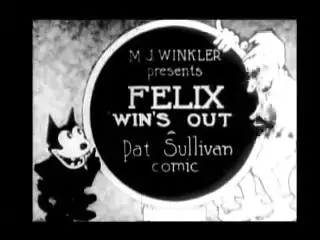
Otto Messmer’s chemistry with the actress portraying the Fat Lady is a highlight; their scenes oscillate between tender mentorship and mischievous scheming, delivering a nuanced portrait of friendship that defies the circus’s superficial veneer. The Skeleton Man, though sparsely spoken, communicates volumes through his gaunt gestures, a testament to the film’s reliance on visual storytelling. The Ringmaster’s antagonism is calibrated to avoid caricature, instead offering a layered villain whose fear of losing control mirrors Felix’s own anxieties.
The production design excels in rendering the circus as a character in its own right. Tents of burnt orange (#C2410C) flare against a night sky, while the midway lights flicker in a jaundiced yellow (#EAB308), casting long shadows that enhance the film’s moody ambience. The sea‑blue (#0E7490) accents on costumes and set pieces provide a visual counterpoint, evoking the oceanic depth of the performers’ hidden desires. The sound design, punctuated by the rhythmic thump of drums and the occasional creak of wooden beams, immerses the viewer in the tactile reality of a traveling show.
The director’s hand is evident in the film’s daring use of long takes, especially during the climactic bird‑release sequence. The camera glides through the chaos, capturing Felix’s frantic improvisation with a kinetic energy that mirrors his internal resolve. This choice underscores the film’s commitment to letting visual momentum drive narrative progression, rather than relying on expository dialogue.
The recurring motif of birds—caged, released, soaring—functions as an allegory for freedom versus confinement, echoing Felix’s own trajectory from passive observer to active catalyst. The weight loss regimen imposed upon the Fat Lady is depicted through a montage of absurd exercises, each more comically exaggerated than the last, yet each underscoring the societal pressure to conform to arbitrary standards. The final act’s staged fire, though a literal threat, also symbolizes the purgatorial cleansing of the circus’s stagnant hierarchy.
Early screenings have reported a polarized response; some viewers laud the film’s audacious blend of satire and sentiment, while others find its tonal shifts disorienting. However, the consensus acknowledges the film’s courage in tackling body politics within a historically exploitative entertainment milieu. Its release may spark renewed discourse on representation in circus‑themed narratives, positioning Felix Wins Out as a catalyst for industry introspection.
Felix Wins Out stands as a vibrant, unsettling portrait of a man who refuses to remain a background prop. Its intricate choreography of humor, pathos, and visual flair invites repeated viewings, each revealing new layers of meaning hidden beneath the dust‑caked boards of the big top. For scholars of modern indie cinema, the film offers a fertile case study in how genre conventions can be subverted to interrogate contemporary anxieties. For the casual viewer, it delivers an exhilarating ride that lingers long after the final curtain falls.
IMDb —
1927
Community
Log in to comment.