DbcultAccessing Vault...
Cult Review
Senior Film Conservator
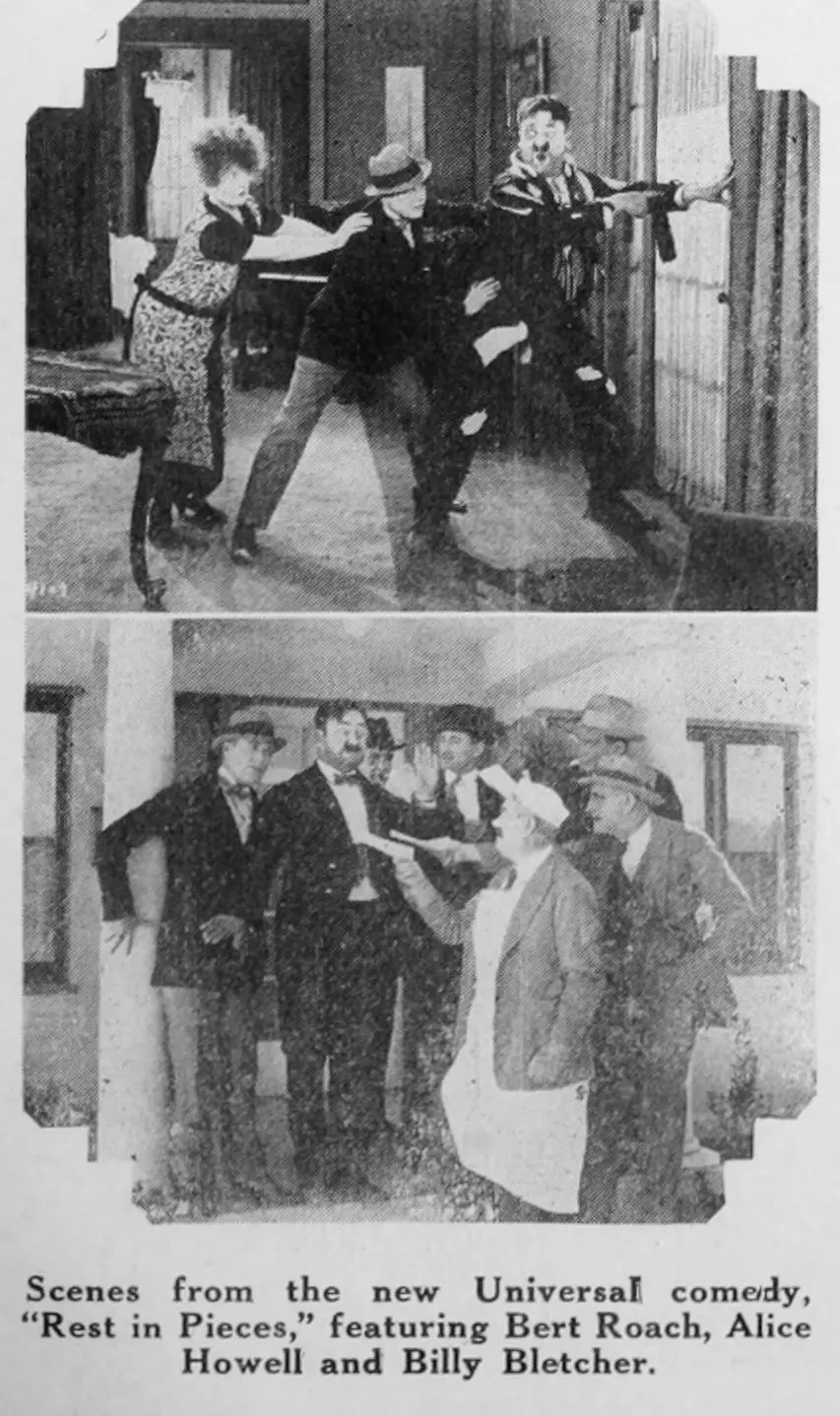
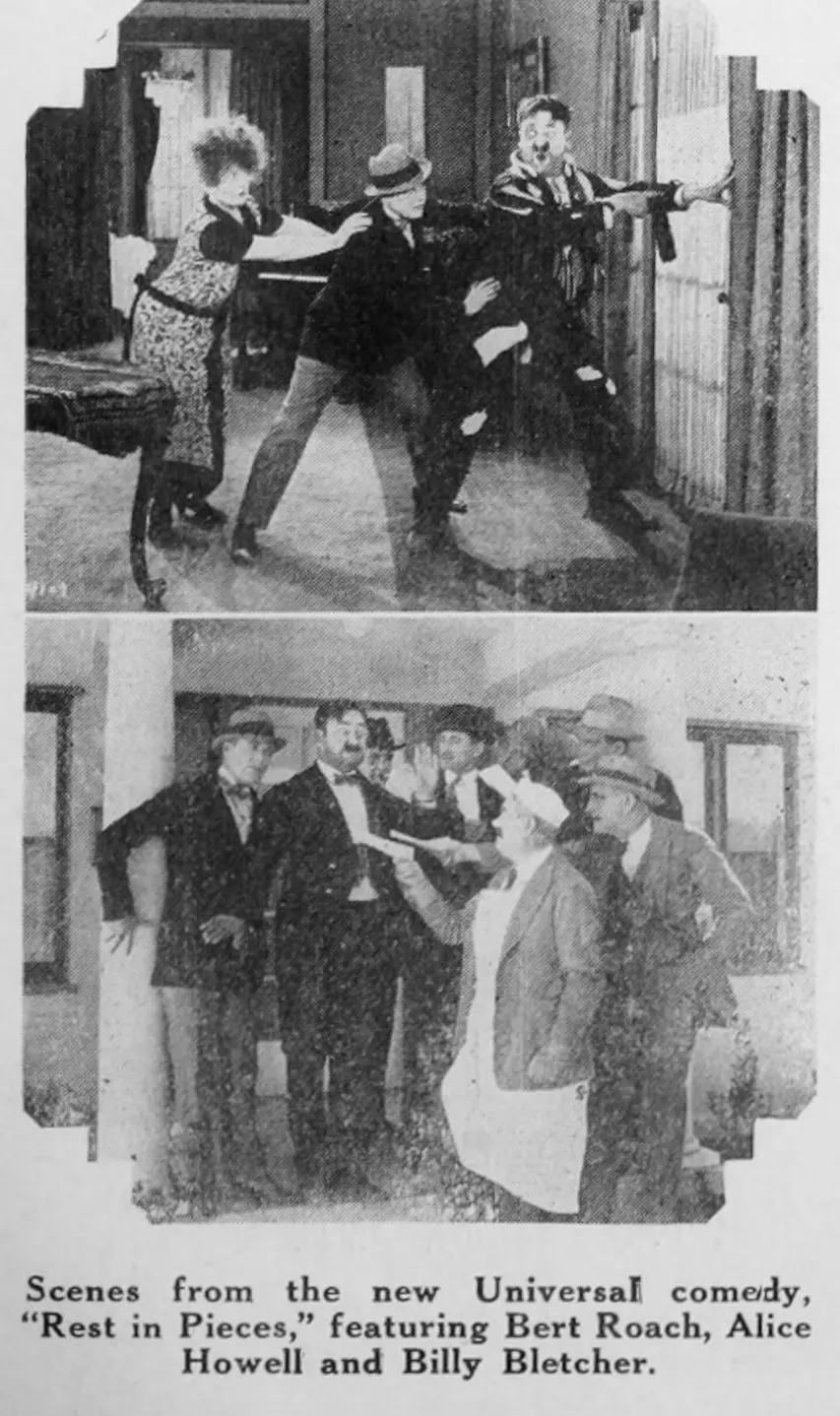
Bert Roach, a man tormented by an incessant headache, discovers an unlikely sanctuary in the quiet sounds emanating from an office in his own backyard. The serene ambiance is a stark contrast to the cacophony of spring-cleaning duties performed by his wife, Alice Howell. This juxtaposition sets the stage for a film that delves into the nuances of marital life and the mysterious allure of ambient noise.
William Watson, the writer, masterfully crafts a narrative that intertwines personal discomfort with the broader implications of sound in everyday existence. Bert's journey is a testament to how even the most mundane elements can have profound effects on our psychological states. The film captures a moment of respite in a chaotic world, highlighting the subtle ways in which our environments influence our well-being.
As the plot unfolds, the audience is treated to a series of interconnected scenes that weave a tapestry of emotions. From the soothing murmurs of office chatter to the disruptive clatter of household chores, each sound serves as a metaphor for the complex dynamics of married life. Alice, portrayed with a mix of frustration and empathy, navigates her commitment to both her domestic duties and her relationship with Bert.
The chemistry between Bert Roach and Alice Howell is palpable, adding depth to the characters and their interactions. Billy Bletcher, in his supporting role, brings a nuanced performance that enhances the film's thematic exploration. His portrayal of a neighbor with a penchant for disruptive activities adds layers to the narrative, illustrating the unpredictable nature of domestic harmony.
One of the film's most intriguing aspects is how it blurs the line between reality and fantasy. The soothing sounds, which initially offer Bert a moment of peace, eventually evolve into a source of tension. This shift underscores the film's central theme: the duality of comfort and discomfort in the pursuit of happiness.
Comparatively, 'Rest in Pieces' shares thematic similarities with films like 'Honor Among Men' and 'You Can't Fool Your Wife', both of which delve into the intricacies of marital relationships. However, where these films often focus on external conflicts and societal pressures, 'Rest in Pieces' zeroes in on the internal struggles and the personal sanctuary found in the most unexpected places.
The film's visual style is a reflection of its auditory focus. The cinematography captures the subtle interplay between light and shadow, mirroring the film's exploration of contrast and harmony. The use of natural light in the office scenes creates a sense of tranquility, while the more cluttered, artificial settings of the home convey a sense of disarray and discomfort.
Sound design plays a crucial role in the film's narrative. The contrast between the peaceful office sounds and the disruptive household noises is achieved through meticulous attention to detail. The film's score, composed by an unnamed musician, enhances the emotional landscape, subtly underscoring the characters' inner turmoil and moments of peace.
Overall, 'Rest in Pieces' is a thoughtful exploration of the unexpected sources of comfort in our lives. It challenges viewers to reconsider the role of sound in their own experiences and invites them to find solace in the most unlikely places. This film is a reminder that sometimes, the quietest sounds can have the greatest impact.
For those intrigued by the interplay of sound and emotion, 'Rest in Pieces' is a must-watch. It offers a fresh perspective on domestic life and the subtle forces that shape our daily experiences. Whether you're a fan of subtle dramas or films that explore the nuances of human emotion, this film is sure to resonate.
IMDb —
1917
Community
Log in to comment.