DbcultAccessing Vault...
6.1/10
Senior Film Conservator
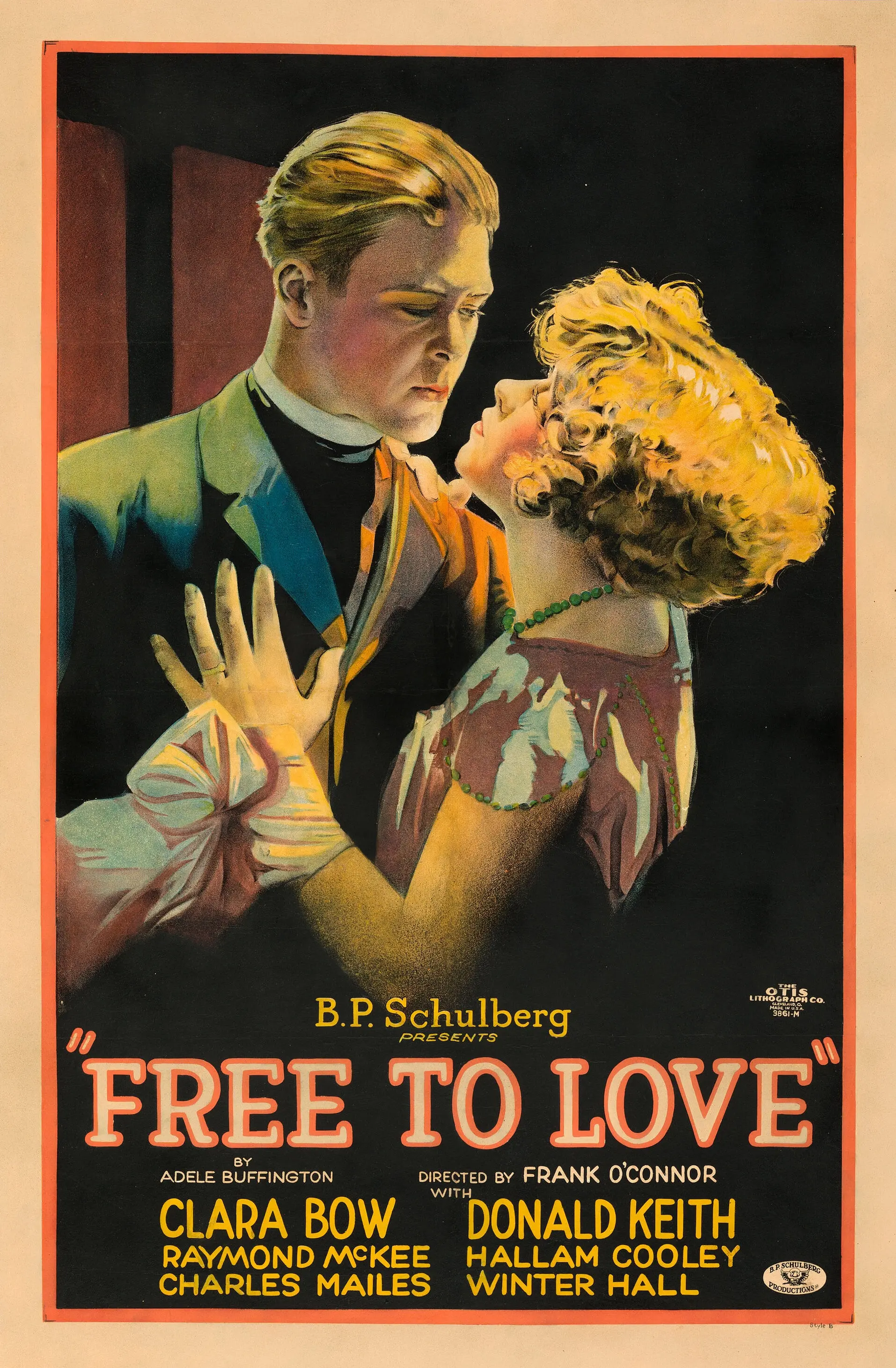
A definitive 6.1/10 rating for a film that redefined the boundaries of cult cinema. Free to Love remains a cornerstone of transgressive art.
Free to Love, a cinematic endeavor released in a bygone era, presents a narrative replete with the perennial themes of redemption, resilience, and the human condition. The film's protagonist, portrayed by the inimitable Clara Bow, is a young woman who has been wrongly sentenced to a reformatory. Upon her release, she finds solace in the assistance of a benevolent judge and an idealistic young minister, played by Donald Keith and Raymond McKee, respectively.
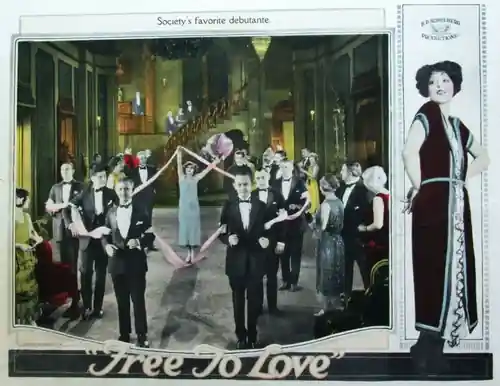
The synergy between these characters serves as a catalyst for the protagonist's nascent attempts to forge a new existence. Her journey is marked by an odyssey of self-discovery, as she navigates the complexities of her newfound freedom. The status quo is disrupted, however, by the machinations of a gang of nefarious individuals, who seek to subvert her fledgling life. This dichotomy between virtue and vice serves as a leitmotif, underscoring the tensions that permeate the narrative.
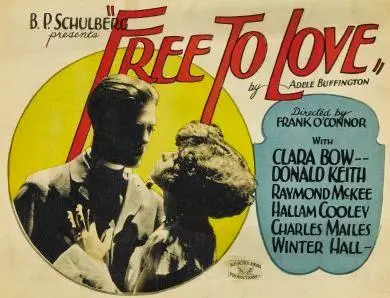
Upon closer examination, it becomes evident that Free to Love engages with motifs reminiscent of The Triumph of Love and The Detectress, films that similarly explore the intersections of morality, redemption, and personal agency. The auteur's deployment of a Deus ex machina narrative device, facilitated by the characters of the judge and the minister, serves to underscore the malleability of fate and the agency of the individual.
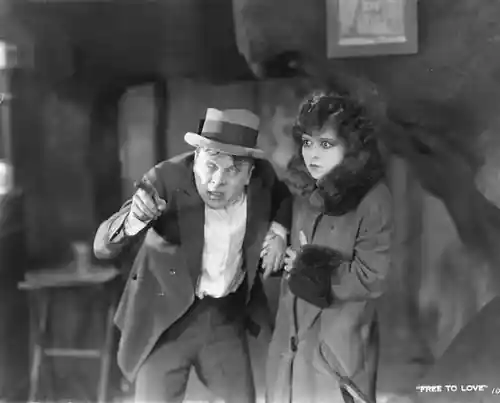
The cinematographic endeavors of Free to Love are characterized by a verisimilitude that imbues the narrative with a sense of veracity. The mise-en-scène, replete with period-specific accoutrements, serves to contextualize the narrative within a specific milieu. The performative aspects of the film, particularly the portrayal of the protagonist by Clara Bow, are noteworthy for their nuance and depth.
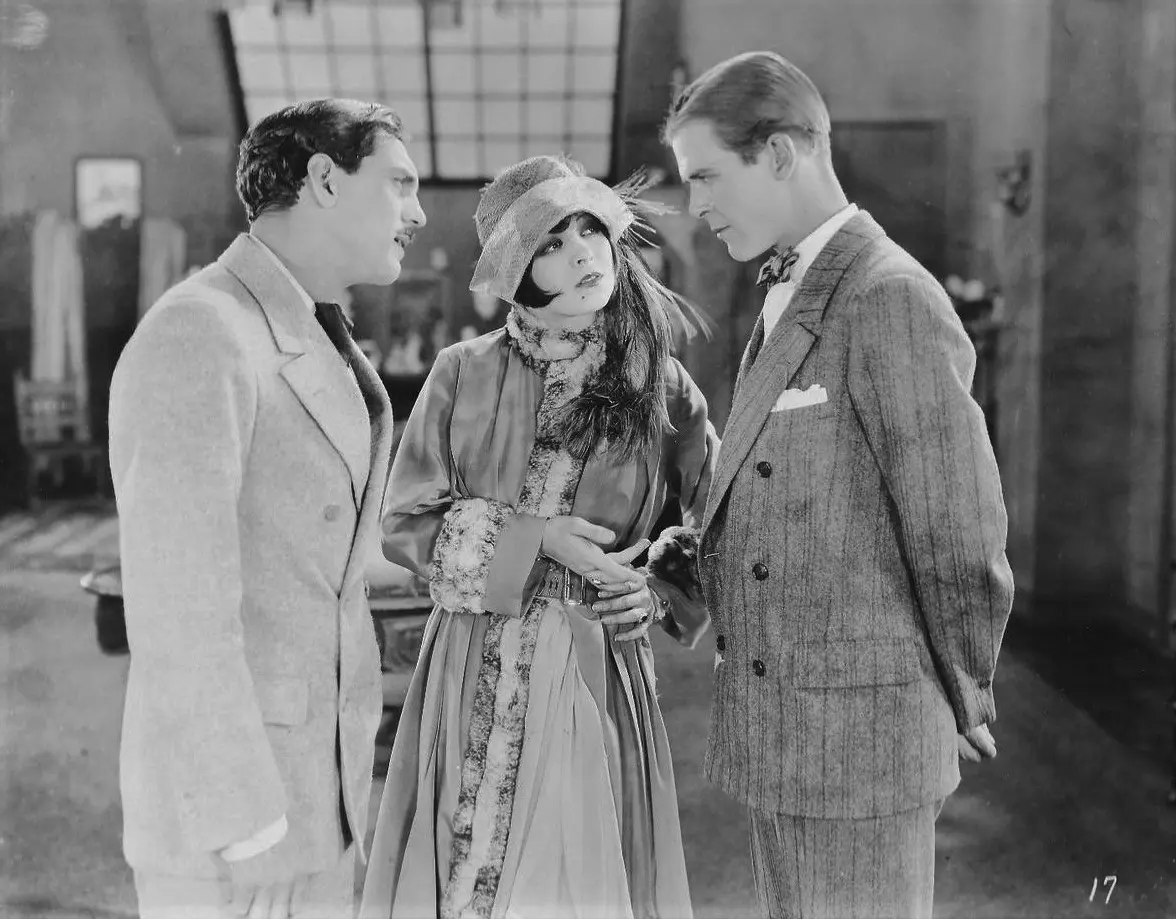
In a critical landscape dominated by films such as The Greek Interpreter and Channing of the Northwest, Free to Love distinguishes itself through its tonal complexity and narrative sophistication. The screenplay, penned by Adele Buffington, demonstrates a keen understanding of the dialectics of morality and the human condition.
The eponymous theme of Free to Love serves as a refrain, reiterating the notion that redemption and personal growth are contingent upon an individual's capacity for self-reflection and resilience. This leitmotif is echoed in films such as The Master Cracksman and Sky-Eye, which similarly explore the intersections of morality, agency, and personal growth.
In conclusion, Free to Love constitutes a tour de force of cinematic storytelling, replete with complex characters, nuanced performances, and a narrative that interrogates the human condition. This film, much like The Eye of Envy and Unknown Switzerland, invites the viewer to contemplate the aporias of morality and the vicissitudes of human existence.
The enduring appeal of Free to Love resides in its capacity to engage with zeitgeist-specific concerns, while simultaneously interrogating perennial themes that continue to resonate with contemporary audiences. As a cinematic artifact, it gestures towards the dialogical nature of film itself, highlighting the interstices between text, context, and viewer.
In an era characterized by an embarrassment of cinematic riches, Free to Love constitutes a must-see for aficionados of classic cinema. Its concatenation of themes, motifs, and performances serves to underscore the persisting relevance of this film, ensuring its continued pertinence for generations to come.
IMDb —
1921
Community
Log in to comment.