DbcultAccessing Vault...
Cult Review
Senior Film Conservator
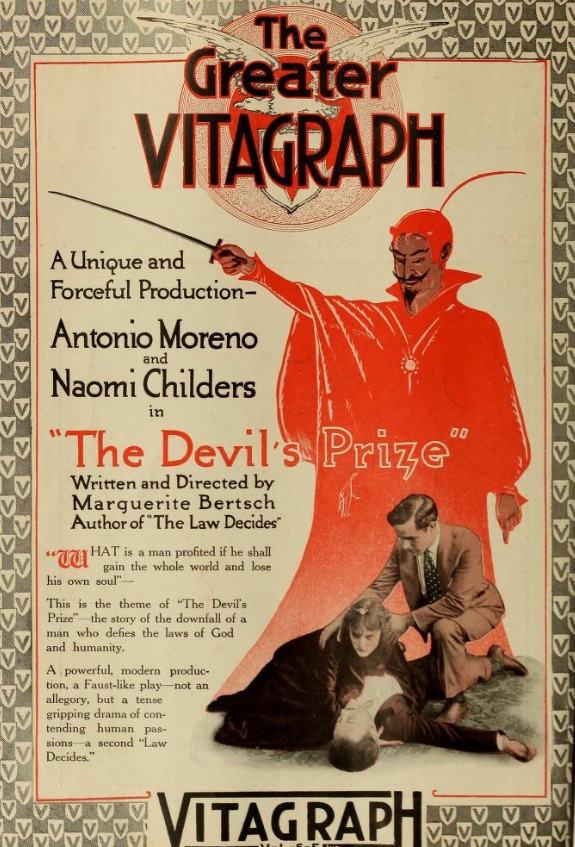
Step back into the nascent days of cinematic storytelling, where the grand gestures and poignant gazes of silent film conveyed narratives of profound human drama. Among the compelling offerings of this era, The Devil's Prize stands as a particularly stark and unforgiving morality play, a testament to writer Marguerite Bertsch's keen understanding of human frailties and the destructive power of unbridled ambition. This isn't a film that sugarcoats its themes; instead, it plunges headlong into the murky depths of betrayal, deceit, and the inexorable march of consequence, leaving an indelible mark on the viewer's psyche. It's a gripping silent epic that dissects the very soul of a man willing to sacrifice everything, including his humanity, at the altar of social ascension.
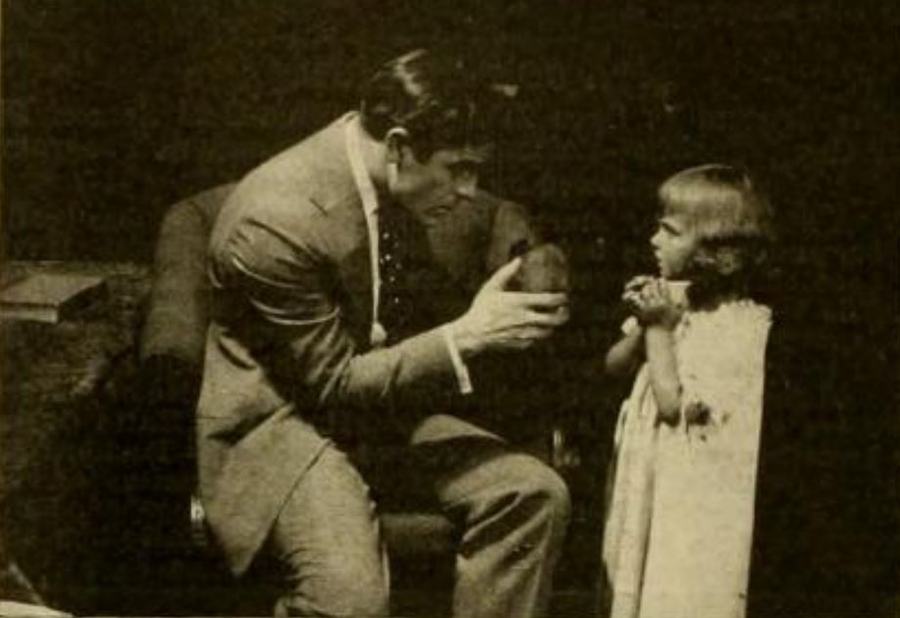
At the heart of this intricate web of deceit is Arnold St. Clair, portrayed with an unsettling blend of charm and calculating ruthlessness by Antonio Moreno. Moreno, a stalwart of the silent screen, brings a magnetic intensity to Arnold, allowing us to glimpse the insidious allure of his ambition even as we recoil from his actions. Arnold is not merely a villain; he is a tragically flawed individual, a product of societal pressures perhaps, but ultimately the architect of his own downfall. His initial transgression – abandoning the pregnant Myra – is a cold, pragmatic decision, devoid of sentiment, driven solely by the prospect of a more advantageous match. This act sets in motion a chain of events, each link forged in the fires of his relentless self-interest. Moreno’s performance is a masterclass in silent film acting; his expressions, though often subtle, betray the inner turmoil and the growing desperation beneath Arnold’s polished exterior. We see the glint of avarice in his eyes, the tightening of his jaw reflecting his resolve, and later, the creeping paranoia that begins to chip away at his composure. His portrayal makes Arnold a figure of both abhorrence and a strange, cautionary fascination.
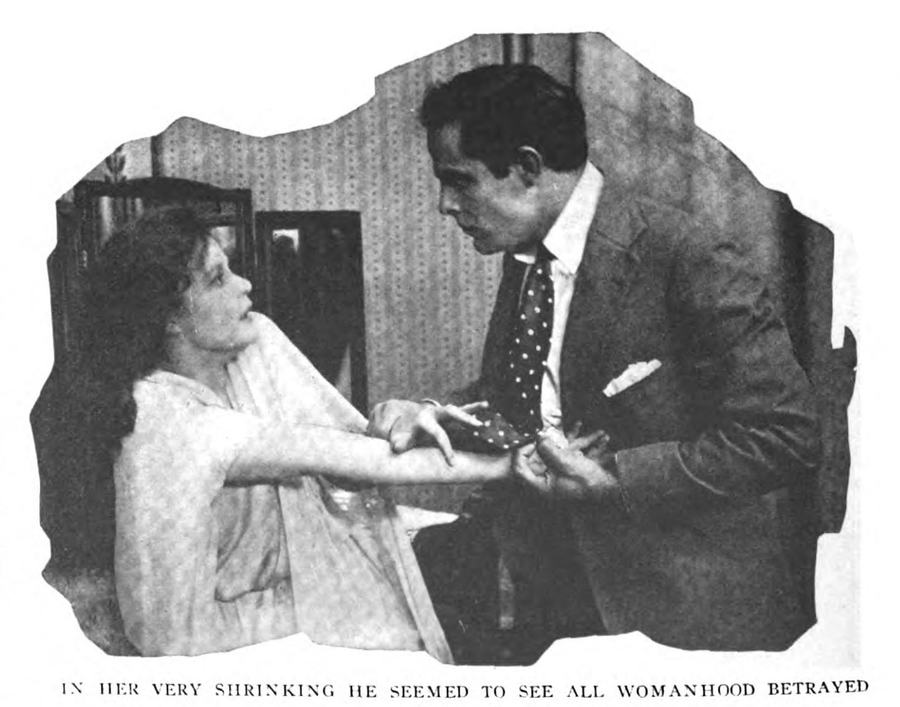
Opposite Moreno's Machiavellian Arnold stands Clio Ayres as Myra, the discarded lover. Ayres imbues Myra with a quiet strength and an inherent dignity that makes her plight all the more heart-wrenching. Her character arc is one of survival and maternal instinct, a stark contrast to Arnold's self-serving trajectory. Abandoned and pregnant, Myra's subsequent decision to marry Hugh Roland is not one of love, but of necessity – a desperate attempt to provide a secure future and a legitimate name for her unborn child. This act, while seemingly a solution, merely postpones the inevitable collision of their intertwined fates. Ayres’ performance conveys a profound sense of sorrow and determination, her eyes often reflecting the burden of her secret and her unwavering resolve to protect her offspring. Her sacrifices are palpable, drawing the audience into her emotional maelstrom. In an era where female characters were often relegated to damsels in distress, Myra emerges as a figure of quiet resilience, a woman navigating a world that has dealt her a cruel hand.
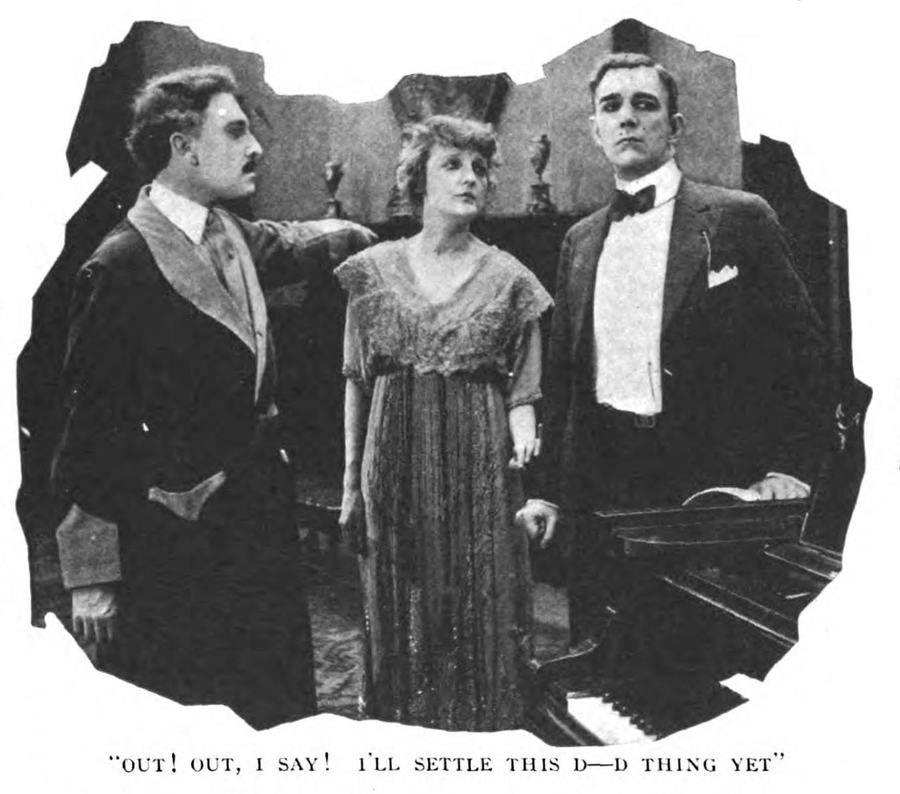
The narrative gains further complexity with the introduction of Adeline Stratton, played by Mildred Platz, and Hugh Roland, portrayed by Templar Saxe. Adeline is the innocent pawn in Arnold's game, a woman whose wealth is her primary appeal to him. Platz effectively conveys Adeline's naivete and her eventual heartbreak as the truth of her husband's perfidy slowly unravels. Her character serves as a tragic symbol of the collateral damage wrought by Arnold's ambition. Hugh Roland, on the other hand, is the quintessential good man, unsuspecting and honorable, who takes Myra and her child into his life, believing the child to be his own. Templar Saxe delivers a powerful performance, evolving from a benevolent, loving husband and father to a man consumed by righteous fury and a thirst for vengeance. The moment of his discovery of the child's true paternity is a seismic shift in the film's emotional landscape, transforming him into an unstoppable force. His rage is not merely personal; it is a primal scream against the injustice and profound betrayal he has suffered. This transformation is reminiscent of the moral reckonings seen in films like Judge Not; or the Woman of Mona Diggings, where societal judgment and personal honor collide with devastating force.
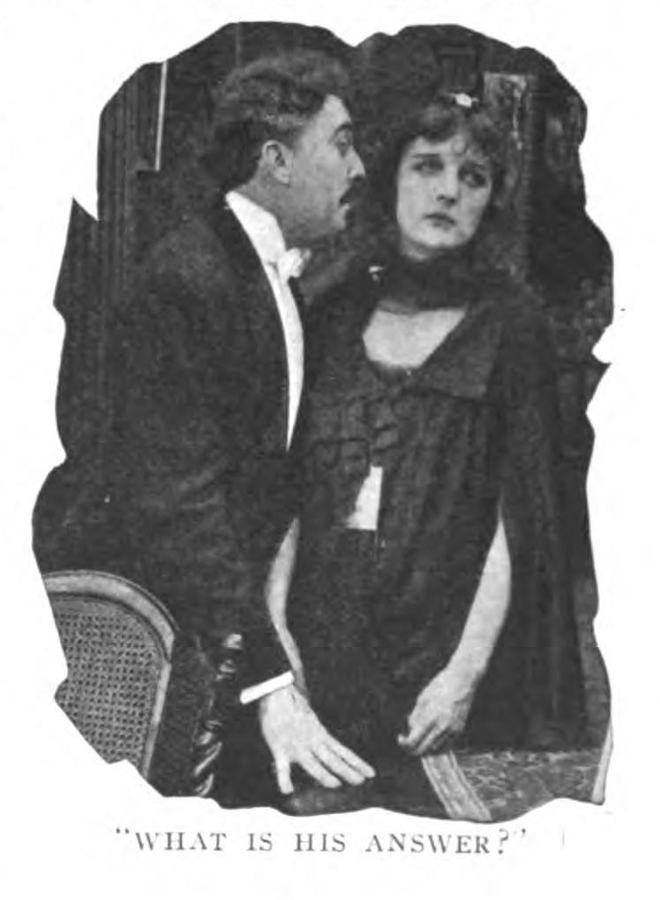
The narrative's tension ratchets up considerably with the character of Adeline's uncle, Mark, portrayed by Albert S. Howson. Mark is the sagacious observer, the man whose moral compass remains untainted, and whose investigative prowess unearths Arnold's carefully buried secret. His discovery of Arnold's past liaison with Myra, and the existence of their child, is the turning point that forces Arnold's hand into an act of ultimate desperation. To silence Mark and preserve his ill-gotten social standing, Arnold commits a heinous crime, crossing a line from moral bankruptcy into outright criminality. This desperate act underscores the film's central thesis: that once a path of deceit is chosen, it often necessitates increasingly darker deeds to maintain the illusion. The murder of Mark is a chilling moment, starkly illustrating the depth of Arnold's depravity and the high stakes of his charade. It's a grim parallel to the lengths characters go in films like The Dictator, where the pursuit of power often leads to ruthless and violent measures.
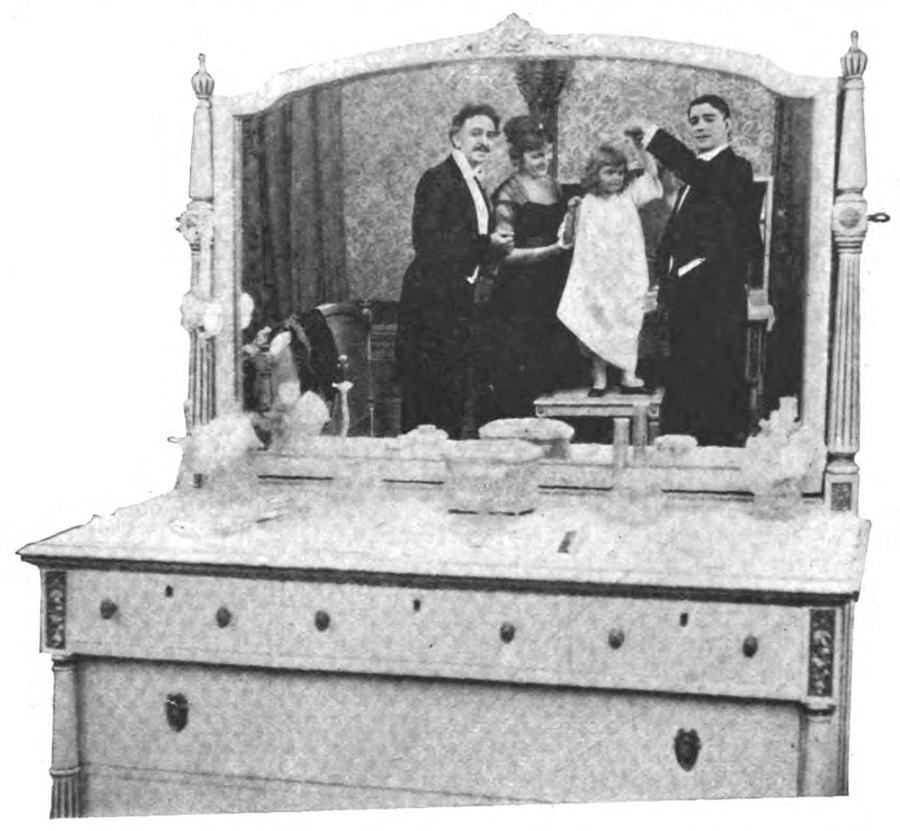
The intricate plotting and profound character development owe much to the masterful pen of Marguerite Bertsch. As a pioneering female writer in Hollywood, Bertsch crafted narratives that were often ahead of their time, exploring complex moral dilemmas and the psychological underpinnings of her characters. In The Devil's Prize, her writing demonstrates a sophisticated understanding of cause and effect, where every choice, no matter how small, has far-reaching and often devastating consequences. She doesn't shy away from the darker aspects of human nature, presenting a world where ambition can corrupt even the most outwardly respectable individuals. Her ability to weave together multiple storylines – Arnold's social climb, Myra's struggle, Hugh's unwitting paternity, and Mark's investigation – into a cohesive and increasingly tense narrative is truly commendable. Bertsch's work here, much like her contributions to other significant films of the era, showcases a powerful voice in early cinema, crafting stories that resonated deeply with contemporary audiences and continue to provoke thought today. Her thematic exploration of parental rights and societal judgment can be seen echoed in other socially conscious films of the period, such as Where Are My Children?, which similarly grappled with weighty moral questions.
The effectiveness of The Devil's Prize lies not just in its compelling narrative but also in its masterful use of silent film techniques. Without spoken dialogue, the burden of conveying emotion, intent, and subtext falls squarely on the actors' facial expressions, body language, and the judicious use of intertitles. The cast, under the direction of an unnamed but clearly capable hand, rises to this challenge admirably. Close-ups are employed to great effect, allowing the audience to witness the subtle shifts in emotion – a flicker of fear in Arnold's eyes, the quiet resignation in Myra's posture, or the burgeoning rage etched on Hugh's face. The dramatic staging and carefully composed shots enhance the narrative's tension, guiding the viewer's gaze and emphasizing critical moments. The intertitles, rather than simply relaying dialogue, often serve to provide crucial exposition or to highlight the moral implications of a scene, acting almost as a Greek chorus commenting on the unfolding tragedy. This intricate dance between visual storytelling and textual guidance creates an immersive experience, proving that silence can be profoundly eloquent. The film leverages the unique strengths of the medium to build suspense and convey complex psychological states, a quality shared by other intense dramas like Fine Feathers, which also relied heavily on visual storytelling to depict moral decay.
At its core, The Devil's Prize is a chilling exploration of the adage that 'what goes around comes around.' Arnold's pursuit of social status at any cost leads him down a path of increasing depravity, each choice further entangling him in a web of his own making. The film meticulously illustrates how one lie necessitates another, how one betrayal begets a cascade of suffering. The narrative builds with an almost suffocating sense of inevitability, as the audience watches, powerless, as Arnold's carefully constructed world crumbles around him. The theme of paternity, and the profound impact of its revelation, is particularly poignant, highlighting the sacred bonds of family and the devastating consequences of their violation. Hugh's righteous fury, though violent, feels earned, a visceral reaction to an unforgivable deception. The film doesn't offer easy answers or convenient resolutions; instead, it presents a stark vision of justice, where the 'devil's prize' ultimately demands a price far greater than any perceived gain. This relentless pursuit of justice and the moral weight of past actions resonate with the themes found in films such as Hell's Hinges, where characters are forced to confront the consequences of their choices in a harsh, unforgiving world.
While a product of its time, the enduring power of The Devil's Prize lies in its timeless themes. The allure of wealth and status, the corrosive nature of deceit, the strength of maternal love, and the pursuit of justice are all elements that continue to resonate with audiences today. The film serves as a potent reminder that moral compromises, however small they may seem at the outset, can lead to catastrophic outcomes. The performances by Antonio Moreno, Clio Ayres, and Templar Saxe remain compelling, showcasing the profound artistry of silent film actors who could convey entire emotional landscapes with a glance or a gesture. Marguerite Bertsch's incisive writing ensures that the narrative remains taut and emotionally charged throughout. Even in an era saturated with cinematic spectacles, the raw, human drama of The Devil's Prize distinguishes it as a significant piece of film history, a powerful and cautionary tale that continues to speak volumes without uttering a single word. It invites contemplation on the true cost of ambition and the inescapable nature of one's past. For those interested in the foundational narratives of early cinema, and particularly those exploring complex moral quandaries, this film is an essential viewing, standing proudly alongside other dramas of the period like The Man Who Stood Still in its examination of human character under duress. It is a testament to the fact that compelling storytelling, regardless of the technological advancements, will always find its audience and leave a lasting impression.
IMDb 5.4
1917
Community
Log in to comment.