DbcultAccessing Vault...
Cult Review
Senior Film Conservator
Stepping back into the hallowed, hushed halls of early 20th-century cinema, one encounters a narrative tapestry woven with the potent threads of love, revenge, and industrial ambition: The Heart of a Rose. This silent-era gem, penned by the prolific Langford Reed, plunges viewers into a world where personal vendettas simmer beneath the surface of burgeoning industry, and where the delicate bloom of affection threatens to be crushed by the weight of inherited grievances. Far from a simple romantic drama, this film is a profound exploration of identity, loyalty, and the often-destructive pursuit of justice, meticulously crafted to evoke deep emotional responses without uttering a single spoken word. It stands as a testament to the power of visual storytelling, a complex melodrama that demands thoughtful engagement from its audience, inviting them to decipher the unspoken dialogues and feel the raw intensity of its characters' plights.
At its core, The Heart of a Rose masterfully orchestrates a quintessential melodramatic conflict. We are introduced to Rose, an adopted child living under the protective, yet perhaps unknowingly complicated, wing of a powerful iron founder. Her world, seemingly stable, is soon upended by the arrival of Julian, the sharp, enigmatic manager working for her adoptive father's fiercest industrial rival. Their initial attraction blossoms with an almost fated urgency, yet this burgeoning romance is shadowed by a truth of monumental proportions: Julian is, in fact, the founder's legitimate son, a secret he has guarded with a steely resolve. His presence is not merely a twist of fate, but a carefully calculated infiltration, driven by a solemn vow to avenge his deceased mother, whose tragic fate he attributes to the founder. This revelation transforms the innocent romantic dalliance into a high-stakes psychological battleground. The film expertly navigates the moral ambiguities of Julian’s quest, forcing the audience to grapple with the justifiable anger of a wronged son against the potentially devastating consequences for those caught in the crossfire, particularly Rose. Her love for Julian becomes a crucible, testing the boundaries of her loyalty to the man who raised her and the man who has captured her heart, both unknowingly bound by a shared, bitter history. The narrative's strength lies in its ability to build this tension incrementally, each lingering glance, each hesitant gesture, adding another layer to the intricate web of deceit and burgeoning affection. It is a testament to Langford Reed’s narrative craftsmanship that this complex familial drama unfolds with such compelling clarity, even without spoken dialogue. The story echoes the intricate social dynamics found in films like His Daughter's Second Husband, where concealed pasts inevitably collide with present lives, but here, the industrial backdrop adds a layer of economic ruthlessness to the personal vendetta.
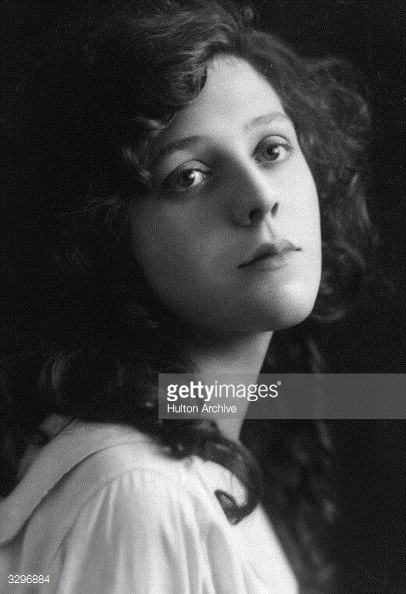
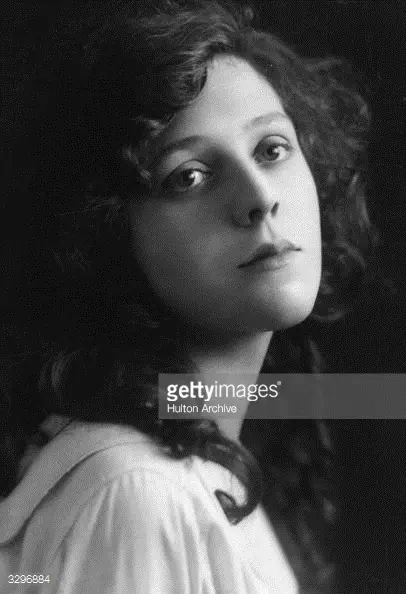
The silent era demanded a unique breed of actor, one capable of conveying profound emotion and intricate thought through gesture, facial expression, and physical presence alone. The cast of The Heart of a Rose rises to this challenge with remarkable aplomb. Stella Muir, as Rose, delivers a performance of exquisite vulnerability and inner strength. Her eyes, often wide with burgeoning love or clouded by dawning realization, become windows to her soul, allowing the audience to feel the full spectrum of her emotional journey. She portrays the adopted child caught in an impossible bind with a heartbreaking authenticity that transcends the medium's limitations. Muir’s ability to convey conflicting loyalties—her gratitude towards her adoptive father juxtaposed with her deep affection for Julian—is particularly compelling. Her quiet dignity in the face of escalating conflict is a masterclass in understated silent acting. Henry Victor, in the pivotal role of Julian, embodies the tormented avenger with a brooding intensity. His portrayal deftly balances the character’s strategic cunning with the underlying pain that fuels his quest. Victor avoids the trap of caricature, instead crafting a nuanced individual whose vengeful actions stem from a deeply felt sense of injustice. One can discern the internal struggle in his tightly set jaw or the fleeting shadow in his gaze, hinting at the moral cost of his chosen path. His performance brings to mind the compelling, often morally ambiguous anti-heroes seen in works like Sentenced for Life, where a character's past dictates their fraught present. Joan Langford Reed, Douglas Payne, and Edward Thilby, though perhaps with less screen time, contribute significantly to the film’s atmospheric depth. Langford Reed, in particular, adds layers of gravitas or menace depending on her character's role, her presence often commanding attention even in static shots. Payne and Thilby, as the opposing industrial figures, skillfully delineate the cutthroat rivalry that provides the backdrop for the personal drama, their expressions of power, suspicion, and eventual defeat painted with broad, yet effective, strokes. The ensemble’s collective effort ensures that the emotional core of the narrative is always palpable, pulling the viewer into the intricate web of relationships and betrayals.
Langford Reed, not only the writer but also a key creative force behind The Heart of a Rose, demonstrates a keen understanding of cinematic language, particularly for an era still experimenting with its expressive capabilities. The direction is marked by a deliberate pace, allowing the dramatic tension to build organically rather than relying on rapid-fire edits. This thoughtful pacing gives the audience ample opportunity to absorb the visual cues and interpret the characters’ internal states. Reed’s use of mise-en-scène is particularly noteworthy, with the industrial settings—the towering foundries, the smoke-choked skies—serving as powerful visual metaphors for the harsh realities and ethical compromises inherent in the world of the iron magnates. These backdrops are not mere scenery; they are active participants in the narrative, reflecting the grit and struggle of the characters’ lives. Close-ups are employed judiciously, amplifying moments of emotional intensity, drawing the viewer into the intimate struggles of Rose and Julian. The cinematography, while perhaps lacking the sweeping grandeur of some contemporaneous epics, is effective in its stark realism, capturing the textures of the industrial landscape and the subtle nuances of human emotion. The lighting, too, plays a crucial role, often casting characters in revealing shadows or illuminating their faces with a stark clarity that underscores their vulnerability or determination. This aesthetic choice aligns with the thematic weight of the film, where truth and deception constantly battle for supremacy. Compared to the more overtly expressive visual style of a film like Alraune und der Golem, which often leaned into expressionistic techniques for dramatic effect, The Heart of a Rose opts for a more grounded, albeit still heightened, realism. The overall visual design effectively communicates the film’s central conflicts, ensuring that the audience is not just told a story, but experiences it through a carefully constructed visual grammar.
While undeniably a melodrama, The Heart of a Rose transcends its genre by delving into themes that possess enduring relevance. The central conflict between love and loyalty forms the emotional backbone of the narrative. Rose's predicament—torn between her adoptive father and her true love, who is also her father's avowed enemy—explores the profound ethical dilemmas that arise when personal affections clash with deeply ingrained obligations. This internal struggle is portrayed with a sensitivity that elevates it beyond mere theatricality. Furthermore, the film offers a compelling examination of justice versus revenge. Julian’s quest is born from a legitimate grievance, yet his chosen path of clandestine infiltration and calculated sabotage raises questions about the true cost of retribution. Does vengeance truly bring peace, or does it merely perpetuate a cycle of suffering? This moral ambiguity adds significant depth to his character and the overall narrative, inviting viewers to ponder the complexities of human motivation. The industrial setting itself is not merely a backdrop but a thematic element. It symbolizes the often-ruthless pursuit of wealth and power, where personal relationships can be sacrificed at the altar of commercial dominance. The rivalry between the iron founders mirrors the personal animosity, suggesting that the drive for supremacy, whether in business or in personal vendettas, can be equally destructive. This intertwining of personal and professional conflict is a recurring motif in silent films dealing with societal shifts, much like the tensions explored in The Explosion of Fort B 2, albeit with a focus here on individual rather than collective struggle. The film also subtly touches upon themes of identity and belonging. Rose, as an adopted child, navigates a world where her origins are obscured, making her search for love and acceptance all the more poignant. Julian, too, struggles with his true identity, forced to live a lie in pursuit of his mission. These layers of thematic richness ensure that The Heart of a Rose is more than just a historical curiosity; it is a work that continues to resonate with its exploration of universal human dilemmas.
To fully appreciate The Heart of a Rose, one must place it within the vibrant, rapidly evolving landscape of early 20th-century cinema. The silent era, often unfairly dismissed as primitive, was in fact a period of immense creative innovation and popular appeal. Films like this one were the primary form of mass entertainment, captivating audiences with their grand narratives and expressive performances. The melodrama, in particular, was a dominant genre, perfectly suited to the visual storytelling techniques of the time. The heightened emotions, clear moral dichotomies (though nuanced here), and dramatic reversals were eagerly consumed by a public eager for compelling escapism. Comparing The Heart of a Rose to its contemporaries reveals both its adherence to established tropes and its unique strengths. Its narrative of concealed identity and romantic entanglement, for instance, shares thematic DNA with films such as A Continental Girl or Rosie O'Grady, both of which explored the complexities of love across social or personal divides. However, the specific industrial backdrop and the deep-seated revenge motive lend The Heart of a Rose a grittier, more grounded feel than some of its purely romantic counterparts. The film’s exploration of class and industrial rivalry might draw parallels with the social commentaries implicit in films like Mascamor, which also touched upon societal structures and conflicts. The suspenseful elements, particularly Julian’s clandestine operations, resonate with the dramatic tension found in thrillers of the period, such as The Midnight Stage or The Invisible Enemy, albeit integrated into a more personal drama here. Even films like Höhenluft, while perhaps different in setting, often explored characters grappling with significant internal or external pressures, a common thread throughout the era. The emphasis on character-driven conflict and emotional depth also finds echoes in A Model's Confession, where personal secrets drive much of the drama. Langford Reed’s writing, while rooted in common tropes, manages to infuse the story with a particular earnestness and moral complexity that elevates it. It avoids the more simplistic moralizing sometimes found in period pieces, instead presenting characters who are flawed yet understandable. This film, therefore, serves as an excellent example of the silent era’s capacity for sophisticated storytelling, showcasing how directors and actors, through sheer artistry, could convey profound human experiences without the aid of spoken dialogue or advanced sound technology. It reminds us that the foundational elements of compelling cinema—strong narrative, evocative performances, and thoughtful direction—were already firmly in place, even in these nascent years of the art form.
In conclusion, The Heart of a Rose is more than just a relic from a bygone cinematic age; it is a compelling piece of dramatic artistry that continues to hold sway over those willing to engage with its particular language. Its intricate plot, brought to life by the committed performances of Stella Muir and Henry Victor, ensures that the emotional stakes are always high. Langford Reed’s directorial hand guides the narrative with precision, utilizing the visual medium to its fullest expressive potential. The film’s thematic explorations of love, loyalty, revenge, and the societal pressures of industry remain pertinent, offering insights into human nature that transcend the specific historical context. For students of film history, it provides a valuable window into the craftsmanship and narrative sophistication of the silent era. For casual viewers, it offers a dramatic, emotionally charged experience that proves the enduring power of classic storytelling. While it may not possess the epic scale of some of its contemporaries, its strength lies in its intimate focus on character and the profound dilemmas they face. Much like the delicate yet resilient flower of its title, The Heart of a Rose, despite the passage of time, retains its beauty and its thorns, reminding us of the intricate, often painful, processes by which human hearts are forged and ultimately, sometimes, healed. Its quiet power resonates, urging us to consider the echoes of the past and the enduring quest for both justice and reconciliation.
IMDb 3.4
1927
Community
Log in to comment.