DbcultAccessing Vault...
6.4/10
Senior Film Conservator
A definitive 6.4/10 rating for a film that redefined the boundaries of cult cinema. Captain Kidd's Kids remains a cornerstone of transgressive art.
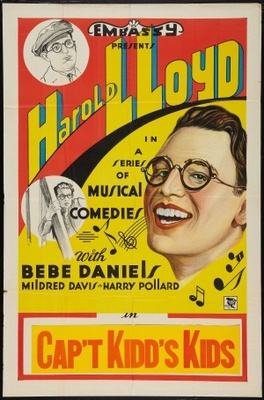
Stepping into the maelstrom of early silent cinema, one often encounters a peculiar magic, a kinetic energy that transcends the lack of spoken dialogue. Among these treasures, Captain Kidd's Kids, a delightful romp from 1919, stands as a testament to the ingenuity and sheer comedic force of its era. This isn't merely a film; it's a vibrant, boisterous journey into the subconscious anxieties of a man on the cusp of matrimony, filtered through a lens of slapstick and surrealism. Directed by Fred C. Newmeyer, who also makes an appearance in the sprawling cast, and penned by H.M. Walker, the picture captures the frenetic pace and inventive gags that would define the golden age of silent comedy. At its heart lies the inimitable Harold Lloyd, a performer whose iconic spectacles and earnest demeanor masked a boundless capacity for physical comedy and perfectly timed reactions.
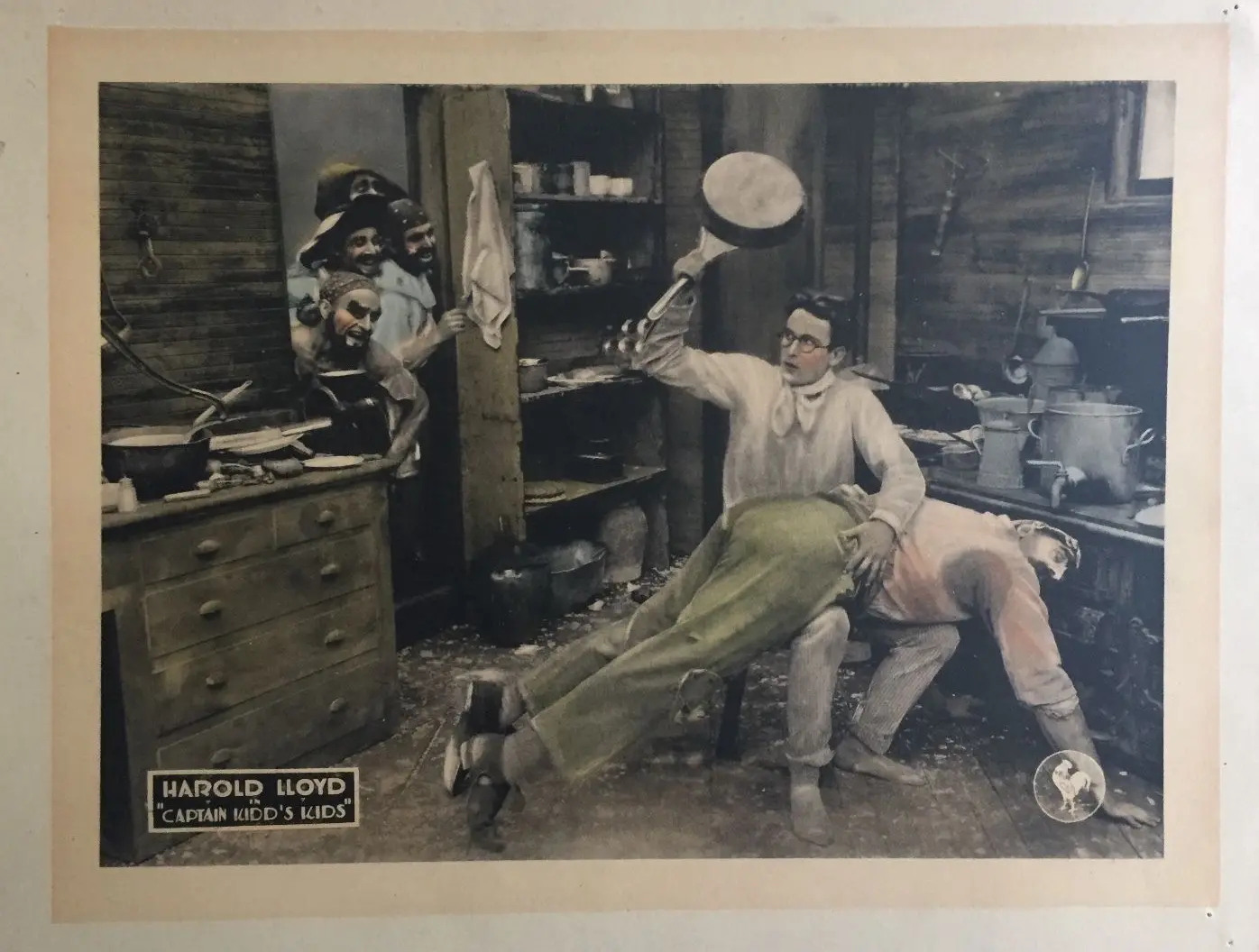
The film plunges us headfirst into the aftermath of a bachelor party, a universal rite of passage that, in the hands of these cinematic pioneers, becomes a springboard for utter chaos. Our hero, played with characteristic charm and escalating bewilderment by Lloyd, awakes to find himself not in the familiar comfort of his own bed, nor even in the predictable confines of a friend's sofa, but rather adrift, quite literally, on a sailing vessel. This initial disorientation sets the stage for a series of escalating misadventures, each more improbable and hilarious than the last. The transition from terrestrial revelry to nautical purgatory is executed with a briskness that belies the complexity of its comedic implications. It speaks to a primal fear of losing control, of being swept away by forces beyond one's understanding, a sentiment that resonates even a century later. Lloyd's portrayal here is a masterclass in controlled panic, his wide eyes and flailing limbs articulating more than any line of dialogue ever could.
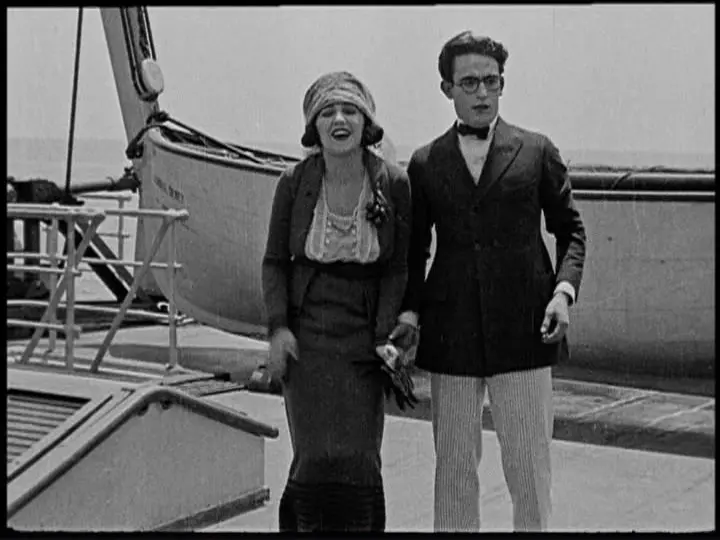
The supporting ensemble, a veritable who's who of silent-era stalwarts, elevates the proceedings considerably. Bebe Daniels, a frequent and brilliant collaborator with Lloyd, brings her customary vivacity and sharp comedic timing to the screen, though her role here is more foundational to the protagonist's impending marital bliss than to the immediate nautical hijinks. Figures like Noah Young and 'Snub' Pollard, stalwarts of physical comedy, punctuate the narrative with their distinctive brand of visual humor, each contributing to the escalating pandemonium aboard the ship. Their interactions with Lloyd's increasingly flustered character are a ballet of bumps, tumbles, and near-misses, a testament to the meticulous choreography required for such seemingly spontaneous mayhem. The film's pacing is relentless, a rapid-fire succession of gags that leaves little room for contemplation, only laughter.
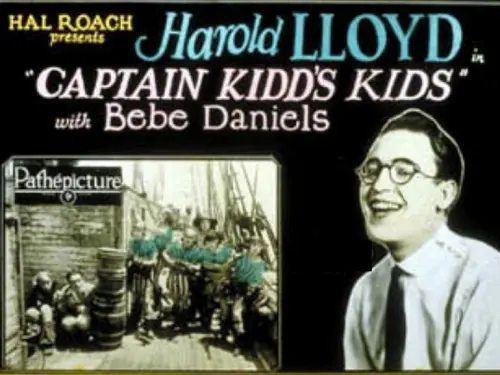
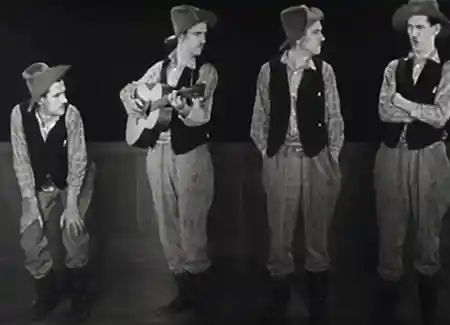
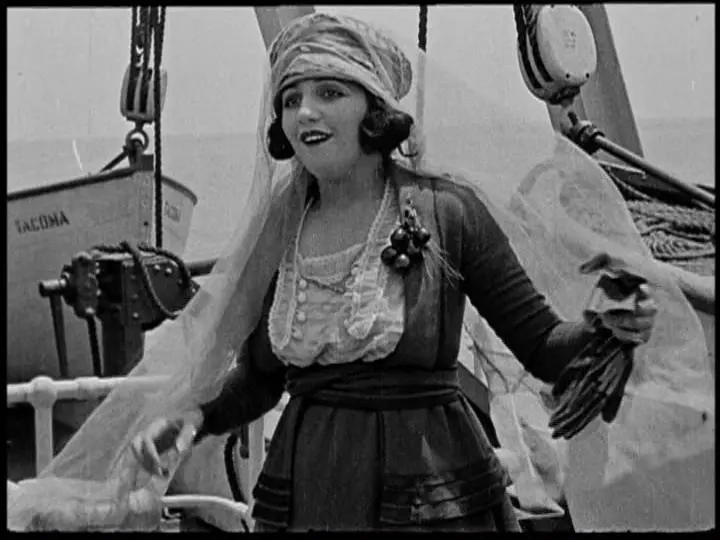
What truly distinguishes Captain Kidd's Kids, however, is its audacious dive into the realm of the surreal, manifested through an extended and utterly captivating dream sequence. As the protagonist grapples with his waking nightmares on the ship, his subconscious takes flight, transforming the mundane vessel into the stage for an epic confrontation. The ship, in his dream, is seized by a formidable band of female pirates, a striking reversal of traditional buccaneer tropes. This is where the film truly shines, transcending mere slapstick to explore deeper comedic and even proto-feminist themes. The image of a ship overrun by fierce, sword-wielding women, led by figures like Marie Benson and Floyce Brown, is not only visually arresting but also thematically rich. It speaks to the anxieties surrounding marriage, the perceived loss of freedom, and perhaps, a playful subversion of gender roles that was remarkably progressive for its time.
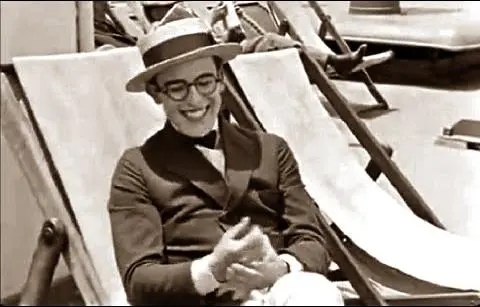
The dream sequence is a masterclass in visual storytelling, utilizing the nascent techniques of special effects to craft a world both fantastical and deeply comical. The female pirates, far from being mere caricatures, exude a powerful, almost anarchic energy. They are not just antagonists; they are symbols of the untamed, the unpredictable, forces that threaten to capsize the protagonist's carefully constructed world. This segment of the film allows Lloyd to explore a different facet of his comedic genius, one that blends physical prowess with a sense of bewildered awe. He is no longer just the victim of circumstance but a participant in a grand, absurd spectacle, battling against a tide of formidable women who are both alluring and terrifying in equal measure. The chaotic sword fights and daring escapes within this dream world are choreographed with an exhilarating precision, demonstrating that even in the realm of the subconscious, comedic timing is paramount.
Comparing Captain Kidd's Kids to other works of the era, one can see its unique position. While films like Flappers and Friskies might capture the youthful exuberance of the 1920s, Captain Kidd's Kids delves into a more specific, almost psychological, brand of humor. It's less about the general zeitgeist and more about the individual's internal struggle projected onto a grand, external stage. Unlike the more dramatic or epic silent films, such as The Great Victory, Wilson or the Kaiser? The Fall of the Hohenzollerns or the poignant romance of Eternal Love, this film embraces pure, unadulterated escapism and comedic invention. It prioritizes laughter above all else, using its narrative framework as a mere scaffold for increasingly elaborate gags and visual puns. The film doesn't seek to impart a profound message in the same vein as more serious dramas; its profundity lies in its ability to transport the audience into a realm of joyous absurdity.
The sheer physical commitment of the cast, especially Harold Lloyd, is awe-inspiring. Every fall, every chase, every comedic beat is executed with a precision that belies the inherent dangers of early filmmaking. The contributions of figures like Helen Gilmore, Phoebe Hunt, and Bobbie West, among the numerous female performers, are crucial to establishing the vibrant, often formidable presence of the pirate crew. Their collective energy imbues the dream sequence with a palpable sense of excitement and danger, making the protagonist's plight all the more comically desperate. The dynamism of the ensemble is a testament to the collaborative spirit of silent-era productions, where each performer understood their role in contributing to the overall comedic rhythm. Even smaller roles, filled by talents such as Fred C. Newmeyer himself, John M. O'Brien, and Sammy Brooks, contribute to the tapestry of chaos, each face a reaction shot, each movement a potential gag.
What's particularly fascinating about Captain Kidd's Kids is its enduring relevance. While the specific anxieties of a 1919 bachelor might seem quaint today, the underlying themes of escapism, the fear of commitment, and the power of the subconscious are timeless. The film taps into a universal human experience – the desire to escape the mundane, even if only in a dream, and confront one's fears in a grand, theatrical manner. The use of the dream sequence, a narrative device that would become a staple in cinema, is handled here with a charming naiveté that only enhances its appeal. It’s a bold creative choice that elevates the film beyond a simple chase comedy, transforming it into something more akin to a fantastical voyage into the psyche.
The film’s production values, while perhaps modest by today's standards, were indicative of the era’s burgeoning ambition. The sets, though likely studio-bound, effectively convey the rocking and rolling of a ship at sea, aided by clever camera work and the actors' convincing physical performances. The costumes for the female pirates, in particular, are a highlight, contributing significantly to the visual spectacle of the dream sequence. They are both empowering and playfully provocative, perfectly encapsulating the subversive spirit of that segment. The meticulous attention to detail in the gags, from the smallest prop malfunction to the grandest physical pratfall, showcases the craftsmanship that went into these early comedies. It's a reminder that even without the benefit of sound or elaborate CGI, filmmakers were capable of conjuring immersive and utterly hilarious worlds.
The comedic legacy of Harold Lloyd is profoundly evident in Captain Kidd's Kids. His ability to blend the everyman persona with extraordinary physical feats made him a relatable yet aspirational figure. He wasn't the overtly aggressive prankster of some contemporaries, nor the melancholic clown; Lloyd was the earnest striver, the ordinary man thrust into extraordinary circumstances. This particular film highlights his capacity for sustained physical comedy, not just in isolated gags, but as a continuous thread throughout the narrative. From his initial confusion to his valiant, if often clumsy, attempts to navigate the ship and later, to fend off the pirate horde, Lloyd is always in motion, always reacting, always generating laughter through his sheer, unflagging energy.
Ultimately, Captain Kidd's Kids is far more than a historical curiosity; it's a vibrant, laugh-out-loud comedy that continues to charm and entertain. It serves as a brilliant showcase for Harold Lloyd's burgeoning talent and the inventive spirit of early silent cinema. It reminds us that sometimes, the greatest adventures begin not with a grand plan, but with a hangover and an unexpected voyage. The film's audacious blend of reality and dream, of slapstick and surrealism, makes it a unique entry in the comedic canon. It's a testament to the power of imagination and the enduring appeal of a good, old-fashioned, high-seas romp. For anyone seeking a glimpse into the joyful anarchy of early film comedy, this nautical caper is an essential watch, a vibrant splash of dark orange, yellow, and sea blue in the monochrome world of silent film, proving that even a century later, a good laugh is truly timeless.
IMDb —
1915
Community
Log in to comment.