DbcultAccessing Vault...
Cult Review
Senior Film Conservator
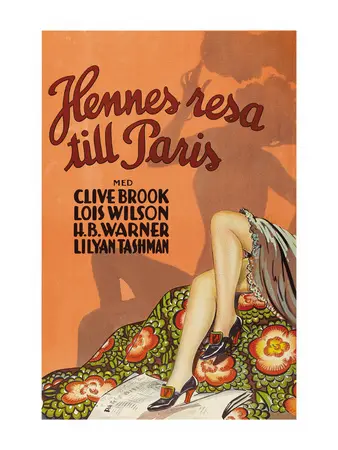
Is French Dressing worth watching today? Short answer: yes, but with a significant asterisk. This 1920s romantic comedy offers a fascinating, often humorous, glimpse into societal mores and marital expectations of its era, making it a valuable historical artifact as much as it is a piece of entertainment.
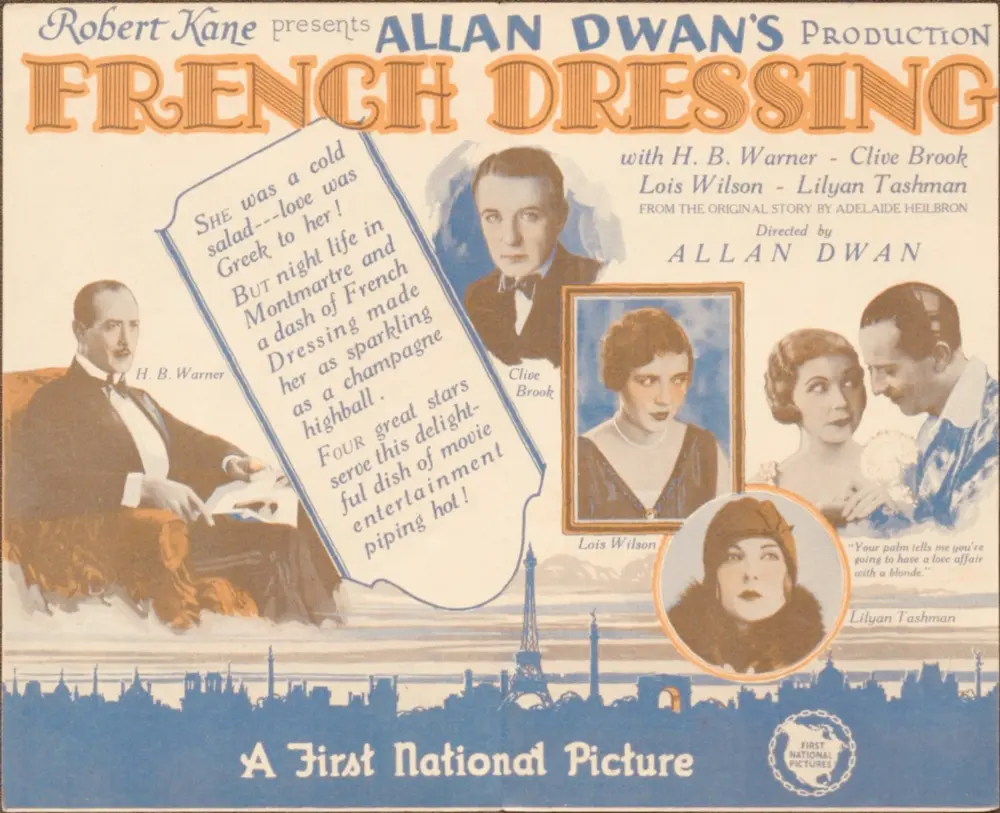
It's a film for those with a genuine appreciation for early cinema, a keen eye for social commentary, and a willingness to engage with storytelling conventions that predate modern sensibilities. However, if you're seeking a fast-paced, emotionally complex narrative with contemporary pacing, this film is decidedly not for you.
This film works because its central premise—the liberation found abroad and the re-evaluation of domesticity—remains surprisingly potent. It taps into universal desires for personal growth and romantic rekindling. The subtle performances, particularly from Lois Wilson as Cynthia, elevate what could have been a simplistic farce into something more genuinely affecting.
This film fails because its comedic beats, while charming for their time, often feel dated, and the pacing can be a challenge for modern audiences accustomed to rapid-fire storytelling. The resolution, while fitting for its era, might strike some as a little too neat, perhaps even a regression for the liberated female protagonist.
You should watch it if you're a film historian, a silent film enthusiast, or someone intrigued by how gender roles and marital dynamics were portrayed a century ago. It’s a compelling look at the cultural anxieties and aspirations of the Jazz Age, wrapped in a deceptively light package.
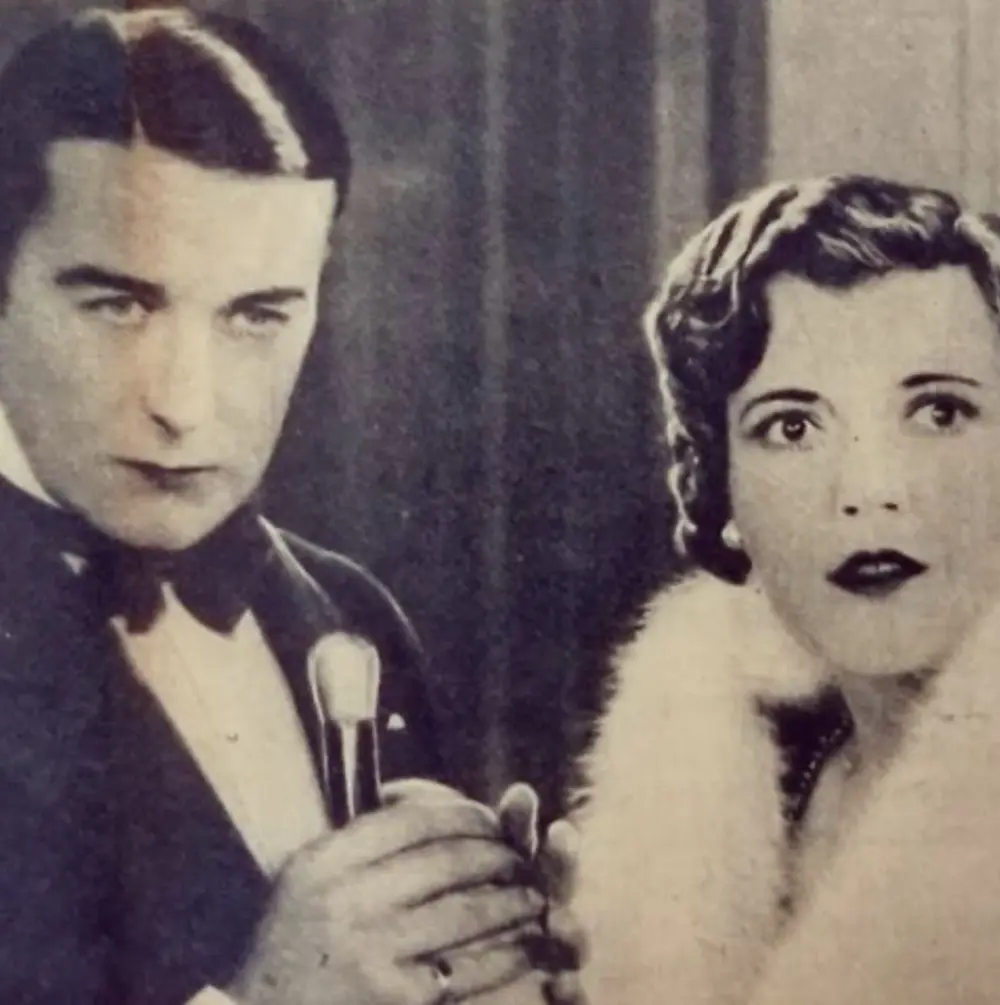
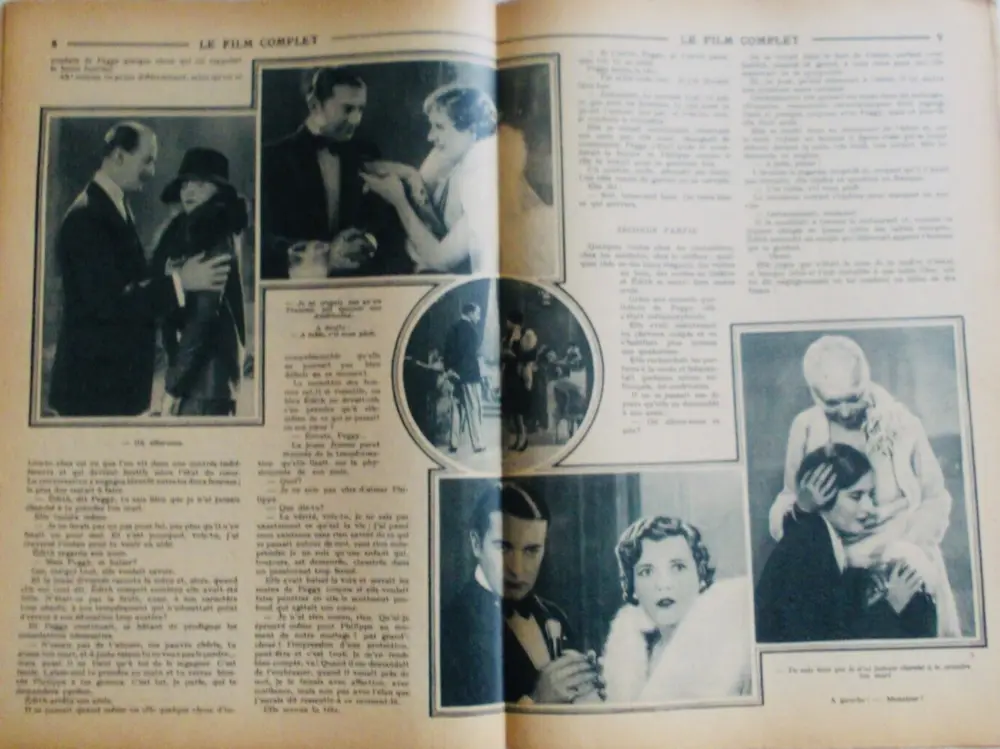
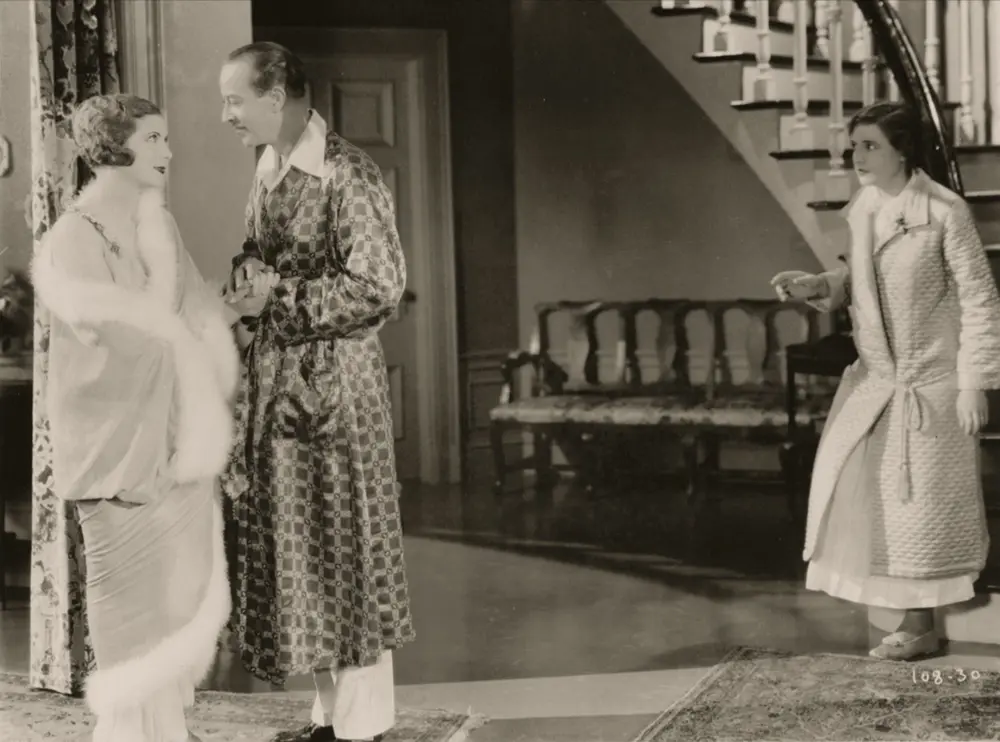
At its heart, French Dressing is a study in contrasts: the suffocating propriety of Boston versus the liberating effervescence of Paris. The film opens in a domestic tableau that feels less like a home and more like a gilded cage. Philip and Cynthia Grey, newly wed, exist in a state of polite stagnation. Cynthia, portrayed with an almost oppressive primness by Lois Wilson, embodies the rigid expectations placed upon a society wife of the era. Her quiet dowdiness is not just a personal characteristic but a reflection of a societal ideal that demands women be demure, unadventurous, and, frankly, a little dull.
Philip, played by Clive Brook, is initially a man resigned to this quietude, a victim of his own conventional choices. His acceptance of a "no-action" life speaks volumes about the societal pressures on men to uphold a certain domestic stability, even at the cost of personal vibrancy. The arrival of Peggy Nash, the vivacious blonde, acts as a necessary disruption. Lilyan Tashman, in a role that could easily be one-dimensional, infuses Peggy with a captivating energy that highlights the stark contrast to Cynthia's subdued presence. Peggy isn't just a temptress; she's a force of nature, a symbol of the 'modern woman' that was beginning to challenge traditional norms.
Cynthia's decision to flee to Paris for a "quiet divorce" is a pivotal moment, a desperate act disguised as a practical one. It's here that the film truly begins to explore its central thesis: the transformative power of a change in environment. Paris, the "Wickedest City in the World," is immediately established as a character in itself, a vibrant, sensual counterpoint to Boston's puritanical restraint. This city isn't just a backdrop; it's an active agent in Cynthia's metamorphosis. The film subtly suggests that her dowdiness wasn't inherent but a costume she wore, a role she played, dictated by her Bostonian milieu.
The introduction of Henri de Briac, played with effortless charm by H.B. Warner, solidifies Paris's role as a catalyst. Henri is not merely a suitor; he is a guide, an enabler of self-discovery. His offer to show Cynthia the "delights of Paris" is a thinly veiled invitation to embrace her own desires, to shed the layers of societal expectation. The sequence of Cynthia shedding her dowdy clothes and adopting a more fashionable,
IMDb 6.2
1917
Community
Log in to comment.